
大渡口区 Dàdùkǒu Qū, Dadukou District, is the smallest of Chongqing’s central districts by area, about 103 square kilometres of five subdistricts and three towns, and the one whose name comes from a vanished steel works rather than from a mountain or a river crossing. Inside 义渡古镇 Yìdù Gǔzhèn, Yidu Ancient Town, the guesthouses and inns sit on the fourth of the town’s four terraces above the Yangtze, a short walk down to the old wharf and the old 成渝铁路 Chéngyú Tiělù Chengyu railway, and the town is free to walk and paid to sleep. The rooms are small – courtyard rooms, a riverside teahouse converted to lodging, a handful of themed stays – and none of the inns publishes an official tariff or a telephone, so treat any number as a platform figure to check rather than as a posted price.
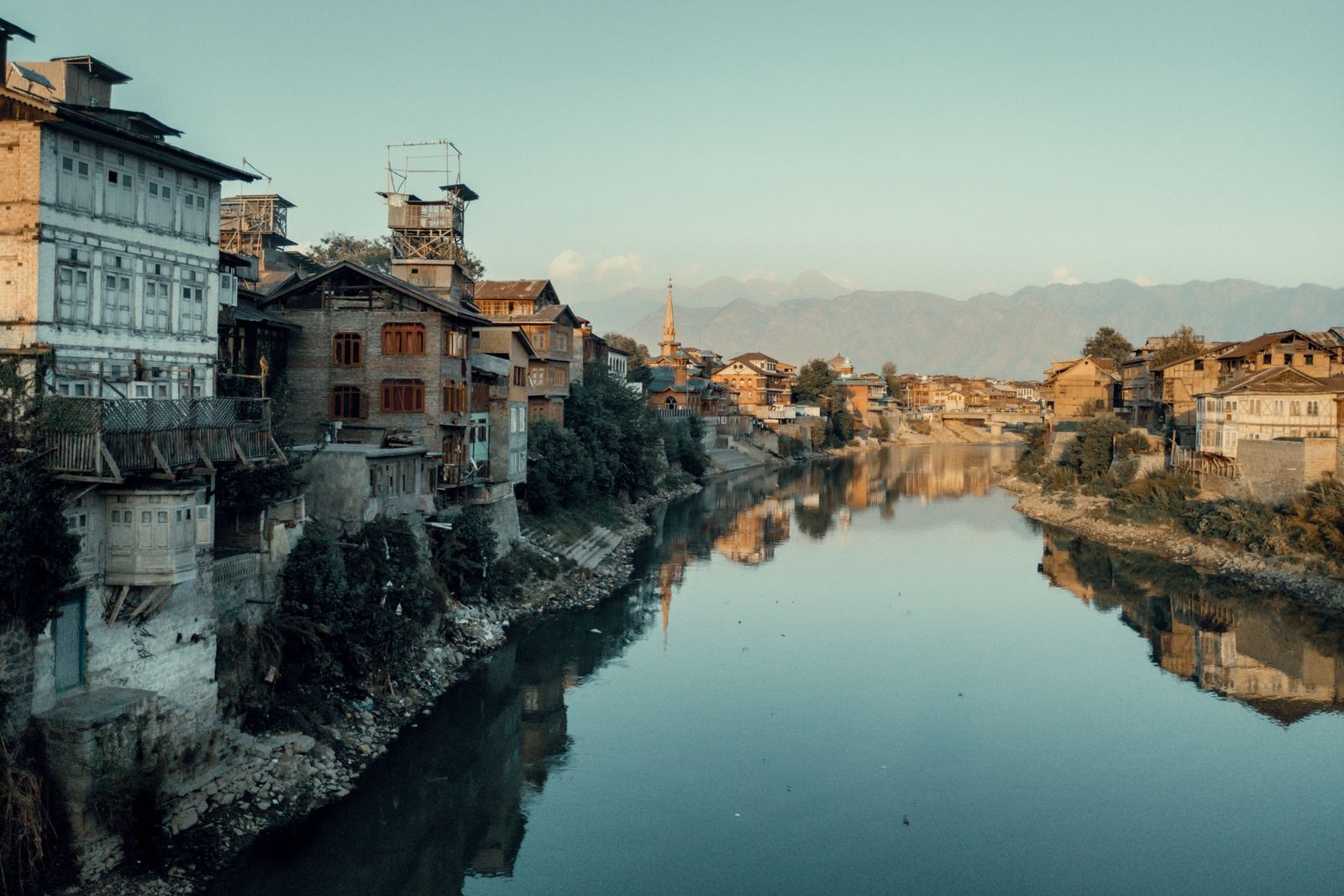
What the visitor actually sleeps in is a converted old house rather than a built hotel. The town was opened as 马桑溪古镇 Mǎsāngxī Gǔzhèn Masangxi Ancient Town on 24 January 2017 and renamed 义渡古镇 in 2019, a restored wharf settlement of about 17,000 square metres on four terraces with three streets and nine lanes, and the lodging is the upper-terrace rooms of that restored fabric rather than a new build. A riverside teahouse became a guesthouse, a courtyard became a stay, and the themed rooms are the town’s way of being more than a daytime walk, which is the honest distinction: this is a free town with paid rooms on top of it, not a gated resort with a town attached. The 李竹山故居 Lǐ Zhúshān Gùjū Li Zhushan residence and the old supply cooperative are the preserved buildings, and the inns sit among the lanes rather than around them.
The pricing is the part a booker cannot pin down, and that is the finding rather than a gap. No inn inside the town publishes an official rate or a telephone on any booking surface checked, and the district’s own culture-tourism list gives the town a single number, 023-68533888, for its 2023名录 rather than a per-house line, so the practical answer is a platform quote checked on the day. The useful comparison is with the district’s other lodging: the Jiugongmiao belt is a priced band, the Jin’ao cluster is a seasonal quote, and the ancient town is the one where the room is a conversation rather than a listing. A reader who wants a number should expect to message the house, because no tariff is posted and none is invented here.
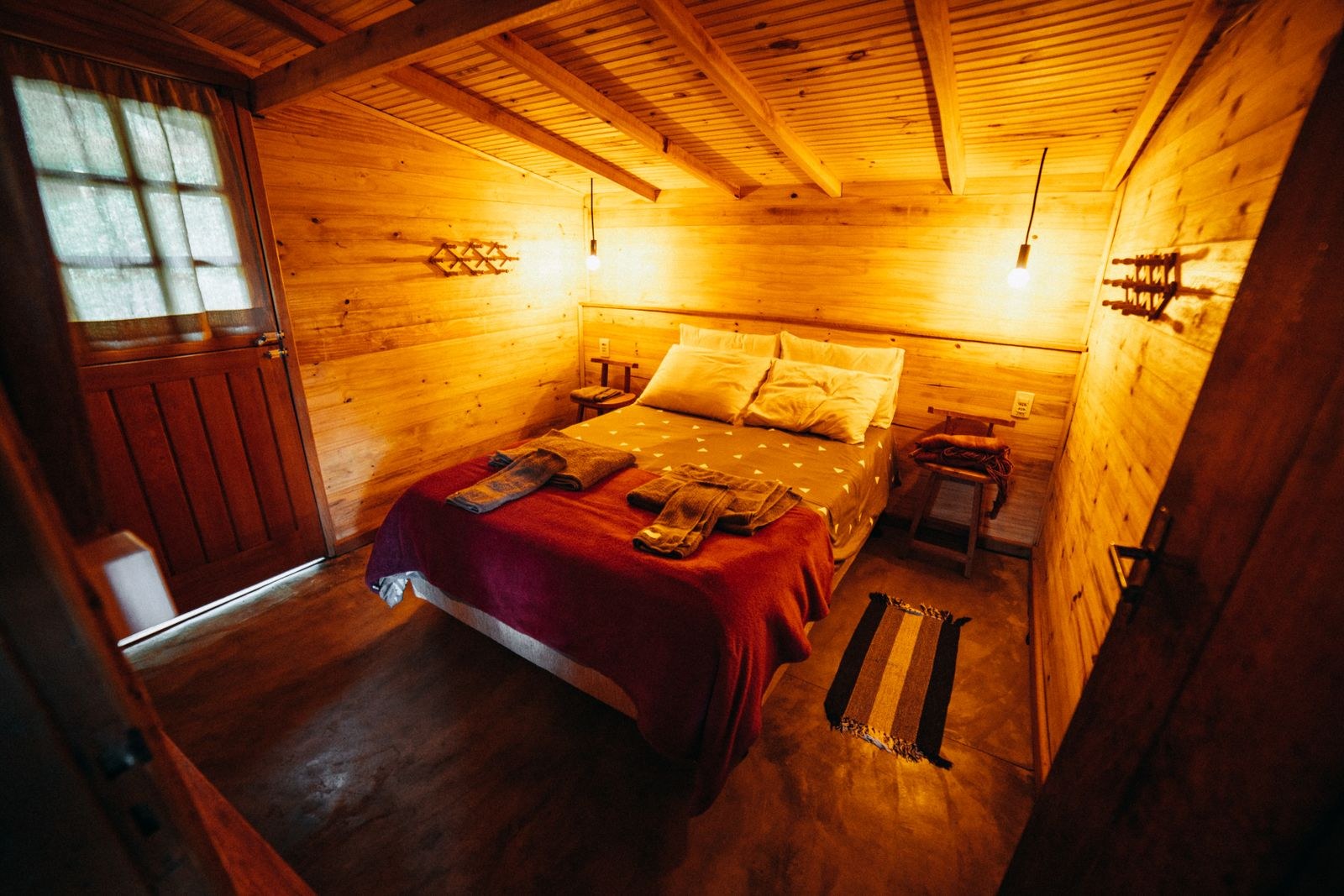
The location is the whole argument for sleeping here rather than in the core. The fourth terrace is the highest of the town’s four, which puts the room above the lanes and above the wharf with the Yangtze and the 马桑溪大桥 Mǎsāngxī Dàqiáo Masangxi Yangtze Bridge in the outlook, and the walk down to the old railway and the old wharf is the thing the room is bought for. The town is free all day, so a guest who pays to sleep also gets the lanes before the coaches and after them, which is the trade a riverside ancient-town inn exists to offer. What the record does not give is a metro at the door: the town is a road and bus destination off the district’s commercial core, so the last leg is a taxi or a local bus rather than a train.
One further warning, and it is a level problem rather than a contradiction. The town’s free entry means the lodging competes with the core’s priced hotels for the same visitor, and the ancient-town room wins on outlook and loses on convenience, which is exactly the trade a riverside inn is supposed to be. The district’s maintained 2023名录 telephone, 023-68533888, is the number to use for the one question no house answers – what the town actually charges this season – because the inns publish nothing and the page invents nothing.
Practicalities
Price. Unposted, and that is the article’s main fact rather than a gap. No inn inside 义渡古镇 publishes an official tariff or a telephone on any booking surface checked, so every number is a platform quote to check on the day rather than a posted rate. The district’s own culture-tourism list gives the town a single 2023名录 number, 023-68533888, not a per-house line, which is why this piece prints no floor at all. The useful comparison is the district’s other lodging: the Jiugongmiao belt runs about 100 to 160 yuan a night on the platforms, the Jin’ao cluster is a seasonal quote, and the ancient town is the one where the room is arranged by message rather than booked by price.
Address. 义渡古镇 Yidu Ancient Town, formerly 马桑溪古镇 Masangxi, in 大渡口区 Dadukou District, on the fourth of the town’s four terraces above the Yangtze, beside the old wharf and the old 成渝铁路 Chengyu railway, under the 马桑溪大桥 Masangxi Yangtze Bridge. The town opened 24 January 2017 and took its current name in 2019; the 李竹山故居 Li Zhushan residence and the old supply cooperative are the preserved buildings, and the inns sit among the lanes rather than around them. The district’s maintained 2023名录 telephone is 023-68533888, which is the number to ask about seasonal rates because no house posts one.
Rooms. Small and converted rather than built, which is the point. A riverside teahouse became a guesthouse, a courtyard became a stay, and a handful of themed rooms fill the upper terraces; none of them publishes an inventory, a class or a standard tariff. Ask two things in writing before you pay: which terrace the room is on, because the fourth is the outlook and the lower ones are the lanes, and whether the room is a converted old house or a newer build, because the restored fabric is the reason to be here and a new block is not. The town is free all day, so the room buys the lanes before and after the coaches rather than the lanes themselves.
Getting there. The town is a road and bus destination off the district’s commercial core, not a metro stop, so the last leg is a taxi or a local bus rather than a train. The outlook is the Yangtze and the Masangxi Bridge from the fourth terrace, and the walk down reaches the old wharf and the old Chengyu railway in minutes. Allow for the climb: a room on the highest terrace means the lanes are below you and the river is in front of you, which is the trade the riverside inn exists to offer, and a late arrival up the stone steps is a worse idea than an early one.
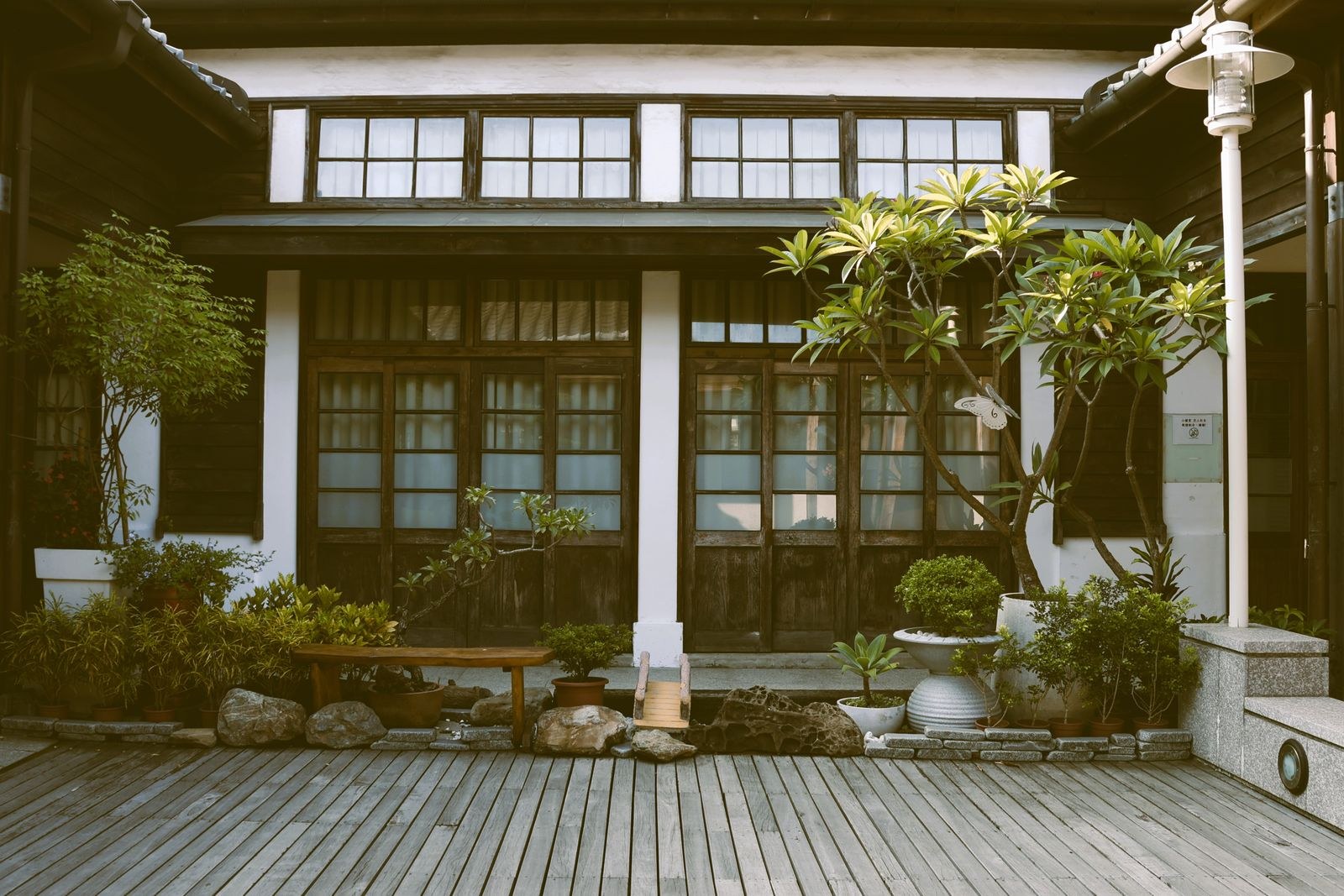
A day here runs on the river and on the light, in that order. Morning belongs to the lanes before the coaches, when the wharf is empty and the old railway is just track and the bridge is a silhouette rather than a backdrop. Late morning is the walk down to the water and back, which is the reason the room is on the fourth terrace rather than in the core. Midday is the teahouse that became a guesthouse, lunch, and the wait for the afternoon crowd. Afternoon is the second good window on the river and the one families skip while taking pictures on the bridge. Evening is when the lanterns come on the lanes and the terrace rooms light up in rows above the water, and it is the only hour the town reads as one thing rather than as a street you walk through. Then the room, where the river and the bridge are the same purchase.
flowcloud would say that Yidu Ancient Town is the one Dadukou address where the room is bought for the fourth terrace and the river rather than for convenience, and that the correct way to book it is to message the house for a seasonal quote because no inn posts a tariff or a telephone, to use the district’s maintained 023-68533888 for the one question the houses will not answer, and to take the free town as the reason the paid room is worth it.
Where to stay: a fourth-terrace room if the Yangtze and the Masangxi Bridge are why you came, because the outlook is the product and the lower terraces are the lanes; a converted-teahouse room if the riverside mood is the point and the climb is not; and a Jiugongmiao apartment-hotel if the metro and a posted price matter more than the view, since the core is where the district’s priced band lives. And ask for the terrace and the room type in writing before paying, because no ancient-town inn posts a tariff and the free town is the reason the room exists at all.