
The river runs through the middle of the city and the buildings lean over it. 益阳市 Yìyáng Shì is a place where the 资江 Zī Jiāng comes down out of the hills at 桃江 Táojiāng and spreads out across the plain before handing itself to 洞庭湖 Dòngtíng Hú, and the older part of town sits on the south bank looking north across the water. A hotel on that bank gives you the river on one side and the old lanes on the other, and in the evening the 资江 Zī Jiāng bridge strings itself with lights and the embankment fills with people walking. There is nothing spectacular in the view. There is water, a bridge, a far bank of low buildings and hills behind, and a city that is honest about being a river town.
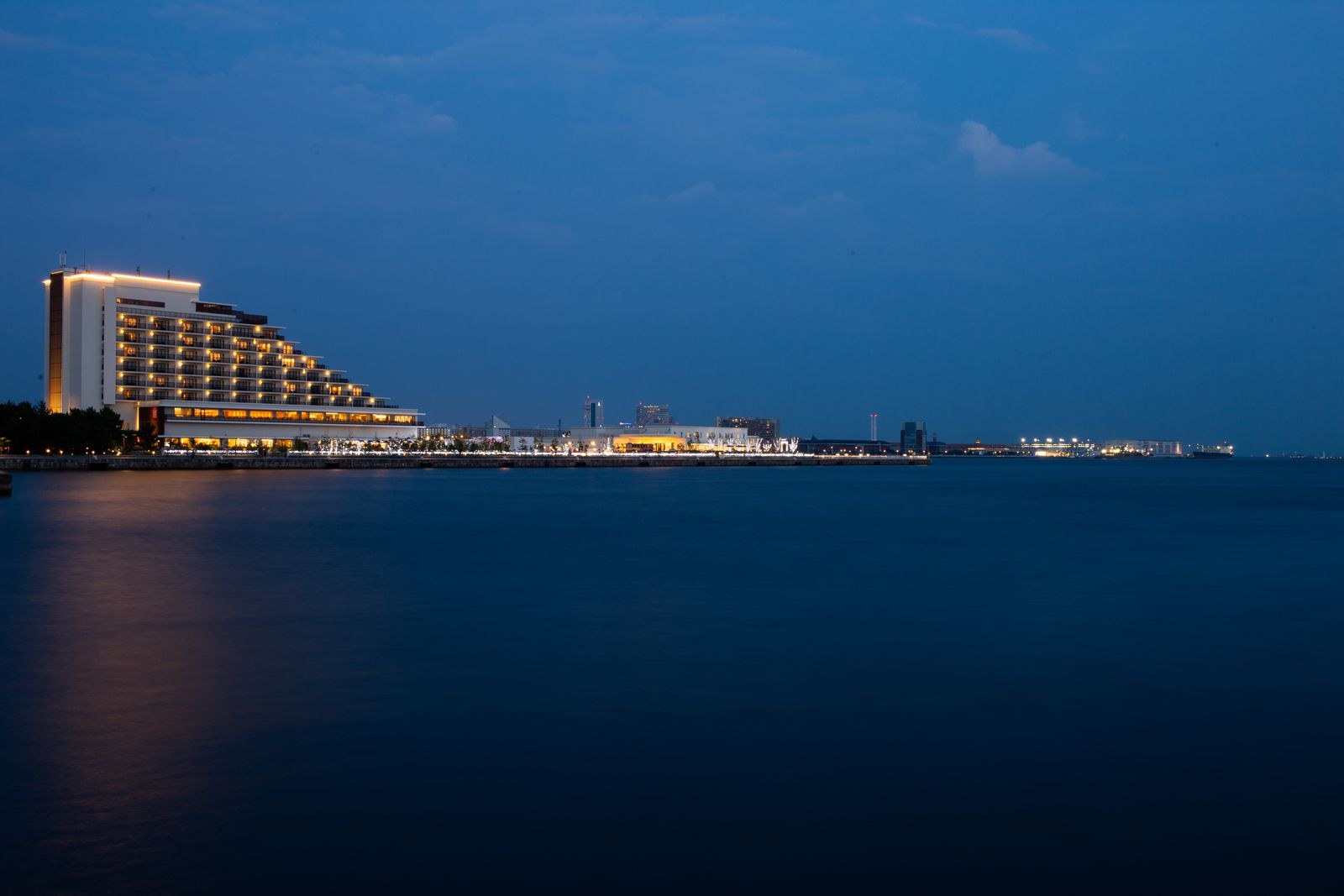
The 资江风光带 Zī Jiāng fēngguāng dài, the riverside belt, is the reason to be on this side. It is a long, landscaped embankment: a paved walk at the water, a cycleway, planting, small squares where people dance in the evening, and steps down to the water at a dozen points where men fish with long poles. The hotel towers that have gone up along it are the ordinary provincial kind — twenty floors, a lobby with too much marble, a breakfast room with a view — and their variable is entirely the aspect. A river-facing room gets the water, the bridge and the sunset; a back room gets a street and a car park.
What the Rooms Are Like
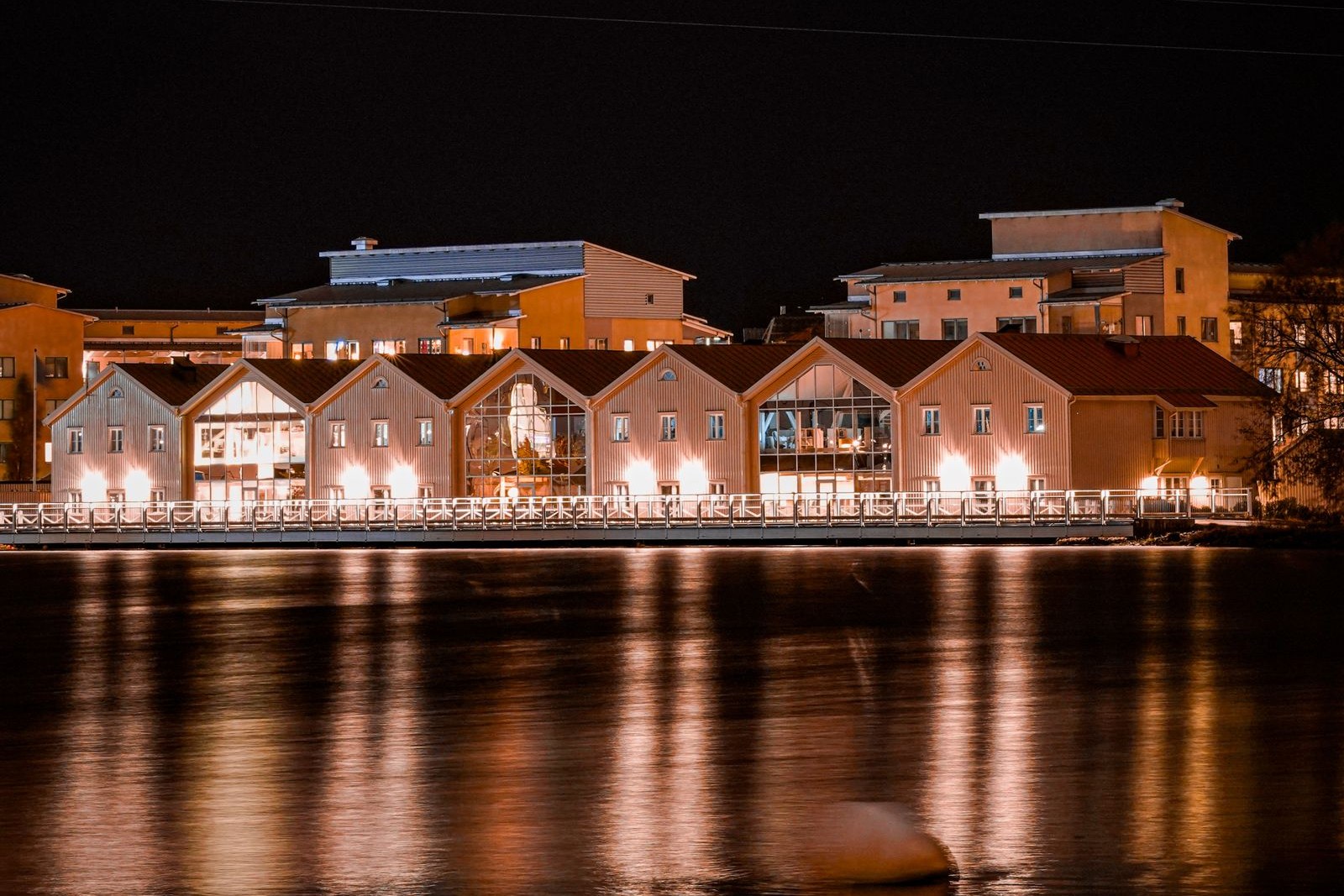
Standard Chinese business-hotel rooms, which means a large bed, a desk, a kettle, air conditioning you will run all night in summer, and a bathroom in tile or stone. The rooms are usually generous by Western standards and the fittings vary from well-maintained to tired depending on the age of the building, and the older riverside hotels have the better positions while the newer ones have the better plumbing. Ask for a high floor facing the river: from the tenth floor up the view clears the embankment trees, and below that the water is mostly hidden by planting.
Practicalities
Price. A river-facing double runs roughly ¥220 to ¥450 a night, with the top of the band on weekends and public holidays and the bottom in the winter off-season. Back rooms are typically a third cheaper. Breakfast is usually included and is a Chinese buffet with a noodle station, which is the part worth eating.
Address. The riverside hotels line the south bank of the 资江 Zī Jiāng in 赫山区 Hèshān Qū, the older half of the city, within walking distance of the 明清古巷 Míng-Qīng gǔxiàng, the restored Ming and Qing lanes, and of 秀峰公园 Xiùfēng Gōngyuán. Some properties call themselves riverside while facing the wrong way, so check the aspect rather than the name.
Rooms. Ask for a river view, a high floor and a room away from the lift lobby. Ask whether the window opens, because the riverside belt is loud with music until about ten at night and some hotels seal every pane. Families should ask about rooms with two beds rather than a large single, which is the more common configuration here, and anyone sensitive to noise should ask how far the room is from the dance squares on the embankment.
Getting there. 益阳站 Yìyáng Zhàn on the ordinary rail line and 益阳南站 Yìyáng Nán Zhàn on the high-speed line both connect to the city, and the riverside is ten to twenty minutes from either by taxi. From 长沙 Chángshā the high-speed train takes under an hour. There is no airport; the nearest is 长沙黄花 Chángshā Huánghuā, an hour and a half away by road.
flowcloud would say that a room over the Zi is the only address in Yiyang that gives you the city’s whole argument, since the river is what made the town and the town has spent its money making the river pleasant to look at.
Where to stay: on the south bank of the 资江 Zī Jiāng along the 资江风光带 Zī Jiāng fēngguāng dài, on a high floor, facing the water. Ask whether the window opens, how far the room is from the music on the embankment, and whether the view clears the trees, and if you can, walk the belt at dusk before you decide, because the difference between a river view and a back room here is the whole stay.