
Yonghegong and Guozijian Inns: The Incense-and-Locust Quarter of Northeast Dongcheng, Where the Temple Bell Is the Wake-Up Call
古槐深处国子监,佛香晨钟雍和宫。Gǔ huái shēn chù Guózǐjiàn, fó xiāng chén zhōng Yōnghégōng – Deep among the ancient locusts stands the Imperial College; Buddha incense and the morning bell, Yonghegong.
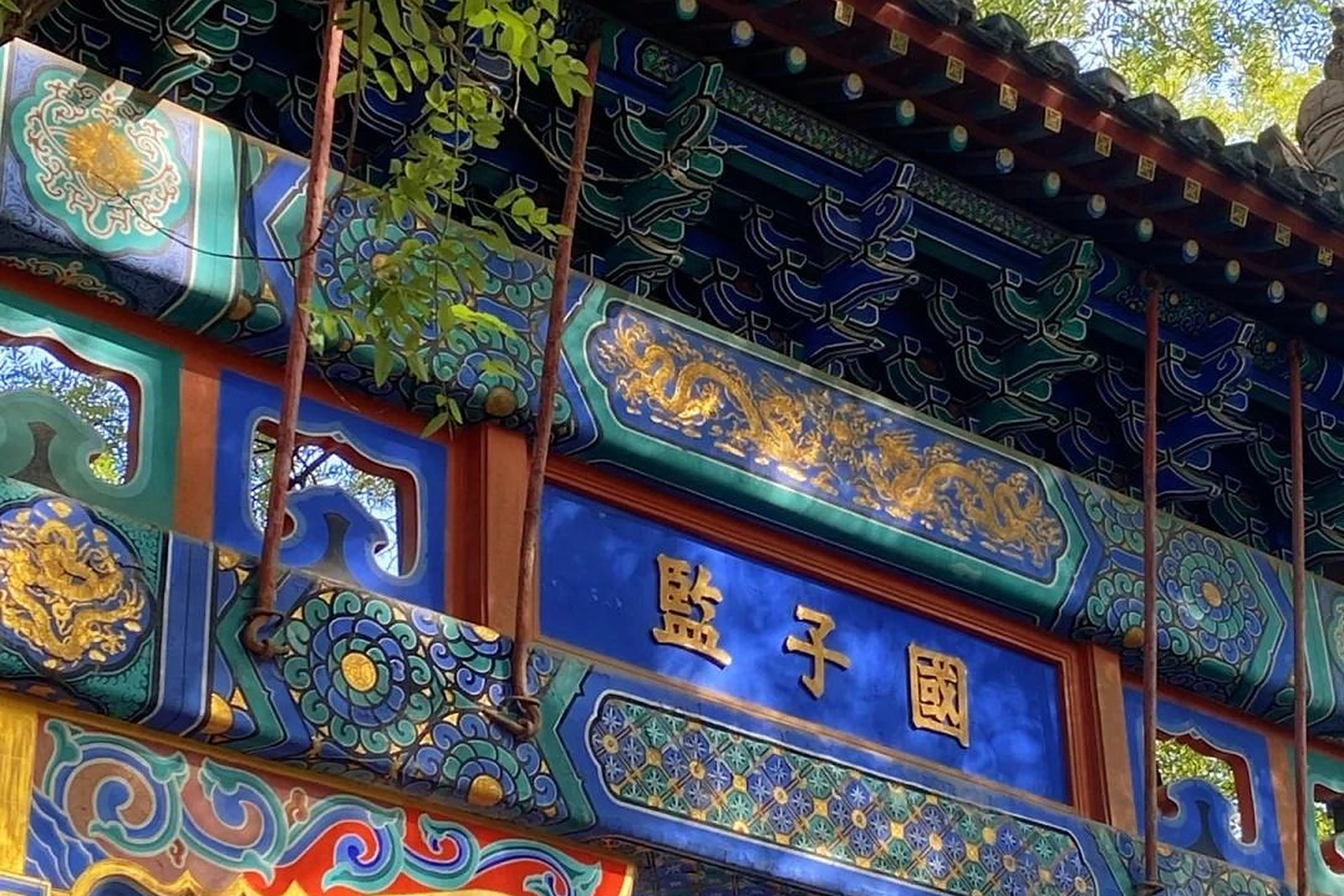
The stay around 雍和宫 Yōnghégōng the Yonghegong Lama Temple and 国子监 Guózǐjiàn the Imperial College – the incense-and-locust quarter on the northeast edge of the old city in 东城区 Dōngchéng Qū Dongcheng – is the 客栈 kèzhàn inn gradient: youth hostels, boutique hutong inns and small courtyard hotels threaded between 国子监街 Guózǐjiàn Jiē Guozijian Street, whose 古槐 gǔhuái ancient locusts shade the Confucius Temple 孔庙 Kǒngmiào and the ancient academy, and 五道营胡同 Wǔdàoyíng Hútòng Wudaoying hutong, the cafe-and-craft lane that runs along the temple’s red wall. The first band is the hostels near 安定门 Āndìngmén and 北新桥 Běixīnqiáo, dorm beds and backpacker noticeboards; the second sits above the Wudaoying coffee roasters; the third hides in the Guozijian lanes, quietest and dearest of all. The honest product is the morning: 佛香 fóxiāng incense smoke drifting from the temple gate, a bell note across the tiled roofs, and lanes still half asleep (worth confirming temple opening times and the first-of-the-month pilgrim crowds).
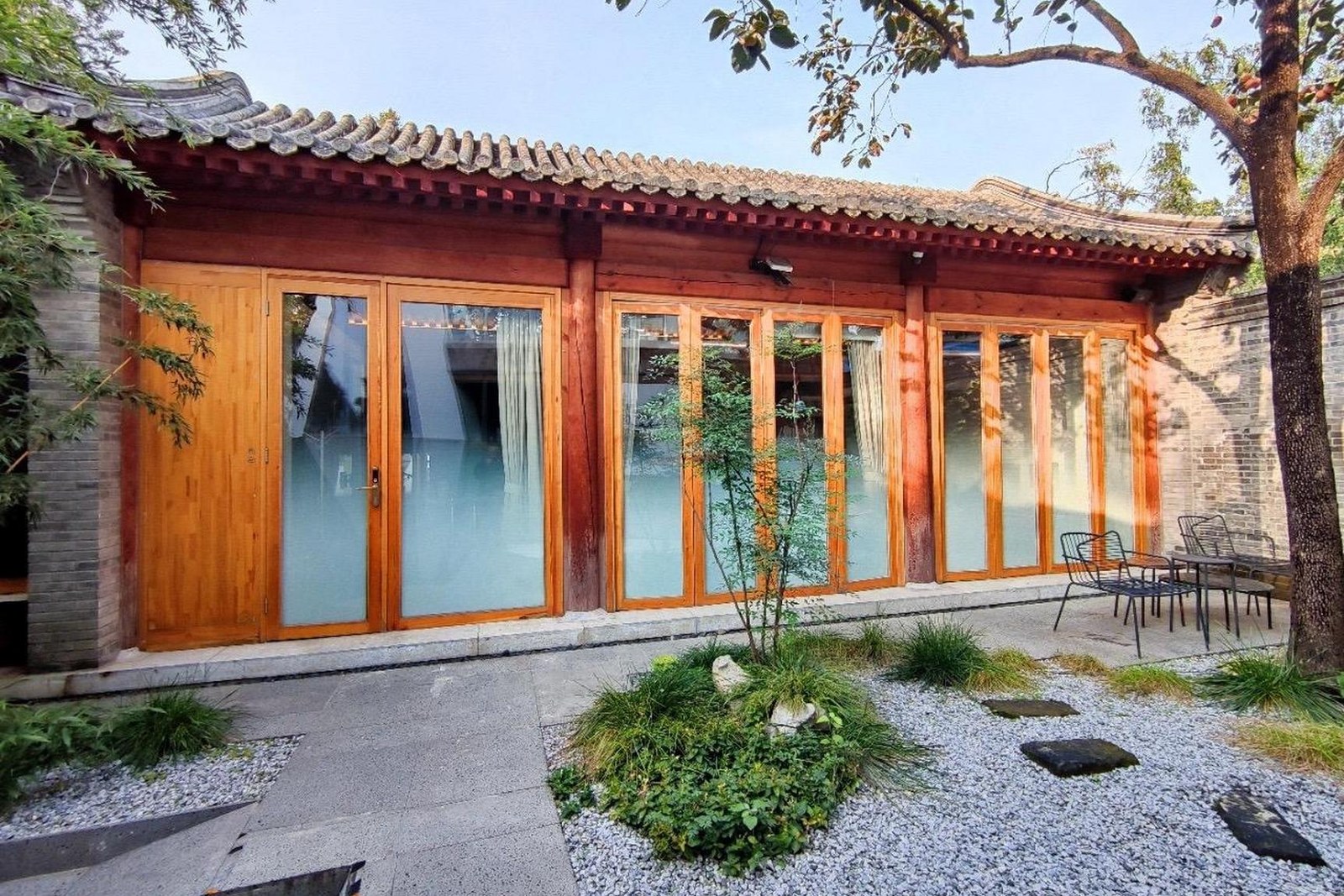
The October 2026 snapshot runs three bands: youth-hostel dorms about 80-180 yuan a bed, boutique hutong inns about 350-700 yuan, and styled courtyard stays about 700-1,200 yuan (worth confirming – a relaxed market that fills hardest on temple festival days and autumn weekends, when pilgrims and photographers converge; midweek softens it). The hostel bed buys a locker, a wall map and instant travel company; the middle band buys a designed room above the small shops and a proper flat white; the top band buys the locust shade and a yard to read in. What no band buys is space – lanes mean small rooms – and what the quarter least sells is nightlife: Wudaoying’s shops roll down early, and after ten the lanes belong to residents (worth confirming shop hours by season). Who it suits: temple-dawn risers, cafe walkers and anyone wanting Beijing’s calmest hutong patch; who it does not suit: night owls and big-hotel loyalists – the biggest lobby here is the street itself.
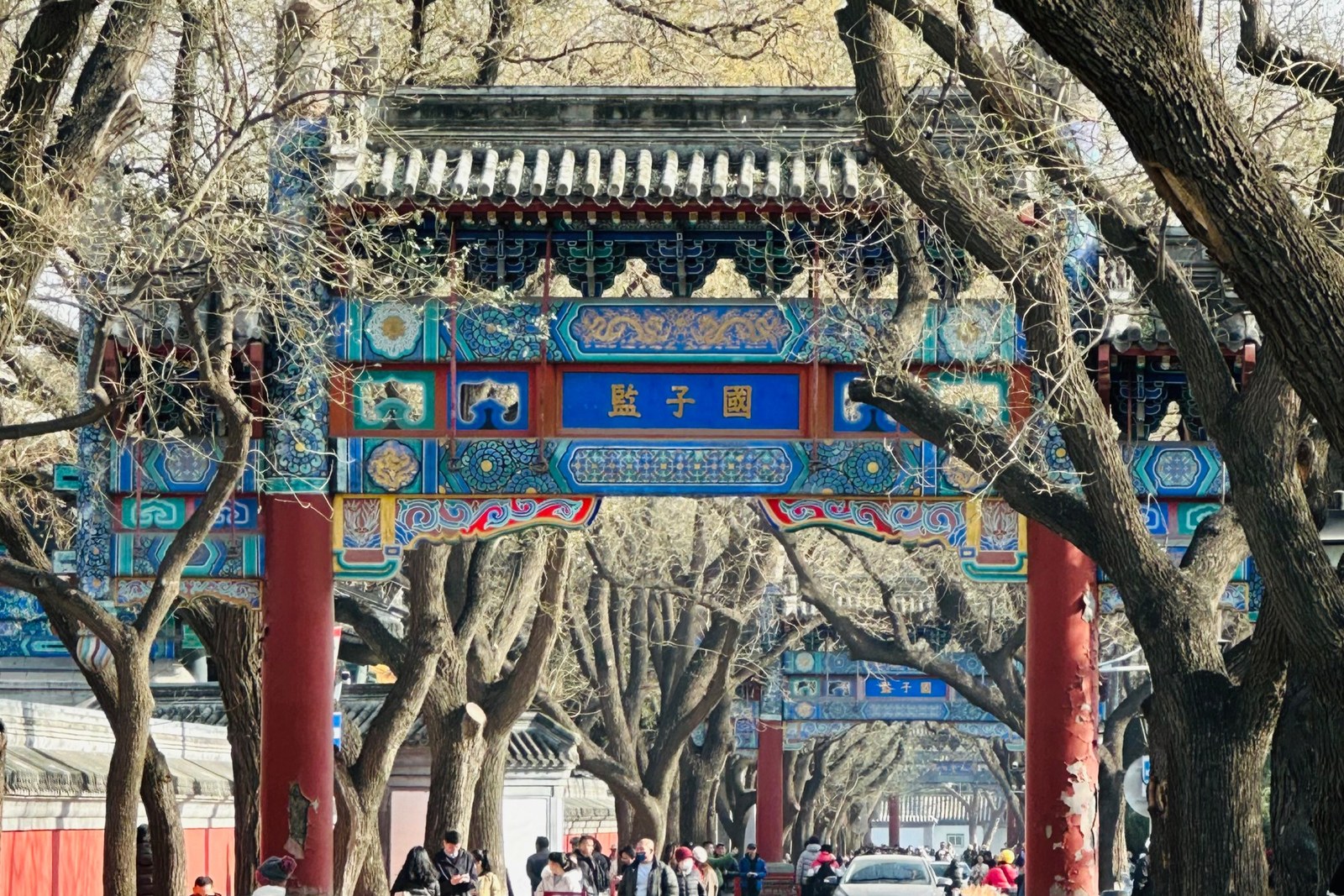
Practical shape: the quarter is a one- or two-night stay, well paired with 地坛 Dìtán Ditan Park next door and an easy subway hop from the palace district. Getting here: 雍和宫站 Yōnghégōng Zhàn sits on metro Lines 2 and 5 (worth confirming the details), and the Airport Express terminus at 东直门 Dōngzhímén is one Line 2 stop away – a quiet advantage on flight days. Book the Guozijian-lane courtyard if quiet is the point, the Wudaoying inn if the cafe scene is, the hostel if the budget is. Check the three things lane inns get wrong: whether the room fronts the lane (ask for the yard side), the bathroom retrofit, and winter heating depth (worth confirming per inn). Bring small notes for the craft shops and patience at the temple gate – and the wry truth: you booked here for contemplation, then joined a dawn queue of wish-makers so dense it resembles a rush hour; the incense is calmer after nine, once the first prayer trains have departed (self-assessment from a writer who came for the architecture, stayed for the coffee, and lit a stick of incense anyway).
The Stays
- 青年旅舍 qīngnián lǚshè youth-hostel dorms near 安定门: about 80-180 yuan a bed (worth confirming the details), bunks, lockers and a travellers’ board. Who it suits: solo backpackers; who it does not suit: privacy seekers.
- 五道营胡同精品客栈 Wǔdàoyíng Hútòng jīngpǐn kèzhàn Wudaoying boutique inns: about 350-700 yuan (worth confirming the details), designed rooms above the cafe-and-craft lane. Who it suits: cafe walkers and couples; who it does not suit: light sleepers in lane-front rooms.
- 国子监街小院客栈 Guózǐjiàn Jiē xiǎoyuàn kèzhàn Guozijian Street small-courtyard inns: about 700-1,200 yuan (worth confirming the details), quiet yards under the ancient locusts. Who it suits: calm seekers and slow mornings; who it does not suit: tight budgets.
- 北新桥一带经济宾馆 Běixīnqiáo yīdài jīngjì bīnguǎn Beixinqiao budget guesthouses: about 200-380 yuan (worth confirming the details), plain rooms one subway stop from the temple. Who it suits: practical visitors; who it does not suit: anyone after the poetry.
flowcloud would say that the Yonghegong-Guozijian stay is a locust-shaded yard between the incense gate and the espresso machine – 80 yuan hostel bunk to 1,200 for the courtyard inn in the October 2026 snapshot – and that the honest move is to pick the Guozijian side for quiet, rise with the temple bell and let the cafes fund the afternoon, because the atmosphere is the amenity and the small rooms are the price – the lane is the lobby. All checked October 2026.
Where to stay: Choose by mood: hostel dorms near Andingmen run about 80-180 yuan a bed, Wudaoying boutique inns 350-700, and quiet Guozijian-lane courtyards 700-1,200 (worth confirming festival-day crowds and each inn’s renovation standard). Suits temple-dawn risers, cafe walkers and anyone after Dongcheng’s calmest hutong patch; night owls and big-lobby loyalists should look elsewhere. All checked October 2026.