
The room looks over the 沅水 Yuánshuǐ, and directly across the water there is a temple cut into the cliff face. This is 龙兴讲寺 Lóngxīng Jiǎngsì, founded in 628 on the orders of 唐太宗 Táng Tàizōng, and it is the oldest surviving timber building in Hunan — a set of halls and cloisters on a hillside above the river, with red walls, grey tiles and, in the main hall, a board inscribed 眼前佛国 yǎnqián fóguó, “the Buddha-land before your eyes”, in the hand of 董其昌 Dǒng Qíchāng, the Ming painter and calligrapher who wrote it in the 1620s. The temple is 350 years older than 岳麓书院 Yuèlù Shūyuàn in Changsha, which makes it the oldest academy in the world by most definitions, and it is in a county town that almost nobody visits.
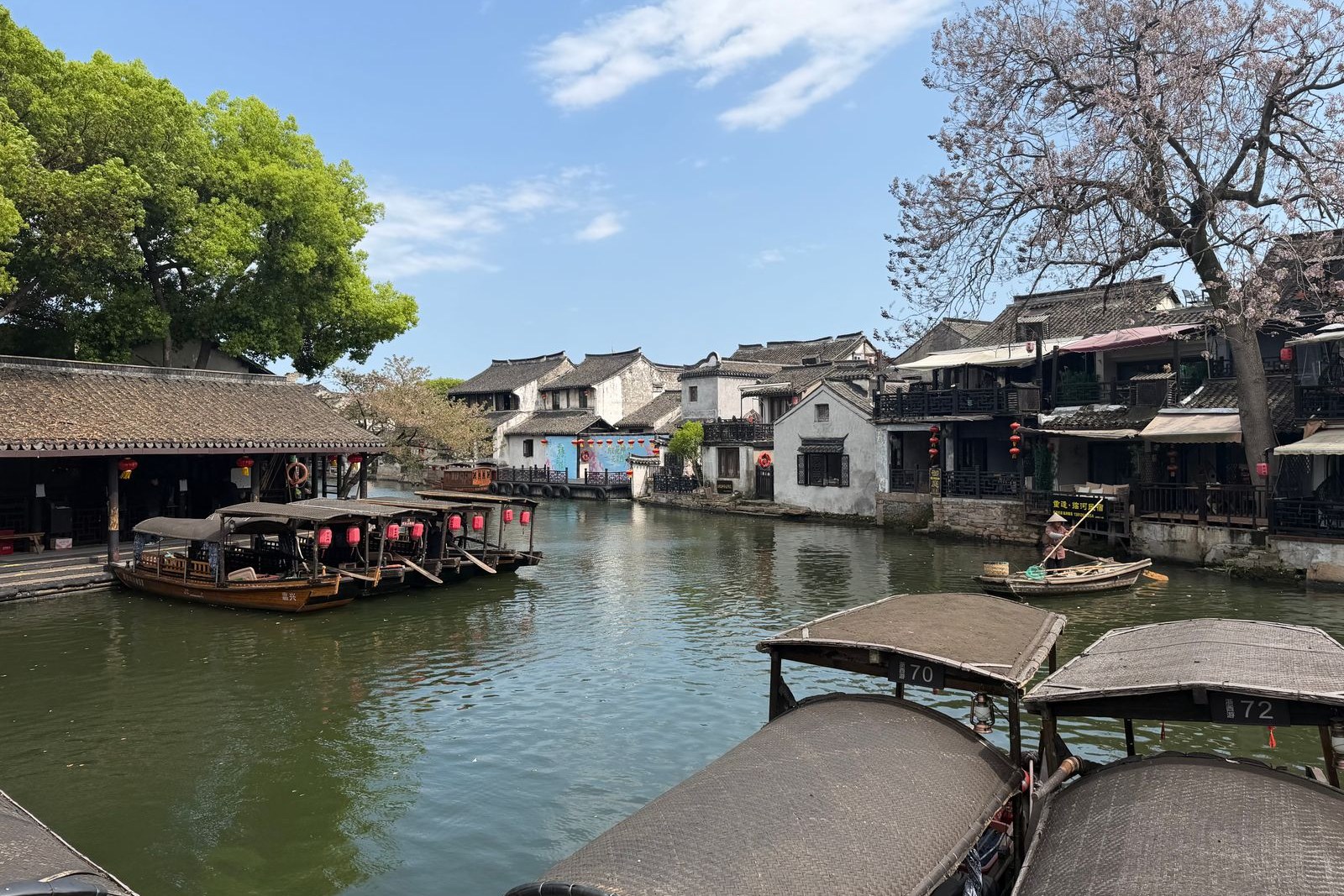
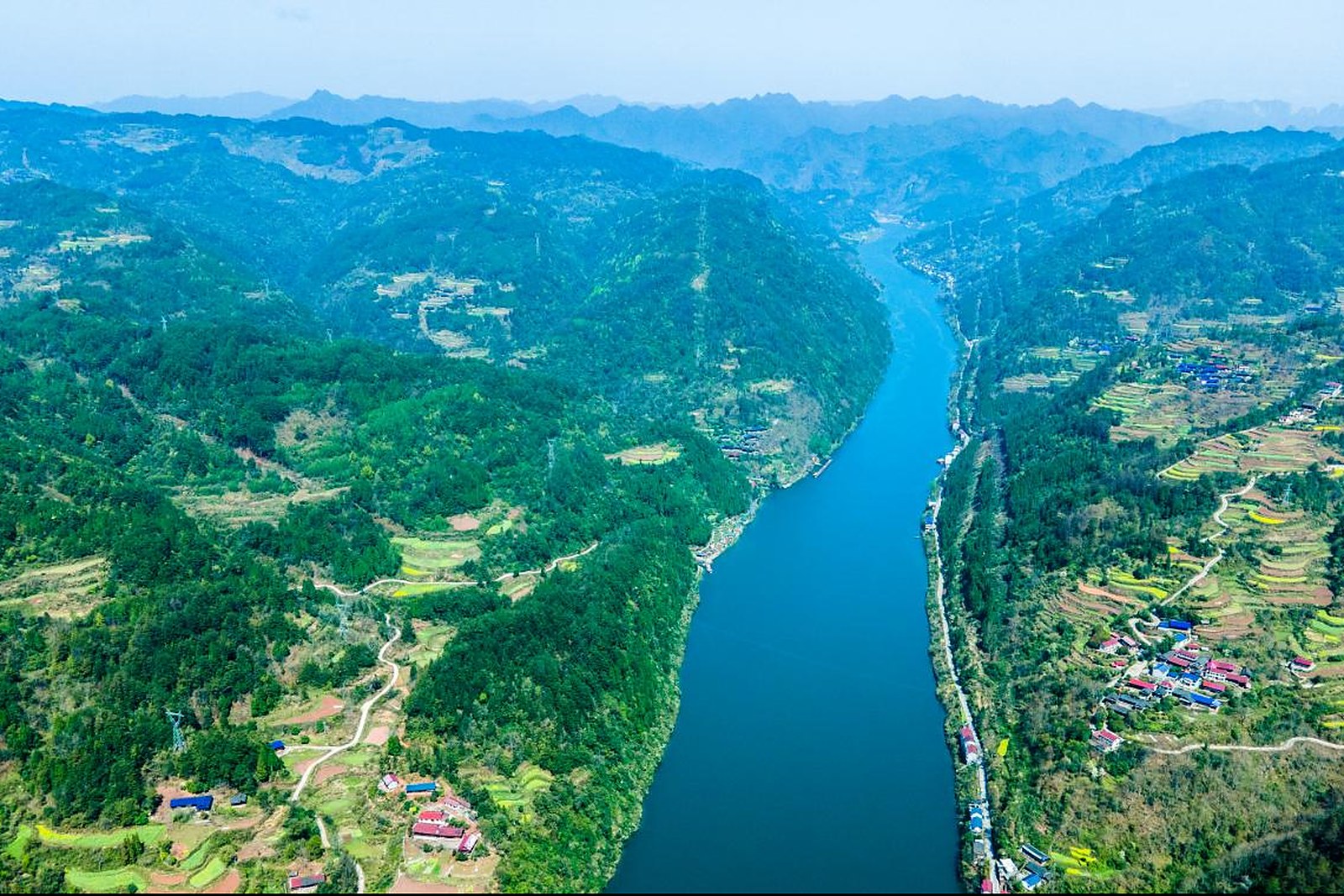
The inns along the river are ordinary: a business hotel or two, a handful of family guesthouses with rooms on the upper floors, and a cluster of small places near the 辰州古街 Chénzhōu Gǔjiē, the old street. A double with a river view is ¥150–380. You want a high floor, because the road along the bank carries traffic and because the view — the wide brown river, the temple opposite, the hills going up behind it in layers — is the entire reason this town is worth stopping in.
沅陵 Yuánlíng was, for two thousand years, the administrative capital of 辰州 Chénzhōu and the head of navigation on the 沅水 Yuánshuǐ. The town’s entire history is about the river: boatmen, timber rafts, salt, cinnabar from the mines, the 沅江号子 Yuánjiāng hàozi, the work songs that men sang while hauling, and 辰河戏 Chénhé xì, the river opera. 王阳明 Wáng Yángmíng stayed a month in the temple in 1510 and lectured there for the first time in public on 致良知 zhì liángzhī, the doctrine of innate knowledge, and left a poem on the wall. Walk up the old street in the evening, past stone steps and low wooden shopfronts, and you are walking on the same line of ground.
What You Are Paying For
Price. ¥150–380 for a double. The top of the range is the best room in the largest hotel on the bank; the bottom is a family guesthouse on the old street with a shared bathroom and a view from the corridor.
Address. 沅陵镇 Yuánlíng Zhèn, 沅陵县 (Yuánlíng Xiàn), 怀化市 (Huáihuàshì) — the inns with views are on the 滨江大道 Bīnjiāng Dàdào along the river.
Rooms. Plenty of ordinary hotel capacity and very little of it is booked. Ask for a 江景房 jiāngjǐng fáng, river-view room, above the fifth floor.
Getting there. 沅陵站 Yuánlíng Zhàn on the 沪昆 high-speed line is about ten minutes from the riverfront; 长沙南 Chángshā Nán is about ninety minutes away. The town climbs a hill above the water, so expect steps and limited parking.
What the Locals Know
Get up early and eat 猪脚粉 zhūjiǎo fěn. The county’s breakfast is a bowl of rice noodles under half a braised pig’s trotter, and the good shops sell out by nine. This is the single best reason to be in the town at seven in the morning.
Walk the 辰州古街 Chénzhōu Gǔjiē at night. It is short, partly rebuilt, and used by residents rather than tourists, which is the best kind of old street in China.
Cross the river to the temple in the morning. 龙兴讲寺 Lóngxīng Jiǎngsì opens around half past eight; the light comes up the valley and hits the red walls, and there is usually nobody there but a caretaker.
Look for the 二酉山 Èryǒu Shān connection. The mountain fifteen kilometres upriver is where, by tradition, the books proscribed by the First Emperor were hidden and preserved. The story is the reason this small county considers itself a guardian of the written word, and it is written into the local self-image.
Where to Stay
On the river, for the view and the walk. 怀化 Huáihuà is ninety minutes away and has better hotels and no river; there is no reason to base yourself there to see this. One night is enough for the temple, the old street and a breakfast; two, if you want to go up to 二酉山 Èryǒu Shān and take the boat.
flowcloud would say that a town which has been the capital of something for two thousand years and is now known mainly for a breakfast bowl of pig’s foot has learned a kind of dignity that more famous places have not — that it keeps a fourteen-hundred-year-old library of a temple open for whoever turns up, and stacks the noodles generously.
Where to stay: 滨江大道 (Bīnjiāng Dàdào), 沅陵镇 (Yuánlíng Zhèn), 沅陵县 (Yuánlíng Xiàn), 怀化市 (Huáihuàshì), 湖南 (Húnán). River-view doubles ¥150–380. About ten minutes from 沅陵站 (Yuánlíng Zhàn), ninety minutes from 长沙南 (Chángshā Nán). Ask for a high floor with a river view, be at 龙兴讲寺 (Lóngxīng Jiǎngsì) when it opens, eat 猪脚粉 (zhūjiǎo fěn) before nine, and walk the old street after dark.