
Yuli County Stays: Gateway Beds to the Lop People Village, a Sound Sleep in Roast-Lamb Smoke
沙边小县炊烟暖,羊肉香中入梦乡 Shā biān xiǎo xiàn chuīyān nuǎn, yángròu xiāng zhōng rù mèng xiāng – A small county warms its smoke by the dunes; roast-lamb scent carries you into dreams
Yuli County Yùlí Xiàn presses against Korla – the county seat sits fifty minutes from the prefecture seat – making it the easiest overnight inside 巴音郭楞蒙古自治州 Bāyīnguōléng Měnggǔ Zìzhìzhōu Bayingolin Mongol Autonomous Prefecture. It is the gateway to the Lop People Village and the home of Lop sheep roast: poplars, dunes, and folk songs by day, red-willow skewers back in town by night. The lodging menu is short but entirely practical – a county hotel that suits you, or a guesthouse right by the village.
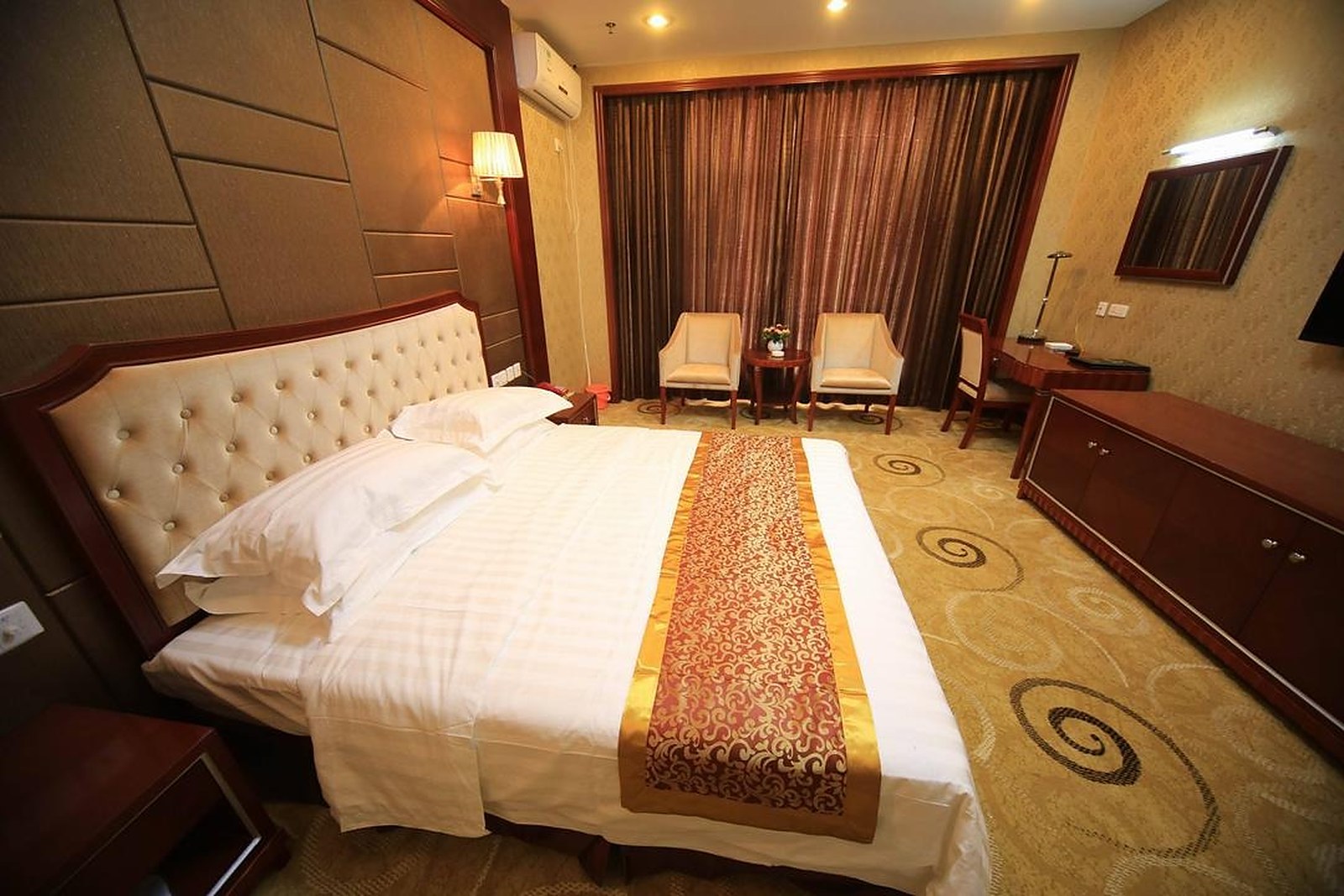
County hotels line the main road and the market district: small two- and three-story local buildings coexist with national chains, twins from about 200 yuan, conditions among the tidier end of Xinjiang county towns. The town’s real asset is convenience – supermarkets, fuel stations, and repair shops all within walking distance, and at nine at night the skewer stalls still smoke, night snacks solved by walking downstairs. Car-free travelers should note that taxis here mean hailing on the street or phoning; book a room near the main street and every trip gets easier.
The village direction is a different way to sleep: around the Lop People Village scenic area sit guesthouses and farmstead reception points – poplar-log cabins, courtyard tea seats – and after the coaches leave at dusk, the village goes quiet enough to hear the Tarim River. The great advantage of this side is time: dawn light on the dunes is the softest, and before the visitors arrive the whole poplar forest is yours. Keep expectations calibrated – confirm private bathroom and air conditioning item by item – and treat the premium as scenery’s premium rather than the hotel’s, for the highest satisfaction.
The difference between overnighting and day-tripping is unusually visible in Yuli: group tourists pack the Lop People Village between ten and four, and in that window the poplars, dunes, and ferry crossing stand nearly empty – while dusk and dawn, the real photographic gold, belong only to those who stayed. Dinner is the second reason to stay: the town’s skewer stalls roll out at evening, willow-threaded chunks hissing over charcoal, paired with pigeon soup or hand-pulled noodles – then the county bazar next morning. Only an overnight strings this day together.
The town’s dawn market deserves one early alarm: naan straight from the pit, yogurt shaved ice, and freshly sliced air-dried beef, all thick with life. Buy packets of Lop lamb jerky and Ruoqiang dates as road rations at prices far more honest than the scenic area’s. Another convenience: fuel and vehicle checks both live inside a ten-minute circle – before the long push into the Taklamakan or toward Ruoqiang, this is the last unrushed resupply.
Seasonally, Yuli’s beds follow the poplars: the golden season of mid-to-late October is the absolute peak – book town and village beds a week ahead; summer’s desert swings hard between noon scorch and cool night, making air conditioning and blackout the first demands; the rest of the year county rooms sit ready at steady prices, ideal for improvisers. Do not skip the sand details: sleep with windows sealed on dust days, bag the camera in zip-locks – sand in the room is daily life at a desert-edge town, unremarkable once accepted.
Booking channels stay simple: county hotels sit on the big platforms; most guesthouses run on phone calls and local recommendations, and paying only after seeing the room is accepted practice – a small county’s beds always outnumber what the internet shows. Using Yuli as Korla’s cheap satellite is entirely legitimate: rates two tenths lower, quiet twice as deep, the village or the poplar forest by day, meat and sleep in town by night – any rhythm you pick runs smooth.

The Stays
Road-trippers should take the chains or local hotels on the main street first – parking easy, resupply at the doorstep, the village half an hour at dawn; photographers owe themselves one night in a village-direction guesthouse to claim both golden lights.
Families should sleep in town – controllable conditions, rich dining, the village as a day return – and keep the luggage out of the sand. Book a week ahead for poplar season; in the off season, picking on arrival still works.
Whichever you choose, check the window seams before sleep – wind-blown sand visits desert-edge towns at night, and a wet towel along the sill is the county guesthouse’s tested folk fix.
With the dune-gate bed settled, the same 巴音郭楞蒙古自治州 Bāyīnguōléng Měnggǔ Zìzhìzhōu Bayingolin Mongol Autonomous Prefecture holds other places to land: 库尔勒市区住宿 Kù’ěrlè shìqū zhùsù Korla city stays for the river nights, 博湖县住宿 Bóhú xiàn zhùsù Bohu county stays for the lakeside nights, 巴音布鲁克镇住宿 Bāyīnbùlǔkè zhèn zhùsù Bayanbulak town stays for the swan-lake dawns, and 若羌县住宿 Ruòqiāng xiàn zhùsù Ruoqiang county stays for the Loulan legends – four more doors into the same 巴音郭楞蒙古自治州 Bāyīnguōléng Měnggǔ Zìzhìzhōu Bayingolin Mongol Autonomous Prefecture. With the dune gate settled, our Bazhou travel map fills the days.
The Stays
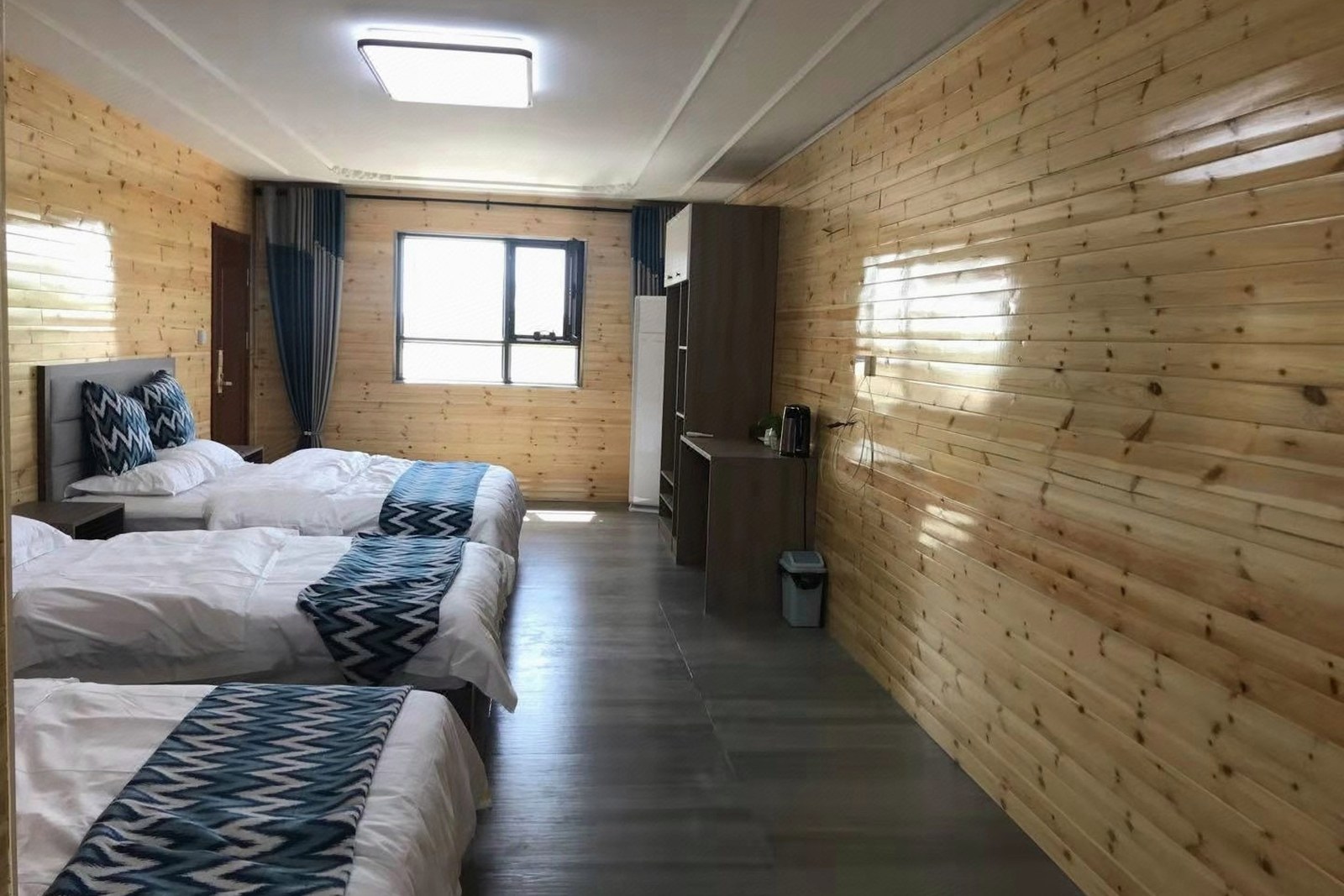
flowcloud would say Yuli is the desert’s polite front door: quiet county beds, loud lamb smoke, and a village where the Lop songs never quite stop. All checked November 2026.
Where to stay: Base in the county town for the bazaar and the roast lamb streets, keep one night for a village homestay near the Lop settlement, and let the hotel store your desert dust-coat until checkout – Yuli rewards slow arrivals. All checked November 2026.