
云浮市 Yún fú shì is the prefecture at the western edge of 广东 Guǎng dōng where the province runs up against 广西 Guǎng xī, and the first thing a hotel booking has to understand about its central district is that the city is not organised around a river or an old wall but around a trade. 云城区 Yún chéng qū is the district the visitor means when they say 云浮, and it is a working town rather than a preserved one: 建设北路 jiàn shè běi lù, 兴云东路 xīng yún dōng lù, 兴云西路 xīng yún xī lù, 河滨东路 hé bīn dōng lù and 世纪大道 shì jì dà dào carry the traffic, and the streets that carry the money are the ones with 石材 shí cái – stone – in the shop name. The city calls itself 中国石都 Zhōng guó shí dū, the Stone Capital of China, and although the report behind this article could not find the document that conferred the title, nobody who has driven the ring road around the city needs one: the yards are on both sides of it, the saws run through the night, and the whole place smells faintly of wet limestone and diesel at seven in the morning.
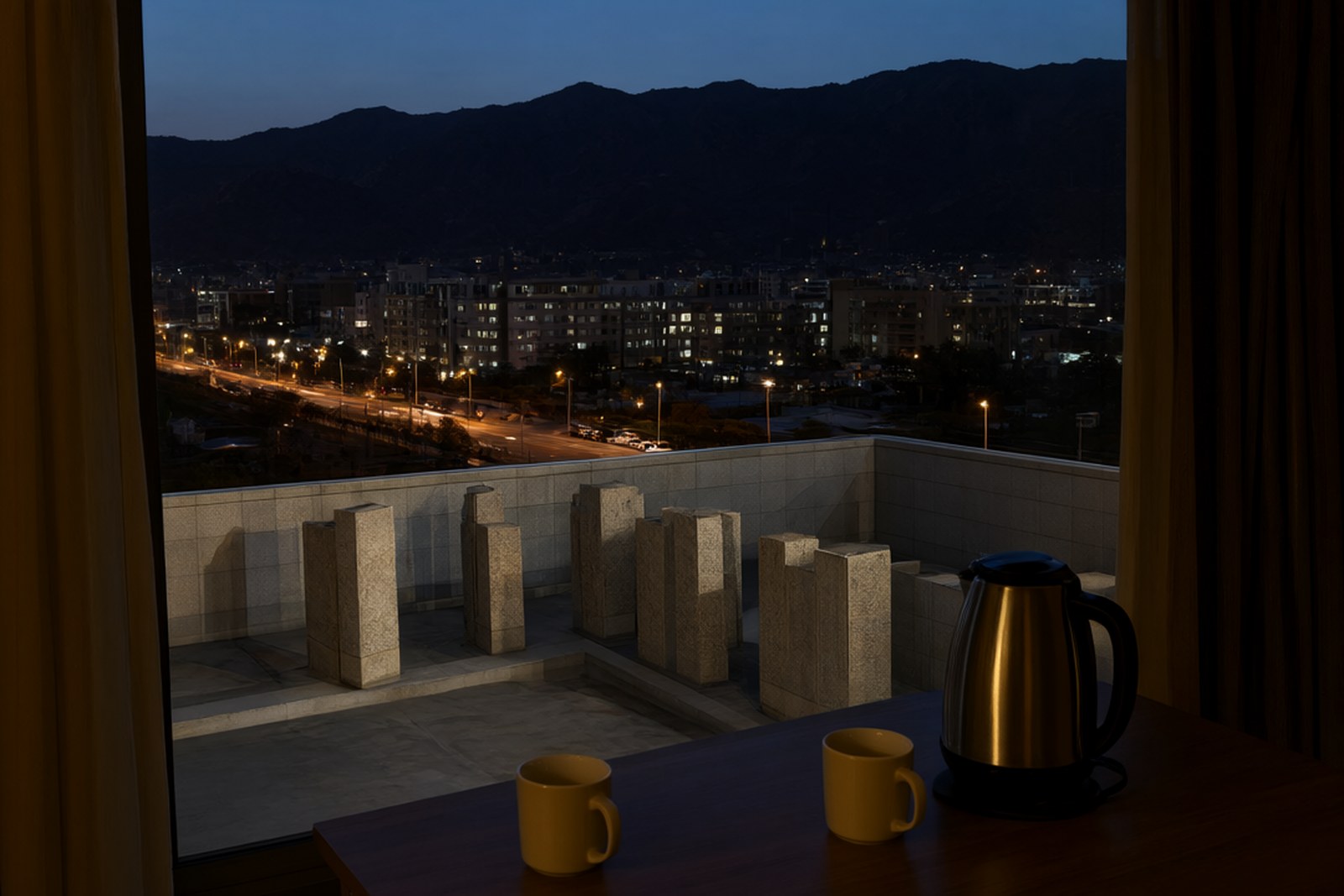
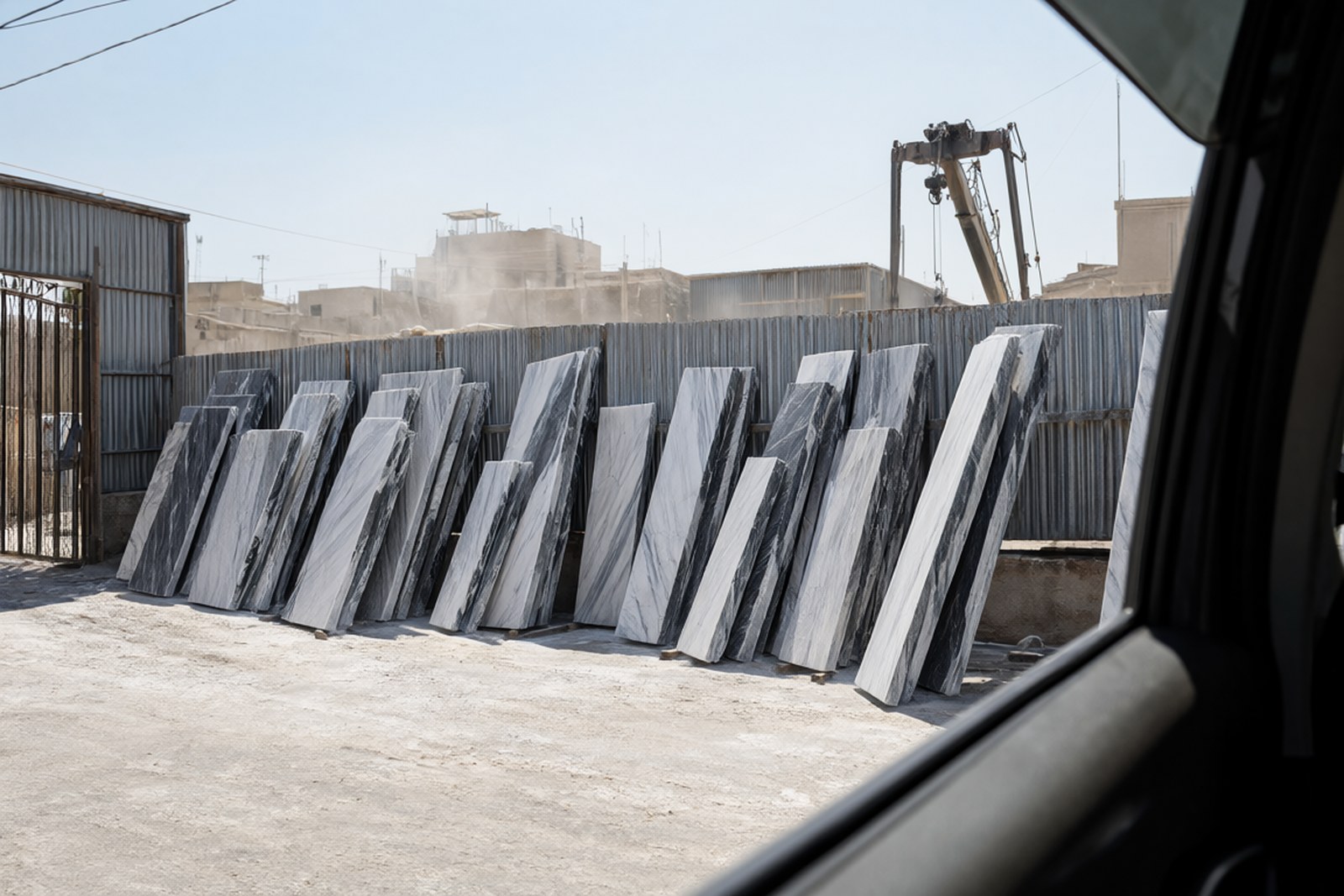
There is a second thing about the shape of the place, and it decides which hotel a guest picks. 云浮 is not a river town and not a walled town; it is a set of roads with an old market centre in the middle of them, which means the two questions a booking has to answer are which road and which floor. The old market side runs along 建设北路 jiàn shè běi lù and the 兴云 xīng yún pair, and that is where the bus station and the shops are. The newer side runs out along 世纪大道 shì jì dà dào towards the expressway, and that is where the chain hotels went. Between them, on the north edge of the centre, is 蟠龙天湖 Pán lóng tiān hú, the lake the city dug as a park after the cave beside it became a destination, and the hotels with their windows on that water are the quiet ones. A visitor who has business with the stone trade is on the right side of town if they are on the 世纪大道 or the ring road; a visitor who wants to eat and walk is on the right side if they are on 建设北路 or the lake. The two are fifteen minutes apart in a taxi and the difference between them is the difference between a stay that is convenient and a stay that is pleasant. The trade is old enough that nobody here treats it as an industry and everybody treats it as a date. The city’s own account has 石匠 shí jiàng – stonemasons – cutting into the hills four hundred years ago and making 石人、石马、石门脚、石碑 shí rén, shí mǎ, shí mén jiǎo, shí bēi, stone figures, horses, door frames and steles, out of a marble the trade calls 云石 Yún shí, cloud stone: black and white banded together in stripes so clear that the pattern reads as a mountain stream or as a bank of drifting cloud, and which was famous across the province while it lasted. The county annals put the craft’s origin in the 万历 Wàn lì years of the Ming, the 1570s and 1580s, and there is a second, longer claim in circulation of a 南北朝 Nán Běi cháo beginning fifteen hundred years ago which the sources flag as a minority reading, so this article stops at the Ming. What matters for a bed is the more recent record: by the 咸丰 Xián fēng years of the Qing, 1857, the 陈 Chén and 张 Zhāng families of 云城 and 富林 had set up hand-sawing workshops whose output was traded under the name 东安八石 Dōng ān bā shí, the eight stones of Dong’an, and shipped to 东南亚 Dōng nán yà. By the end of the Qing the villages around the town – 罗斗岗 Luó dǒu gǎng, 张屋村 Zhāng wū cūn, 石脚围 Shí jiǎo wéi – were cutting and carving cloud stone as a household occupation, and the line runs straight from those workshops to the sheds a guest can hear from a hotel window tonight.
The reason the trade is worth three paragraphs in an article about rooms is the scale, because it is what a visitor sees from the car and it explains the town’s layout. The prefecture counts more than seven thousand stone businesses and more than two hundred thousand people working in them; the product catalogue runs to thirteen series, twenty-three categories and over a thousand individual items; and in 2024 the city exported 910 million yuan of stone products, up 17.6 per cent on the year before, to more than a hundred countries and regions. The display end of that is 云浮国际石材博览交易中心 Yún fú guó jì shí cái bó lǎn jiāo yì zhōng xīn, the stone trade centre, which opened in October 2010 at 河口街 Hé kǒu jiē on 8.5 hectares of land and more than 230,000 square metres of floor, with a thousand display bays, a thousand offices and sixteen hundred underground car parks, and which was rated a national AAA-level scenic area in 2016, which is a strange thing for a trade hall to be. Since 2000 the industry has put on an annual stone technology exhibition and a stone culture festival, and the twenty-second edition ran in October 2025 over four days on more than 150,000 square metres with a hundred exhibitors and five satellite venues. Those are the four days a year when every bed in the district is taken and a fifth of the province’s builders are in town, and they are the only dates a visitor needs to plan around. The city’s export story has a famous ornament on it: the marble inlay panels for the Cairo International Conference Centre in 1987 were finally cut in 云浮, in two designs by 唐小禾 Táng Xiǎo hé and 程型 Chéng Xíng of the 湖北美术学院, because 云石 came in colours the buyers could not get anywhere else – some white as jade, some red as dawn. The craft was listed in the second batch of provincial intangible cultural heritage in 2007, and the inheritors the sources name are 区秀明 Ōu Xiù míng, 李森才 Lǐ Sēn cái and 梁建坤 Liáng Jiàn kūn, with the workshops concentrated in the 高峰 Gāo fēng, 河口 Hé kǒu and 安塘 Ān táng townships of 云城区 and in 石城 Shí chéng and 富林 Fù lín in 云安区. What a guest actually does with all this is choose which side of the trade to sleep on, and the two sides are different towns. The hotels cluster on the main roads – 建设北路, the 世纪大道 corridor, 河滨东路 – and the 益华广场 Yì huá guǎng chǎng and 蟠龙天湖 Pán lóng tiān hú blocks are where a visitor with no business here ends up, because that is where the restaurants, the shopping centre and the lake walk are. Named properties the sources carry include 云浮碧桂园凤悦凤凰酒店 at 金山大道 18 号, a five-star-grade building fifteen minutes by car from the 广云 Guǎng yún expressway’s 云浮东 exit; 维也纳国际酒店 at 世纪大道东 223 号 and a second branch at 建设北路 11 号; 达瑞斯国际酒店 at 牧羊路 2 号, next to the lake square; and 云浮云硫宾馆 at 星岩四路 95 号, which grew out of the 云浮硫铁矿 pyrite mine’s own hospitality and keeps lake-view rooms in its two blocks. The rock under the city is not a coincidence – a pyrite mine and a marble quarry are the same geology paying out differently – and 云浮云硫宾馆 is the one address in town where a guest can see the mine’s history in the room key. The rest of the sourced list is a set of names drawn from the 益华广场 and 蟠龙天湖 neighbourhoods: 长州酒店 Cháng zhōu jiǔ diàn, 南湾国际酒店 Nán wān guó jì jiǔ diàn, 新卓成大酒店 Xīn zhuó chéng dà jiǔ diàn, 金美林酒店 Jīn měi lín jiǔ diàn and 花筑·云浮金采莱酒店 Huā zhù Yún fú Jīn cǎi lái jiǔ diàn, all of them ordinary city hotels of the sort that make up most of the stock here.
Rates across this list sit roughly between ¥200 and ¥350 a night for a double, with the five-star-grade building at the top and the older city hotels lower, and the OTA star labels mean “built to that standard” rather than anything a tourism bureau has signed. Treat every figure as a band and check the live rate, because the fair week and the 春节 Chūn jié week are the only two times the number really moves. The rest of what a city room here is for is reach, and 云浮 reaches further than its size suggests. 蟠龙洞 Pán lóng dòng, the cave in 狮子山 Shī zi shān on 蟠龙路 Pán lóng lù about three kilometres north of the centre, is four bus stops or one short taxi ride away and takes a morning; the 市博物馆 shì bó wù guǎn is free; 蟠龙天湖 is a walk from the lake-side hotels and is where the town goes after dinner; and 九星岩 Jiǔ xīng yán, 程溪祖庙 Chéng xī zǔ miào and 龙母墓 Lóng mǔ mù are all in the same district. 云浮 is also 邓发 Dèng Fā’s birthplace, and the memorial middle school and hall named for him are on the city’s own list. The public buses 1, 5, 18 and 22 run to 蟠龙洞 from the centre, which is the cheapest way to reach any of it. Farther out, the prefecture opens into everything the travel column handles: the springs and the temple at 新兴, the old town and the gorge at 罗定, the river country at 郁南, and the 南江文化 Nán jiāng wén huà belt that ties them together. None of that is walkable and all of it is a day trip, which is the real argument for sleeping in 云城 rather than in one of the counties – a guest based here can do 新兴 on one day, 罗定 on the next and 郁南 on the third without moving hotels. The position is also the reason the city’s own hotel trade is busier on weekdays than at weekends, and it is worth taking advantage of rather than working around. This is a business town that tourists pass through: the stone trade brings buyers from Monday to Friday, the people who fill the restaurants at lunchtime are doing business, and the trade fair in October is the only week when every bed in the district is spoken for. A guest arriving on a Tuesday in an ordinary week finds better rooms at lower prices than a guest arriving on a Saturday, and a guest who wants a table in a good local restaurant without booking has picked the right town. The one thing to watch is a Monday morning, when the yards are quiet but the hotels are still full of the previous week’s trade.
What the Rooms Are Like
The stock here is ordinary Chinese city hotel stock and it is worth being specific about it, because the range is wider than the price difference suggests. The chain properties do the volume: a 维也纳 grade building on 世纪大道 or 建设北路, which means a lift with a card key, a room of twenty to thirty square metres with a tiled floor, a firm bed or two singles, split-unit air conditioning, an electric kettle, a small desk, a shower over a tray and, in the newer towers, a window wall. One step up is the five-star-grade building at 金山大道, which sells a bigger room, a proper breakfast room, a pool and a lobby that is doing business rather than tourism; one step down are the older city hotels, which run cheaper and smaller and put the money into the dining room instead of the fittings. Two grades are worth asking about by name. A 湖景 hú jǐng room – a lake-view room, which the 蟠龙天湖 and 云硫 addresses can both sell – looks over water and is the quiet side of the city at night. A 城景 chéng jǐng room on a high floor of a 世纪大道 tower looks over the traffic, which is louder and, in the evening, more interesting, because that is the road the stone trucks use. Since the trade is what the city is, ask for a room facing away from the ring road and the yards rather than towards them: the saws run late, and a guest who wants the atmosphere can walk over to it in daylight and does not need it at two in the morning.
Practicalities
Price. A double in central 云浮 runs about ¥200 to ¥350 a night, which is the range the city’s own stock occupies – the bottom of it is an older building on an inside room, the top is the five-star-grade property or a good corner room, and the 湖景 rooms sit at the top of that. The 春节 Chūn jié week, the first week of October, and the four days of the October stone fair, when the trade fills every bed in the district, are the only times the price moves much. Treat every figure as a range rather than a quotation and check the live rate for the nights you want, because the platforms reprice by the day and by the promotional channel.
Address. The city hotels are in 云城区 Yún chéng qū – the 建设北路 and 兴云路 corridors, the 世纪大道 east side, the 河滨东路 embankment and the 益华广场 and 蟠龙天湖 blocks – with 河滨东路 hé bīn dōng lù the old riverside address and 金山大道 jīn shān dà dào the newer one out towards the expressway exit; 云浮东站 Yún fú dōng zhàn on the 南广 high-speed line is about twenty minutes by car from the centre, the long-distance bus station is near 牧羊路 mù yáng lù, and 蟠龙洞 is about three kilometres north on 蟠龙路 Pán lóng lù.
Rooms. Ask which way the window faces and whether the stone yards are in it, because on this ground the direction is worth more than the fixtures and the saws are audible from the wrong side; ask for a floor above the third if you are on a main road, since the trucks start early. Ask whether the rate includes breakfast, and if it does, whether the room is the kind that has a rice-noodle shop forty metres away instead, because eating out in this city is the better morning. Ask whether the hotel is doing a group booking for the stone fair in the week you want, since that is the one thing that can empty the district. And ask the desk to write 蟠龙洞, 云浮东站 and the name of your stone yard in Chinese for a driver, because several of the road names here differ by one character and the taxi trade is used to visitors who cannot tell them apart.
Getting there. 云浮东站 Yún fú dōng zhàn on the 南广 Nán guǎng high-speed line is the rail arrival, about twenty minutes by car from the centre; the coach station near 牧羊路 mù yáng lù takes the inter-county buses to 新兴, 罗定 and 郁南, which are the ordinary way around the prefecture. By road the city sits on the 广昆 Guǎng kūn and 汕湛 Shàn zhàn expressways, with the 广云 Guǎng yún section through 云城, the 云浮东 exit about fifteen minutes from the hotel belt, and 广州 Guǎng zhōu roughly two hours away. 罗定 is about an hour and a half west on the expressway, 新兴 about an hour east, and 郁南’s 连滩 about ninety minutes.
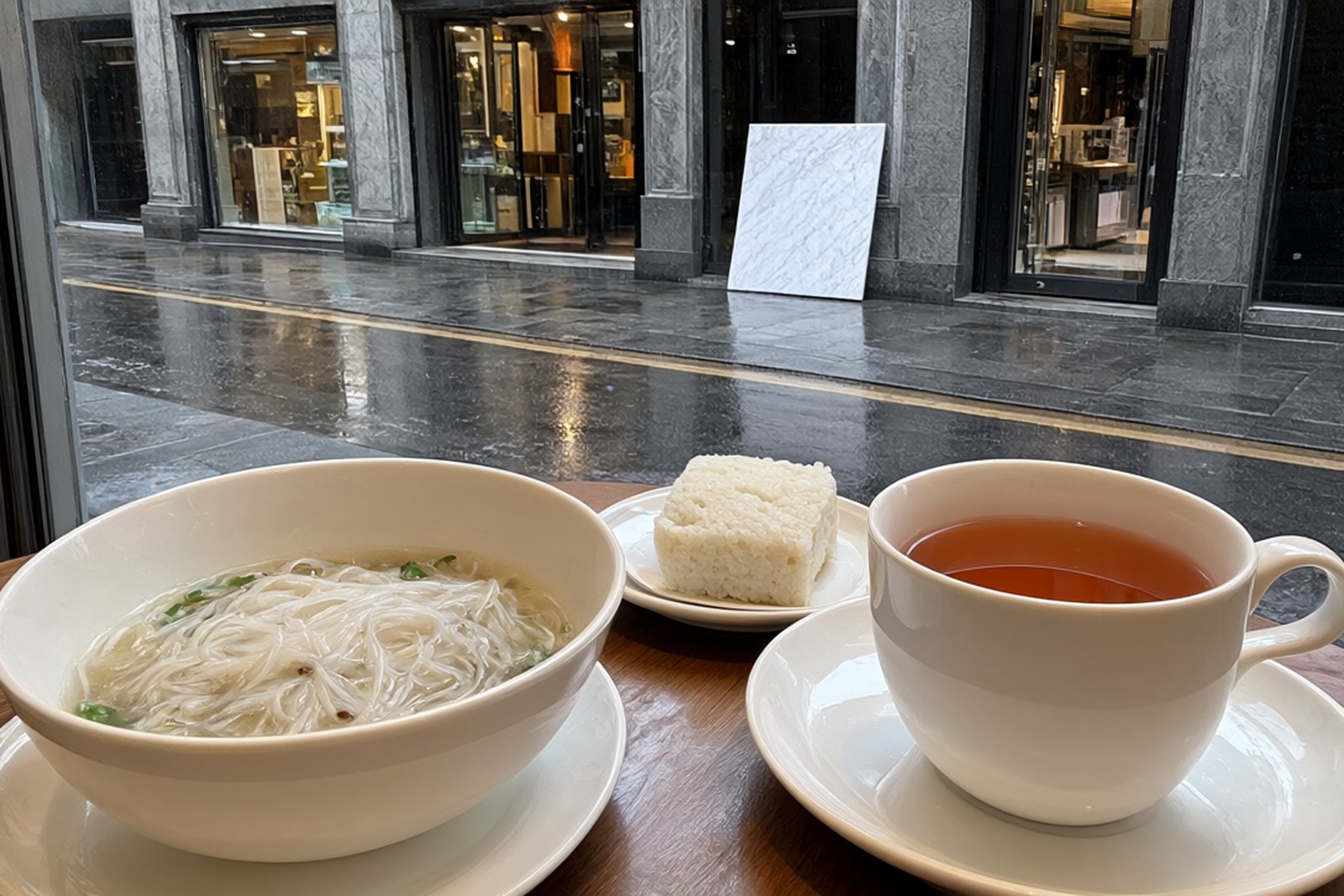
Where to stay: a room on the upper floor of a city hotel in 云城区 Yún chéng qū, in the block between 建设北路 and the 蟠龙天湖 lake front, where the restaurants, the shopping centre and the lake walk are all on foot and 蟠龙洞 is a short ride north. Take a lake-facing room rather than one over the ring road, walk the yards in daylight instead of listening to them at night, and use the city as the base for 新兴, 罗定 and 郁南, all of which are day trips rather than walks.
flowcloud would say that a city whose four-hundred-year-old trade is still running saws at midnight has decided that its address is its work rather than its river, and that the correct way to sleep in a place like that is with your back to the sheds and your morning pointed at the yards – because the stone came out of these hills before anybody thought to build a hotel on them, and it will still be going out when the hotel is gone.