
中山古镇 Zhōngshān Gǔzhèn, Zhongshan old town in southern 江津区 Jiāngjīn Qū, Jiangjin District, builds its lodging into its own shopfronts: the raised wooden stilt-houses – 吊脚楼 diàojiǎolóu – along the 笋溪河 Sǔnxī Hé Sunxi River keep guest rooms on their upper floors, with the veranda railings standing over the water and the old street’s flagstones running below the window. The river runs quick and green under the floorboards, waterfall-fed and cold enough that the rooms keep their cool without help, and the night sound is the water and the river stones moving. The inns are small, most of them under a dozen rooms, run by the same families that keep the downstairs teahouse or kitchen, and this page is written on the format, because the format – a room inside the old street itself – is what the town sells and nothing else.
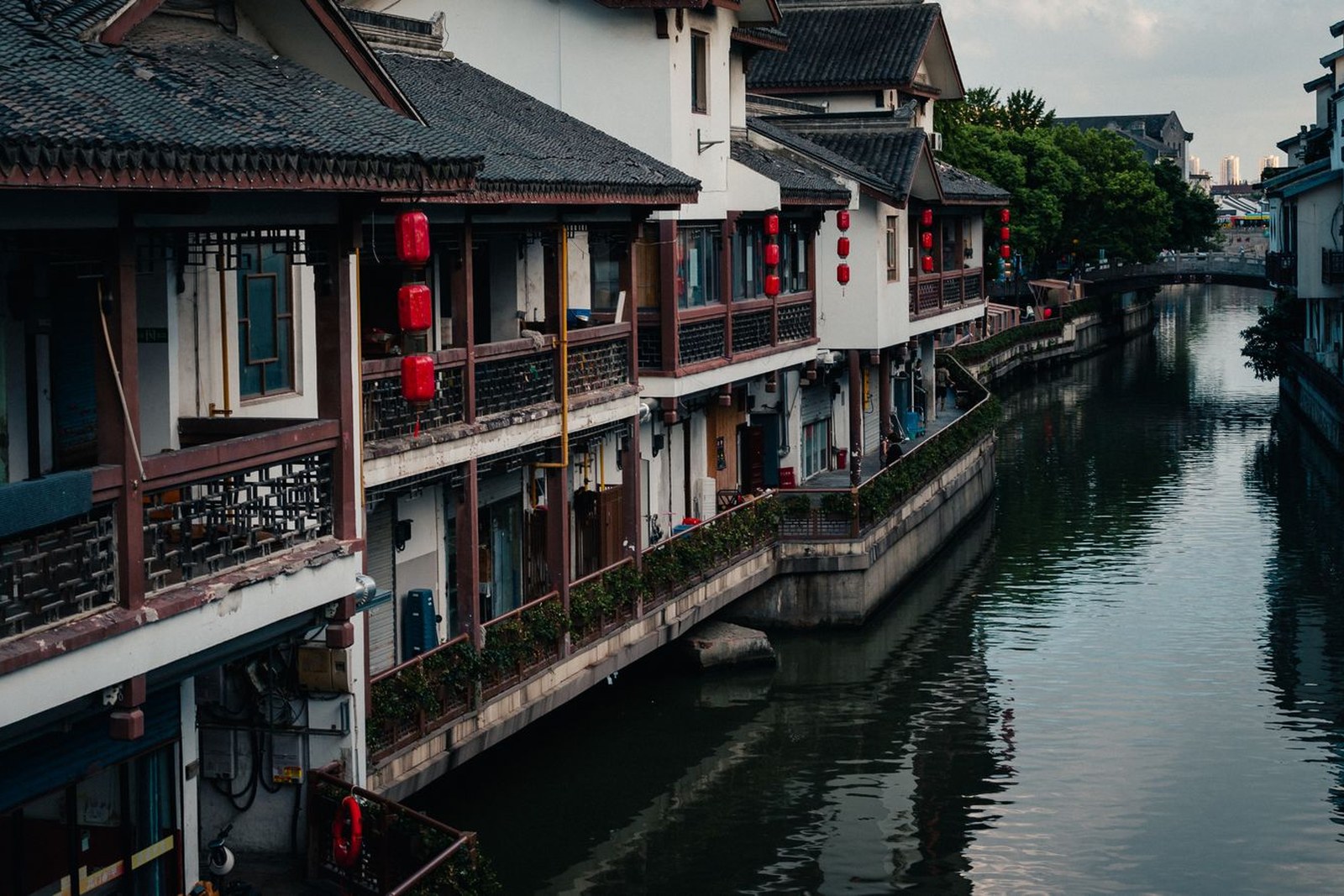
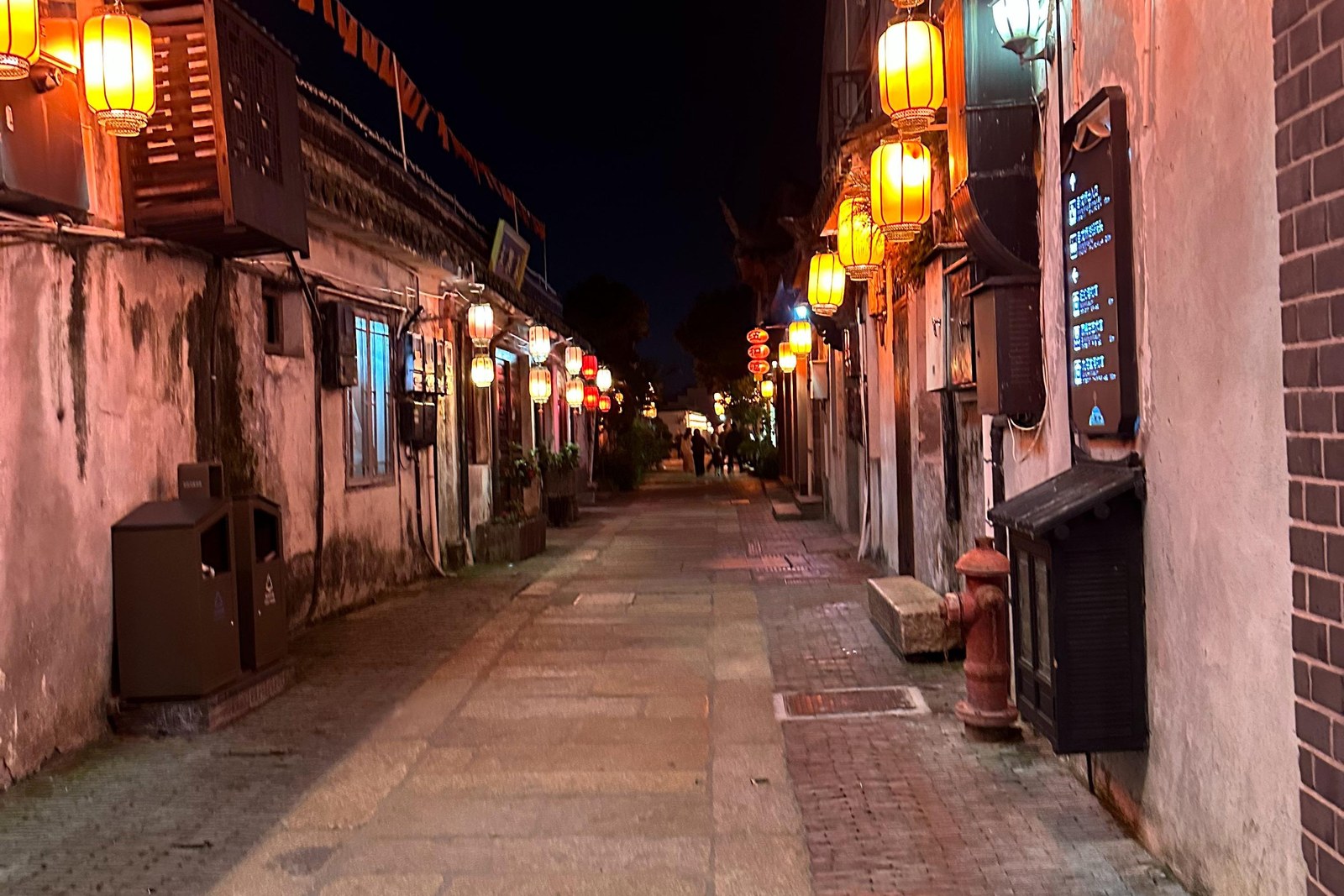
The format has rules, and the rules are the content. A stilt-house inn is a room inside a working street: the upper floor sleeps, the ground floor keeps the family’s teahouse or kitchen, and the veranda between is the room’s real luxury – a rail over running water, a chair, and the river’s cold air moving through all night. The construction is the old timber kind, which is why the rooms stay cool in summer and why the sound of the river arrives through the floor rather than past a window. The lane below trades all day – the ciba stone slabs, the tobacco baskets, the tea drinkers – and shuts with the light, after which the whole street’s audio track is the river.
The trade tells the same story. The beds fill with the Chongqing weekend couples and with the photographers who come for the morning mist standing on the water, and both trades book the same thing – a night inside the fabric rather than a night near it. Dinner is whatever the river and the household’s smokehouse supplied that week, eaten at the family table downstairs, and breakfast is the street’s. What the town sells through its inns is proportion: the whole street still runs at the height and width the salt porters knew, a kilometre and a half of Ming-Qing shopfronts on the river bank, and a room inside that fabric costs little more than a meal. The page quotes no rate because the format prices by season and by family and nothing posted survives on the record consulted.
What the record supports is the inns as a class – small, family-run, under a dozen rooms, upstairs over working shopfronts on the river bank – and the street’s proportions; what it does not support is any named house, any posted rate, or any ranking among the families, and none is invented here. A reader books the way the trade actually books: through the platforms where the inns are listed and through the families’ own phone and WeChat channels where they are not, choosing a room over the water rather than one set back from the rail.
The inns also close the district’s river-town argument. The old street is the district’s most atmospheric half-day, the love-ladder climb is the mountain above it, and the rooms over the water are what turn the pair into an easy overnight: dinner at the family table, the river under the floor all night, the mist photograph at dawn, and the ciba stall opening as the street wakes. It is lodging that has not been rebuilt for the trade it serves, which is precisely the scarcity being sold. All checked October 2026.
Words and Names
中山古镇 Zhōngshān Gǔzhèn, Zhongshan old town, on the 笋溪河 Sǔnxī Hé Sunxi River in southern 江津区 Jiāngjīn Qū, Jiangjin District: riverside lodging built into the town’s own 吊脚楼 diàojiǎolóu stilt-houses – guest rooms on the raised timber upper floors, veranda railings over the waterfall-fed river, family teahouses and kitchens below – with most inns keeping under a dozen rooms and pricing by season and family rather than by any posted tariff. No named house, posted rate or founding date is on the record consulted, and none is invented here.
What the Locals Know
The local knowledge is about which room and which hour. A room over the water is a different product from a room one row back – the rail, the river air and the night sound are the things being paid for – and the front-facing veranda rooms go first on the weekends the basin below is hot. The hour is the mist: the photographers book the dawn, the water stands with fog in the cold months before the sun clears the ridge, and the street’s own rhythm starts with the ciba slabs heating before the day crowds arrive from the city. What the record does not carry is any house ranking or posted rate, and the page declines both – the format and the proportion are the facts, and the phone call is the rest.
Practicalities
Price. No posted rate is on the record consulted and the page quotes none: the inns are family-run and price by season and room, and the trade’s own shape – a room over the water for little more than a meal in the quiet months – is the honest description. The platforms carry the listings that are listed; the families’ phone and WeChat channels carry the rest, and the mist-morning weekends move first.
Address. The inns run along the raised river-bank street of 中山古镇 Zhōngshān Gǔzhèn, Zhongshan old town, on the 笋溪河 Sǔnxī Hé Sunxi River in southern 江津区 Jiāngjīn Qū, Jiangjin District. No street numbers are on the record; the town is a single lane, and the booking resolves to a front-facing veranda room or not – which is the only address question that matters.
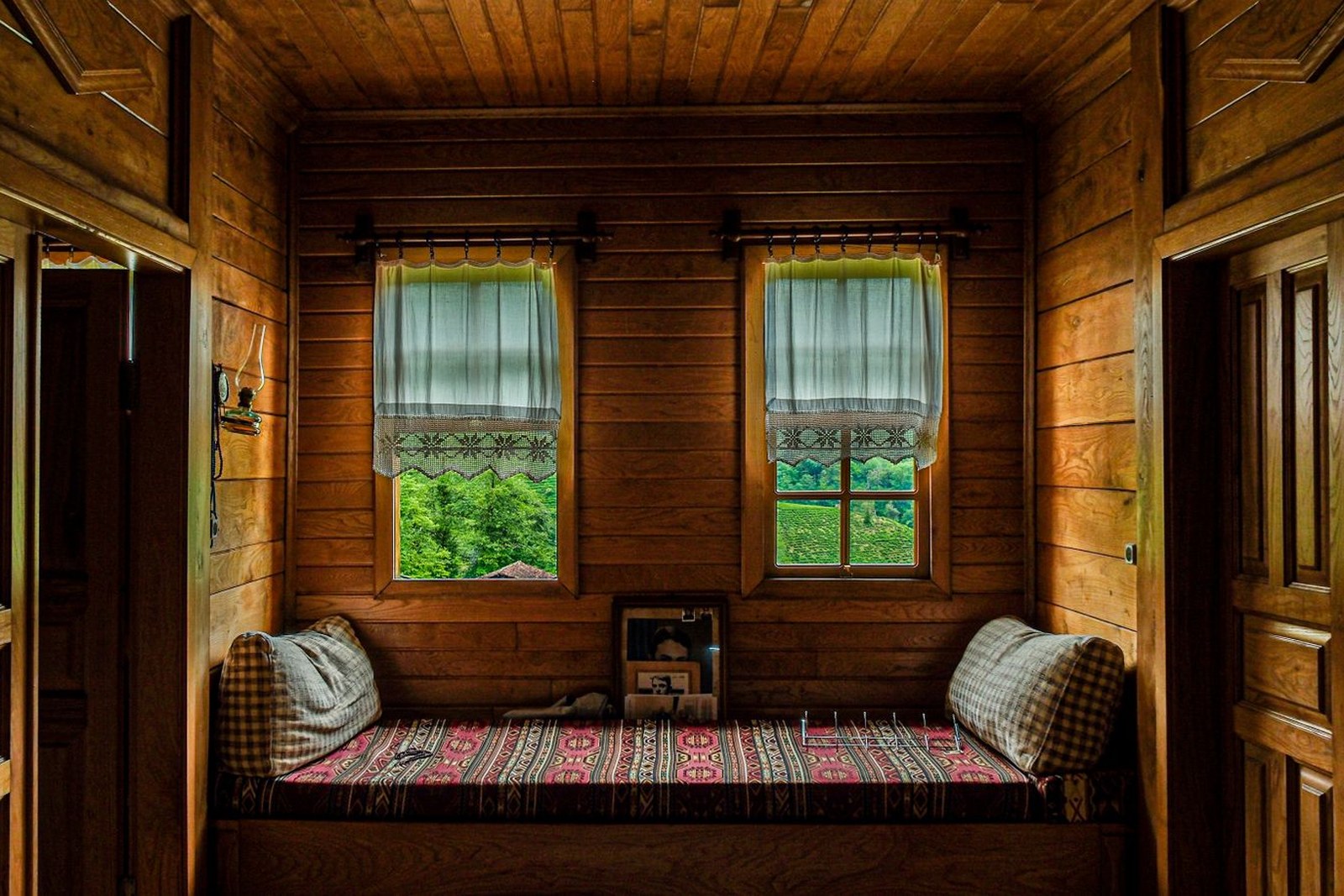
Rooms. Each inn keeps under a dozen rooms on the timber upper floors: a bed, a simple bath, and the veranda that is the real product. The walls are boards, the sound is the river, and the cool comes from the water below rather than a unit on the wall. Ask for the room with the rail over the river, not one set back from the frontage – the price difference is small and the difference in kind is the whole stay.
Getting there. The town sits inside the Chongqing weekend radius by self-drive, the route running through the district seat at 几江 Jǐjiāng onto the southern roads to the Sunxi valley, and coach services from the district seat reach the town in season. The last leg is on foot: the old street is the road, luggage goes up the lane by hand, and the inns’ owners meet the arrival – which is how a stilt-house town stays a stilt-house town.
flowcloud would say that Zhongshan old town’s lodging is its own fabric – family inns of under a dozen rooms on the upper floors of the riverside 吊脚楼 stilt-houses, the waterfall-fed 笋溪河 Sunxi River running under the floorboards and the veranda rail over the water – and that the correct way to book it in 江津区 Jiangjin District is a front-facing room through platform or family channel for the mist morning, because no named house or posted rate survives in the record consulted and none is invented. All checked October 2026.
Where to stay: the inns run along the raised river-bank street of 中山古镇 Zhōngshān Gǔzhèn, Zhongshan old town, southern 江津区 Jiāngjīn Qū, Jiangjin District, bookable on the platforms and through the families’ own phone and WeChat channels; named properties, posted rates and founding dates are not on the record consulted and none is invented here. Pair this page with the Zhongshan ancient-town page for the street under the windows and the stone-slab ciba page for the breakfast at the door.