
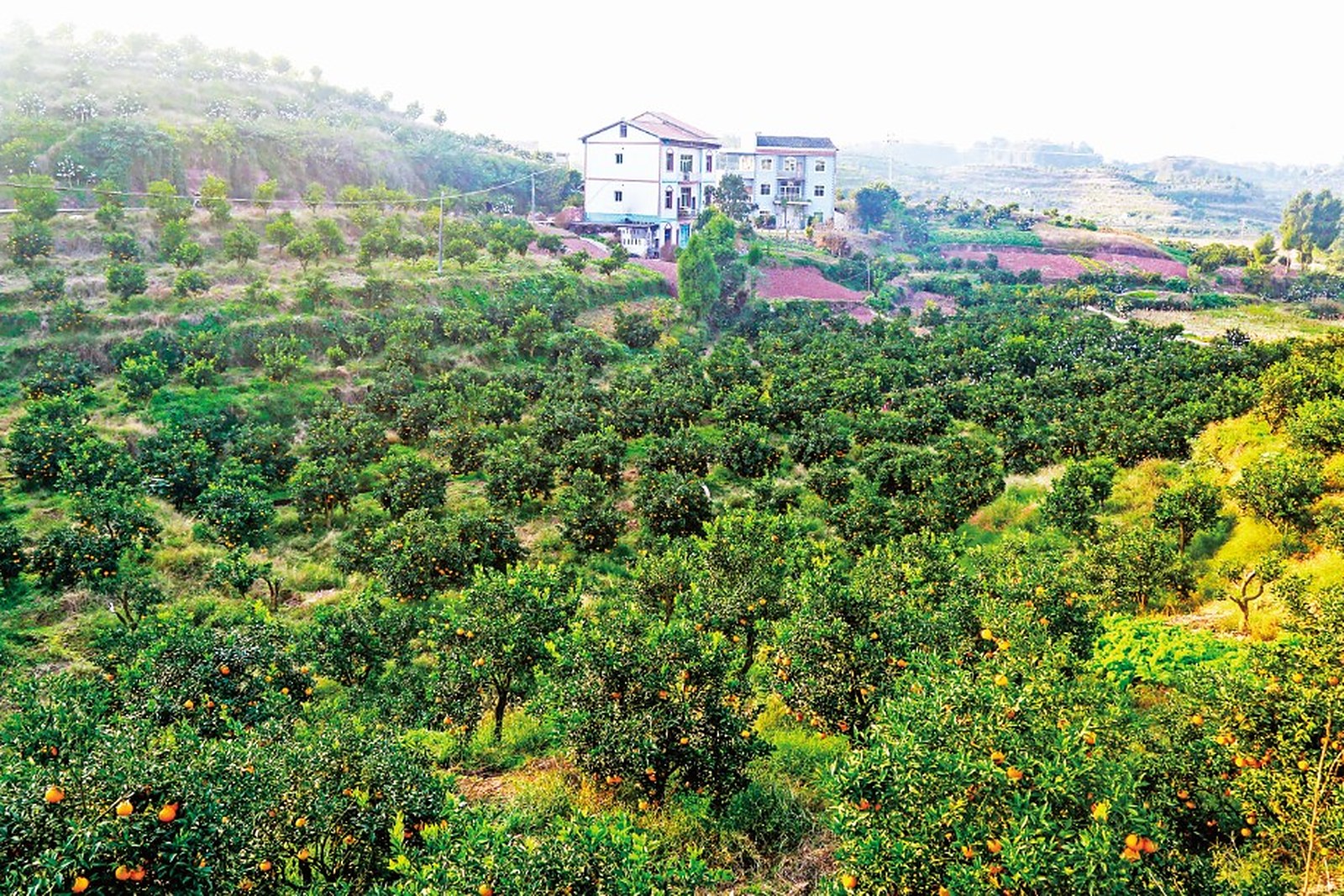
The Orange Sea (橘海) homestay sits wrapped inside its own orchard, a low whitewashed farmhouse where the tangerine trees grow right up to the porch. In spring the branches break into small white blossom and the whole hillside smells of it; by late autumn the same trees hang heavy with fruit you can pick on the way back from dinner. The “sea” in the name is no exaggeration on a clear day — from the upper terrace the groves roll downhill in waves of green toward the misted Yangtze far below, and the only straight lines in sight are the irrigation pipes running between the rows.
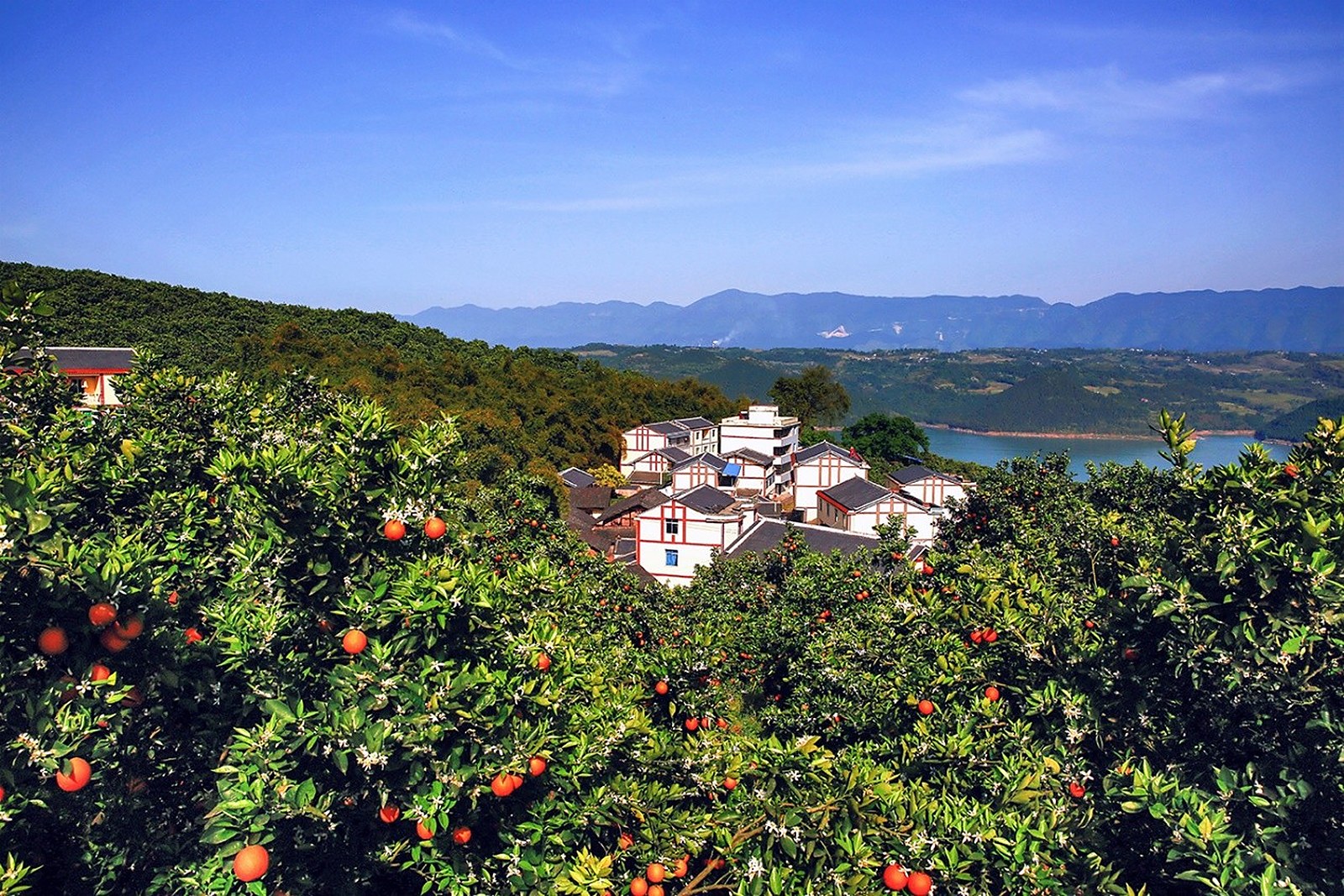
Mornings here are slow and scented. You wake to birdsong and the keeper’s wife already at the wood stove (灶台), steaming corn bread and frying eggs in lard, the kind of breakfast a city hotel never quite manages. She will point you at whatever is ripe — spring brings the blossom walk, autumn the picking baskets — and the children of the house trail after guests offering the smallest, sweetest fruit straight off the branch. By nine the mist has burned off the river and the orchard glows, and you find a bench in the shade and do very little, which is the point of the place.
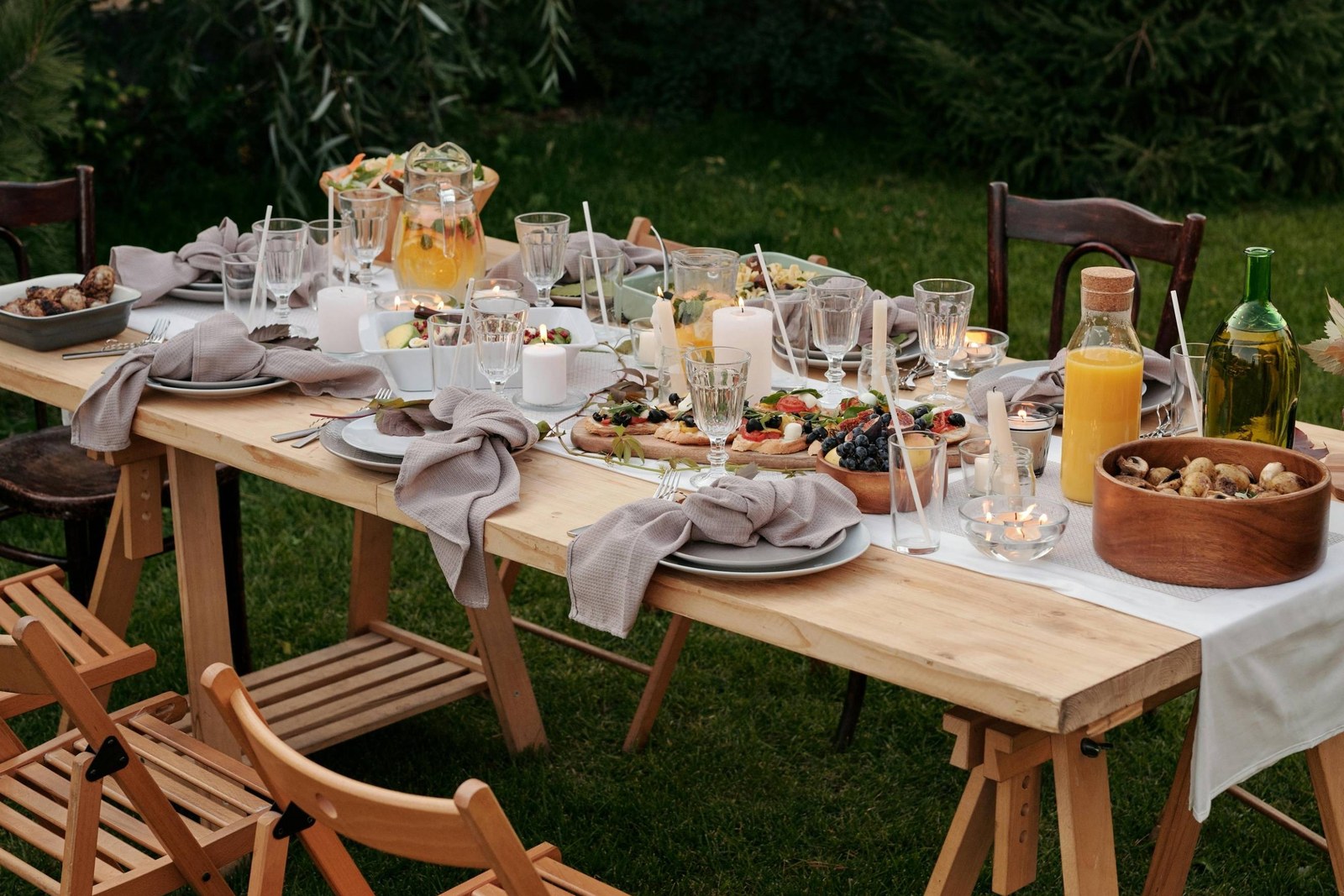
Evenings are for the long table. The family cooks what the land gives — free-range chicken in tangerine-leaf broth, stir-fried greens from the garden, the year’s first oranges sliced for afters — and everyone eats together under a string of bare bulbs while the dogs doze at the threshold. Rooms are plain but spotless, with cotton quilts and the smell of orangewood in the rafters; a night typically costs 180 to 300 yuan including the two home-cooked meals. When the wind gets up in the groves after dark, it sounds like quiet rain on the roof, and the frogs down by the irrigation ditch take up a steady chorus.
What stays with you is the scale of it. A single homestay holds maybe six rooms, and the family treats the few guests as extra relatives rather than customers, pressing oranges into your hands as you leave and waving from the porch until the lane turns. It is not luxury and the Wi-Fi is patchy, but for a night or two inside the orchards it is the most honest version of Zhongxian you can sleep in — close enough to the trees that the blossom or the fruit is the last thing you smell before you fall asleep.
Words and Names
橘海 Júhǎi — Orange Sea, the tangerine-orchard scenic area 灶台 zàotái — the wood-fired farmhouse stove 橘 jú — tangerine or orange 农家 nóngjiā — a farmhouse family 灶台饭 zàotáifàn — meals cooked on the wood stove