
The Poet’s City: Ai Qing and the Hall That Keeps His Shihezi Years
年轻的城灯火明,诗人在此种诗行 Niánqīng de chéng dēnghuǒ míng, shīrén zài cǐ zhòng shīháng – Lights burn bright in the youngest of cities, where the poet planted lines the way others planted trees
正文:艾青诗歌馆 Ài Qīng Shīgēguǎn the Ai Qing Poetry Hall keeps the debt a famous exile owed this city on open display. Ai Qing – the modern master whose “Young City” fixed Shihezi in the national imagination – spent his Xinjiang years here, watching a desert grid fill with poplars and people, and the hall beside the university green collects what that decade left: manuscripts, first editions, and the photographs of a poet learning to love a construction town.
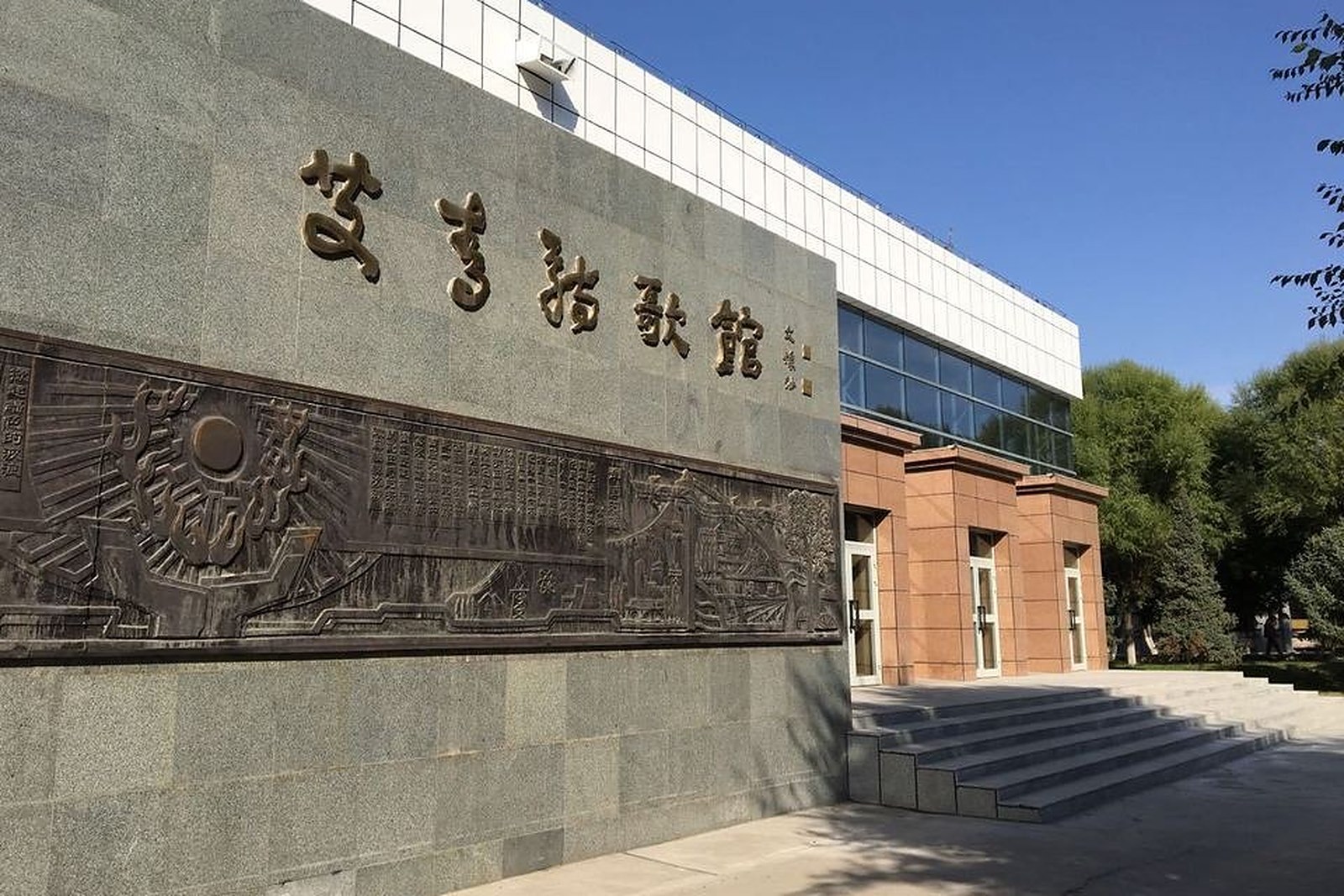
The collection is intimate rather than grand. Drafts in the poet’s cramped hand sit beside the notebooks of students he corrected at the Corps cultural magazine; the reading glasses and the radio from his dormitory are in a case by the window; and wall panels carry his Shihezi lines in both Chinese and English, including the famous couplet about poplars standing “like soldiers on relief.” Travelers who read Chinese will find the originals sharper than any translation; those who don’t will still recognize the poplars outside the window, standing exactly where the lines said they would.
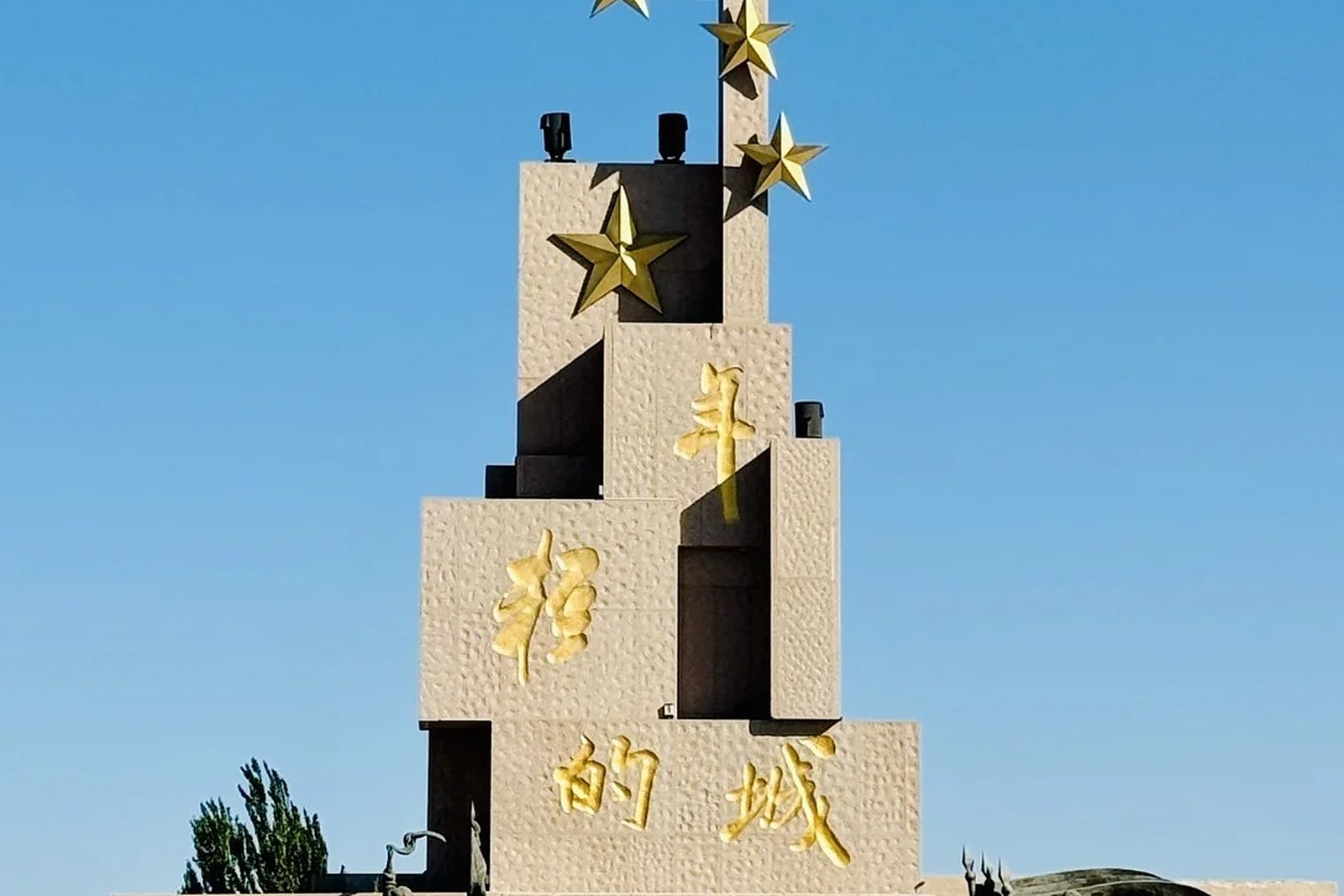
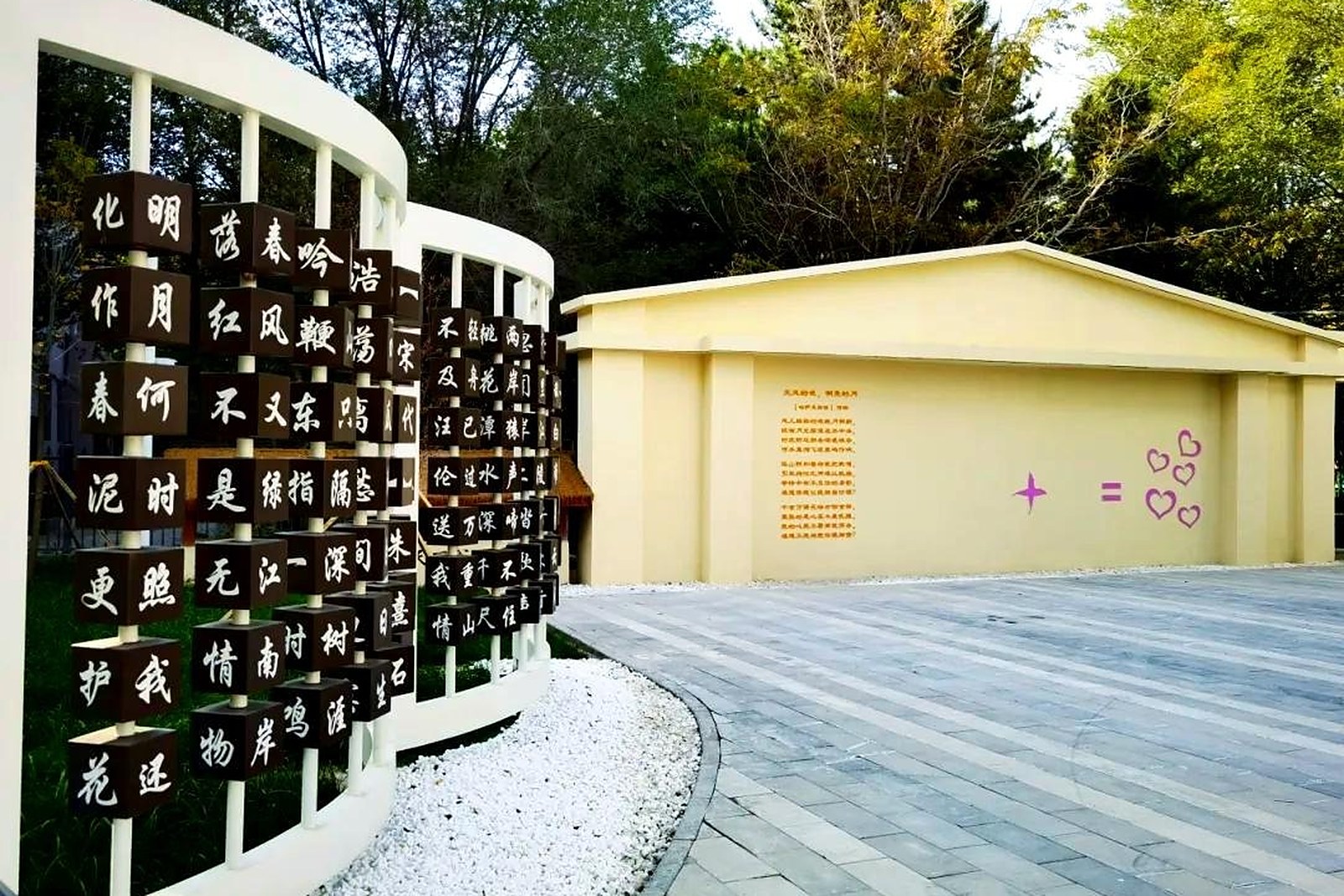
Outside, the campus walks still follow the poet’s routes: the lakeside path he named in his diary, the elm rows he described in letters to friends in Shanghai, and a sculpture garden whose centerpiece quotes the “young city” line in steel letters a meter tall. On weekends the courtyard fills with school groups reciting – an odd, touching sight in a city built by soldiers’ grandchildren, and proof of how deep the poet’s roots still run here.
The hall sits conveniently between the university quarter and the downtown squares, so a traveler can chain it with the Zhou Enlai memorial and the First Plow statue in a single green-belt morning. Allow an hour inside, take the guestbook seriously – visiting poets from across Xinjiang sign it – and buy the bilingual Shihezi poems in the bookshop: they are the best single souvenir this literary city offers.
Practicalities
Beyond the hall, the same 石河子市 Shíhézǐ Shì Shihezi City keeps more places worth the detour: 兵团军垦博物馆 Bīngtuán Jūnkěn Bówùguǎn the reclamation museum for the founding story, 周总理纪念碑 Zhōu Zǒnglǐ Jìniànbēi the memorial for the 1965 visit, 军垦第一犁广场 Jūnkěn Dì-yī Lí Guǎngchǎng the First Plow square for the evening dancing, or 蘑菇湖水库 Mógū Hú Shuǐkù the Mushroom Lake reservoir for the bird country – four more doors into the same 石河子市 Shíhézǐ Shì Shihezi City. Once the poems are read, our Shihezi food map fills the day.
Practicalities
Words and Names
flowcloud would say the poetry hall is the city’s second monument: not the canals this time but the sentences, a exile’s decade kept in manuscripts and light, and poplars that still stand the way a poem promised. All checked November 2026.
Getting there: The hall lies by the university-side green belt a short taxi ride from downtown; it keeps regular daytime hours with a midday break, and the surrounding poplar campus is worth a slow loop on foot. All checked November 2026.