
The road is a pavement of stone flags about two metres wide, and it was built for mules. The 安化茶马古道 Ānhuà chámǎ gǔdào, the Anhua tea horse trail, is the surviving stretch of the route that carried 安化黑茶 Ānhuà hēichá, Anhua dark tea, out of the mountains of western Hunan toward the north and the far west, and the section that is walked today runs through forest in 安化县 Ānhuà Xiàn with the flags still laid and the rest stops still standing. The tea was pressed into bricks and into the great log-shaped 千两茶 qiānliǎng chá, and it went out on mules in loads, over passes, for hundreds of years, and the trail is the physical trace of that trade.
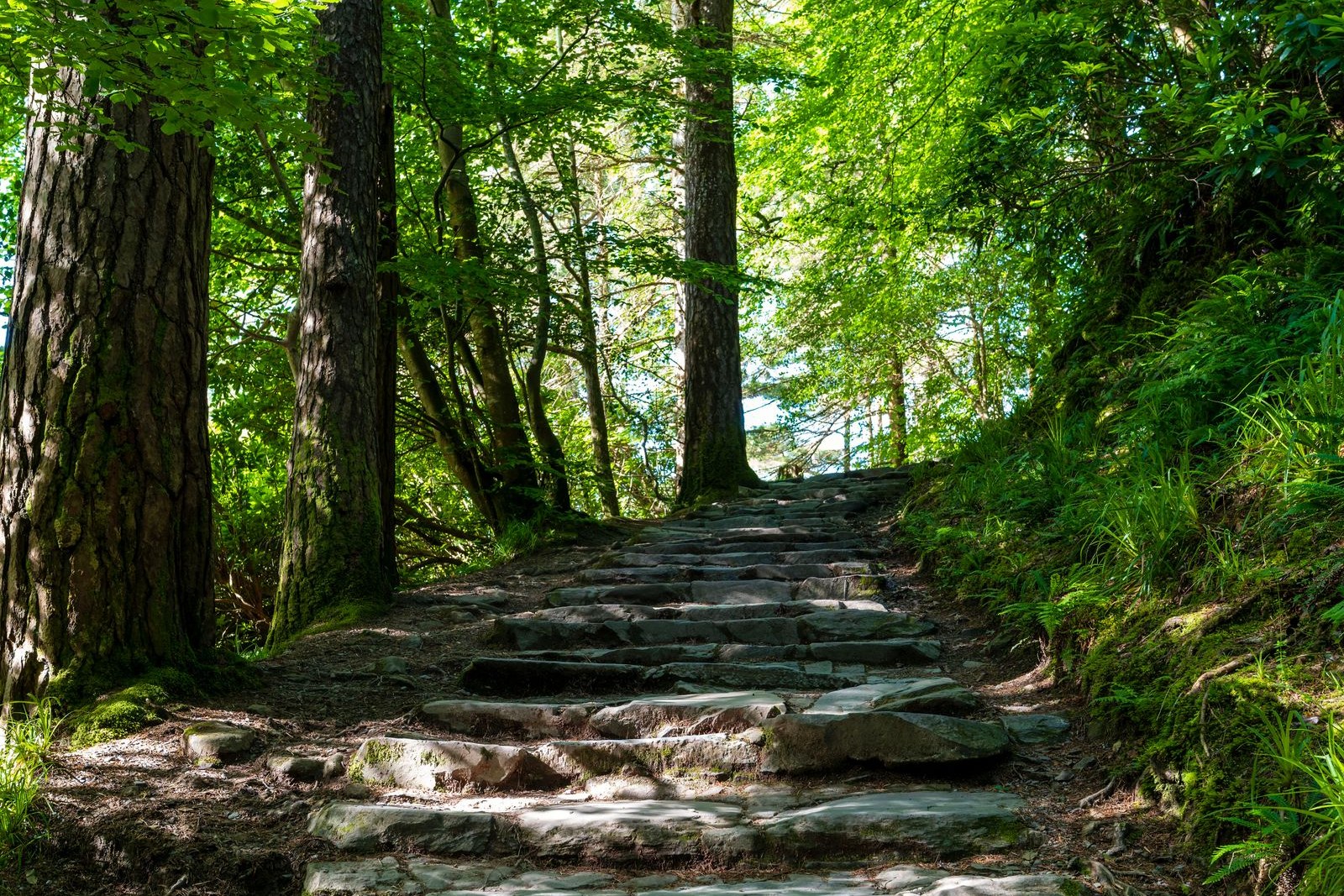
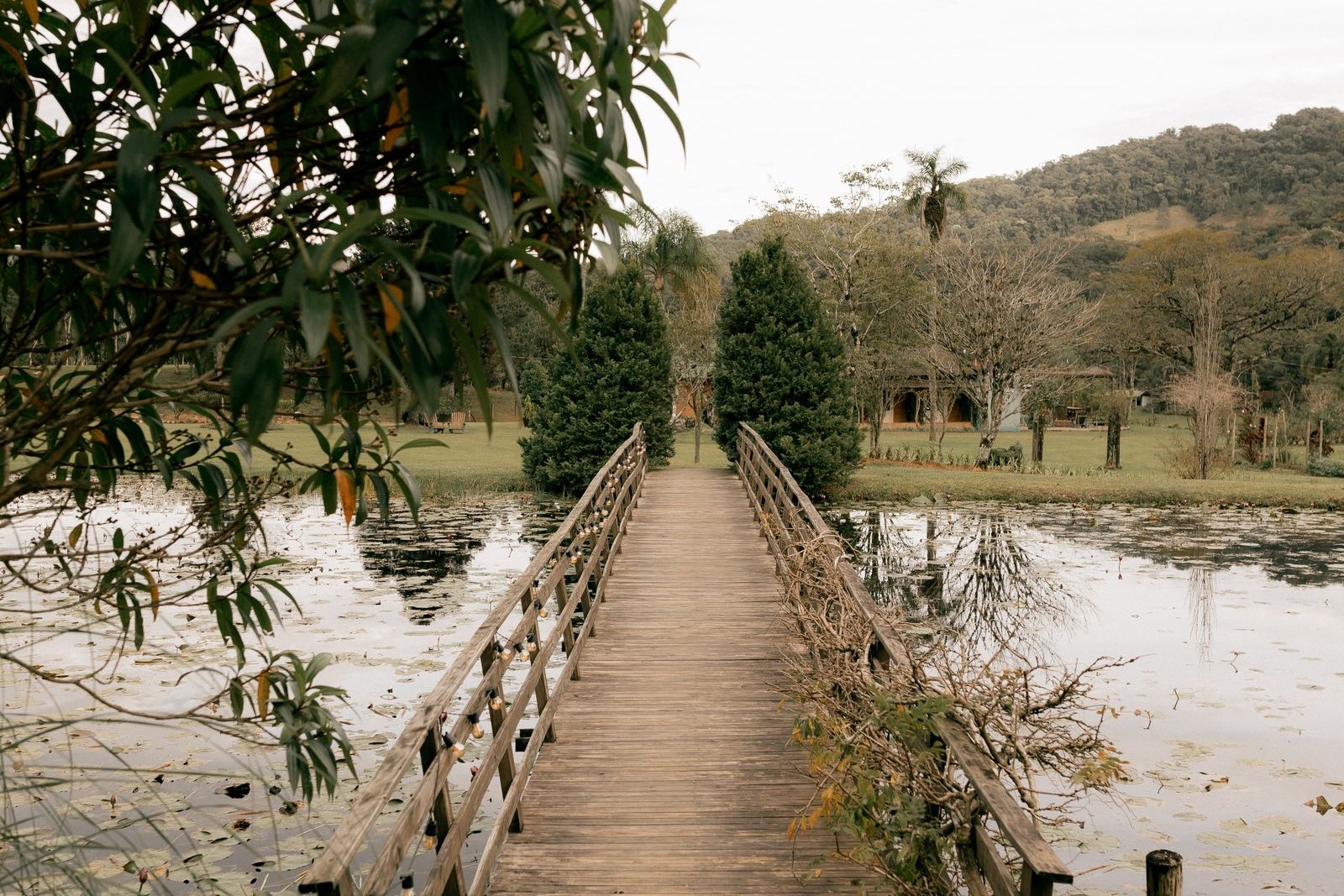
What makes it more than a path is what is beside it. The route retains 茶亭 chátíng, the tea pavilions where porters and travellers were given water and shelter, and some of them still stand: simple open-sided structures of timber and tile, with a bench on each side, built by donation and maintained by the villages that used them. There are 风雨桥 fēngyǔ qiáo, covered bridges, on the stream crossings, of which 永锡桥 Yǒngxī Qiáo is the best known — a long timber bridge with a tiled roof and a gallery, built in the nineteenth century and still in use for foot traffic. And there are the stones themselves, which have been worn into hollows at the pitches and steps by several centuries of hooves and feet; on a wet morning it is not difficult to see what the road was for.
What to Walk
The walked section is mostly between 洞市 Dòngshì and the villages up the valley, and it runs a few kilometres through woodland with a couple of climbs, taking two to four hours at an unhurried pace. The 永锡桥 Yǒngxī Qiáo is at one end of the best stretch and 洞市老街 Dòngshì Lǎojiē, the old street of the market town, at the other, and the combination — a restored market street, a covered bridge, a stone road, tea pavilions and a tea factory — is what most visitors come for. The 白沙溪茶厂 Báishāxī cháchǎng, the Baishaxi tea works, is the other classic stop in the county and one of the oldest dark-tea factories in China, with brick tea stacked to the roof.
Practicalities
Tickets. The trail itself is generally free to walk, and the covered bridge and the old street cost nothing. Some sections and nearby attractions — a tea museum, a factory tour, a reconstructed trading post — charge separately or as part of a package. Prices are set locally; confirm at the village.
Opening hours. Daylight, effectively 08:00 to 17:00, and the trail has no gate. The factory and museum keep business hours and close for lunch. The old street is a street and is walkable at any hour, though its shops shut in the evening.
Closing day. There is no closing day for the trail, the bridge or the street. The tea factory tour may be unavailable on public holidays and during the busiest processing periods, so call ahead if that is the point of the trip.
Getting there. 安化 Ānhuà is in the far west of Hunan, a mountainous county that takes two to three hours by road from 益阳市 Yìyáng Shì and three to four from 长沙 Chángshā. 安化站 Ānhuà Zhàn on the railway and the county’s bus stations connect to the towns, and the trail section near 洞市 Dòngshì is a taxi ride beyond that. Public transport between the villages is thin; a car is a genuine advantage.
flowcloud would say that the tea trail is a monument to a trade rather than to a person, since no emperor built it and no general crossed it, and the only thing it ever carried in quantity was a brick of fermented leaves that somebody four thousand kilometres away wanted to drink.
Getting there: start at 洞市老街 Dòngshì Lǎojiē, walk out over 永锡桥 Yǒngxī Qiáo and up the flagged road for as long as the light allows, and look for the wear in the stones at the pitches. Take a detour to a tea factory to see 千两茶 being pressed, buy brick tea rather than loose leaf if you want what the trail actually carried, and wear shoes with grip, because the flags are polished and wet for most of the year.