
The easiest thing in this district to walk into is on the sixth floor of the culture and arts centre in 龙洲湾 Lóngzhōuwān, Longzhouwan, and the most useful thing about it is not its collection but its map: one main museum and four branch venues, three of which stand inside the war villages at 南泉 Nánquán, Nanquan. 巴南博物馆, the Banan Museum, is at 18 Gongyuan North Road, sixth floor of the Banan Culture and Arts Centre, open 09:00 to 17:00 with last entry at 16:30, closed on Mondays, free, telephone 023-62330215. Its permanent show is 巴之根本——巴南历史文化陈列, Roots of Ba: the History and Culture of Banan, in three parts, ancient Banan, modern Banan and Banan’s intangible heritage. It holds a little over 12,000 objects, 210 of them graded as precious. The branches are the reason the museum matters more than its floor does, and the arrangement is worth understanding before you travel rather than on arrival.
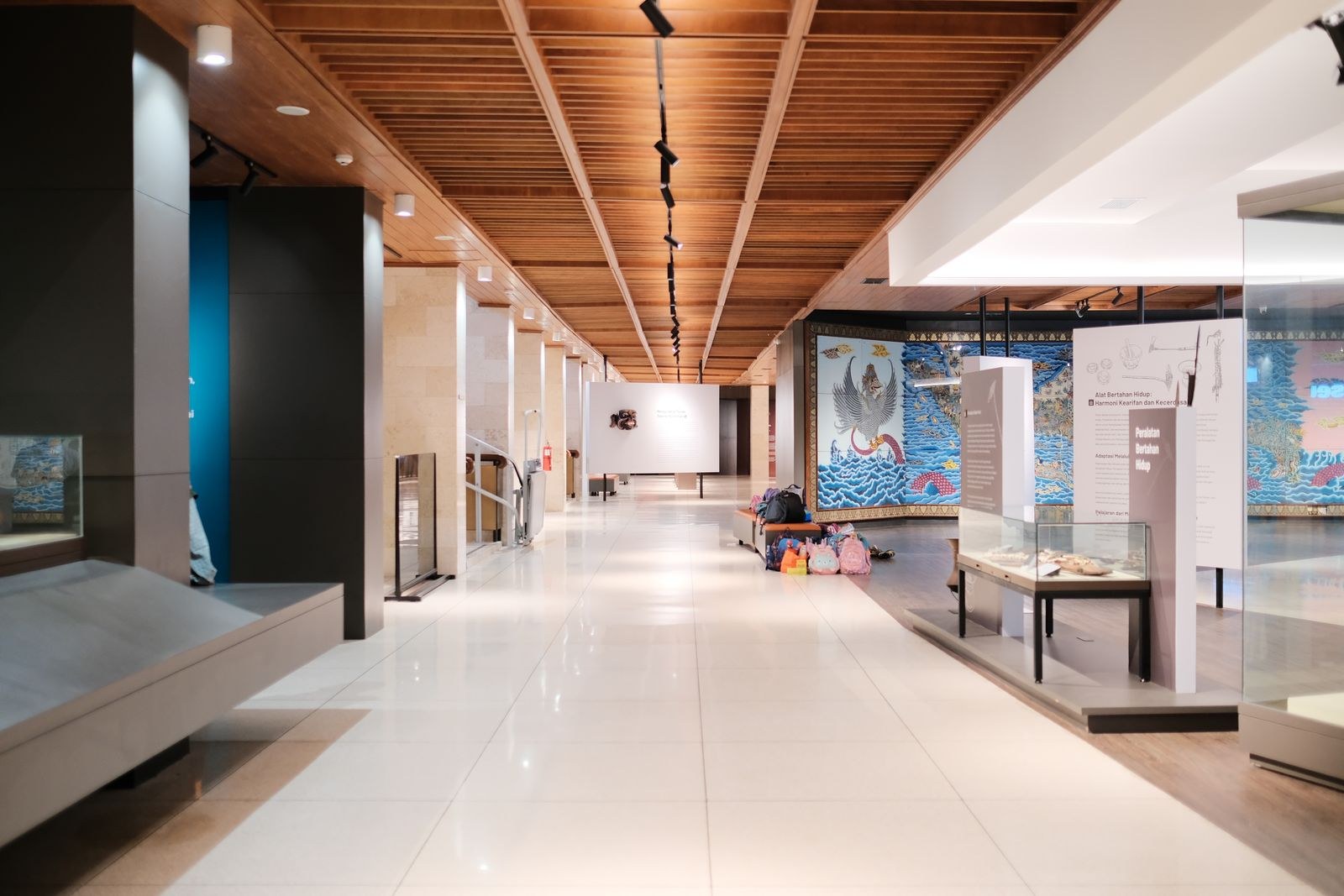
The 210 graded objects sit inside a museum entered in the national authority’s directory of museums, which is the formal way of saying the collection has been catalogued rather than accumulated. The intangible-heritage section is the one that surprises visitors, because this is a rural district of nine subdistricts and fourteen towns and the list is long: two items at national level, both approved in the first batch on 5 May 2006, which are 木洞山歌, the Mudong Mountain Songs, and 接龙吹打, the Jielong Blow-and-Drum Music; eleven at municipal level, fifty-six at district level, and eighty-one bearer-holders in all. The mountain songs carry a lineage traced from ancient Ba-Yu song and dance through the Warring States 下里巴人 and the Han 巴子讴歌 to the Tang 竹枝, and their bearers performed in Seattle, Minneapolis and New York in 2018 and in Japan and Hungary. The blow-and-drum music of Jielong is the other half, and it is organised rather than improvised: three large forms, seven named varieties among them Yaxi, Xiahe, Qingshan, Kunci and Jiaoyi modes, close to a thousand pieces of repertoire, and a settling date given as either the Yuan and Ming or the late Ming, both current.
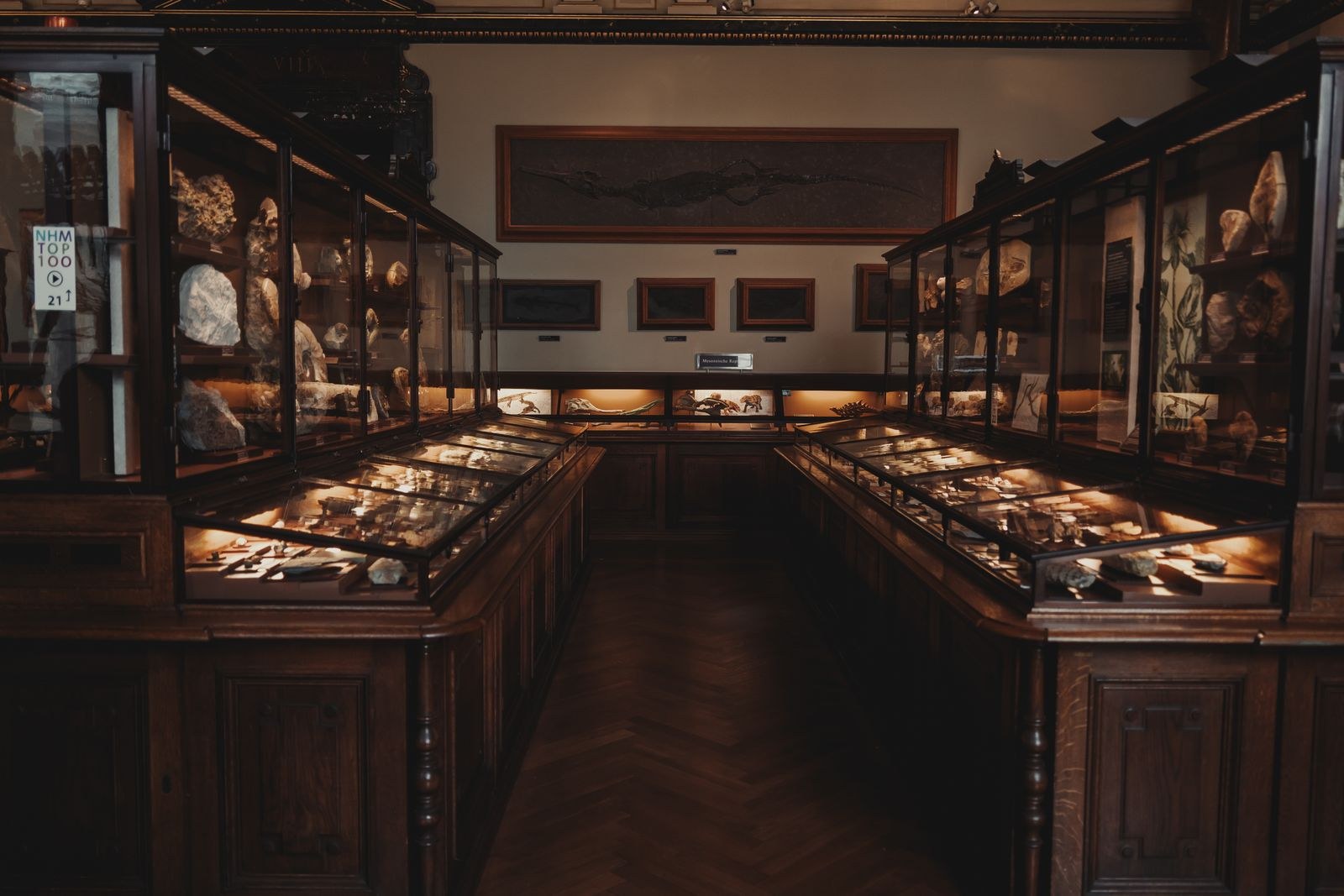
The four branch venues are Tingquan Tower, Kongyuan, the former research department of the Central Political School, and the Yang Cangbai residence, and what they do is solve a problem their own buildings cannot solve. Three of the four stand at Nanquan, inside the district’s national key wartime site group, and those relic buildings admit nobody: no source publishes opening hours or a ticket for any of the five components, which is the most awkward fact about visiting them and the reason a museum branch matters. The fourth is different in kind, a domestic house rather than a wartime one. So the branches turn a sixth-floor civic museum into the interpretive key to a set of closed national monuments. The one thing not to build an itinerary around is that only the main hall has published hours and a published statement of free entry: for the branches no source states whether they keep the same days and hours, or whether entry is free at all.
The main hall itself is a short walk from the district government seat, which moved here from Yudong in 2009, and the other anchor on this part of the map is the Chongqing Hanhai Ocean Park at 133 Jialong Road, a national AAAA site rated in 2020 that charges 150 yuan and keeps 09:00 to 17:00 hours.
Practicalities
Tickets. The main hall is free, and it is the only one of the five venues for which any source states a charge at all, which is why this paragraph has one number rather than five. The permanent show is included in that, as is entry to the building on Gongyuan North Road. Nothing in the sources prices a branch venue, so treat the branches as free-or-unknown, and note the contrast with the ocean park across the road at 150 yuan. Carry the telephone number instead of a price: 023-62330215 is the fastest way to settle a branch question before driving out to Nanquan.
Opening hours. 09:00 to 17:00, with last entry at 16:30, and the museum closed on Mondays. The forty-five-minute gap between last entry and close is the figure to plan against, because it is the difference between a museum that shuts at five and one that lets you in at half past four. The branches keep no published hours, so treat a branch as something to ask about when you telephone and the main hall as the reliable one. Come Tuesday through Sunday; on a Monday you want the district’s outdoor sites instead.
Closing day. Mondays, for the main hall, which is the only closing day any source in this batch states for anything in Banan. The four branches have no published weekly rest, and saying that plainly is more useful than inventing a schedule: a Monday is not a wasted day for the war sites themselves, which are never open on any day, only a wasted day for the exhibitions on the sixth floor. If you need a fallback, the Hanhai Ocean Park keeps 09:00 to 17:00 a short walk away.
Getting there. The museum’s published address is the one to work from: 18 Gongyuan North Road, sixth floor, in Longzhouwan, the district government seat since 2009. The sources give an address and a telephone number rather than a rail station, so the last stretch is a taxi ride or a walk, and the ocean park at 133 Jialong Road is the landmark to hand a driver. From the north of the city, Longzhouwan is the closer side of the Yangtze crossing than Yudong (checked October 2026, subject to change).
flowcloud would say that the useful thing about the Banan Museum is not the 210 graded objects but the four branches, because three of them hold the interpretation of national monuments that admit nobody at all – which turns a free museum on the sixth floor of a civic centre into the only way of actually seeing the district’s best-known wartime sites.
Getting there: 巴南博物馆, the Banan Museum, is at 公园北路 18 号巴南文化艺术中心 6 楼, 18 Gongyuan North Road, sixth floor of the Banan Culture and Arts Centre, in 龙洲湾街道 Lóngzhōuwān Jiēdào, Longzhouwan, the district government seat since 2009, in 巴南区 Bā’nán Qū, Banan District, Chongqing – open 09:00 to 17:00 with last entry 16:30, closed Mondays, free, telephone 023-62330215, holding over 12,000 objects of which 210 are graded as precious, with a permanent show in three parts, ancient Banan, modern Banan and Banan’s intangible heritage. It runs one centre and four branches, at Tingquan Tower, Kongyuan, the former research department of the Central Political School and the Yang Cangbai residence; only the main hall has published hours (checked October 2026, subject to change).