
白居寺长江大桥 Báijūsì Chángjiāng Dàqiáo, the Baijusi Yangtze Bridge, opened at zero hour on 24 January 2022, linking 大渡口区 Dàdùkǒu Qū Dadukou District to 巴南区 Bānán Qū Ba’nan District. Its main bridge is 1,384 metres long with a 660-metre main span – the world’s longest-span rail-and-road steel-truss cable-stayed bridge – and its two 236-metre towers are water-drop shaped, the tallest in central Chongqing. The upper deck is an eight-lane expressway, the lower deck reserves a channel for Line 18, and the whole project runs about 3.7 kilometres. There is no toll and no viewing deck; the bridge is crossed, not visited.
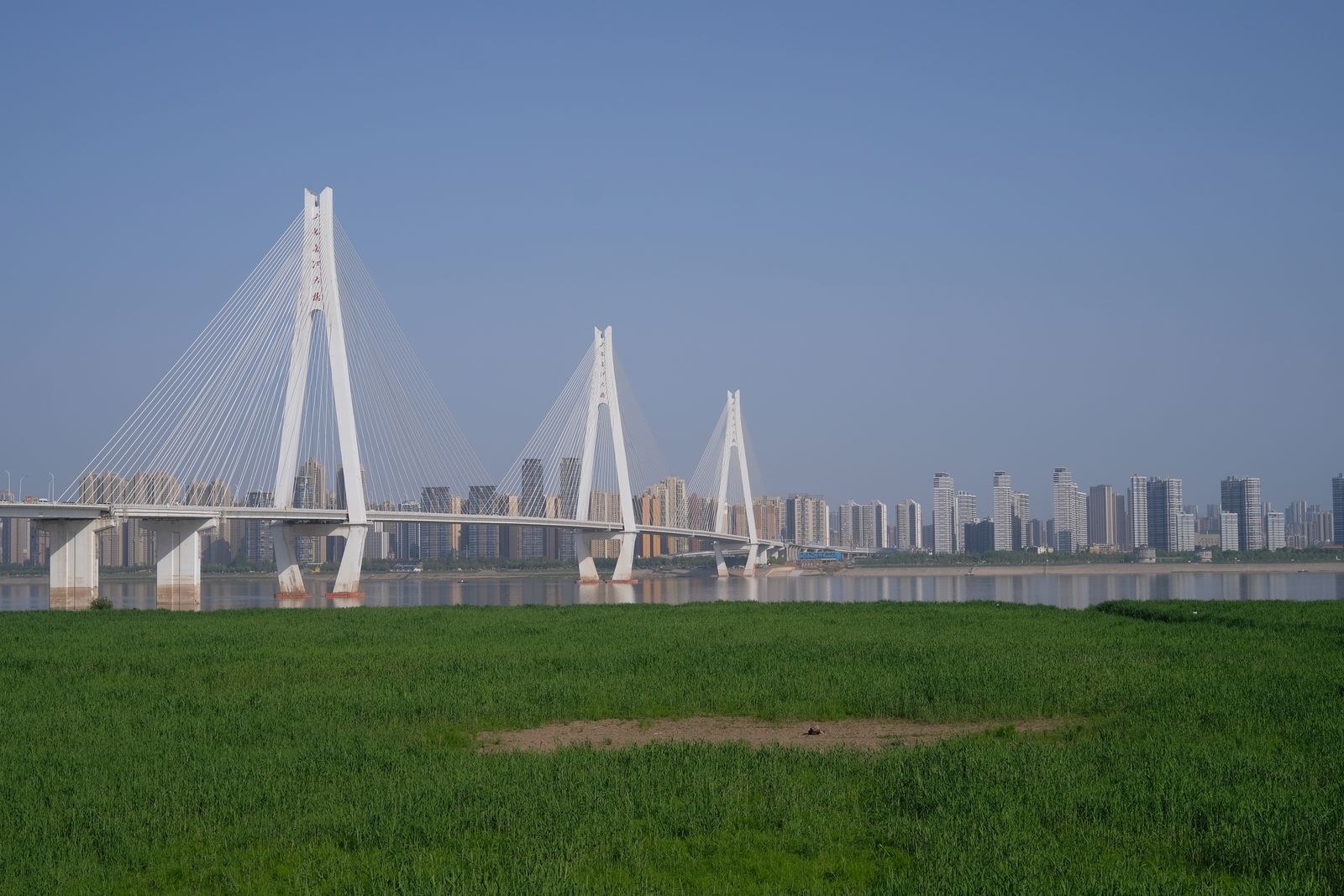
What makes the bridge the record-holder is the main span, and the figure is the point. The 660-metre main span of a rail-and-road steel-truss cable-stayed bridge is the longest of its kind in the world, and the 1,384-metre main bridge is the span people mean when they say the bridge, while the whole project of about 3.7 kilometres includes the approaches on both banks. The two towers are 236 metres high – about 84 storeys, the tallest bridge towers in central Chongqing – and each is a spatial multi-curved water-drop form built in 55 segments, which is the image the bridge is known for rather than any single ornament. The steel truss carries 93 panel points, about 1.1 million high-strength bolts and a total steel weight of around 44,300 tonnes, figures the district publishes as the bridge’s bones rather than as its story.
The decks are the part a driver and a passenger both use, and they are stacked rather than side by side. The upper deck is a two-way eight-lane urban expressway 38 metres wide, and the lower deck reserves a 19.2-metre channel for 重庆轨道交通18号线 Chóngqìng Guǐdào Jiāotōng 18 Hào Chongqing Rail Transit Line 18, so the same structure carries cars above and a metro below, which is the “rail-and-road” in the record. The bridge opened at zero hour on 24 January 2022, linking Dadukou to Ba’nan and taking the longest-span title at once, and the absence of a toll is the district’s choice rather than a gap: a crossing is free to use and is not a scenic ticket, which is the distinction this page is written to hold.
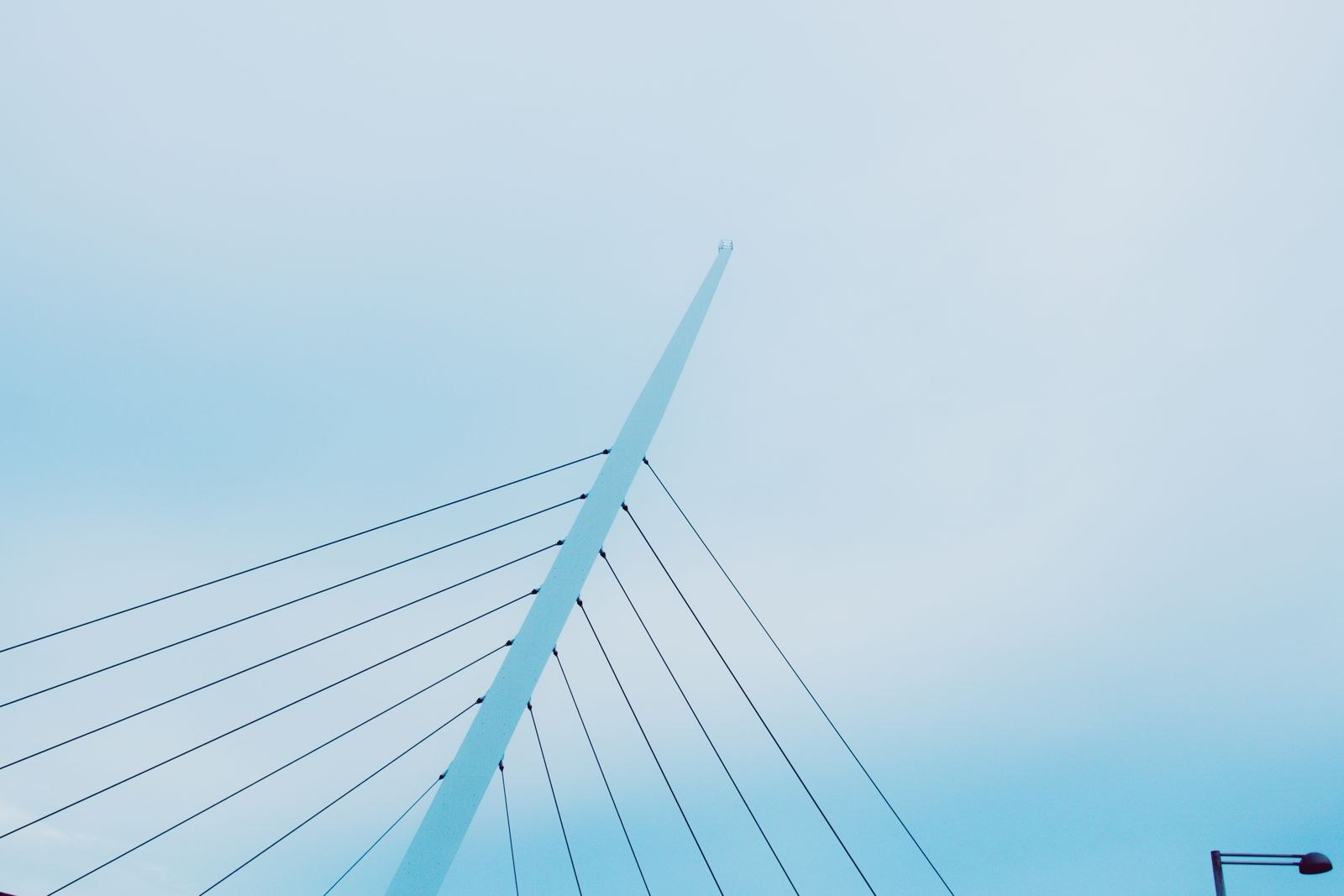
The crossing is the experience, and there is no deck to stand on. The bridge has no viewing platform and no toll booth, so the only way to meet it is to cross it – by car on the upper deck or by Line 18 beneath it – which is why the article is written as a passage rather than a place. The useful comparison in the district is with the ancient town and the museum, both of which you walk into; the Baijusi Bridge you drive through, and the water-drop towers are the thing you see from the car rather than the thing you climb. The 1995 land transfer is not part of this bridge’s story – it spans the Yangtze between Dadukou and Ba’nan on ground both districts already held – but the bridge is the reason the western rural pieces are reachable, because it carries the line that serves Tiaodeng.
What the record does not give is a stop, and that absence is the bridge’s nature rather than a gap. No viewing deck, no toll, no address beyond the two banks, so the practical answer is to cross it on the way to something else rather than to make it the destination. The honest form of the article is therefore a crossing page: the span, the towers, the stacked decks and the zero-hour opening, with the river as the only scenery worth naming.
Practicalities
Tickets: None, and that is the bridge’s nature rather than a gap: the Baijusi Yangtze Bridge carries a free upper expressway and a metro lower deck, with no toll and no viewing deck, so there is no ticket to buy and no gate to enter. The useful caveat is that the bridge is crossed, not visited – you meet it from a car on the eight-lane upper deck or from Line 18 beneath it, and the water-drop towers are seen from the crossing rather than from a platform. No source publishes a charge, a deck fee or a viewing price, so the practical answer is to treat the bridge as a passage and budget nothing for it.
Opening hours: All day, every day, since the bridge opened at zero hour on 24 January 2022 and has carried traffic continuously since; there is no posted close because a working crossing does not gate its deck. The practical consequence is that the bridge is available whenever you are moving between Dadukou and Ba’nan, and the only limit is the traffic rather than the clock. If you are pairing this with a paid site elsewhere in the district, remember the museum keeps 9:00 to 17:00 and closes on Mondays, which makes the bridge the useful connector on any day of the week.
Closing day: None, and the reason is structural rather than editorial: a free road-and-rail crossing does not close on a weekday, and no source describes a weekly rest for it. What has a weekly rhythm in this district is elsewhere – the Chongqing Industrial Museum keeps 9:00 to 17:00 and closes on Mondays except on public holidays, on 023-61843550 – and the bridge itself ignores that rhythm entirely. The seasonal limits are weather rather than calendar: a crossing in heavy fog or ice is a different proposition from a dry one, but no closing day is published.
Getting there: The Baijusi Yangtze Bridge links 大渡口区 Dàdùkǒu Qū Dadukou District to 巴南区 Bānán Qū Ba’nan District across the Yangtze, with the upper deck a two-way eight-lane expressway and the lower deck the channel for Line 18; give a driver the crossing rather than a destination, because the bridge has no address beyond the two banks and no viewing deck to aim for. The sources publish the span and the opening rather than a route, and the practical way to meet it is to cross by car or by Line 18 rather than to seek a stop, because the water-drop towers are seen from the crossing, not from a platform (checked October 2026, subject to change).
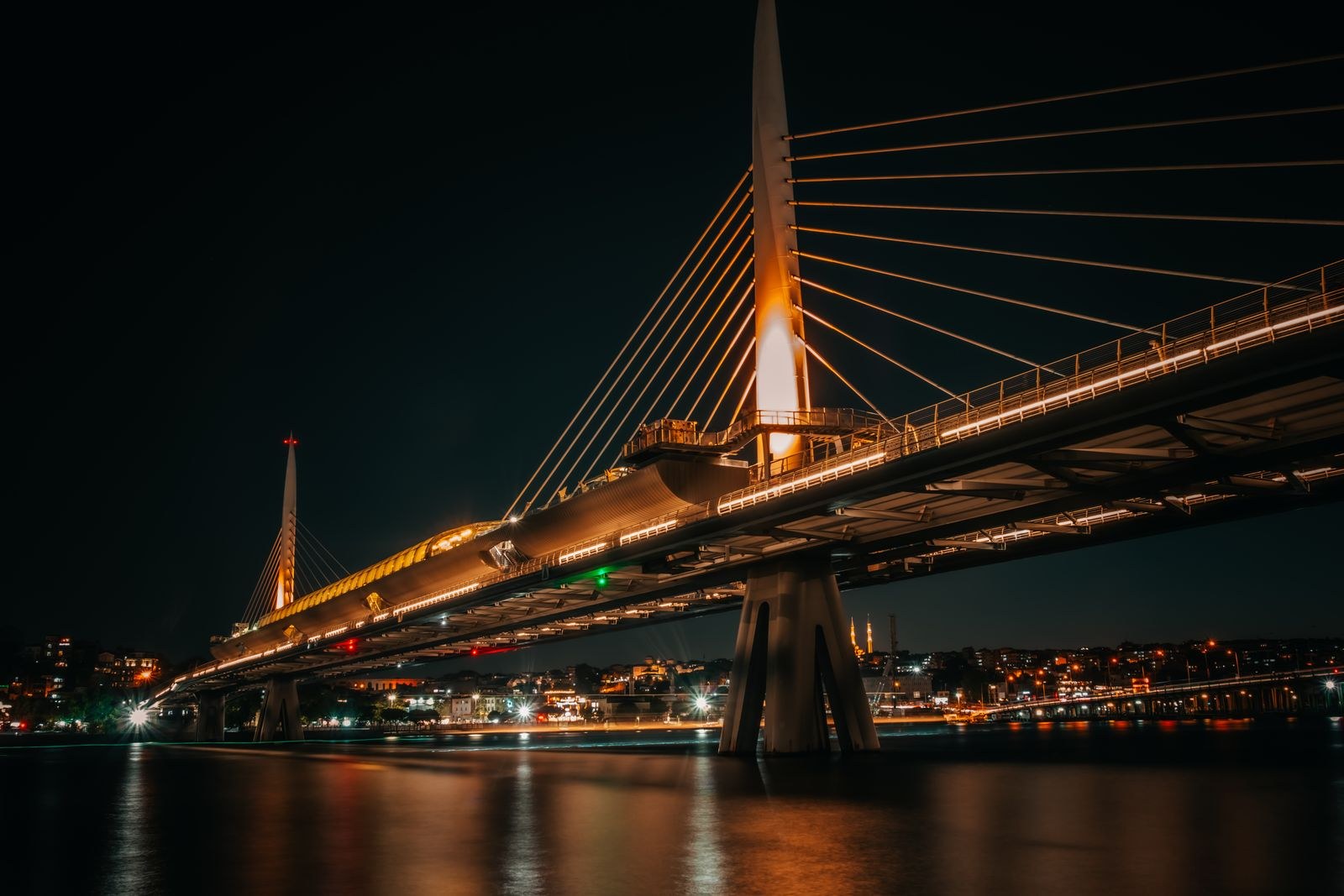
flowcloud would say that the Baijusi Yangtze Bridge is the one place in this district where the record is the reason to notice it – a 660-metre main span that is the world’s longest rail-and-road steel-truss cable-stayed bridge, two 236-metre water-drop towers that are the tallest in central Chongqing, and a free crossing with no deck to stand on – so the honest move is to cross it between Dadukou and Ba’nan and watch the towers from the car, because there is no toll and no viewing deck to aim for.