
Bangxi, Where the Eld’s Deer Came Back from 18
Bangxi sits at the far northwestern corner of Baisha, fifty road-kilometres from the county seat at Yacha, and it keeps the strangest comeback story in Hainan’s wildlife file. In 1976, when the authorities set aside the Bangxi reserve for the district’s rare large animals, the census inside counted eighteen Hainan Eld’s deer – all that were left. Five years later even those were gone. What followed – an empty decade, a reintroduction of eighteen fawns in 1990, and a herd now past two hundred – makes the reserve less a sight than a rescue, and the rescue is the reason to make the drive.
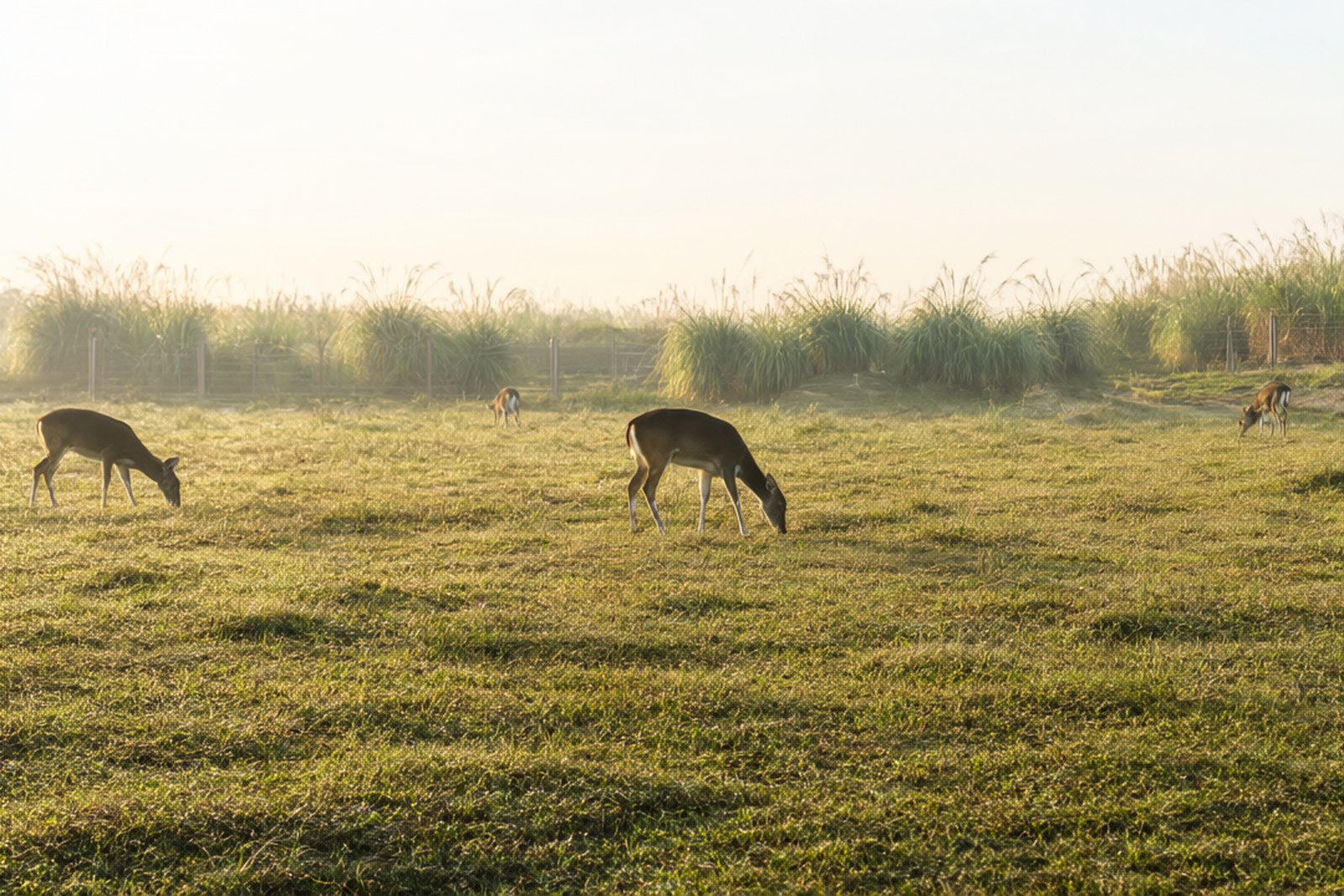
The animal deserves its introduction. The Hainan Eld’s deer, Cervus eldii hainanus, is a national first-class protected species and a subspecies found wild nowhere but this island; its Chinese name, po lu, carries a local pun, since po means flat ground rather than slope – the deer, as the reserve’s head Wang Hesheng likes to explain, live on the open grasslands and scrub flats, not the hills. When China moved to save the subspecies in 1976 it founded exactly two reserves in the same June: Datian in Dongfang, which held twenty-six deer, and Bangxi here, which held eighteen. Forty-four animals in all, the provincial magazine later wrote, were the species’ entire hope.
Bangxi’s half of that hope nearly failed. In 1981 the last stag in the reserve was killed by hunters, and for nine years the protected area protected nothing – the histories call it the awkward decade of having no deer left to protect. The turn came in 1990, when Bangxi was upgraded to a provincial reserve and eighteen fawns were brought over from Datian to rebuild the herd; short of a deer to nurse them, the keepers drafted nanny goats as milkmothers, and the fawns took the feed. Numbers tell the rest: past two hundred head by 2006, and by 2020’s reporting over two hundred deer on a range enlarged to more than 5,000 mu, with the grasslands resown to elephant grass and zhi grass and the streams reworked to mimic the deer’s old habitat.
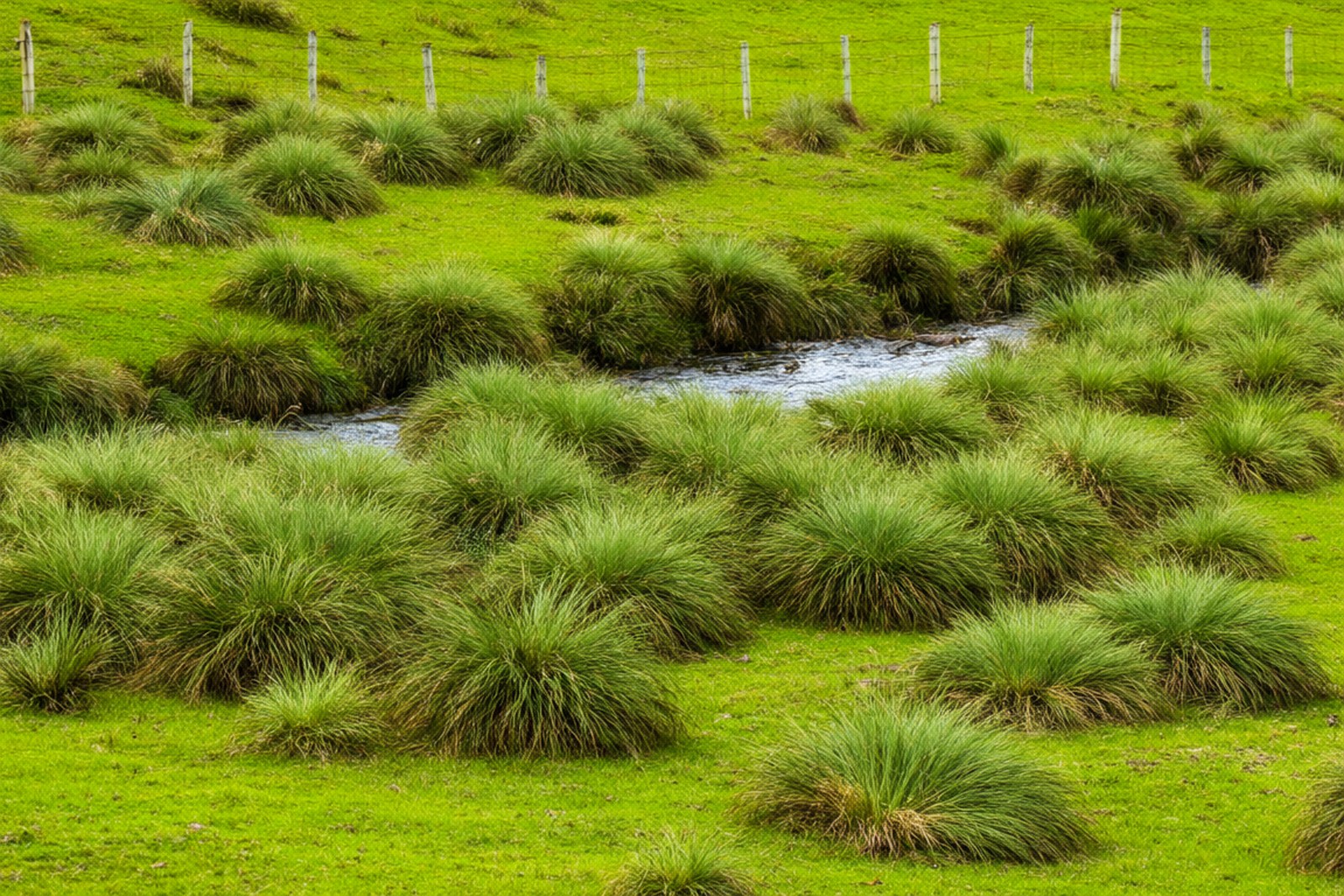
The reserve’s science calendar is worth knowing even from outside, because it explains what any distant glimpse would show. Around the Qingming festival the deer shed their winter coats; two months later, around June, the stags drop their old antlers and grow fresh velvet; fawns arrive in September, and for their first two months any disturbance can make the doe abandon them – which is the rule behind the reserve’s strict no-approach policy. Wang Hesheng, who livestreamed the deer to the province from the management point in 2020, puts the stakes plainly: the Hainan Eld’s deer, he says, is as precious as the giant panda, and deserves the attention to match.
Now the part a visitor must read before driving out: the reserve is not fully open to the public. There is no ticketing system and no walk-in visiting – access is limited to research, official media and pre-arranged educational activities – and this is a protected area, not a zoo; the deer are conserved here, not exhibited. The honest alternatives run through the town rather than the enclosure: Bangxi’s deer-themed streets along an avenue whose very name, Xianlu, means immortal deer; the free Li village of Bajiao nearby, rated by the Ministry of Agriculture as one of China’s most beautiful leisure villages in 2015; and the reserve’s own livestreams, the cloud deer-watching the province tuned into in 2020. If a close view of the species is the whole point of your trip, the mature open option is the Datian reserve in neighbouring Dongfang – outside Baisha county entirely, and named here only so nobody arrives in Bangxi expecting a zoo.
Practicalities
Tickets. No ticketing system exists – the reserve is a scientific protection area, not a commercial scenic spot, and public entry is not part of its operation; visits happen only through research, official media or pre-arranged educational programmes. Checked October 2026, subject to change.
Opening hours. Not applicable – the public cannot enter at will, and the management station keeps office rather than touring hours; the outer roads and the town are open at all hours.
Closing day. Not applicable either – there is no daily opening to close, and the outer-ground viewpoints and the town’s deer-themed streets can be visited any day of the year.
Getting there. Self-drive is the practical way: leave the Dan-Bai expressway at the Xipei or Fulong interchange and follow G361/S310 into Bangxi town, about thirty to forty minutes from Danzhou; from Yacha the S310 crosses the Jiujialing pass on its roughly fifty-kilometre run to Bangxi. Public buses from Haikou or Danzhou to Bangxi run on schedules no listing prints reliably – check locally before relying on one.
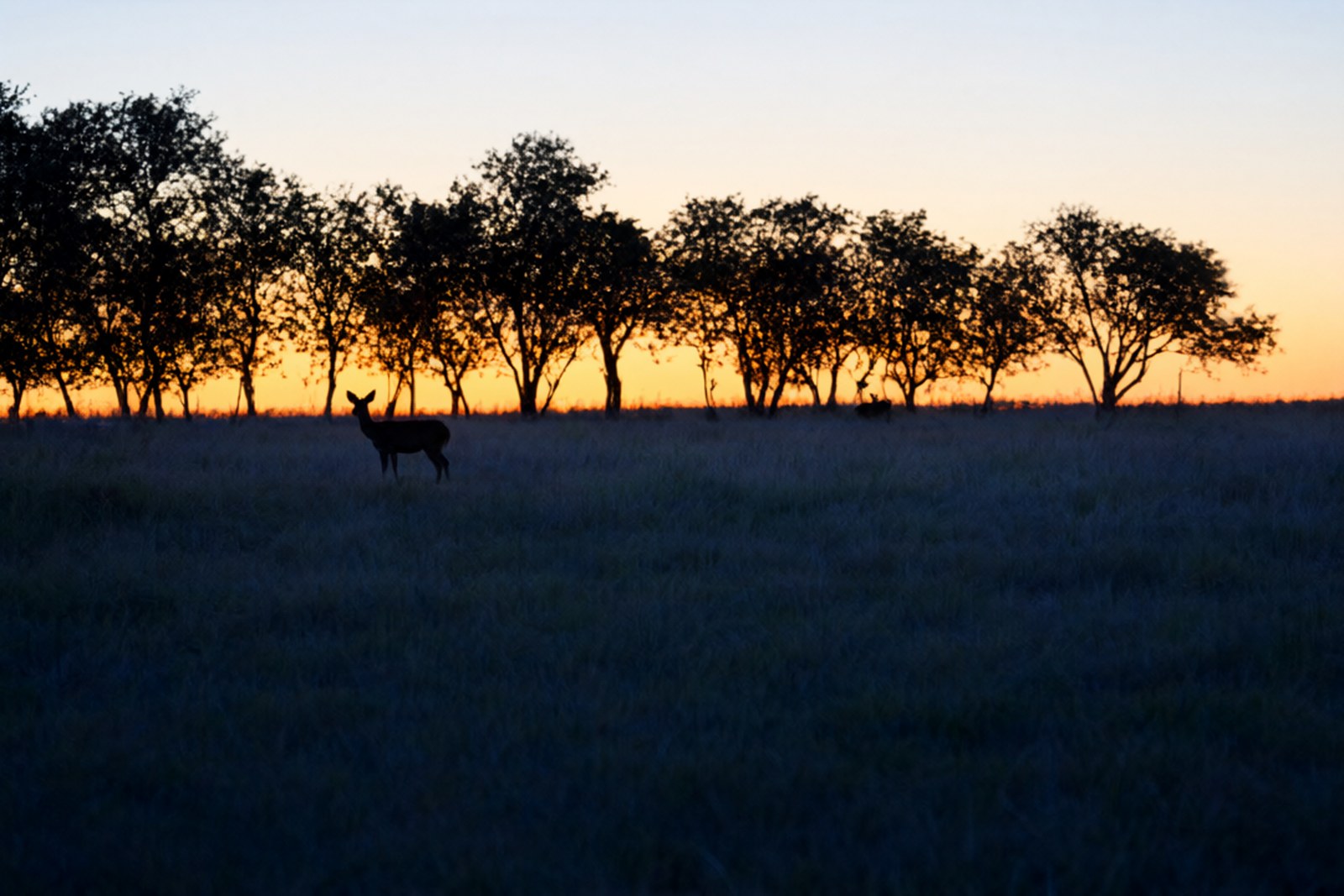
flowcloud would say that Bangxi is the rare reserve whose best exhibit is its own ledger – eighteen, zero, eighteen, two hundred – and that the honest way to love a protected animal is to stay outside the fence and let the deer keep the flat ground.
Getting there: The Bangxi Eld’s Deer Provincial Nature Reserve stands at Bangxi town, northwestern Baisha Li Autonomous County, Hainan – leave the Dan-Bai expressway at the Xipei or Fulong interchange for G361/S310, or drive the S310 from Yacha about fifty kilometres over the Jiujialing pass; there is no ticketing, no public walk-in visiting (research, official media and pre-arranged education only) and no closing day, with the outer roads and the town’s Xianlu avenue open at all hours (checked October 2026, subject to change).