
Bawangling, the Forest That Keeps the World’s Rarest Gibbon
霸王岭 Bà wáng lǐng is a forested massif in the southeast of 昌江黎族自治县, its scenic gate at 七叉镇 Qī chā zhèn, and it belongs to the Bawangling section of the Hainan Tropical Rainforest National Park. The animal that made it famous is 海南长臂猿 Hǎi nán cháng bì yuán, the Hainan gibbon, which lives nowhere else on earth. Two signs share the hill: the Bawangling National Forest Park, which tourists walk, and the Hainan Bawangling National Nature Reserve, which holds the gibbon’s core habitat and is closed to ordinary visitors. The county town 石碌镇 is roughly half an hour from the forest town.
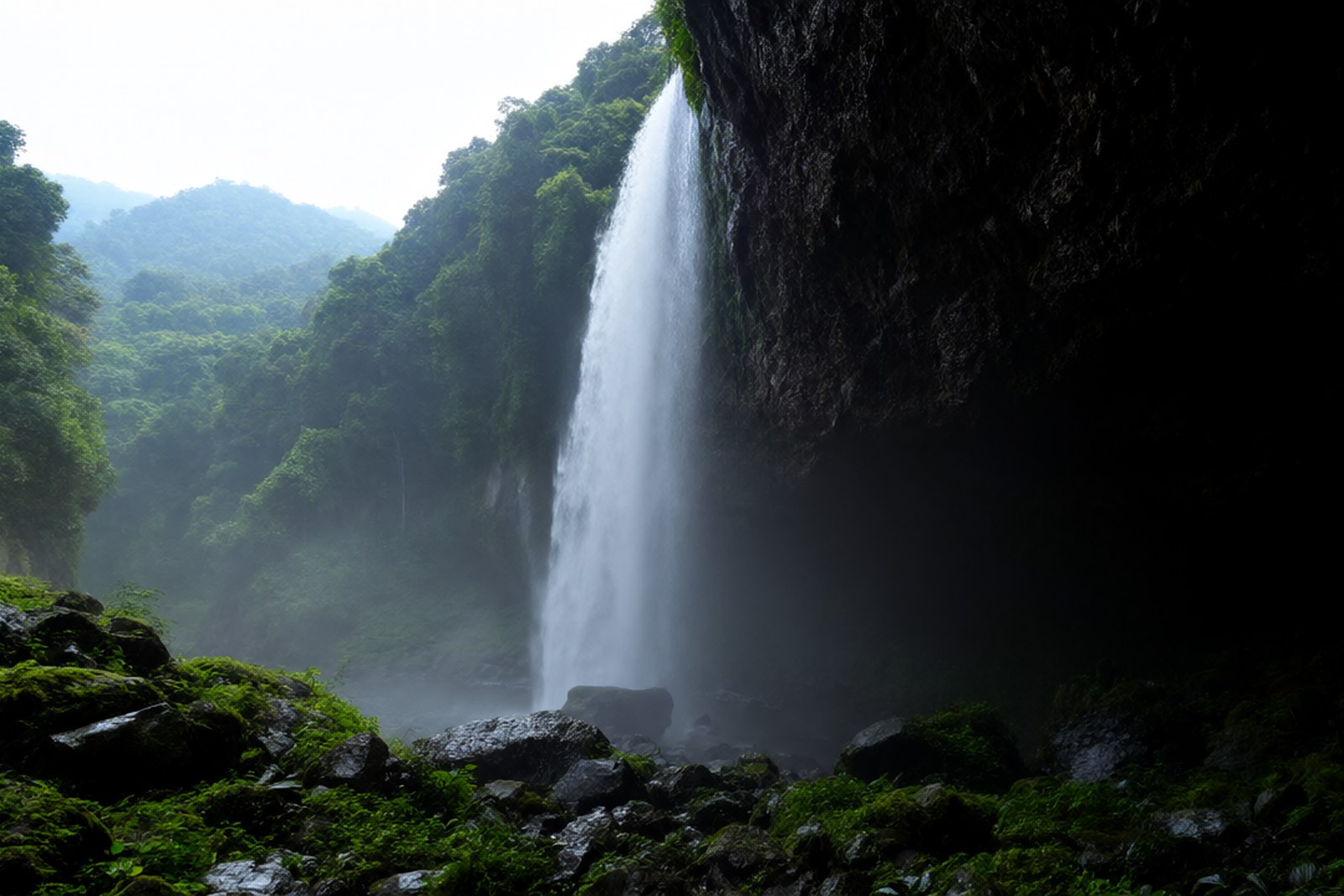
The numbers are the reason people come, and they are always quoted with their years. In the early 1950s the Hainan gibbon was spread across the whole island, about 2,000 of them; by the late 1970s two groups totalling seven to nine animals – official summaries say fewer than 10 – survived in this one forest. When the national park pilot began in 2019 there were 4 groups and 30; the count reached 35 by 2021; in May 2025 the published figure was 7 groups and 42; during 2025 three infants were born and one female aged over thirty-six died, and by June 2026 the national forestry administration put the population at 7 groups and 44. That makes it the only gibbon population on earth known to be increasing – of the world’s twenty gibbon species, none other can say it.
Protection came in steps with their own dates. In 1980 the Guangdong authorities approved a gibbon reserve here of about 30,000 mu; in 1988 it was raised to national level with 100,000 mu, which the development-reform commission’s figures render as 66.26 square kilometres; in 2003 it grew again to about 450,000 mu; and in August 2020 the national park administration’s Bawangling branch was completed, managing 1.505 million mu, of which 1.285 million lie inside the park. The gibbon itself was listed as a first-class state protected animal in 1988. The hill’s name is a translation accident: the Li word 坝汪, dog, came from the black bears that once called here like dogs barking; the written form 坝王岭 stood until 1997, when the forestry bureau asked for the character for king.
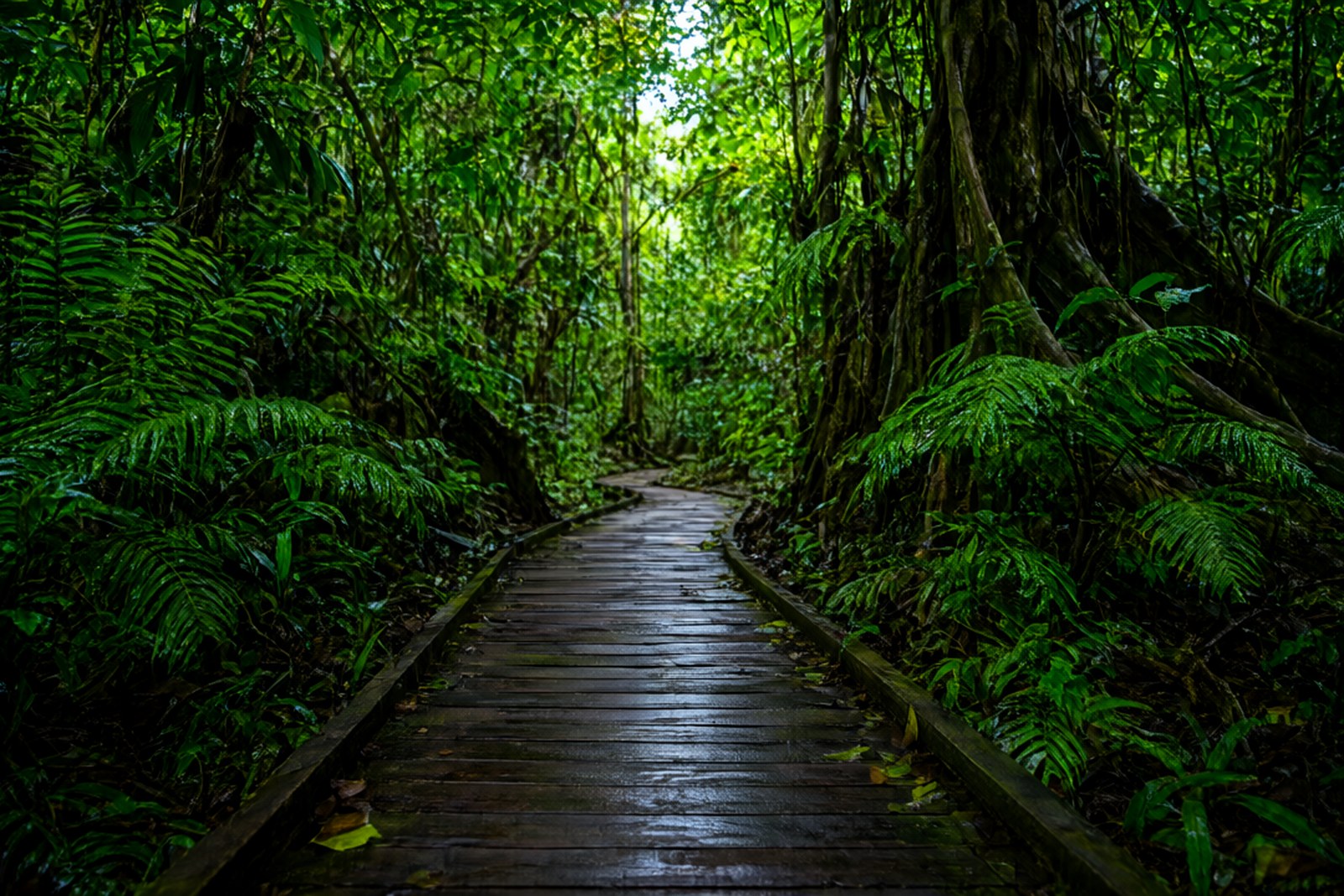
The forest deserves the animal. Coverage runs to 96.7 per cent and the plant list to 2,213 species, the promoters’ exhibition hall of tropical rainforest; it keeps the country’s largest natural stands of South China pine, its largest wild 青梅 qīng méi forest and its oldest wild litchi trees, and behind the Dongsi farm stands a Dacrydium pine said to be 2,600 years old and 2.3 metres through the trunk. Eighteen full-time monitors watch the gibbons, twenty days a month in the field now instead of ten, entering the mountain at four in the morning to find the animals by their dawn duets, calls that carry two or three kilometres; infrared cameras, acoustic recognition and thermal imaging back them up, nineteen smart devices cover Group C’s range, and more than fifteen research projects run with the Chinese Academy of Forestry and the Hainan National Park Research Institute. The gibbons eat the fruit, leaves and flowers of over a hundred plant species; females mature at six to eight years and bear one infant every two to three years, which is why recovery is so slow.
Repair work is moving the animals, literally, downhill: thirty-eight rope bridges – steel cable wound in nylon – span the canopy gaps, more than 5,000 mu of habitat have been restored, over 300,000 favoured native trees have been planted, and the gibbons have come down from their 800-to-900-metre belt to feed below 400 metres, a drop of over 500. Researchers project 60 to 70 animals by 2035. Set expectations honestly: you will almost certainly not see one – even the monitors rarely do, and the reserve’s core is closed. What a visitor buys is a rainforest walk and a dawn soundscape: enter between six and seven in the morning, say the platforms, and the duets may rise out of the valleys.
Practicalities
Tickets. Platform figures checked on 30 September 2026: the Yajia scenic area lists adult tickets at 48 to 50 yuan, concession tickets at 20, a combined ticket for both scenic areas at 100 and a return sightseeing shuttle at 30. Prices move with the season and the operator, so treat all four as floating until the window confirms them.
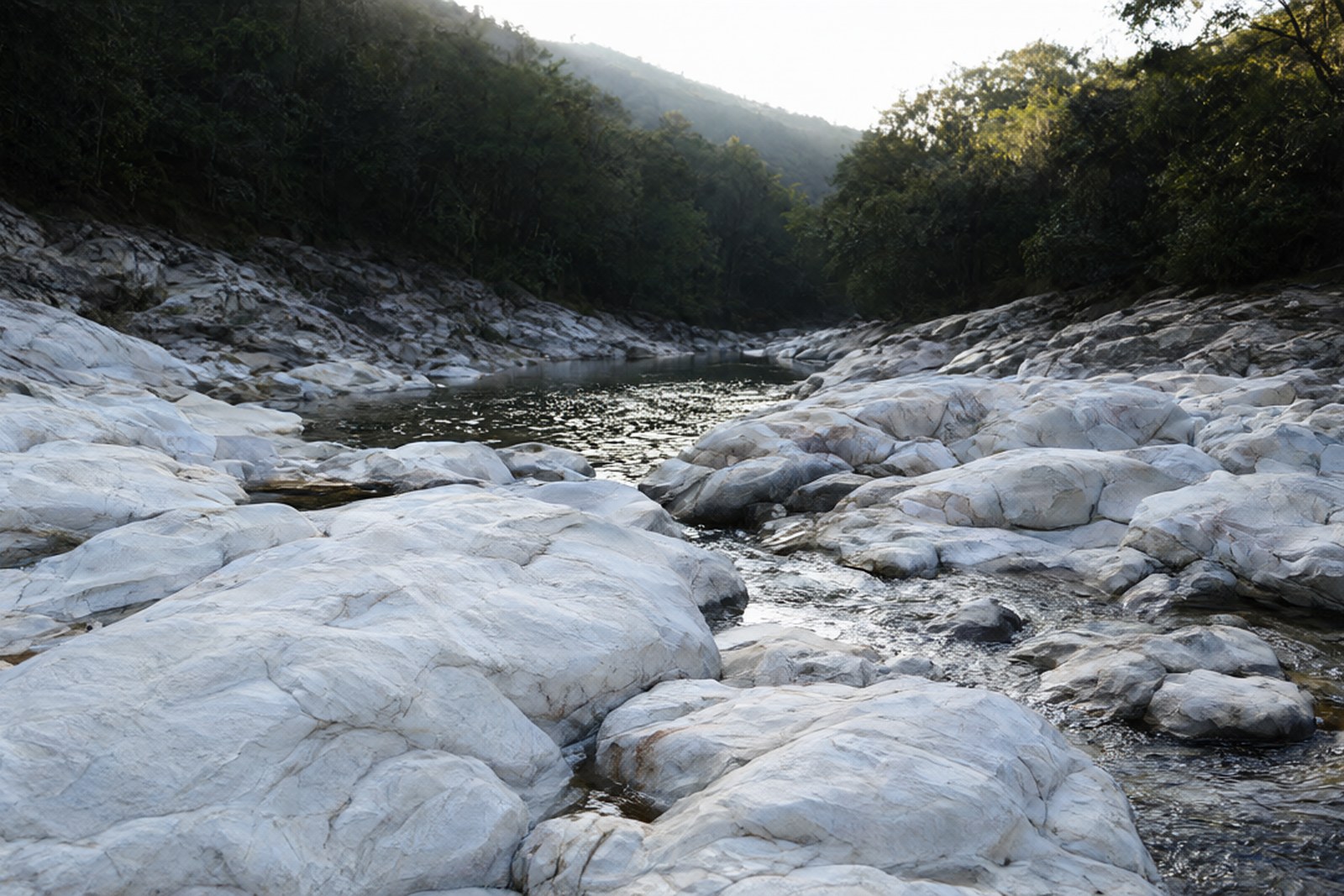
Opening hours. The published day is 08:00 to 17:30 with tickets stopping at 16:30. The two scenic areas – Yajia with its big waterfall and boardwalks, Baishitan with its stream and pools – sell separately and stand more than ten kilometres apart; a day covers them by car, and walkers should give Yajia a full morning.
Closing day. No closing day is reported for either scenic area. The closures that happen are weather: heavy rain in the wet season can shut trails and swell the streams, and mountain fog can hold a morning. In January and February the visit combines with the kapok season in Qicha town, when the guesthouses fill.
Getting there. Take the island-loop high-speed railway to Qiziwan station or Changjiang station, change to a shuttle for Qicha town and then a car into the mountains – the mountain buses run infrequently, so most visitors drive. From Haikou it is about 214 km by the west-line expressway, two and a half to three hours; Yajia is 7 km out, Baishitan 11 km and the Wangxia road 26 km.
flowcloud would say that a forest which keeps the last of something is always asked to perform it, and the honest answer here is that the performance is not on offer: what Bawangling sells is the sound of a dawn chorus whose makers you will probably never see, thirty-eight rope bridges and three hundred thousand trees planted for an animal that cannot thank anyone, and a recovery measured in single infants – and that is a rarer thing to visit than any ordinary wildlife park.
Getting there: 霸王岭 stands in 七叉镇 in 昌江黎族自治县, reached by high-speed rail to Qiziwan or Changjiang station and then road, or by the west-line expressway – about 214 km from Haikou and 238 km from Sanya by platform figures; the Yajia and Baishitan scenic areas list 48 to 50 yuan, 20 yuan, a 100-yuan combined ticket and a 30-yuan shuttle, checked on 30 September 2026 and all floating, with hours of 08:00 to 17:30 and last entry at 16:30; no closing day is reported; the Hainan Bawangling National Nature Reserve beside them is a separate sign, closed to tourists.