
Beijing International Sculpture Park: World Sculptures in a Garden, Magnolia Spring and the Green Avenue of Shijingshan District, Beijing
万国刀笔镌石语,一园玉兰领春风。Wàn guó dāobǐ juān shí yǔ, yī yuán yùlán lǐng chūnfēng – The knives and brushes of ten thousand nations engrave the stone’s speech; one garden of magnolia leads out the spring wind.
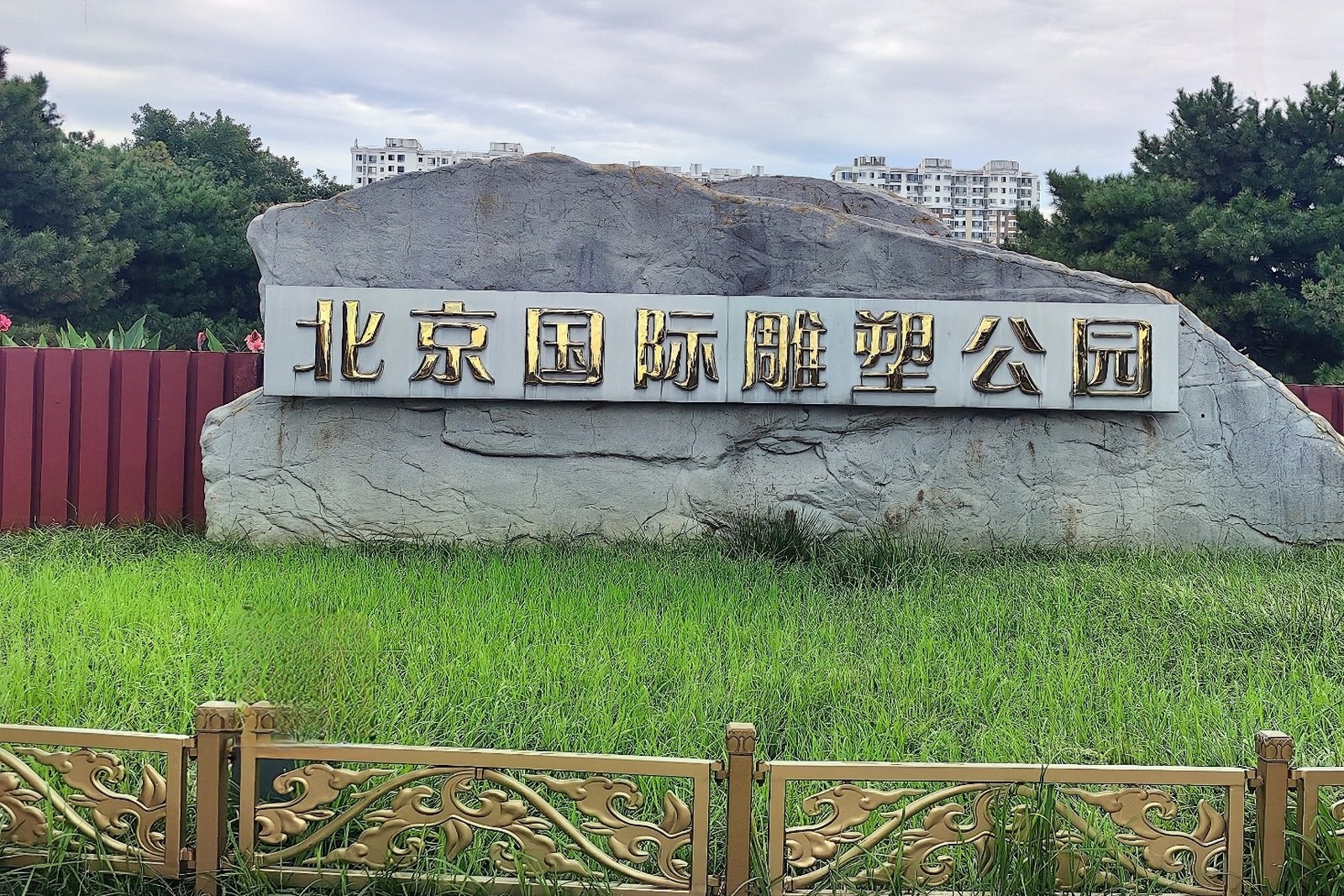
北京国际雕塑公园 Běijīng Guójì Diāosù Gōngyuán Beijing International Sculpture Park is not a park with a statue or two — it is, plainly put, an open-air museum of world sculpture wearing the clothes of a neighbourhood garden, laid out along 玉泉路 Yùquán Lù Yuquanlu in the east of 石景山区 Shíjǐngshān Qū Shijingshan District, Beijing, and opened in the early 2000s as the city’s deliberate answer to the question of where public art goes to live (worth confirming the details for the exact opening year). Sculptors from dozens of countries are represented — bronze and granite, abstract and figurative — set out on lawns and along shaded walks so that the walking is the exhibition: no fences, no ropes, works you can picnic against. The grounds run as linked garden halves around the road grid, planted heavily with the famous 玉兰 yùlán magnolia groves whose spring bloom has become the park’s second identity (worth confirming the details for the current garden layout). What you actually visit is the easiest afternoon in the district: art without a door, flowers without a queue, grass without a ticket — the 城市绿地 chéngshì lǜdì green lung of the east side, wearing an international wardrobe.
Call it honestly: a free park with one great fortnight. Entry is free at the gates, with occasional charged exhibitions or seasonal events (worth confirming the details), and hours follow the ordinary park day (worth confirming the details). The magnolia weeks — late March into April — fill the paths with the city’s photographers, and the honest moves are a weekday morning in bloom week or any afternoon outside it, when the lawns belong to kite-fliers, tai chi and toddlers climbing the bronzes. Shade and seating are generous, the paths are honest for pushchairs and wheelchairs, and 玉泉路 Yùquán Lù metro station on Line 1 puts the whole thing minutes from the platform. Do not come expecting a curated Biennale: the quality of the works varies piece by piece, and the pleasure is the promenade, not the catalogue.
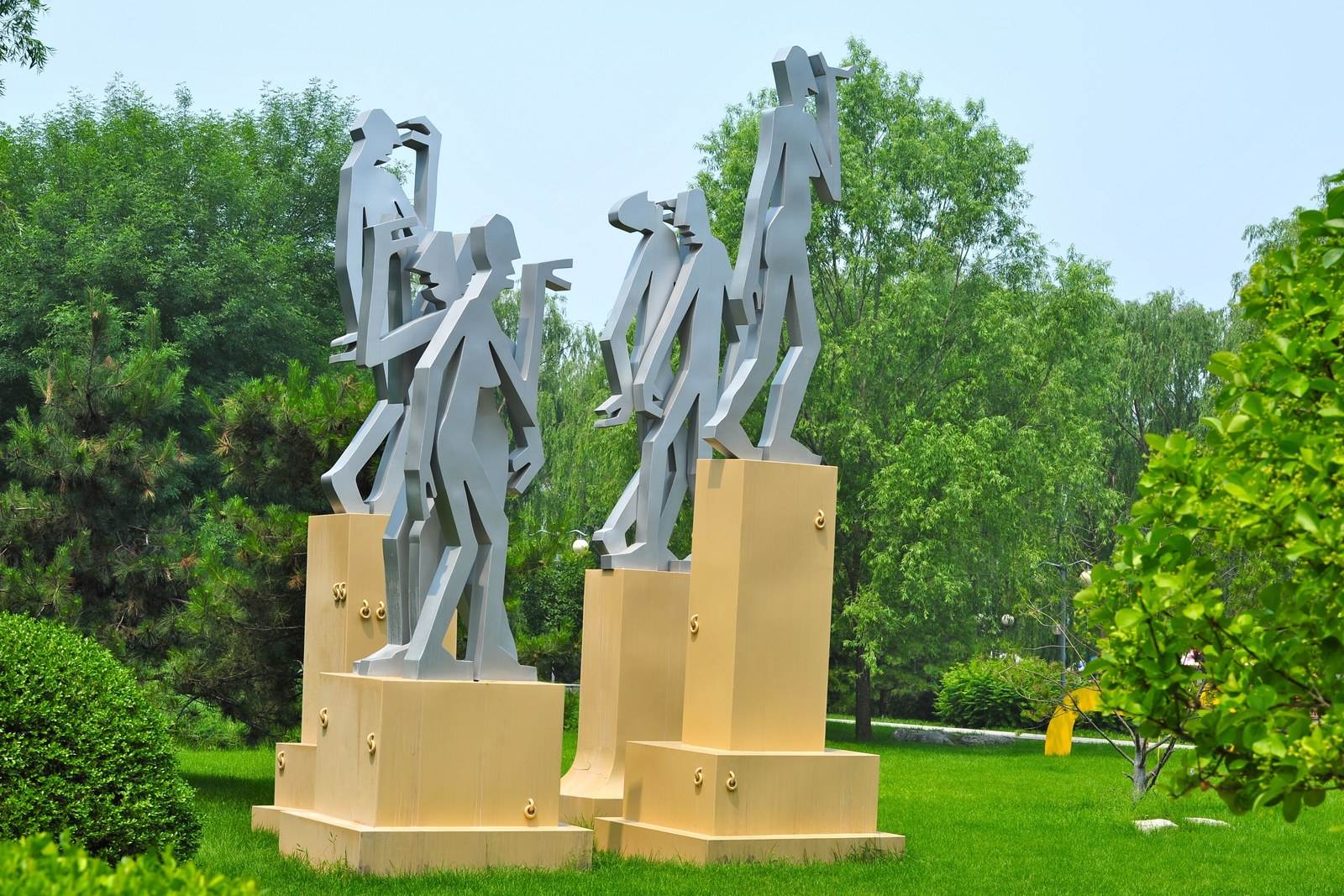
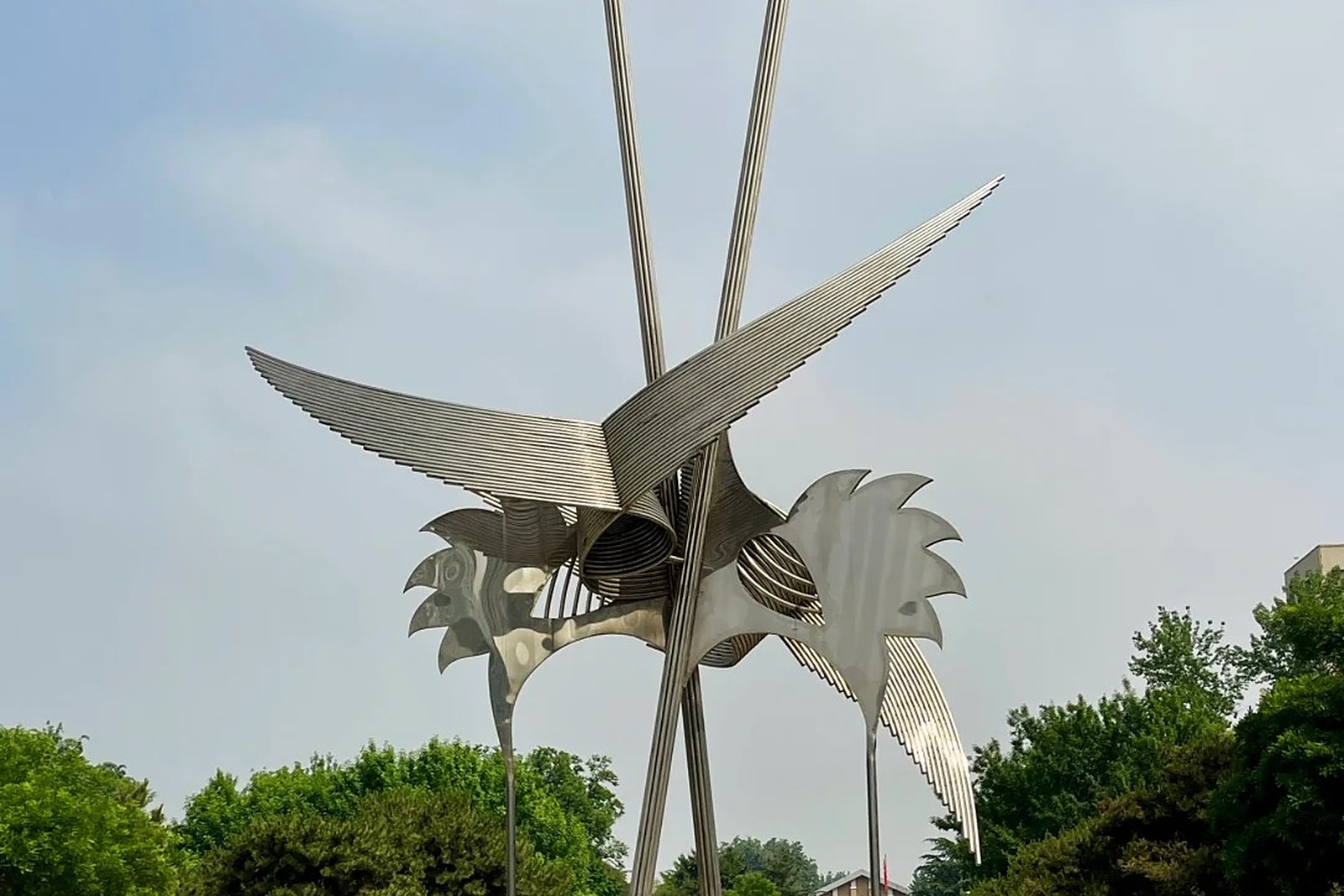
The honest star is the 玉兰 yùlán magnolia walk in early April, not the sculpture count. When the white cups open along the groves the park briefly becomes the best free sight on the west side of the city, and the sculptures — stone torsos, bronze birds, abstract gates — make excellent foregrounds for flowers. What gets oversold is the “international” tag read as wall-to-wall masterpieces; treat the works as a walkable sampler of styles and the promenade delivers. What repays the effort is the quieter half away from the main axis, the autumn colour along the lawns (worth confirming the details for seasonal plantings), and the easy pairing with anything else in the east of the district — the park is a green link between the metro and the neighbourhoods, and its benches are the district’s best place to do nothing with dignity. Come for the layering of the place: garden, then stone, then season.
The self-aware postscript: I came to check two sculptures I remembered and stayed an hour watching a grandfather teach a child to read a bronze heron’s shadow. That is the visit in miniature. 北京国际雕塑公园 Běijīng Guójì Diāosù Gōngyuán suits whoever treats it as a garden walk first and an exhibition second — wander, sit, return in magnolia week — and exhausts anyone attempting a formal tour of every piece in one circuit. Everything else on this Shijingshan list lies within a short ride: the fairground lights of 石景山游乐园 Shíjǐngshān Yóulèyuán Shijingshan Amusement Park to the west, the eight-temple climb of 八大处公园 Bādàchù Gōngyuán Badachu Park in the hills, the Ming murals of 法海禅寺 Fǎhǎi Chán Sì Fahai Temple below them, and the steel-and-Olympic estate of 首钢园 Shǒugāng Yuán Shougang Park by the river — all in the same 石景山区 Shíjǐngshān Qū Shijingshan District that planted a grove of nations beside the metro.
Practicalities
- Rating: ★★★★☆ — the district’s easiest green afternoon, an open-air museum of world sculpture with the west city’s best magnolia spring; the April groves and the quieter half outrank the main-axis crowds.
- Tickets: Free entry, with occasional charged exhibitions or seasonal events (worth confirming the details for current rules and hours).
- Address: 北京国际雕塑公园 Běijīng Guójì Diāosù Gōngyuán Beijing International Sculpture Park, along 玉泉路 Yùquán Lù Yuquanlu, east 石景山区 Shíjǐngshān Qū Shijingshan District, Beijing — a short walk from 玉泉路 Yùquán Lù Yuquanlu metro station on Line 1.
- Time needed: One to two hours for a garden-and-sculpture stroll; a morning in magnolia season with a camera.
Words and Names
北京国际雕塑公园 Běijīng Guójì Diāosù Gōngyuán Beijing International Sculpture Park · the open-air museum of world sculpture opened in the early 2000s 国际雕塑 guójì diāosù international sculpture · the many-nation works set out on the unfenced lawns 玉兰 yùlán magnolia · the spring groves that give the park its second identity 玉兰观赏季 yùlán guānshǎng jì magnolia viewing season · the late-March-to-April weeks that fill the paths 玉泉路 Yùquán Lù Yuquanlu · the Jade Spring Road avenue the park lines 城市绿地 chéngshì lǜdì urban green space · the neighbourhood role the park plays all year 雕塑艺术 diāosù yìshù the art of sculpture · the promenade idea: walking as exhibition
flowcloud would say that 北京国际雕塑公园 Běijīng Guójì Diāosù Gōngyuán is the east of Shijingshan’s open-air gallery — world 国际雕塑 guójì diāosù sculpture on unfenced lawns along 玉泉路 Yùquán Lù, opened in the early 2000s and re-dressed every spring by the 玉兰 yùlán magnolia groves of the 玉兰观赏季 yùlán guānshǎng jì — and that the honest move is a weekday morning in bloom week or a slow evening promenade, because entry rules, charged exhibitions and hours all follow the ordinary park day and shift (worth confirming the details), the April weekends are the crowded half, and the park repays whoever walks it as a garden first and a museum second while losing whoever grades every piece as a masterpiece. All checked October 2026.
Getting there: Metro Line 1 to 玉泉路 Yùquán Lù Yuquanlu station, with the park’s gates a short walk from the exits in the east of 石景山区 Shíjǐngshān Qū Shijingshan District, Beijing; 八宝山 Bābǎoshān Babaoshan station one stop east also serves the park’s southern side (worth confirming the details for which gate to use and any current exhibition charges). All checked October 2026.