
Tools Before Trophies: Inside the Seventh Division’s Reclamation History Hall
一犁开天地,万物著军装 Yī lí kāi tiāndì, wànwù zhuó jūnzhuāng – One plough opened heaven and earth; everything wore the uniform of work
正文:军垦历史陈列馆 Jūnkěn Lìshǐ Chénlièguǎn the reclamation history hall stands in the civic quarter of 胡杨河市 Húyáng hé Shì Huyanghe City, keeping the Seventh Division’s account of the 1950s landfall that turned the Kuytun river scrub into regiment farms. The galleries read like a workshop rather than a shrine: ploughs with their points worn round, leather drill boots gone stiff as board, a wax tableau of the militia classrooms where soldiers taught each other their letters between harvests. Wall panels chart the arithmetic of the founding – acres broken, wells sunk, kilometres of canal cut – in the terse hand of people too busy building to boast.
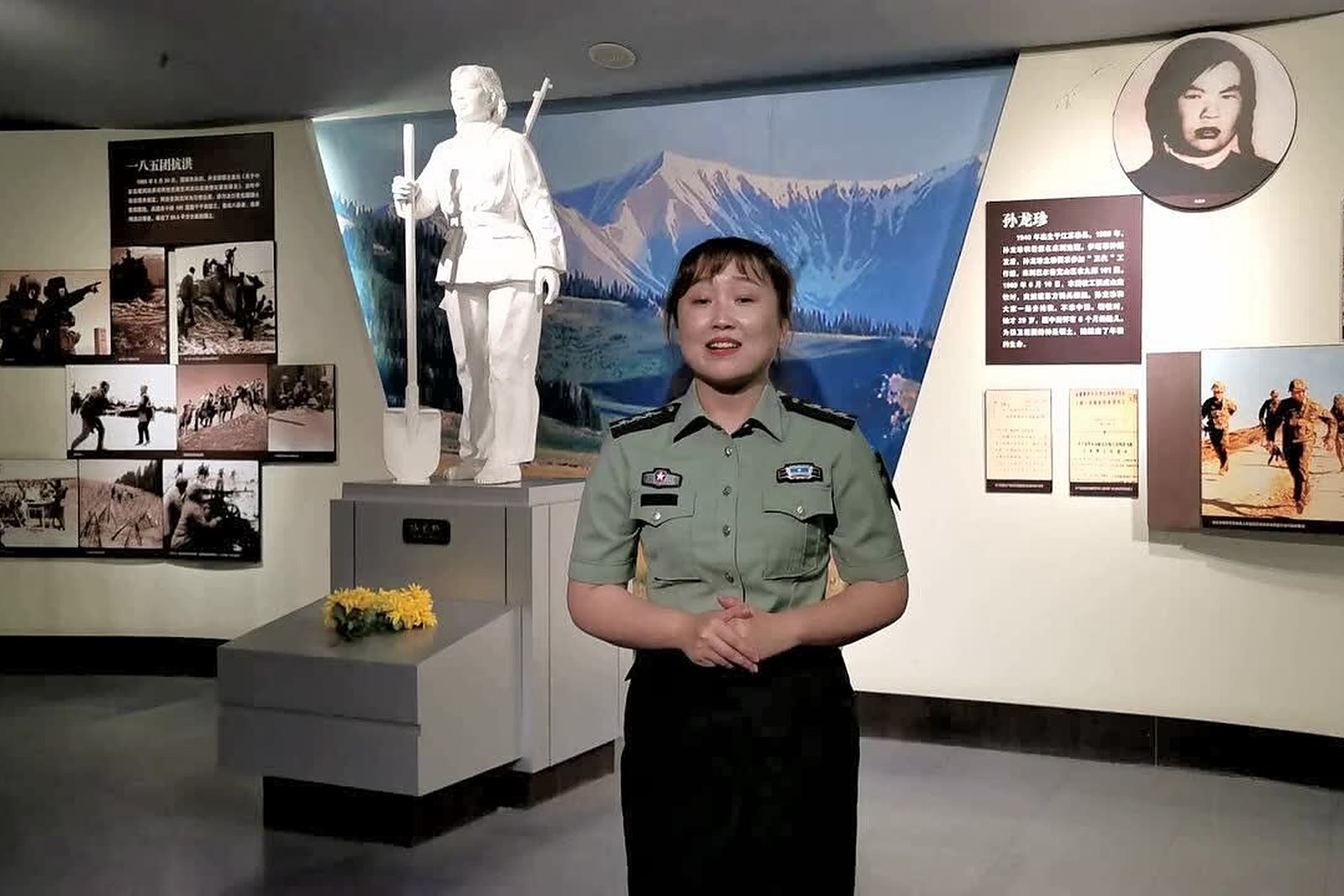
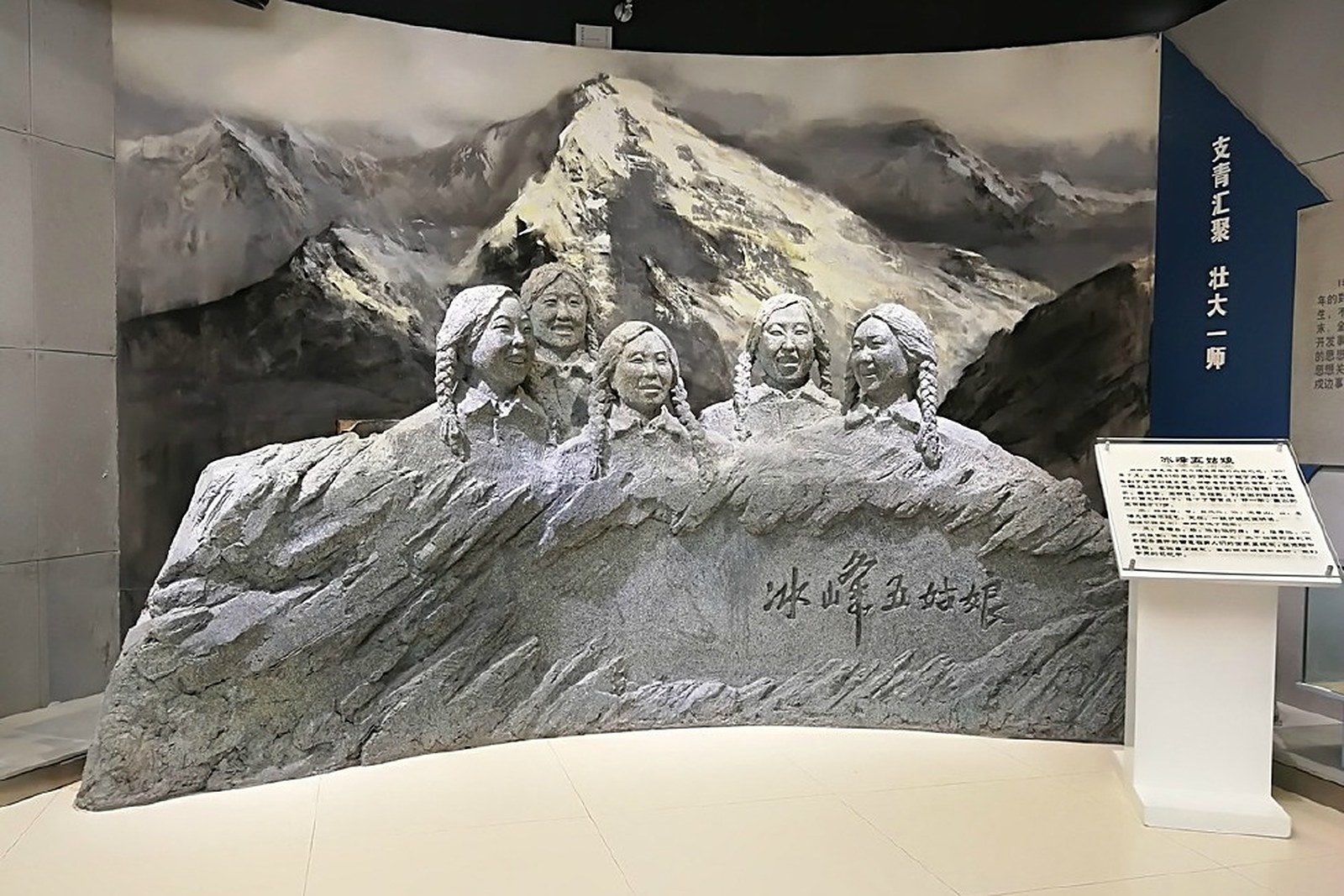
The exhibits best worth time are the small ones. A display of uniforms shows the same jacket in four stages of patching; a case of eating kit holds the enamel mugs that doubled as wash basins and music instruments on festival nights; and the photograph walls track a single poplar shelter belt from seedlings to skyline. Dioramas rebuild the first winter – dugouts half under ground, a snowed-in drill yard, the field kitchen’s chimney smoking on schedule – with the kind of detail only veteran hands contribute. Sculpture exhibits honor the women pioneers whose road-opening work the division still claims as its spine.
The hall’s quiet argument is continuity. The city outside its glass doors is the last exhibit: a planned grid of avenues, schools and a wetland park where the founders’ canal water still runs. Guides point through the window as the closing line of the tour – the field notes and the avenues are one document – and visitors walk out into the evidence. For anyone who has wondered what a frontier looks like when it succeeds, the answer is a city with a history hall at its center.
Practicalities first. Entry is free or nominal with ID, and the galleries sit walkable from the hotel belt, so the hall fits neatly into a city day between the park and the food lanes. Allow an hour for the main circuit; the captions are bilingual enough for a patient reader, and the wax tableaux reward close looking – hands, collars, boot leather all carry their decade. Photographs without flash are permitted in most rooms; the lighting is gallery-soft and the objects are closer than museum rope usually allows.
Come here before the Gobi Mother residence if you can – the hall gives the division-wide story, and the homestead north on the 126th Regiment gives the domestic chapter, and the order makes both richer. Leave with the image that stays: a plough that outlasted its makers, and a city that grew from its furrows exactly as drawn.
Practicalities
Beyond the galleries, the same 胡杨河市 Húyáng hé Shì Huyanghe City keeps more places worth the detour: 胡杨河湿地公园 Húyáng hé Shīdì Gōngyuán the wetland park, 戈壁母亲旧居 Gēbì Mǔqīn Jiùjū the Gobi Mother residence on the 126th Regiment, 胡杨林景区 Húyáng Lín Jǐngqū the poplar stands, or 城市公园 Chéngshì Gōngyuán the central park – four more doors into the same 胡杨河市 Húyáng hé Shì Huyanghe City. Once the hall is walked, our Huyanghe food map fills the day.
Practicalities
Words and Names
flowcloud would say the history hall keeps the desert’s receipts: ploughs worn round by acreage, jackets held together by patches, and outside the window a city standing on the arithmetic – the rare museum whose last exhibit you have to walk through to reach the bus stop. All checked November 2026.
Getting there: The history hall stands in the civic quarter of Huyanghe, walkable from the hotel belt; entry is free or nominal with ID, and the galleries run afternoon hours – pair it with the city park for a downtown half-day. All checked November 2026.