
South of 长寿湖 Chángshòu Hú, Changshou Lake, the district has branded its farm belt 长寿慢城 Chángshòu Mànchéng, Changshou Slow City – a stretch of citrus and pomelo country where the roads narrow, the villages whiten their walls, and the orchards take over the hills. The name is a promise rather than a pun: this is a zone built deliberately for people to do nothing much, slowly, on two wheels or on foot, with the fruit standing in for scenery. This page is the slow city’s riding day – the pomelo avenues, the village loops, the homestay tables, and the autumn that fills the valley with baskets.
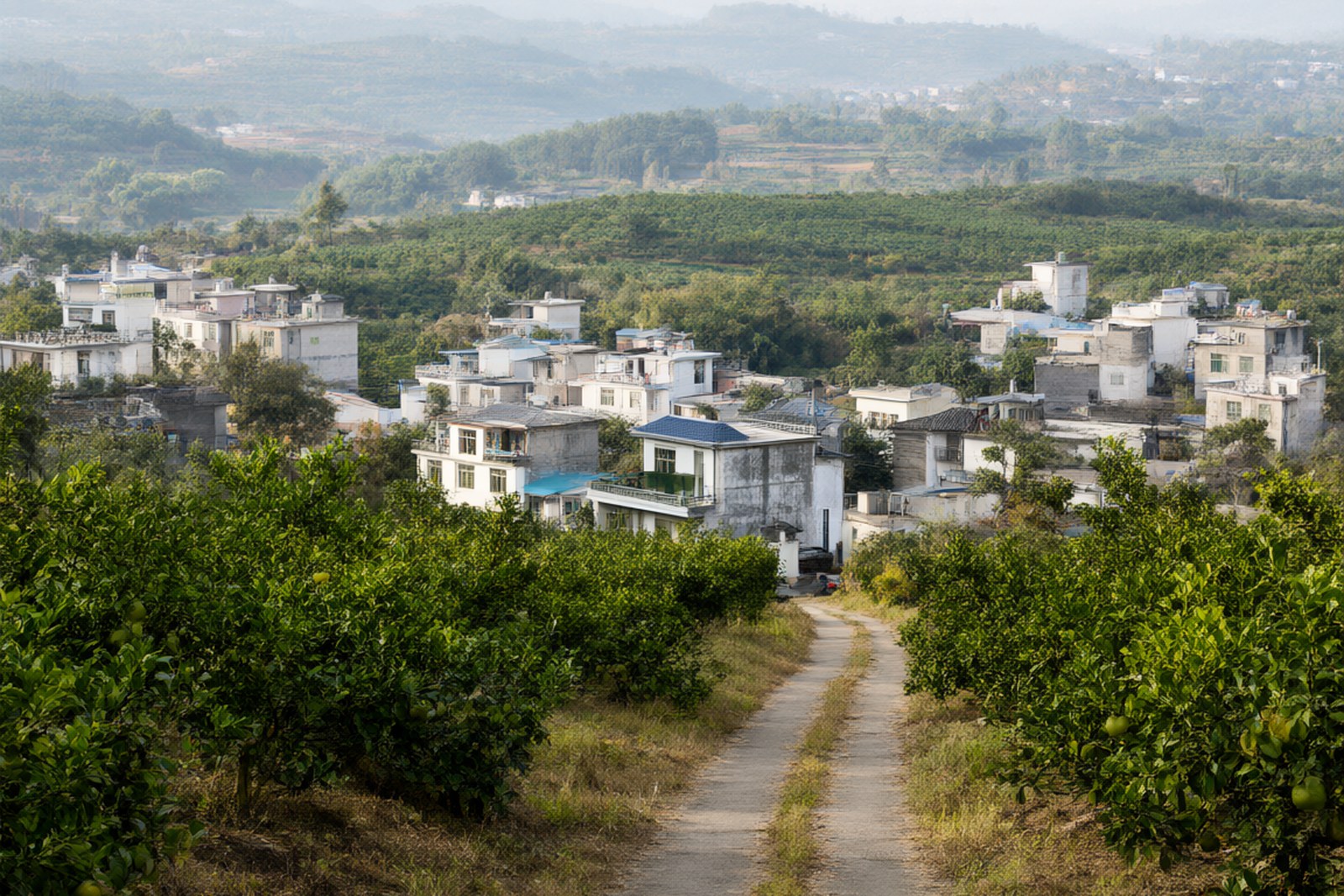
The heart of the zone is the 十里柚乡 Shílǐ Yòuxiāng, the “ten-li pomelo country”: orchard roads planted in 沙田柚 Shātián yòu, shatian pomelos, the big-skinned, honey-sweet fruit that made the district’s orchard reputation. The pomelo avenues run lane-straight between the trees, the fruit hanging heavy from autumn onward, and the cycling loops are signed from village to village so that a rider can string together an afternoon of orchard, pond and whitewashed wall without ever rejoining the highway. The whole zone is flat-ish and easy riding – the kind of ground that makes a bicycle feel like the only correct answer, and that lets a walker keep pace with the scenery.
The orchards are working farms first and views second, which is what keeps the slow city honest. Beside the pomelo country sit the orange groves of the lake’s famous summer-orange farms, so the zone carries two harvest calendars – citrus blossom in spring, pomelo picking from late autumn – and the villages between them set their homestay tables straight from the fields. The homestays are the zone’s quiet strength: farmhouses turned over to guests, meals built on what the family grows, and the evening sound of the orchards rather than the road. A rider who books one for a night wakes to the smell of the trees and a breakfast that never left the valley.
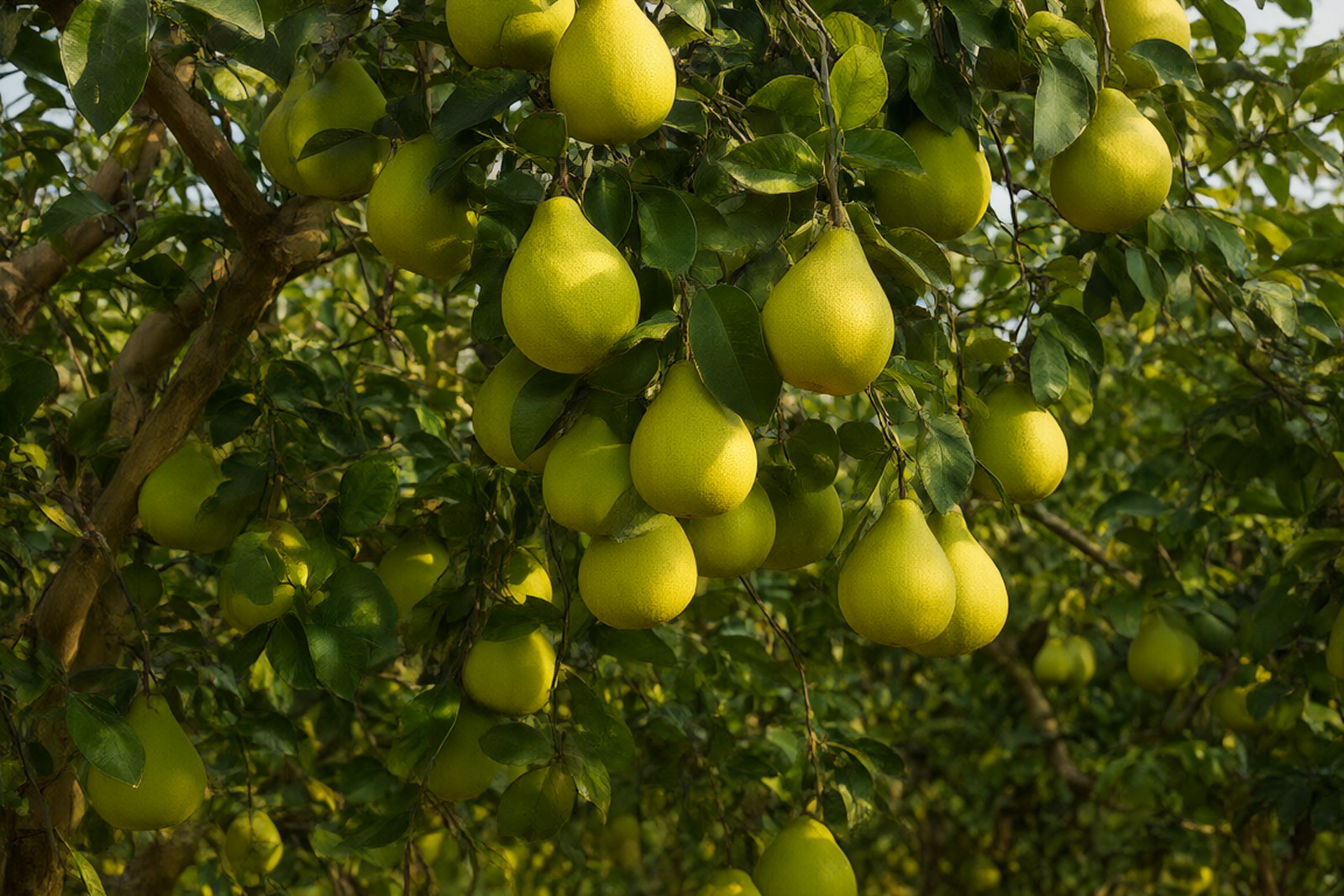
Autumn is the season that justifies the trip. The picking weeks fill the valley with baskets, the fruit fairs line the slow-city avenue with crates and scales, and the sound of thick skins being cracked open drifts over the lanes; the surplus goes to the pomelo-honey drinks and candied peel that the district’s food column covers on its own page. What the record supports is the branding of the slow city, the ten-li pomelo country, the signed cycling loops, the summer-orange groves, the homestays and the two harvest seasons; what it does not support is any picking-price figure or posted hours table, and none is invented here – each orchard sets its own rates at the gate on the day, and the page leaves the reader to them rather than quoting numbers it does not have.
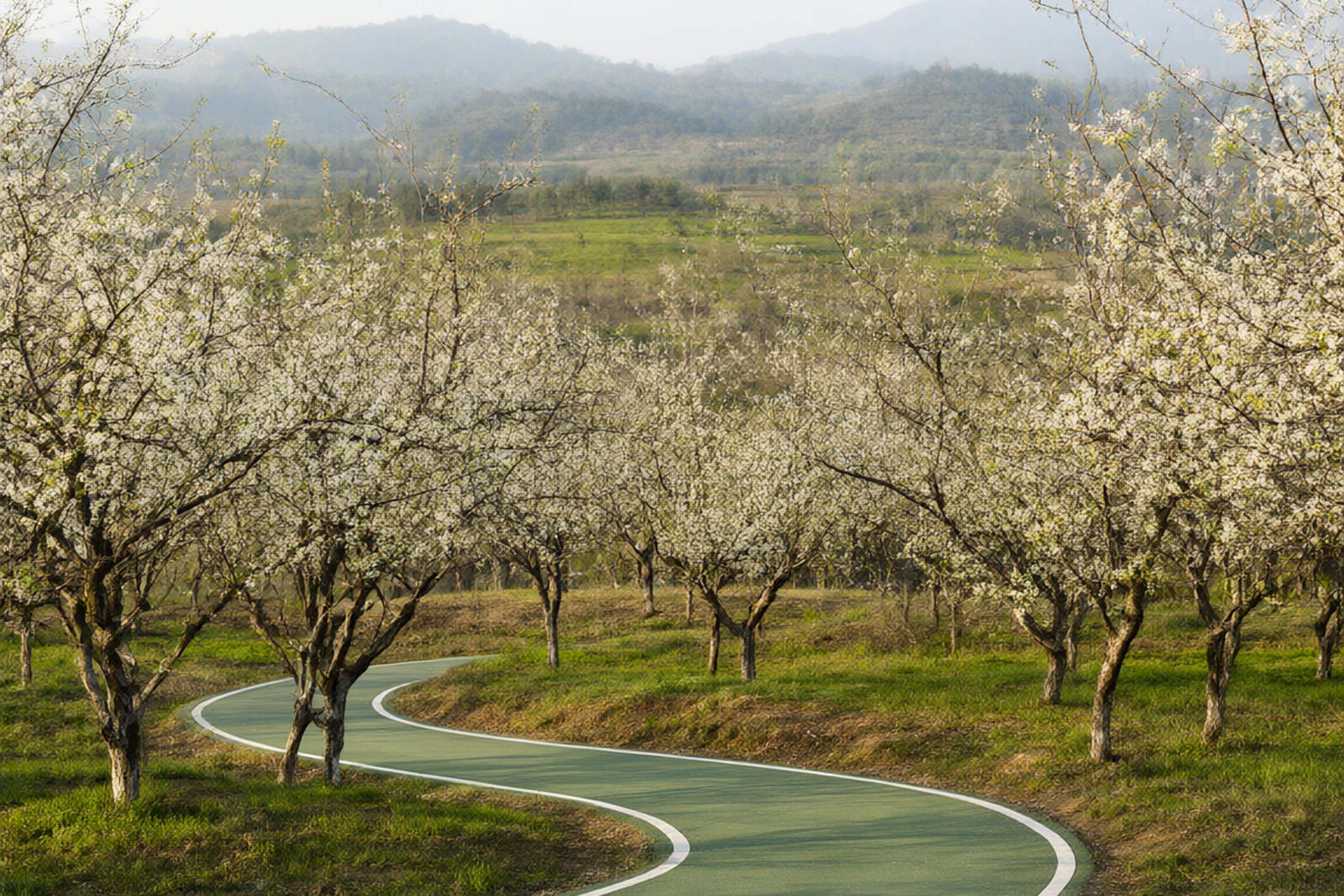
Spring answers with the citrus blossom and the cycling crowds, when the groves go white with flower and the village loops fill with riders who came for the smell. The honest summary of the zone is its own name: slow. The rides are short, the stops are frequent, the tea is poured at farmhouse tables, and nothing on the signed loops is more than a stage apart from the next. The slow city is the district’s flat green argument that a landscape does not need cliffs to be worth a day – only fruit, villages, and the patience to take both at riding pace.
Words and Names
长寿慢城 Chángshòu Mànchéng, Changshou Slow City, in 长寿区 Chángshòu Qū, Changshou District: the branded citrus-and-pomelo farm belt south of 长寿湖 Chángshòu Hú, Changshou Lake. Its heart is the 十里柚乡 Shílǐ Yòuxiāng, the “ten-li pomelo country”, orchard roads planted in 沙田柚 Shātián yòu, shatian pomelos, with signed cycling loops running village to village, the summer-orange groves of the lake’s orange farms, and homestays that set their tables from the fields. Autumn brings the picking weeks and the fruit fairs on the slow-city avenue; spring brings the citrus blossom and the riders. No picking-price figure or posted hours table is on the record consulted, and none is invented here; each orchard sets its own rates on the day.
What the Locals Know
The local knowledge is the calendar more than the map. The picking weeks of late autumn are when the zone is at full volume – baskets out, fairs on, every orchard gate open – and the locals either join the crowd gladly or wait for the shoulder weeks when the fruit is still hanging and the lanes are quiet. Spring is the blossom season and the riders’ favourite, best on a weekday morning before the weekend pelotons arrive. The riding is easy but the sun on the orchard roads is not, so the locals go early, and they finish at a farmhouse table rather than a roadside one, because the homestay kitchens know what the trees did this year.
Practicalities
Tickets: The zone is open farm country – roads, villages and orchards with no gate around the whole – and no entry figure exists to quote. Individual orchards charge for picking at their own gates on the day, and each sets its own rate; the page declines to quote a number it does not have. Opening hours: The roads and lanes are always open; the orchards and homestays keep farm hours, early to late in the picking season and quieter between harvests. No posted hours table is on the record consulted; the honest clock is the daylight’s and the trees’. Closing day: None posted – farm country does not close its weeks, and no published rest day is on the record consulted. The seasonal truth is the opposite of a closing day: the zone is fullest in late autumn, and a visitor who wants it slow should aim either side of the picking peak.
flowcloud would say that Changshou Slow City is the district’s name taken at riding pace – the citrus-and-pomelo country south of the lake, with the ten-li pomelo country’s orchard roads, signed village cycling loops, summer-orange groves and farmhouse homestay tables, at its best when the autumn picking weeks fill the valley with baskets and the fairs line the slow-city avenue – and that the correct visit is the slow one, bicycle in the morning, farmhouse table at dusk. All checked October 2026.
Getting there: the zone lies south of 长寿湖 Chángshòu Hú, Changshou Lake, in the 长寿区 Chángshòu Qū farm belt, reached by the country roads that run down from the lake shore and out from the district seat, with the signed cycling loops beginning at the villages; no picking-price figure or posted hours table is on the record consulted, so none is invented here. Pair this page with the changshou-shatian-pomelo page in the food column for the fruit itself, and with the changshou-lake-hotels page in the stay column for the lake-and-orchard double. All checked October 2026.