
Under a low mound in the Dongting plain, six thousand years ago, somebody dug a ditch and piled the earth up inside it, and that ditch is the earliest known town wall in China. 城头山 Chéngtóushān — literally “hill at the head of the town” — is a walled Neolithic settlement in 澧县 Lǐ Xiàn, thirty-odd kilometres north-west of 常德 Chángdé, and it is one of the most important archaeological sites in the country: the oldest walled town yet found in China, sitting on top of rice paddies older than the pyramids, in a continuous sequence of occupation that runs for two thousand years. It is also, to look at, a field with some low earthworks in it, which is why you should read something before you go.
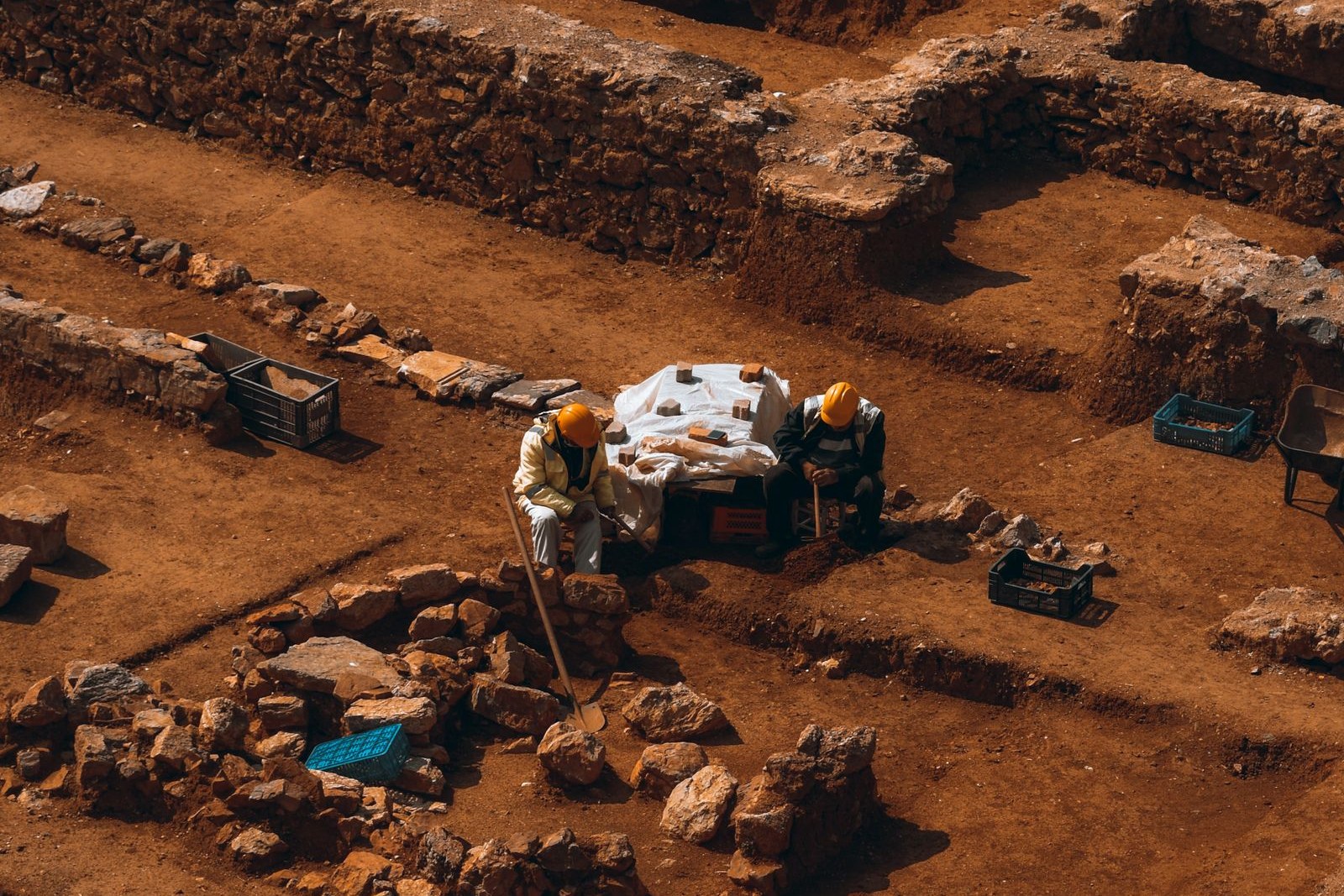
The site belongs to the middle Neolithic of the middle Yangtze, in the 大溪 Dàxī and 屈家岭 Qūjiālǐng cultural phases, and dates broadly to between 4000 and 2000 BC. What the excavation found, layer by layer, is remarkable: a rectangular walled enclosure with a moat, entered through gates; the remains of rice fields under the settlement with irrigation channels cut into them, dated to around 4500 BC and among the earliest cultivated wet-rice systems known anywhere; wooden paddles and other agricultural tools; pottery kilns; sacrificial pits containing human remains; and, in the later levels, evidence of copper working. The town was occupied, abandoned and reoccupied, and the layers are so clear that the site has become a textbook for Chinese archaeologists.
What has been built on top is a national archaeological park, which is the modern Chinese way of handling a site like this: a museum with the key finds and a reconstruction of the sequence, a protective building over the excavated area, an outdoor park laid out over the rest, and various interpretive installations. The permanent exhibition is genuinely good — the rice paddy section, with the original field surface preserved under cover and the irrigation ditches still legible, is the thing most visitors remember — and it explains the sequence better than the outdoor area, where you are looking at reconstructed ramparts and a lot of grass. Go to the museum first, then walk the site.
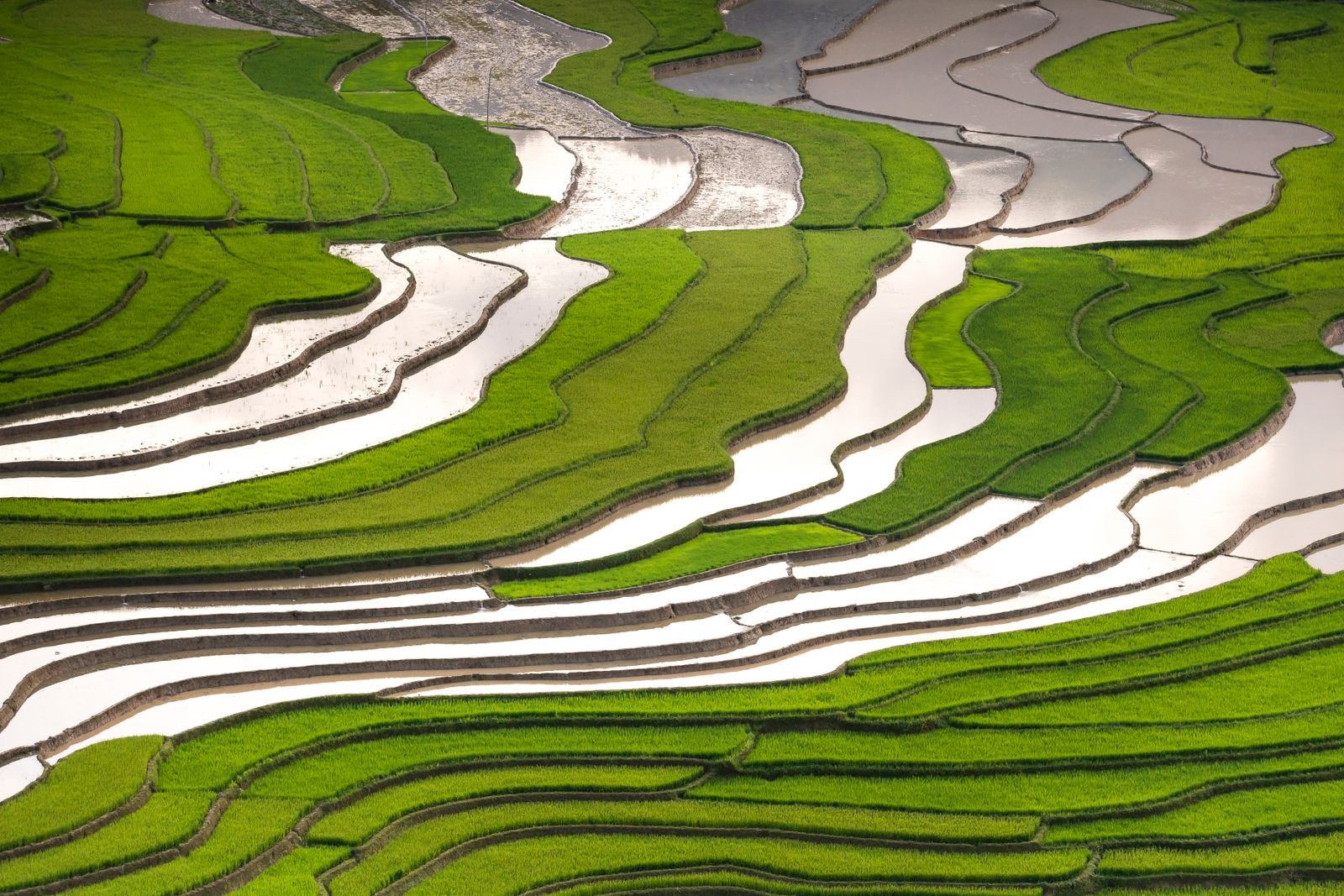
The surrounding countryside repays a drive. This is the 澧阳平原 Lǐyáng Píngyuán, the flat rice-and-lotus country between the 澧水 Lǐshuǐ and the Dongting lake, studded with other Neolithic sites of the same culture and, in summer, with lotus fields that go to the horizon. The county town of 澧县 Lǐ Xiàn is small and has a decent market.
Practicalities
Tickets. Around ¥50–80 for the archaeological park and museum; the site also sells combination tickets bundling activities and a meal at ¥128–238, which are aimed at school groups and family outings.
Opening hours. Roughly 08:30–17:00, with last entry around 16:30. The museum is the part to do first and it closes with the park.
Closing day. Most Chinese archaeological parks and museums close on Mondays, and this one follows the general pattern; the outdoor area sometimes stays accessible. If you are coming for a single day, avoid Monday.
Getting there. About 35 kilometres and 45 minutes by car from 常德 Chángdé city, taxi ¥100–150; about 20 minutes from 澧县 Lǐ Xiàn county town. 澧县 Lǐ Xiàn has a railway station on the ordinary line, and there is now a high-speed halt in the area. Public buses to the site are infrequent; a taxi or a hired car is the practical option.
What People Get Wrong
They arrive expecting to see a town. What is visible is earthworks on a plain; the town is in the layers and in the museum. Read a page about the site on the way there — or hire the guide at the gate — and the same field becomes engrossing. Without that, it is a walk in the country.
Getting there
By car from 常德 Chángdé, or by train to 澧县 Lǐ Xiàn and then a taxi. Half a day is sufficient for the museum and the site. It combines well with 夹山寺 Jiāshān Sì and the 壶瓶山 Húpíng Shān road if you are touring the north of the prefecture, and with 柳叶湖 Liǔyè Hú for a return to the city.
flowcloud would say that the earliest town in China is a ditch and a bank of earth on a plain, and that the reason it is not famous is precisely the reason it is important — it did not need to impress anybody, it needed to keep the water out and the rice in.
Getting there: 城头山 (Chéngtóushān), 澧县 (Lǐ Xiàn), 常德市 (Chángdéshì), 湖南 (Húnán). Open roughly 08:30–17:00, usually closed Mondays; entry ¥50–80, combination tickets ¥128–238. About 45 minutes and ¥100–150 by taxi from 常德 (Chángdé). Do the museum first and the earthworks second, and read about the site beforehand.