
Chen Tuan’s Hometown
崇龛 Chóngkān Chongkan, the same southern town of 潼南区 Tóngnán Qū Tongnan District that draws the March flower crowds, is also honoured as the birthplace of 陈抟 Chén Tuán Chen Tuan, a Taoist sage of the Tang-to-Song transition remembered for his sleep-cultivation and his learning. The town keeps a shrine to him: an ancestral hall and a set of gardens that tell his story in stone and planting rather than in spectacle. For travellers who come for the rapeseed sea and stay to learn the place, Chen Tuan’s hometown adds a layer of quiet scholarship to Chongkan’s brighter fame, and ties the flower fields to a name that Chinese Taoist memory still carries.
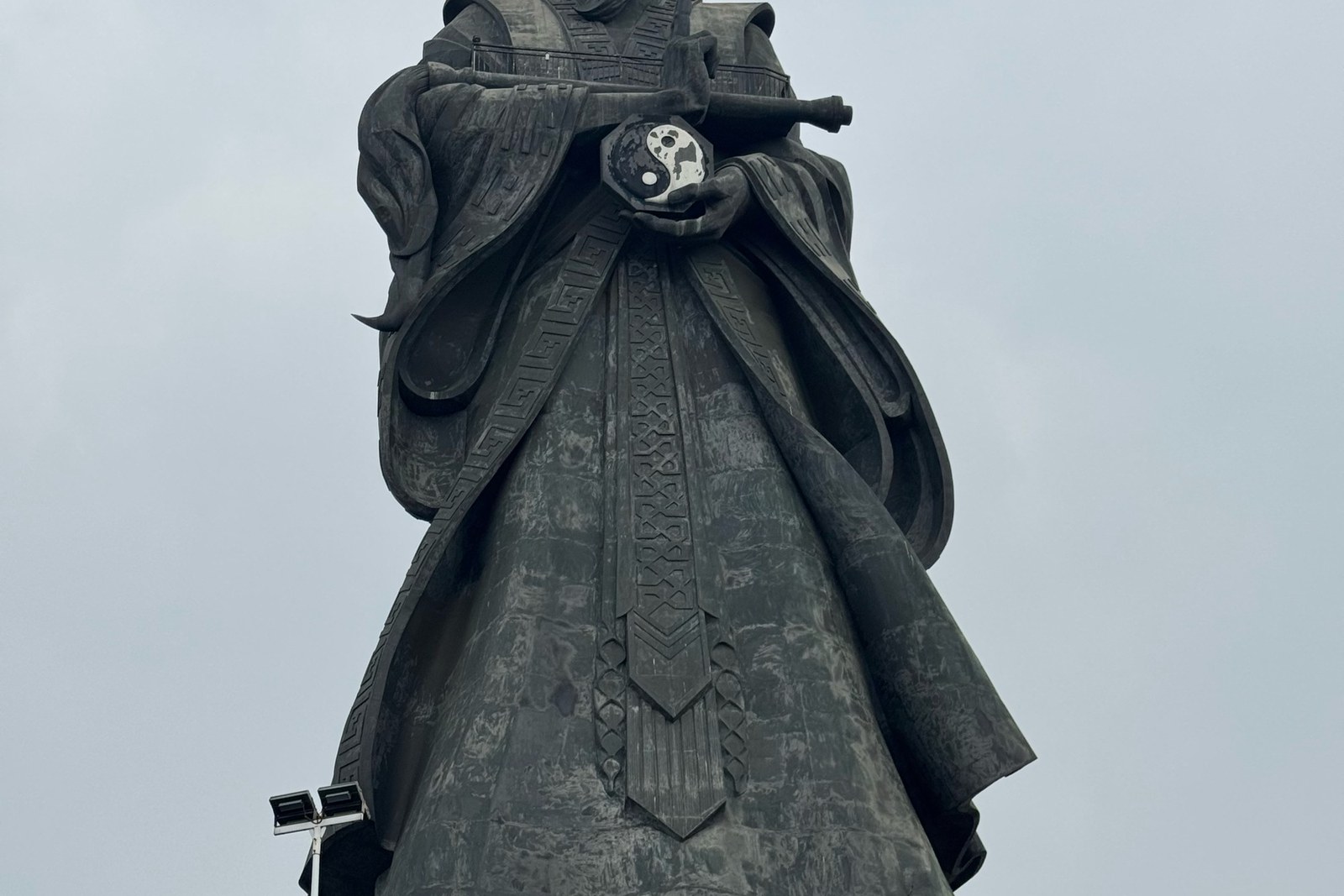
The legend is the draw as much as the buildings. 陈抟 Chén Tuán Chen Tuan is said to have mastered sleep as a form of cultivation, dozing for long stretches as a path to stillness and insight, and the gardens of his hometown play on that theme with restful layouts and carved scenes of the sage at rest. The ancestral hall (祠堂) holds his place in the local line of worthies, and the grounds are arranged so a visitor walks from one episode of the legend to the next rather than reading a single plaque. Because Chongkan is flat river farmland, the shrine sits among ordinary fields, which makes the scholarly memory feel rooted in the district’s soil rather than lifted above it.
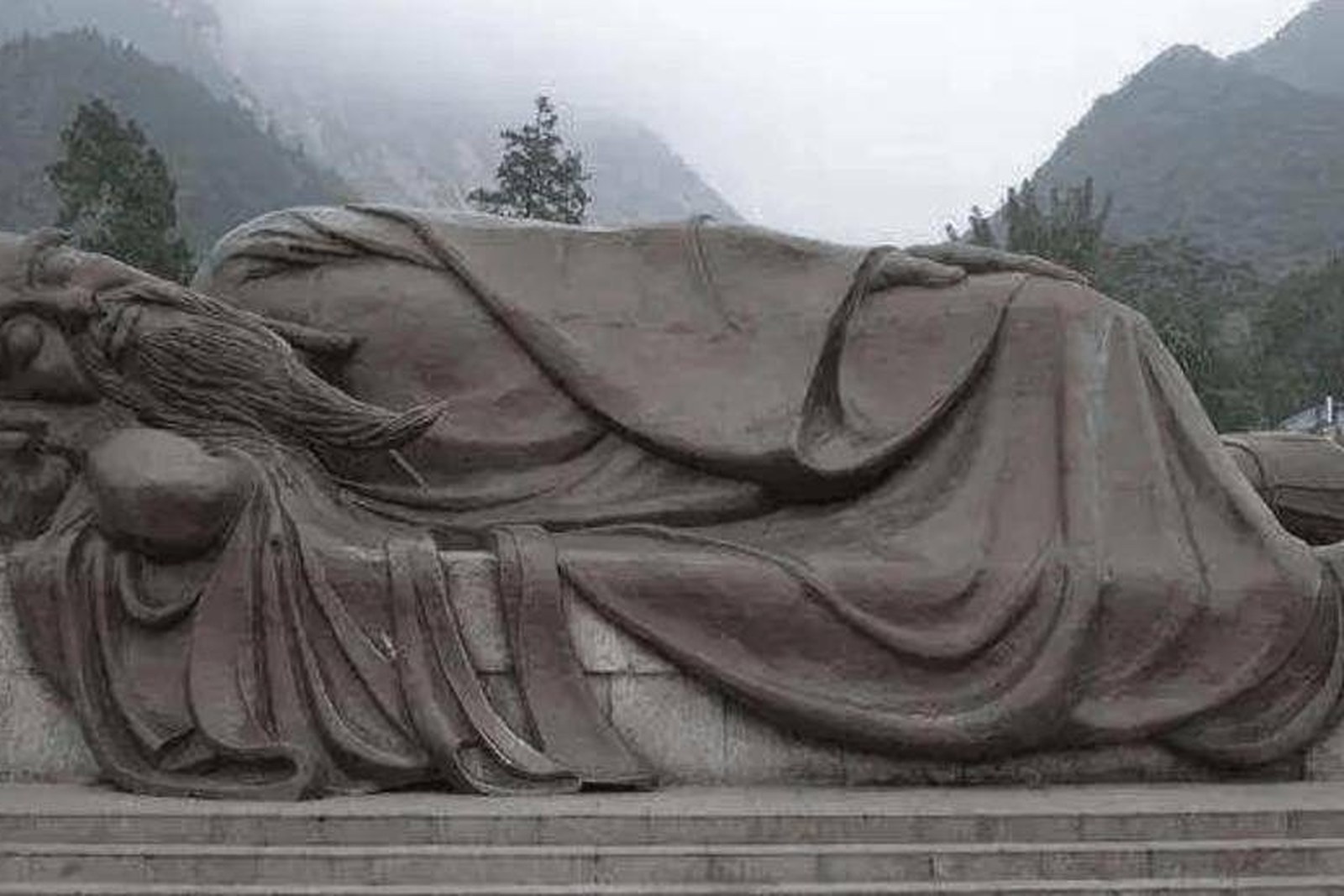
What gives the place its particular calm is the pairing of fame and modesty. Chen Tuan is a name in the wider Taoist tradition, yet his hometown shrine is local and unhurried, a spot where the spring flower crowds thin out and the river country shows its studious side. The gardens are best taken slowly, as the legend itself asks, and the hall is a place to stand quiet rather than to tour. The honesty of Chongkan’s Chen Tuan site is that it commemorates a son of the soil without claiming more than a hometown’s proud memory can hold, and it sits naturally beside the fields that made the town famous for a different reason.
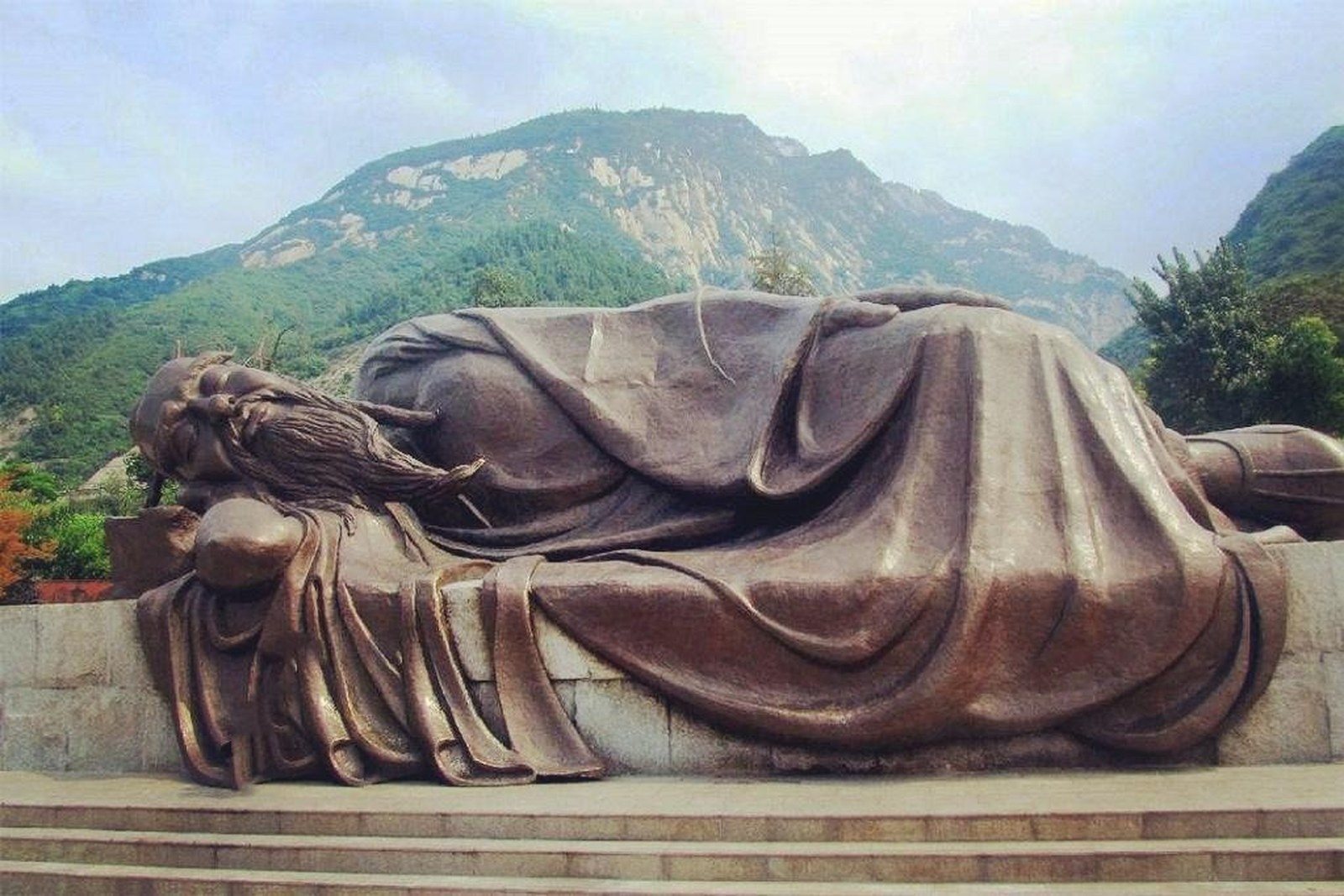
The shrine rewards a calm visitor. Walk the garden paths in the order the legend lays them out, pause in the ancestral hall rather than rushing it, and pair the visit with the flower fields in season so the scholar’s hometown and the sea of gold are seen as one Chongkan. Because it is a commemorative garden, treat the hall and carvings with respect and let the quiet be the point.
Words and Names
潼南区 Tóngnán Qū is Tongnan District in northern Chongqing. 崇龛 Chóngkān is Chongkan, the southern town that is both the centre of the rapeseed flower fields and the birthplace of Chen Tuan. 陈抟 Chén Tuán is Chen Tuan, the Taoist sage of the Tang-to-Song transition born in Tongnan, remembered for sleep-cultivation and learning. The ancestral hall (祠堂) and its gardens at Chongkan tell his legend in carved stone and planting.
What the Locals Know
Chen Tuan’s hometown shrine sits in the same Chongkan fields as the March flower sea, so the calmest visit to the hall and gardens is outside peak bloom weeks or at the quiet ends of the day when the flower crowds have thinned. Locals say the gardens are meant to be walked slowly in the order the legend unfolds, and that the ancestral hall is a place to stand quiet rather than to hurry through. Because the site commemorates a hometown son, treat the carvings and hall with respect; no specific ticket price, festival date or relic claim is stated here. The shrine is a local commemorative garden, not a major national Taoist institution, and its story is told in planting and stone rather than in grand architecture.
flowcloud would say that Chen Tuan’s hometown is the Chongkan shrine in Tongnan to the Taoist sage 陈抟 Chen Tuan, born in the district, with his ancestral hall and legend-telling gardens that play on his famed sleep-cultivation, a quiet scholarly counterpoint to the town’s spring sea of gold. All checked October 2026.
Where to find it: the hometown shrine to 陈抟 Chén Tuán Chen Tuan lies in 崇龛 Chóngkān Chongkan, 潼南区 Tóngnán Qū Tongnan District, Chongqing, among the same river fields that hold the spring rapeseed flower sea, reached from the district town. No specific ticket office, address or festival date is invented here; the site is a local commemorative hall and garden marking a hometown worthy rather than a gated commercial venue. All checked October 2026.