
China Aviation Museum: Asia’s Largest Aviation Museum, the Open-Air Flight Line of Three Hundred Aircraft and the Burrowed Cave Hangar of Xiaotangshan in Changping District, Beijing
银翼成行列翠坡,长空往事入烟多。Yínyì chéng háng liè cuì pō, chángkōng wǎngshì rù yān duō – Silver wings stand in ranks on the green slopes; the long sky’s past drifts into the smoke of years.
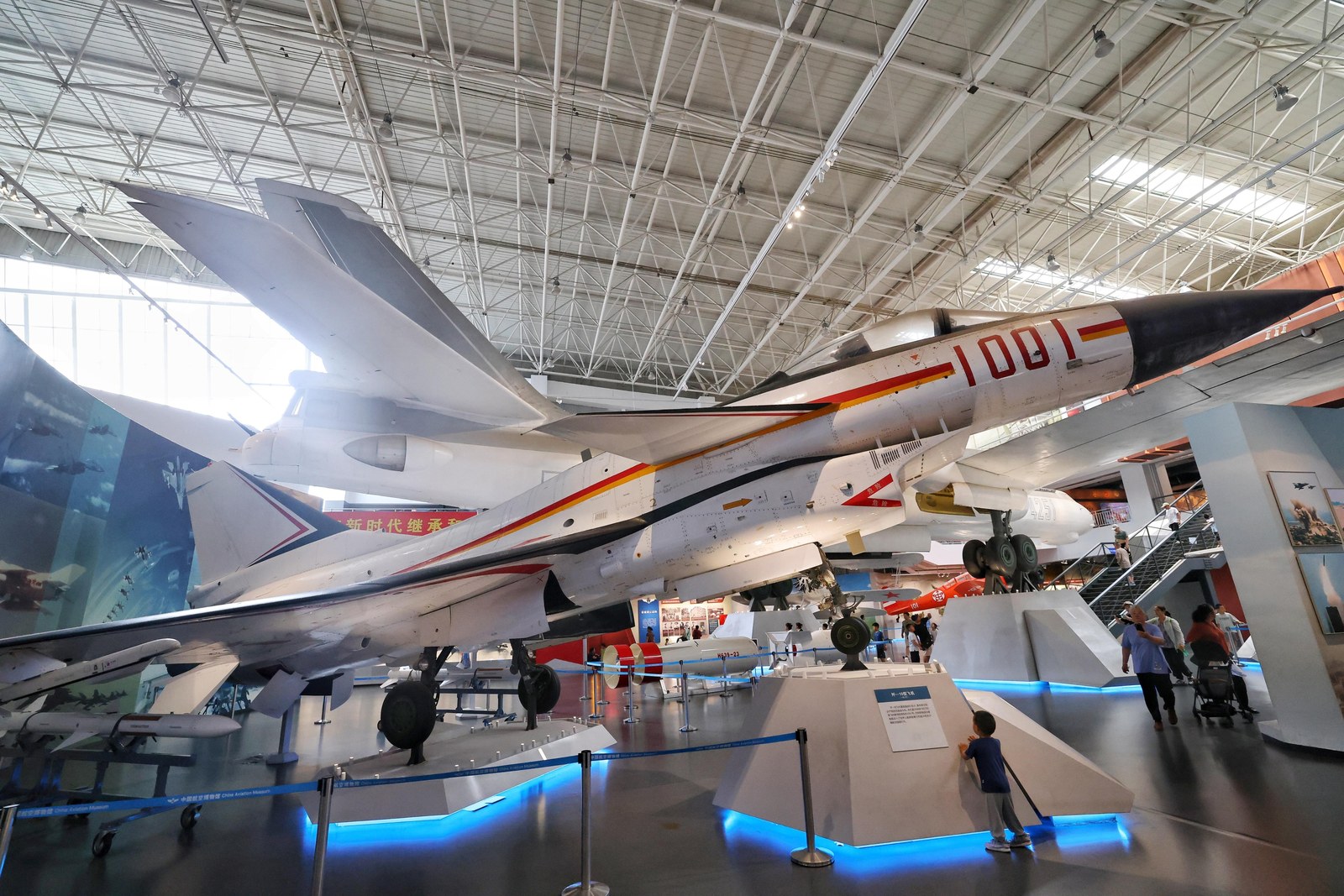
中国航空博物馆 Zhōngguó Hángkōng Bówùguǎn the China Aviation Museum is not a museum with planes in it — it is, plainly put, an airfield given over to memory: a reported seven-hundred-thousand-odd square metres of hill, apron and grass at the foot of 大汤山 Dàtāng Shān in 小汤山镇 Xiǎotāngshān Zhèn Xiaotangshan Town, 昌平区 Chāngpíng Qū Changping District, begun in 1986 and opened to the public in November 1989, and counted the largest aviation museum in Asia. The collection runs to a reported three hundred-plus aircraft — fighters, bombers, trainers, transports, helicopters and their missile and radar kin — displayed in three modes: inside a cave, in halls, and in the open air. The cave is the signature: a 洞库展厅 dòngkù zhǎntīng burrowed hangar tunnelled into the hillside, several hundred metres of cool tunnel lined with fighters. The 露天展厅 lùtiān zhǎntīng open-air display is the photograph: ranks of jets on the grass and apron under real sky, tail numbers running off into the distance like a living flight line. What you actually visit is an outdoor aviation world you walk for hours — sun hat in summer, wind jacket in winter — not a glass-case museum.
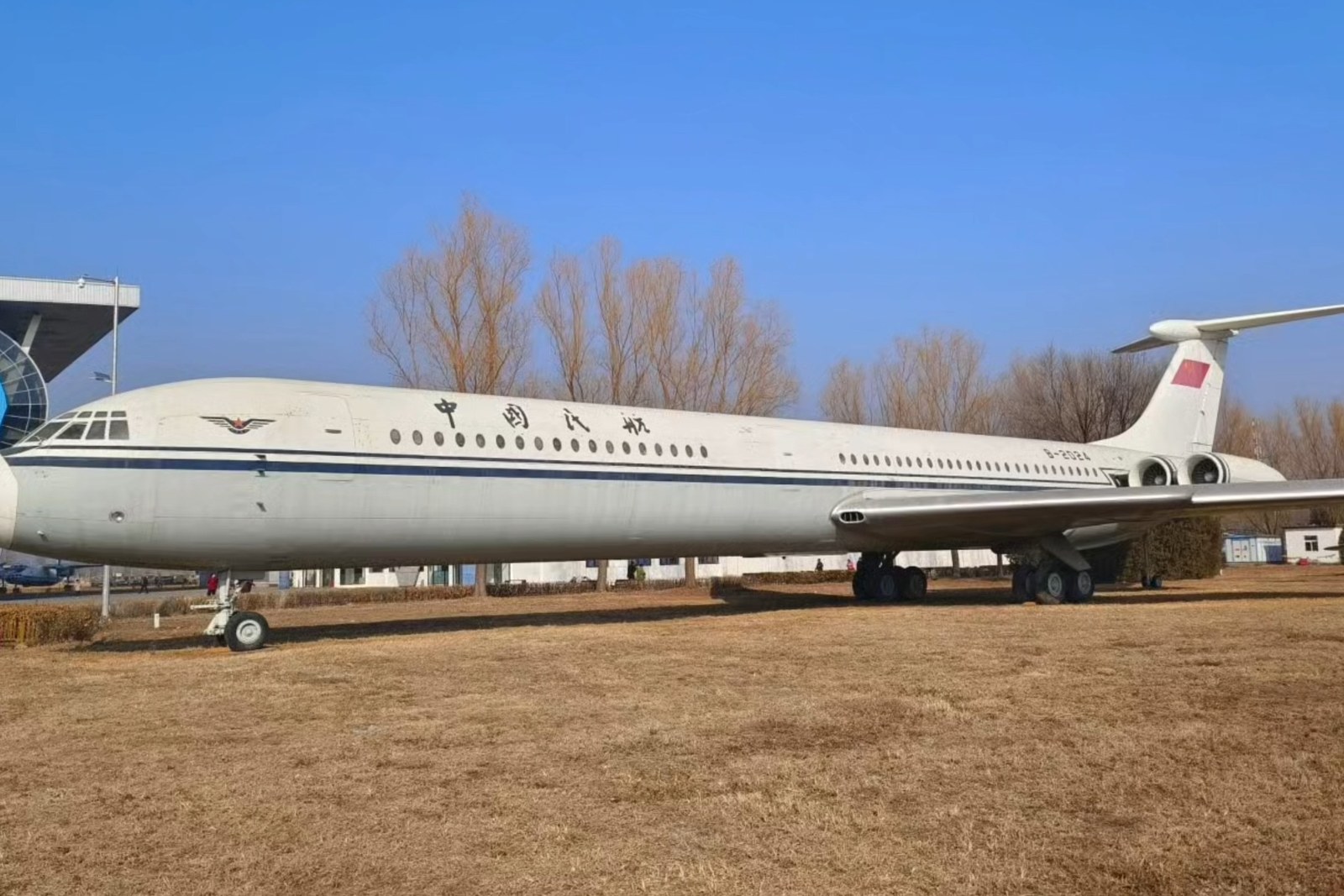
Call it honestly: the museum is free, which is remarkable for its size, with entry on reservation through official channels and closing days that have followed the common Monday pattern (worth confirming the details for current booking rules, hours and closing days). Hours have run roughly 9:00 to 16:30 with seasonal shifts, and the distances inside are airfield-sized — from the cave to the far end of the open line is a genuine walk, so families plan a route rather than a conquest. The collection’s charm and its weakness are the same thing: much of it stands outdoors, so the paint weathers and the signage is uneven, and the honest visit treats that as part of the romance. Weekday mornings are near-empty; weekends bring the plane-spotters and the stroller armies. Give it half a day — two hours for the cave and the headline aircraft, four if you read placards properly — and bring water, since shade is scarce on the apron.
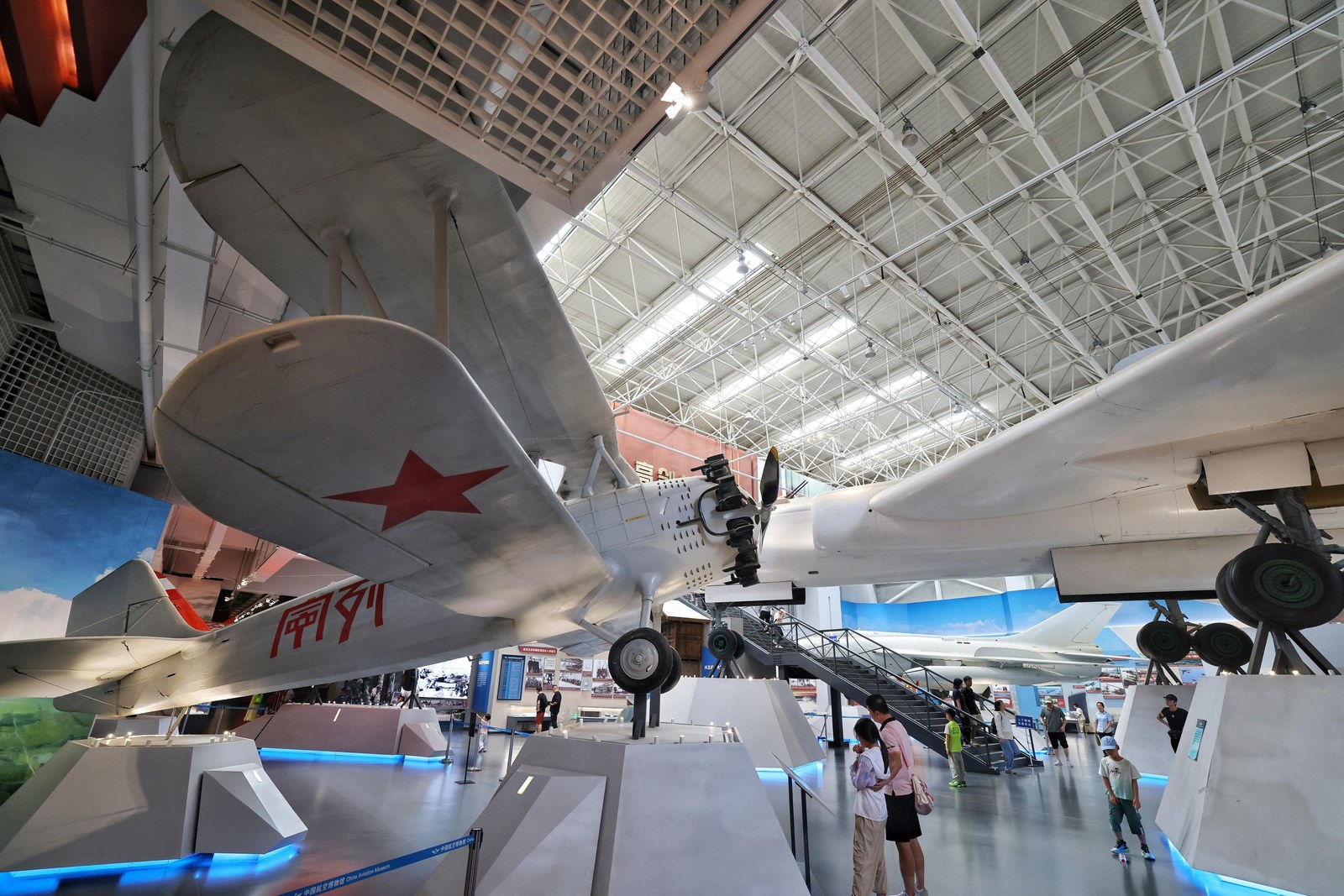
The honest star is the cave hangar — fighters parked nose-in in the dark, the temperature drop in August, the echo of your own steps — not the gift counters. The headline stories repay preparation: the 伊尔-14 Yī’ěr shísì Ilyushin Il-14 airliner associated with Chairman Mao’s travel, the 米格-15 Mǐgé shíwǔ MiG-15 fighter named 香玉剧社号 Xiāngyù Jùshè Hào — bought with the touring proceeds of the opera star 常香玉 Cháng Xiāngyù in the Korean-War years — and one of the very few surviving P-61 黑寡妇 hēiguǎfù Black Widow night fighters anywhere (worth confirming the details for what stands where on your day). What gets oversold is the “largest in Asia” superlative read as a polished aerospace theme park: this is a working open-air museum, half hangar, half meadow, its dignity in the weathered honesty of the metal. What repays the effort is the odd pleasure of tail fins against wheat fields — and the simple scale of the thing: more historic airframes in one field than most countries own in total. Come for the layering of the place: cave, then flight line, then the halls.
The self-aware postscript: I fell into step with a volunteer docent, a retired airman who polished one canopy every morning, and when I asked why that one he said, “I flew this family for twenty years — now I keep its windows clean”. That is the visit in miniature. 中国航空博物馆 Zhōngguó Hángkōng Bówùguǎn suits whoever treats it as a half-day of walking among giants first and a checklist of types second, and exhausts anyone expecting climate-controlled exhibition design and a cappuccino machine. Everything else on this Changping list lies within a district drive: the tomb valley of 明十三陵 Míng Shísān Líng, the pine stair of 蟒山国家森林公园 Mǎngshān Guójiā Sēnlín Gōngyuán by the reservoir, the frontier ring of 居庸关长城 Jūyōngguān Chángchéng in the hills, and the stupa grove of 银山塔林 Yínshān Tǎlín in the eastern valleys — all in the same 昌平区 Chāngpíng Qū, where the dynasty’s north gate and the air force’s memory share one postcode.
Practicalities
- Rating: ★★★★☆ — the largest aviation museum in Asia and a genuinely free one; the cave hangar and the open-air flight line outrank the halls; bring a hat, water and time.
- Tickets: Free admission on reservation through official channels, closed on the common museum closing days, with hours reported around 9:00 to 16:30 and seasonal shifts (worth confirming the details for current booking rules and hours).
- Address: 中国航空博物馆 Zhōngguó Hángkōng Bówùguǎn, at the foot of 大汤山 Dàtāng Shān, 小汤山镇 Xiǎotāngshān Zhèn, 昌平区 Chāngpíng Qū, Beijing — off the 顺沙路 Shùnshā Lù corridor.
- Time needed: Half a day honestly done — cave plus headline aircraft plus a stretch of the open line; a full day for the complete placard reader.
Words and Names
中国航空博物馆 Zhōngguó Hángkōng Bówùguǎn China Aviation Museum · the national aviation museum opened in 1989 小汤山镇 Xiǎotāngshān Zhèn Xiaotangshan Town · the hot-spring town that hosts the museum 洞库展厅 dòngkù zhǎntīng cave-hangar hall · the tunnelled depot in the hillside 露天展厅 lùtiān zhǎntīng open-air display · the flight line of aircraft under real sky 伊尔-14 Yī’ěr shísì Ilyushin Il-14 · the airliner associated with Chairman Mao’s travel 米格-15 Mǐgé shíwǔ MiG-15 · the Korean-War-era jet fighter of the collection 香玉剧社号 Xiāngyù Jùshè Hào Xiangyu Opera Troupe · the MiG-15 funded by touring opera proceeds 黑寡妇 hēiguǎfù Black Widow · the rare P-61 night fighter in the collection
flowcloud would say that 中国航空博物馆 Zhōngguó Hángkōng Bówùguǎn is an airfield that retired into storytelling — begun in 1986, open since November 1989, the largest aviation museum in Asia with a reported three hundred-plus aircraft, its 洞库展厅 dòngkù zhǎntīng tunnelled cool into 大汤山 Dàtāng Shān and its 露天展厅 lùtiān zhǎntīng ranks standing on real grass — and that the honest move is a weekday morning with the reservation booked and a hat on, because hours, closing days and what stands where all shift (worth confirming the details), the largest-in-Asia superlative is the poster half and the cool dark of the cave is the real half, and the museum repays whoever walks the flight line slowly. All checked October 2026.
Getting there: Metro Line 5 out to the 天通苑北 Tiāntōngyuàn Běi terminus hands off to buses and taxis running north onto the 小汤山 Xiǎotāngshān flats toward the museum’s airfield grounds, a reported twenty-minute final leg; self-drive crosses the 京承高速 Jīngchéng gāosù G45 or 京新高速 Jīngxīn gāosù G7 corridors and follows the signed 小汤山 Xiǎotāngshān lanes to the gate lots; between the open-air aircraft rows and the tunnel halls the grounds make for a half-day at least, so set out early from the city (worth confirming the details for current bus numbers, museum opening days and on-site parking). All checked October 2026.