
清水湾 Qīngshuǐ wān is the beach that sings. It is a long, gentle curve of white sand on the south-east coast of 陵水 Língshuǐ – and of the island’s east coast more broadly, running between 陵水 and 三亚 – and it is famous locally for two things. The first is the water, which is clear, shallow and calm, held by a reef far out, so that swimming here is as safe as it gets on this coast. The second is the sand, which is a fine, pale quartz that is said to 唱歌 chàng gē, to sing: walk on it on a dry day and it makes a low creaking or squeaking sound underfoot, the noise of the grains being compressed and sliding over one another.
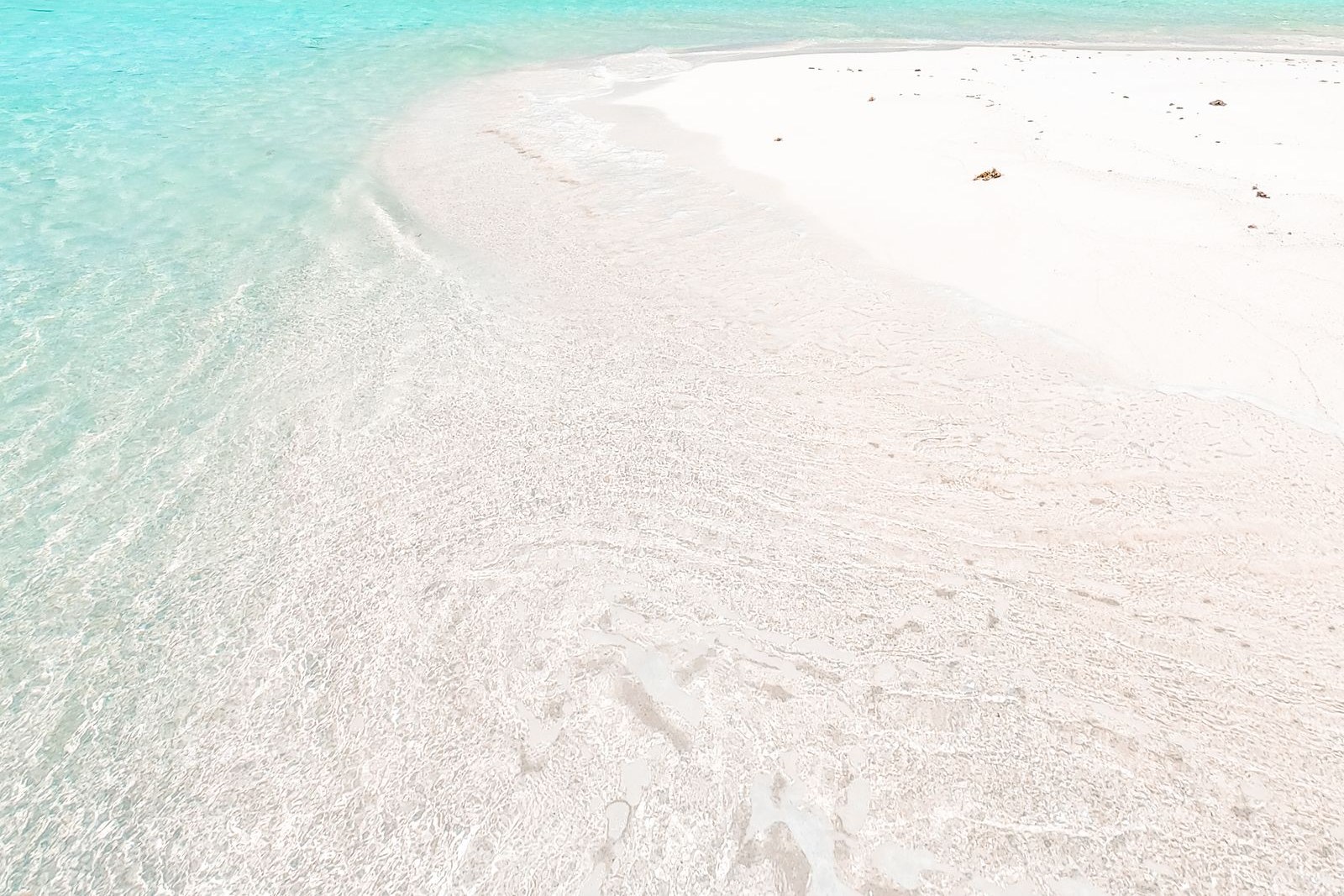
The bay is not a town, it is a stretch of coast. Its twelve kilometres or so of sand are lined by a handful of resorts, a beachfront or two, and a couple of car parks, but the beach itself remains open and public, and a long walk along it is the best way to spend an afternoon. The west end, closer to 陵水, is the more developed; the east end, running towards the headland, is quieter and emptier. The water is calm enough for families, flat enough for paddleboarding and kitesurfing at the right wind, and clear enough to see your toes at waist depth. It is also, by the standards of the island, a beach that stays put – the reef sheltering it keeps the current that moves sand elsewhere.
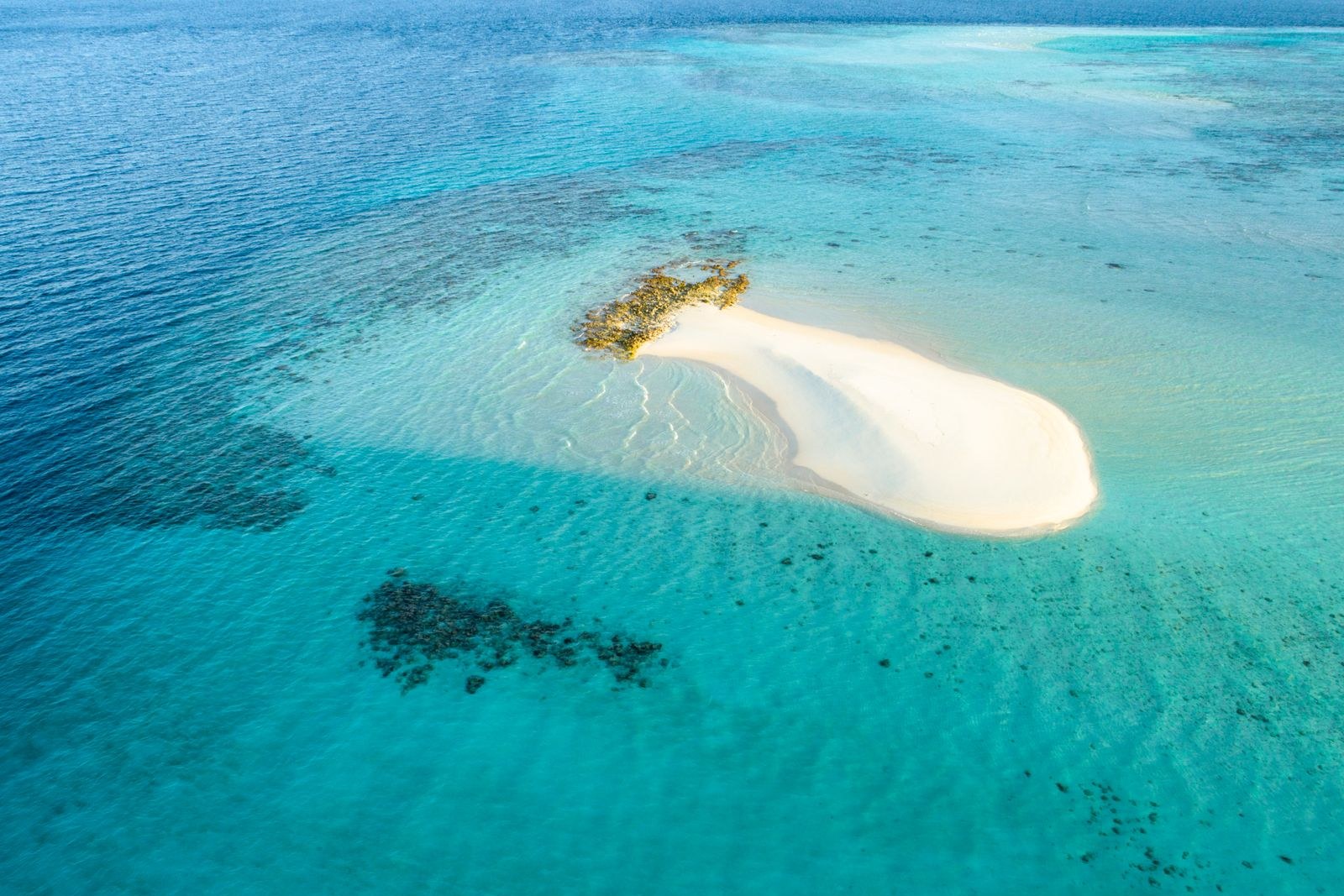
Around the sand there is a small travelling world: a seafood market on the 疍家 Dànjiā rafts in the adjacent lagoon, the 疍家 cooking you can eat on the water, and a few beachside huts selling coconut water and the day’s catch. It is a beach that rewards the unhurried. Bring a hat, swim early or late when the sun is not overhead, and do not expect a long promenade or a nightlife strip, because 清水湾 has never been built up that way. It is, above all, a place to be quiet at.
Practicalities
Tickets. The beach itself is free and open to the public. The resorts that front it charge for day use of their pools and facilities, and there are small fees for the car parks and for water-sports equipment.
Opening hours. The beach is open all day and all night, and swimming is allowed throughout daylight while lifeguards are on duty, in practice to early evening in season. The clearest, calmest water is in the morning.
Getting there. 清水湾 is on the coast south-east of 陵水 town, about thirty to forty minutes by car, and roughly an hour from 三亚. The 环岛高铁 ring railway stops at 陵水站 Língshuǐ zhàn; from there a bus or taxi runs towards the coast.
Closing day. The beach has no closing day and is open every day of the year. The car parks and the resorts are open daily, and the water-sports operators run on the season rather than a weekly cycle; swimming may be discouraged during a typhoon warning.
Getting there: 陵水 town is the base, about thirty minutes by road from the beach, and the ring railway’s 陵水站 is a short taxi or bus from the coast.
flowcloud would say that a beach which is quietly kept open, calm enough for a child and clear enough to see the sand, and which sings under your feet, is a place that has never once had to advertise its own name, and that is its whole charm.