
高原栖黑鹤,云海抱孤峰。Gāoyuán qī hēi hè, yúnhǎi bào gū fēng – On the high plateau rests the black crane; the cloud sea cradles a lone peak.
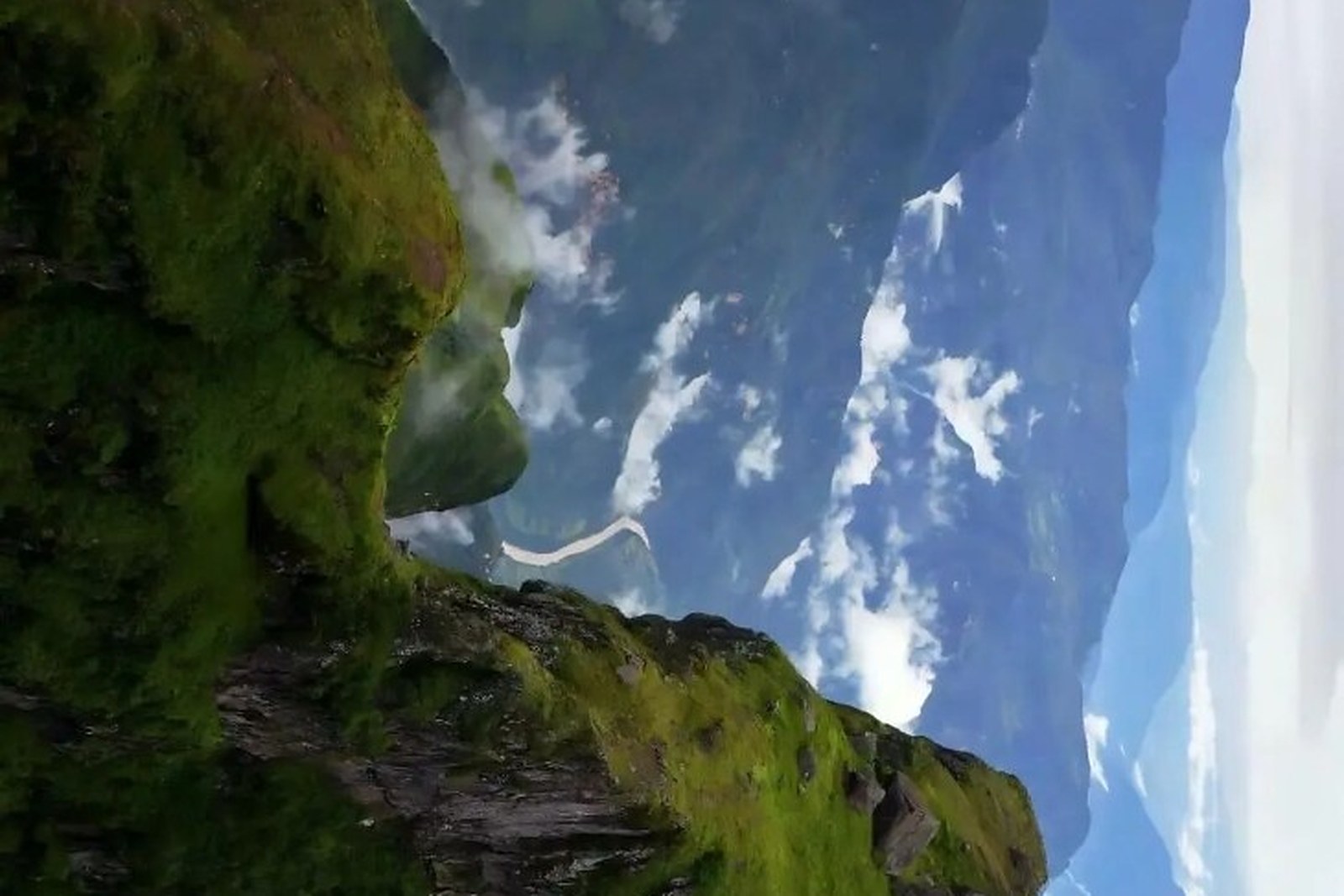
大山包 Dàshānbāo Dashanbao is not a town with a ticket gate and a sightseeing bus — it is, to be plain about it, a windswept plateau township in 昭通市 Zhāotōng Shì Zhaotong City that sits above 3,000 metres, where the 跳墩河 Tiàodūn Hé and the 大海子 Dàhǎizǐ wetlands spread out as cold marshes that, every winter, fill with 黑颈鹤 Hēijǐng Hè black-necked cranes. It is the core of the 大山包黑颈鹤国家级自然保护区 Dàshānbāo Hēijǐng Hè Guójiājí Zìrán Bǎohùqū Dashanbao Black-necked Crane National Nature Reserve, one of the very few places on earth where this endangered crane (Grus nigricollis) comes down to winter. The other two things on the brochure are the 云海 yúnhǎi cloud sea — the inversion that turns the plateau rim into an ocean of white — and the 翼装飞行 yìzhuāng fēixíng wingsuit cliff at 鸡公山 Jīgōng Shān Rooster Mountain, a near-vertical drop that has made Dashanbao a name among 翼装飞行跳台 yìzhuāng fēixíng tiàotái wingsuit launch platforms. What you are actually visiting is a working highland farming commune wrapped in a nature reserve, not a theme park: the “scenic area” is the weather, the birds and the road, and the road is the only gate there is.
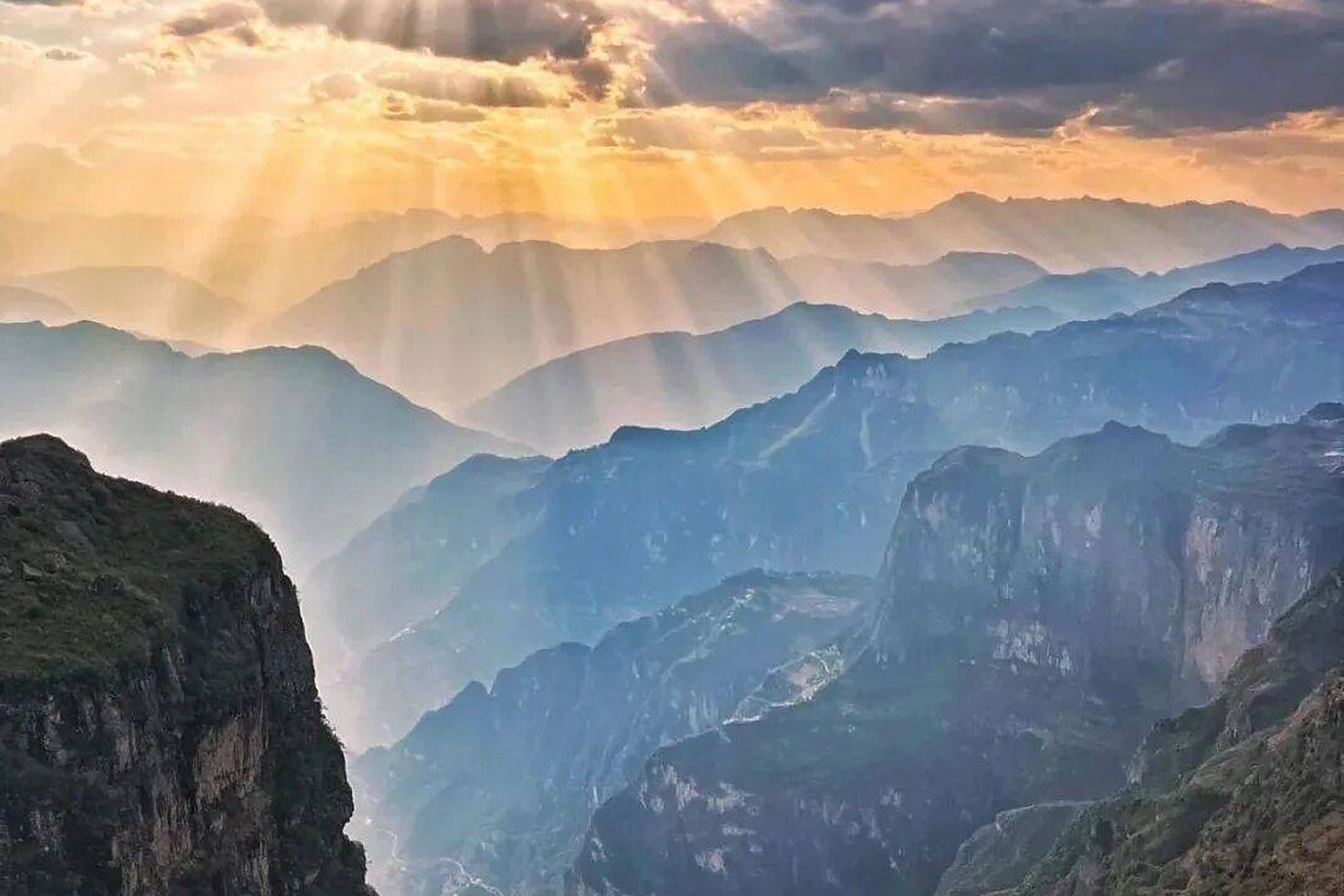
The honest grade is therefore “a wintering ground for cranes, not a resort,” and that is the whole pitch. The reserve is real and protected, but there is no single grand turnstile you walk through to “see the cranes” — you drive the rim road, stop at the wetland hides near 大海子 Dàhǎizǐ and 跳墩河 Tiàodūn Hé, and hope the birds are down off the frost (they come to the open water to feed and roost at first light and at dusk, and vanish into the cold haze by midday). Getting here is the catch: from 昭通 Zhāotōng it is a couple of hours of climbing mountain road (worth confirming the current driving time and whether the reserve runs a managed shuttle — access has in recent years been handled with a visitor cap and a park bus). There is no railway to 大山包 Dàshānbāo; you come by road from 昭通 Zhāotōng, and the plateau is cold, thin-aired and frequently socked in by weather. Pack real cold gear — this is not a sweater-and-selfie kind of summit.
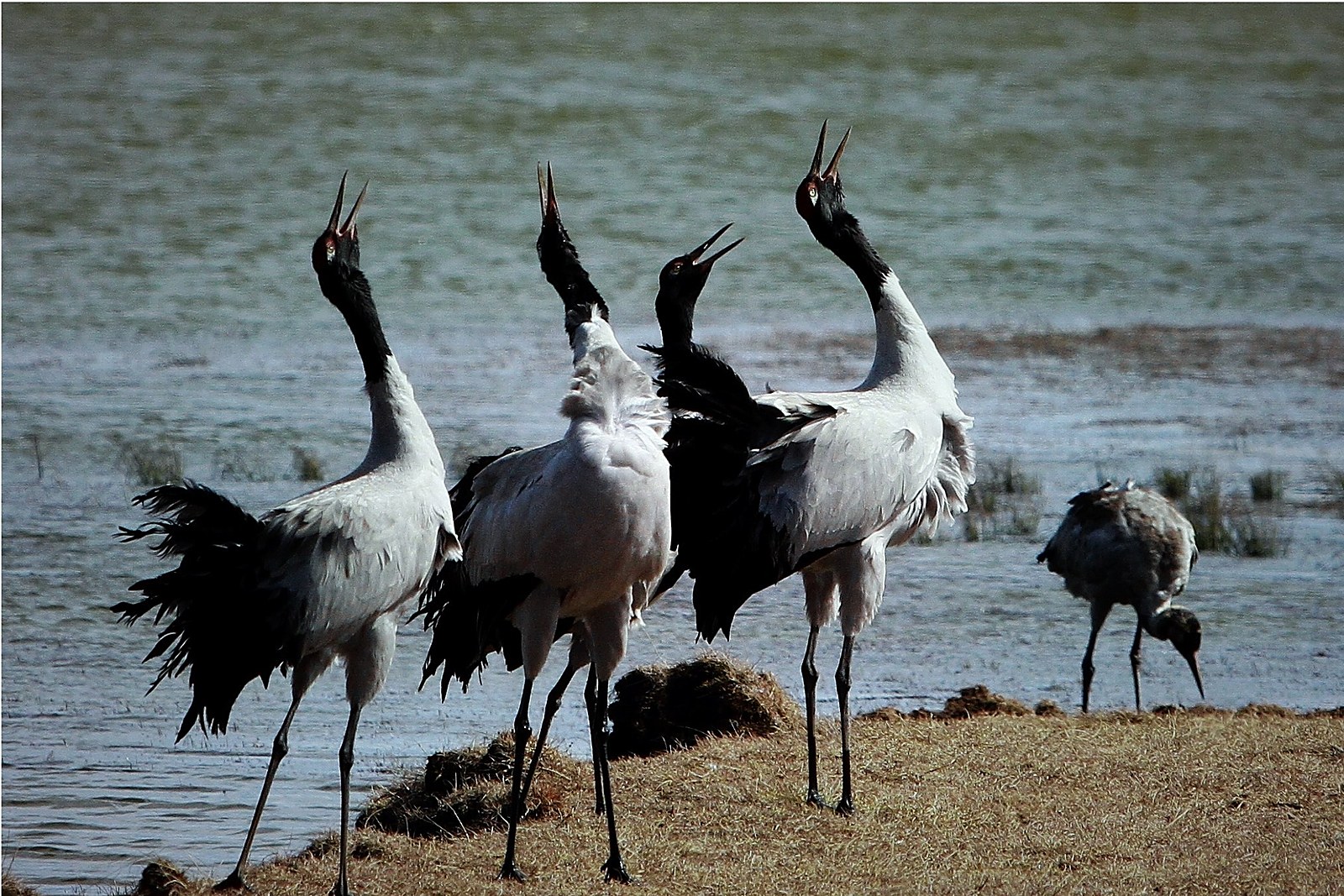
The wry truth is that Dashanbao is sold as “Yunnan’s rooftop and a wingsuit paradise,” and both halves are only half true. What is overrated is the idea that the 云海 yúnhǎi and the 翼装飞行 yìzhuāng fēixíng are there for the casual visitor: the cloud sea is a winter morning phenomenon and in summer you more often get haze; the wingsuit cliff is a professional launch for trained jumpers with permits and a crew, not a viewpoint you stroll to and flap your arms — you will watch it from a fence, if you are allowed near it at all. What is genuinely worth it is the cranes: somewhere in the low hundreds to well over a thousand black-necked cranes (worth confirming the latest winter count — the exact figure shifts year to year) standing in the frost on the wetland at dawn is a sight that earns the cold. Best season is November to March for the cranes and the cloud sea; the June-to-September green is pretty but the birds are gone. Carry cold layers, binoculars and zero expectation of a rail link, and treat the reserve as a working wetland that tolerates your look, not a stage that performs for it.
The self-deprecating footnote: I went once in July expecting “Yunnan’s rooftop” and got low cloud, no cranes and a hat-stealing wind — and still called it a good day, because the grass hills go on forever and the air is the cleanest 昭通 Zhāotōng has. The trick is to go in winter, for the cranes, and let the cloud sea and the wingsuit be the bonus.
Practicalities
- Rating: A high plateau township above 3,000 m in Zhaotong and the core of the Dashanbao Black-necked Crane National Nature Reserve; a wintering ground for the endangered black-necked crane, not a fenced, ticketed resort in the 5A sense.
- Tickets: The reserve is managed and may charge an entry or shuttle fee (worth confirming the current ticket price and whether a park bus is mandatory — the figures and access rules have shifted, so confirm before you set out). No separate “crane viewing” charge at the wetland hides.
- Address: 大山包镇 Dàshānbāo Zhèn, 昭阳区 Zhāoyáng Qū Zhaoyang District, 昭通市 Zhāotōng Shì Zhaotong — a couple of hours by road up from 昭通 Zhāotōng town; no railway.
- Time needed: A full day from 昭通 Zhāotōng for a single dawn-or-dusk look; an overnight on the plateau lets you catch the cranes at both light windows and the cloud sea if the weather breaks.
Words and Names
大山包 Dàshānbāo Dashanbao · the high plateau township in Zhaotong, core of the crane reserve 黑颈鹤 Hēijǐng Hè black-necked crane · the endangered crane that winters on the Dashanbao wetlands 跳墩河 Tiàodūn Hé Tiaodun River · one of the plateau wetlands where the cranes gather 大海子 Dàhǎizǐ Dahai Zi · the main marsh and the best crane-watching hide area 云海 yúnhǎi cloud sea · the winter morning inversion filling the plateau rim with white 翼装飞行 yìzhuāng fēixíng wingsuit flying · the pro-only cliff sport at 鸡公山 鸡公山 Jīgōng Shān Rooster Mountain · the near-vertical launch cliff above the plateau 国家级自然保护区 guójiājí zìrán bǎohùqū national nature reserve · the protected status of Dashanbao 昭通市 Zhāotōng Shì Zhaotong City · the prefecture that holds Dashanbao 草山 cǎoshān grass hill · the empty highland pasture behind the wetland
flowcloud would say that 大山包 Dàshānbāo is Zhaotong’s rooftop — above 3,000 m, the wintering ground of the 黑颈鹤 Hēijǐng Hè black-necked crane on the 跳墩河 Tiàodūn Hé and 大海子 Dàhǎizǐ wetlands, with a 云海 yúnhǎi and a pro-only 翼装飞行 yìzhuāng fēixíng cliff at 鸡公山 Jīgōng Shān — and that the honest move is a cold winter dawn for the cranes and to treat the cloud sea and the wingsuit as bonus, because the plateau won’t perform on command, there is no rail, and the reserve is a working wetland that tolerates your look, not a stage. All checked October 2026.
Getting there: the plateau township of Dashanbao, about two hours by mountain road climbing from Zhaotong town (worth confirming the current park-bus and access rules); no railway reaches it, the honest window is November to March for the black-necked cranes and the cloud sea, and you need real cold-weather gear above 3,000 m. All checked October 2026.