
Where Tianjin Began: Dazhigu and the Tianfei Palace
天妃宫里香火静,古渡千年说津门 Tiānfēi Gōng lǐ xiānghuǒ jìng, gǔdù qiānnián shuō jīnmén – The incense rests quiet in the Tianfei Palace; an ancient ferry crossing tells the story of Tianjin’s door across a thousand years
大直沽天妃宫 Dàzhígū Tiānfēi Gōng The Tianfei Palace of 大直沽 Dàzhígū Dazhigu is where 天津市河东区 Tiānjīn Shì Hédōng Qū Hedong District keeps the city’s birth certificate – a grain-and-salt landing on the Haihe long before the walled town rose across the river, as the old saying has it: first came Dazhigu, then came Tianjinwei. The palace was raised for the sea goddess 妈祖 Māzǔ Mazu in the Yuan dynasty, and sailors and grain barges prayed here for centuries before their runs up the coast.
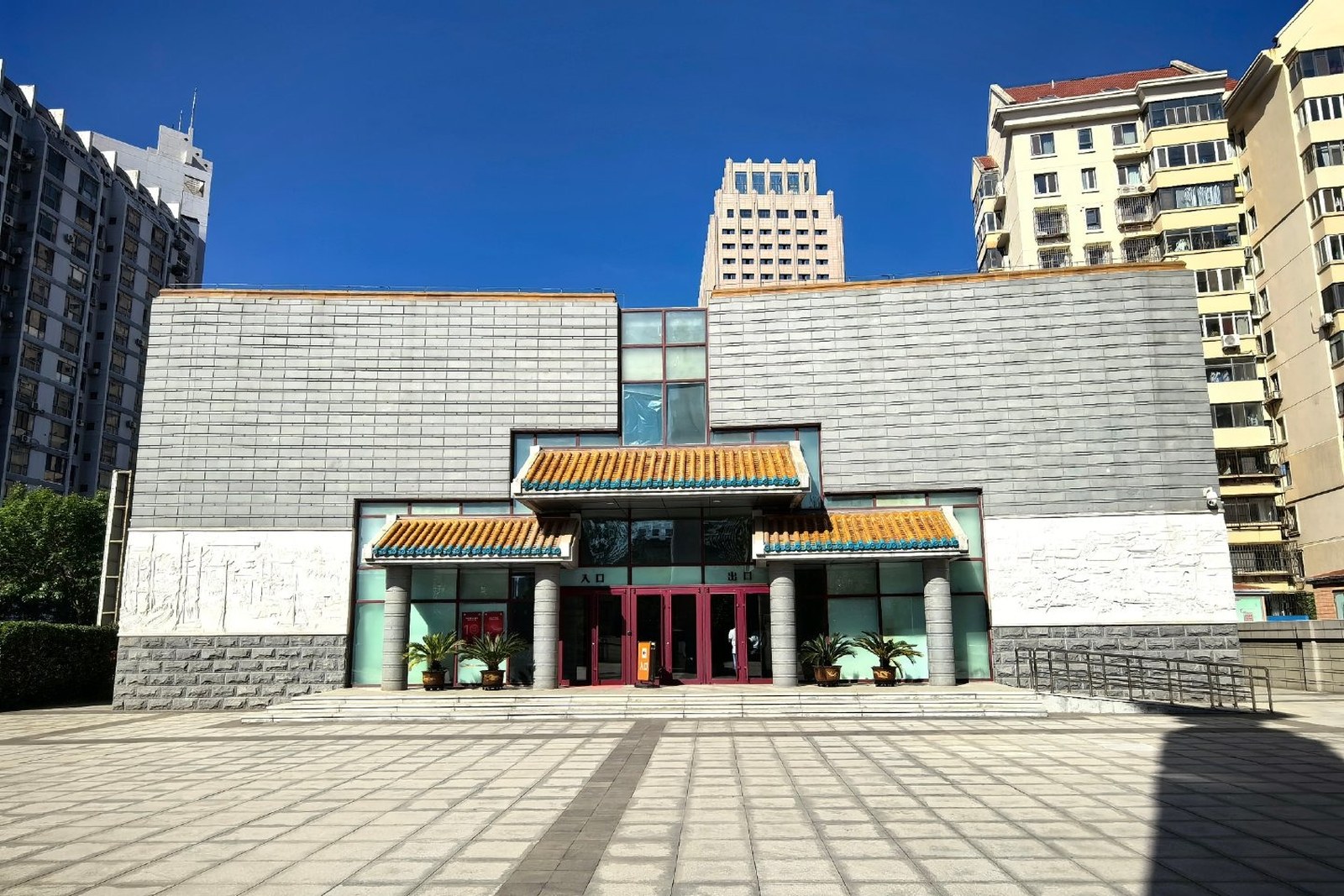
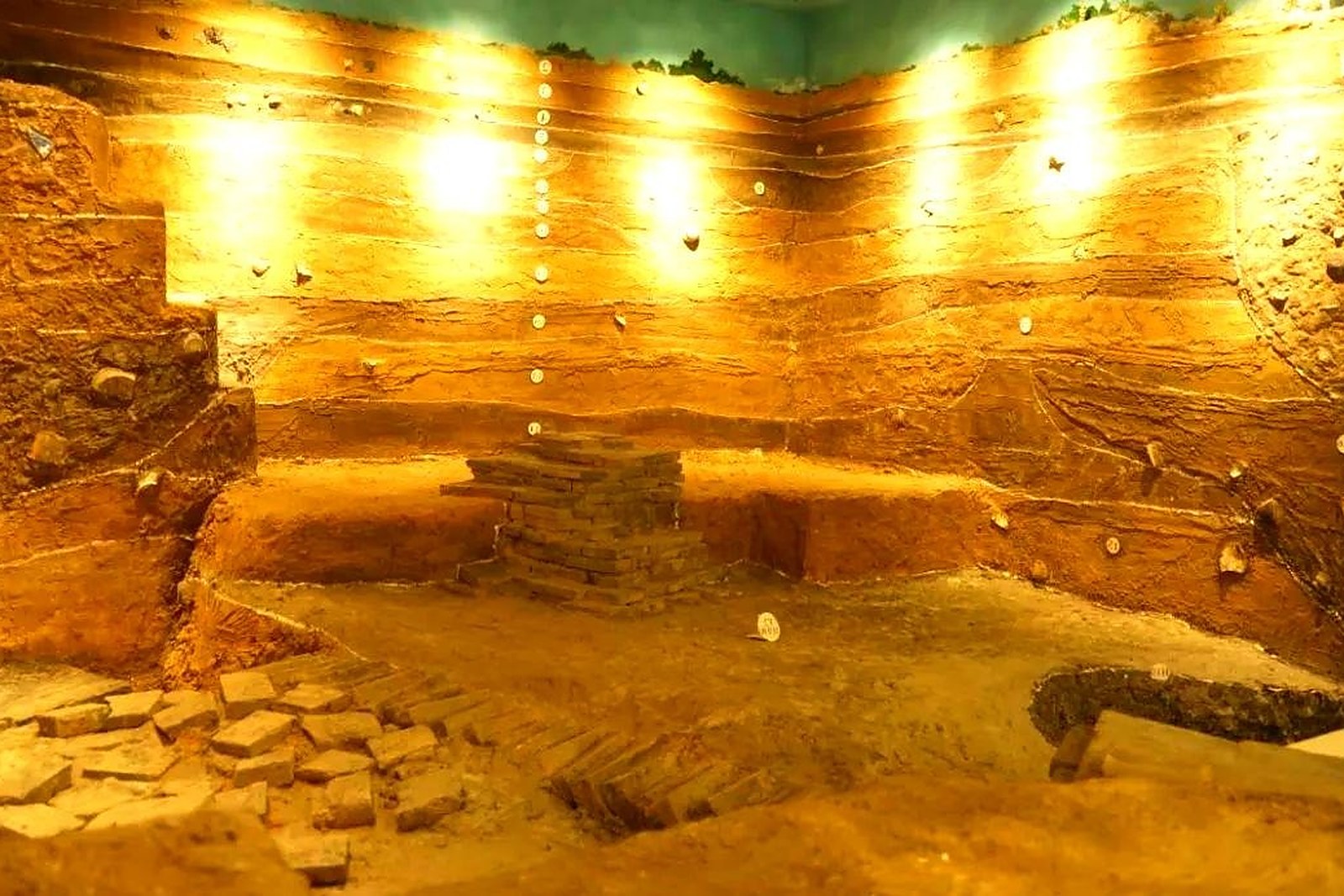
The site museum is the reason to cross. Its central hall leaves the ground open – the excavated footings of the Yuan, Ming and Qing temples stacked in visible layers, one dynasty’s foundation resting on the last – with the digs signed in Chinese and English along a raised walkway. Few indoor sites in Tianjin let you read eight centuries of rebuilding in a single glance downward.
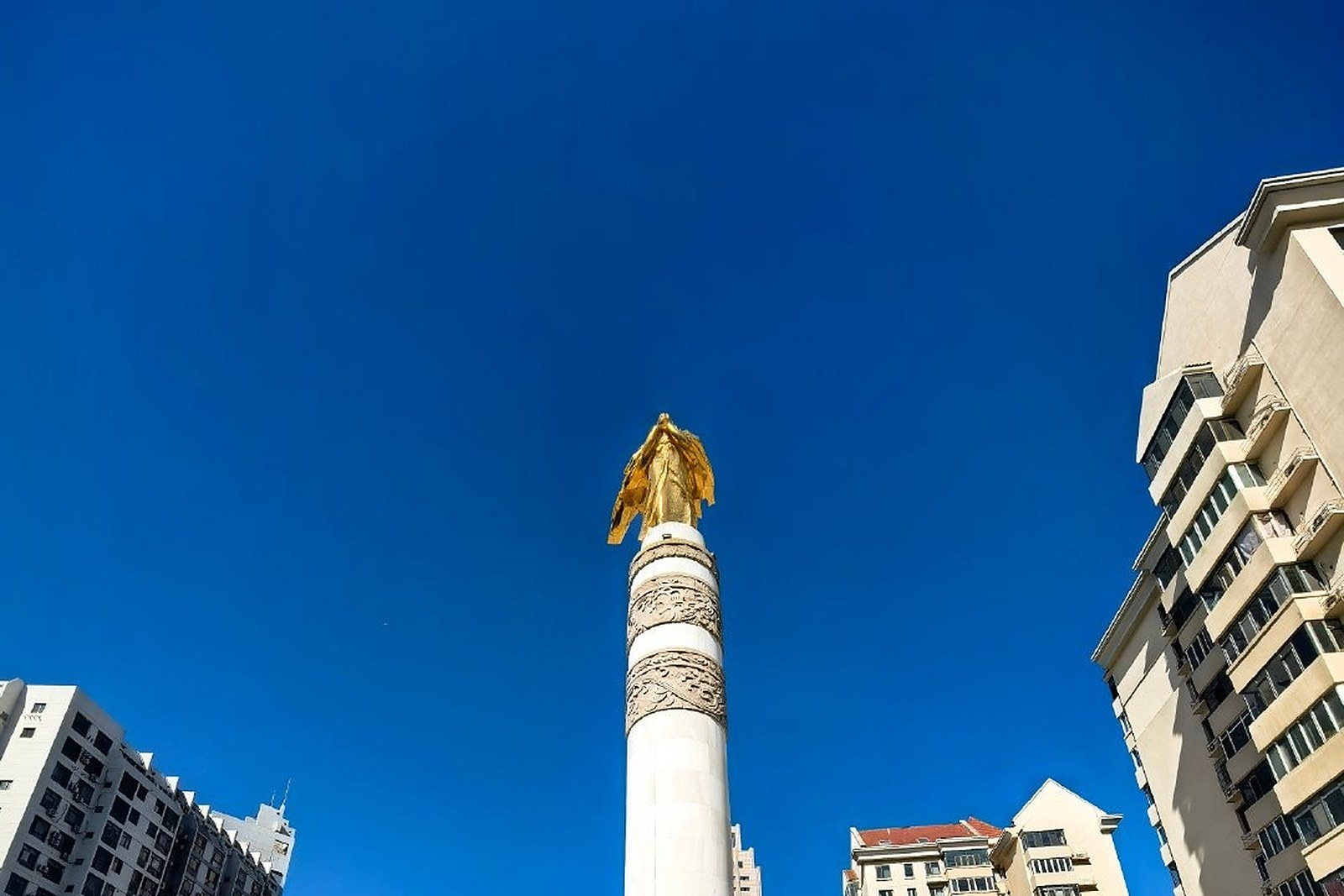
The rest of the compound keeps the ritual side. The rebuilt halls carry a working altar to Mazu, offerings and plaques from seafaring families, and a small exhibit room on 漕运 cáoyùn the grain transport that fed the capital through this landing. The halls are quiet on any given weekday – a rarity in a city whose sightseeing quarters run loud.
Give the visit an hour and pair it with the river: the Haihe embankment is five minutes away, the Guanyin temple two streets off, and the walk between the three stitches the whole earliest-Tianjin story together. The museum asks little and explains much – the right first stop for anyone who wants to know why this city sits where it sits.
Practicalities
- The site museum keeps daytime hours with a small ticket; the altar halls are free.
- Metro Line 9 to 大直沽 Dàzhígū Dazhigu station leaves a short walk toward the river.
- Weekday mornings are near-private; weekend afternoons bring local worship families.
- Combine with the riverside walk and the Guanyin temple for a full half-day of old Dazhigu.
Words and Names
大直沽 Dàzhígū Dazhigu, the grain-and-salt landing that predates the city; 天妃宫 Tiānfēi Gōng the Tianfei Palace of the sea goddess; 妈祖 Māzǔ Mazu, patroness of sailors; 漕运 cáoyùn the grain transport system; 遗址 yízhǐ the excavation site preserved under the museum hall. Beyond the palace, the same 天津市河东区 Tiānjīn Shì Hédōng Qū Hedong District keeps more places worth the detour: 荐福观音寺 Jiànfú Guānyīn Sì Jianfu Guanyin Temple, 桥园公园 Qiáoyuán Gōngyuán Qiaoyuan Park, 天津二宫 Tiānjīn Èrgōng the Second Workers’ Palace, or 海河东路 Hǎihé Dōnglù the Haihe east bank – four more doors into the same Hedong District. Once the palace has had its hour, our Hedong food map fills the table.
flowcloud would say Dazhigu is the city’s basement archive: a temple floor that keeps three dynasties stacked like page proofs, and a river landing that printed the first line of Tianjin’s name. All checked November 2026.
Getting there: The Tianfei Palace site museum stands on Dazhigu Middle Road – Metro Line 9 to Dazhigu station leaves a short walk toward the river, with the museum gate signed from the crossroads. All checked November 2026.