
钓鱼城 Diàoyú Chéng, the Diaoyu Fortress, crowns the hill the locals call 钓鱼山 – Fishing Rod Hill – above the 嘉陵江 Jiālíng Jiāng Jialing River in 合川区 Héchuān Qū, Hechuan District, and it is the sight that puts the district in the history books: a Song-dynasty hill fortress whose garrison held these walls against the Mongol armies for thirty-six years, and on whose ridge the Great Khan Mönge died in 1259, a death that recalled the armies from Europe and the Middle East and made the hill famous far beyond the basin. The walls still crown the cliffs above the river, the gateways still stand, and the far rampart takes all three rivers in at once. This page is the fortress, the siege it survived, and the half day it deserves.
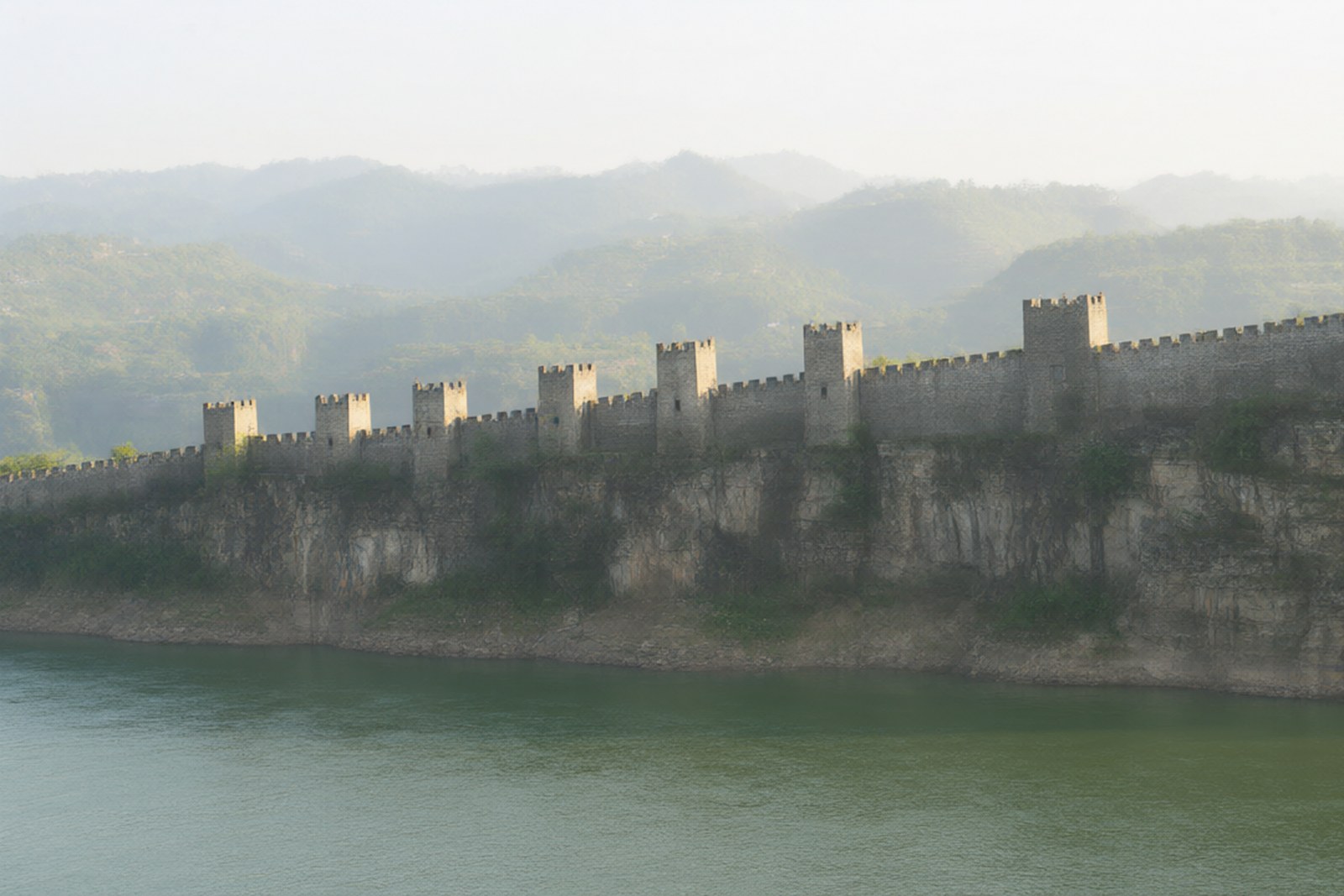
The hill explains the defence, and the defence explains the fame. The cliffs drop to the Jialing on the river sides and the walls take the easiest lines between them, closing the one gentle approach with gateways cut through the rock – the Giant Gate and the Water-Gate tunnel among them – so an attacker arrived at the stones with the river at his back. Inside the crest, the cisterns that outlasted the sieges kept the garrison in water through every blockade, and the fields within the walls kept it in food: a fortress is a supply problem before it is a battle, and Diaoyu is the textbook answer, a hill that fed and watered its defenders while the armies beneath it spent their patience.
The death on the ridge is the headline. In 1259, with the siege grinding below the walls, the Great Khan Mönge died on this hill – the district’s whole identity turns on that sentence – and the consequence travelled further than the battle: the armies operating toward Europe and the Middle East were recalled to settle what followed, and the campaign that had reached the Danube was called home by a hill fortress in the basin. The walls held for years after; the thirty-six-year defence is the figure the district prints, and the guidebooks have repeated it ever since. Few views in China come with a claim that large attached, and this one earns it in the stones.
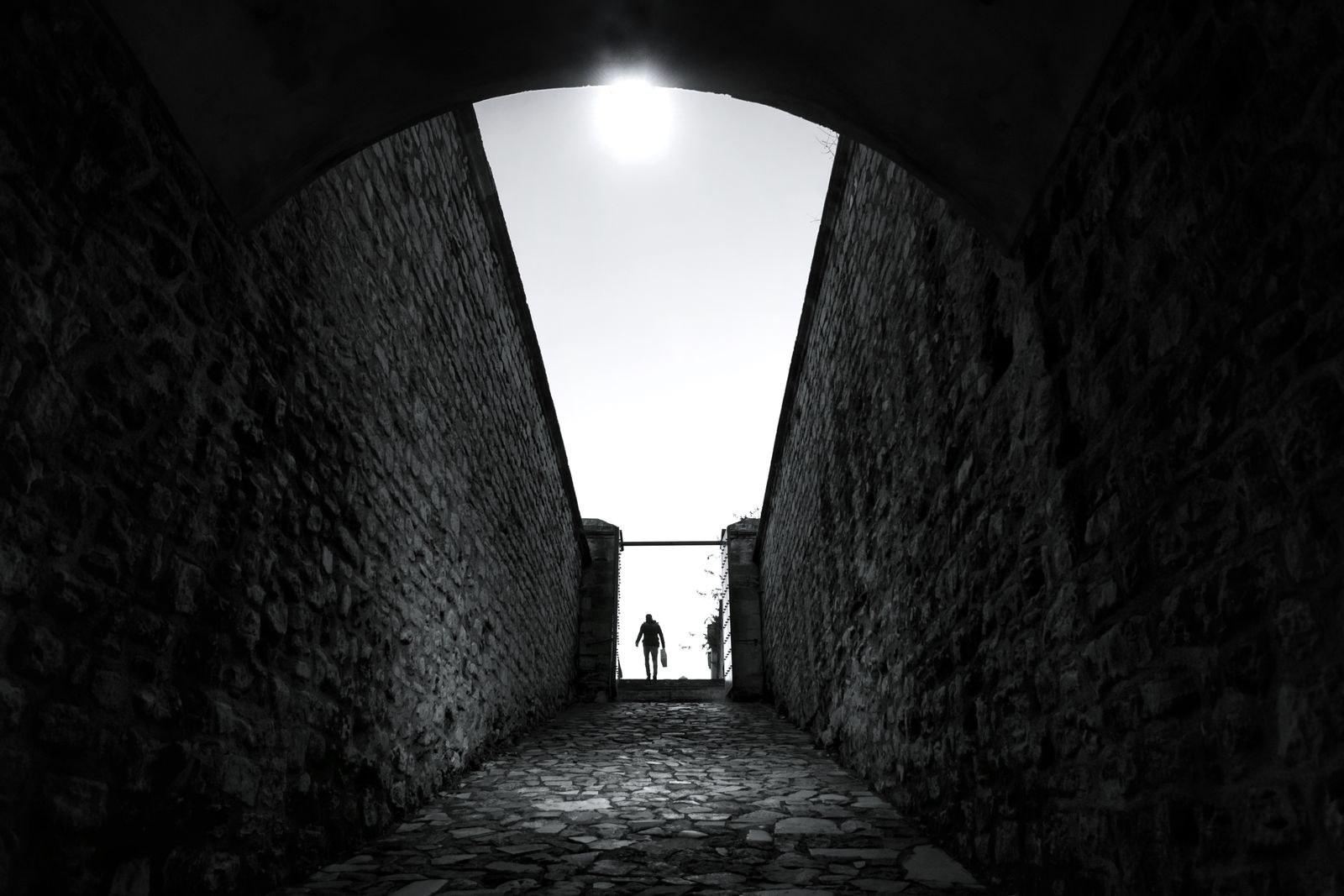
Give the visit the half day it asks for. The gate trail climbs from the entrance to the walls, the wall walk runs the crest from gateway to gateway past the cisterns and the cliff inscriptions, the old temple keeps the high ground inside the enclosure, and the later prison-era cells sit a step off the wall path – the fortress’s story did not stop in the Song, and the buildings say so quietly. The visit ends where the defence points: the viewing rampart on the river side, where the green Jialing and its two tributaries braiding below the cliffs show all three rivers at once, and the long look down the water is the same look the defenders watched.
What the record supports is the fortress, the thirty-six-year defence, Mönge Khan’s death on the ridge in 1259, the Giant Gate and the Water-Gate tunnel, the siege-outlasting cisterns, the cliff inscriptions, the old temple, the prison-era cells and the three-river rampart; what it does not support is any ticket figure, any posted hours table or any count of inscriptions or artefacts, and none is invented here – the site posts its own rates and seasons, and the page leaves the reader to them rather than quoting a number it does not have.
Words and Names
钓鱼城 Diàoyú Chéng, the Diaoyu Fortress, on 钓鱼山 Diaoyu Hill – Fishing Rod Hill – above the 嘉陵江 Jiālíng Jiāng Jialing River in 合川区 Héchuān Qū, Hechuan District: a Song-dynasty hill fortress whose garrison held the walls against the Mongol armies for thirty-six years, and where the Great Khan Mönge died in 1259, the death that recalled the armies from Europe and the Middle East. The visit takes in the Giant Gate and the Water-Gate tunnel, the cisterns that outlasted the sieges, the cliff inscriptions, the old temple, the prison-era cells and a viewing rampart where all three rivers show at once. No ticket figure, posted hours table or artefact count is on the record consulted, and none is invented here.
What the Locals Know
The local knowledge is the hour and the haze. The coach parties own the hill from mid-morning, and the locals climb early – the gate trail in the first cool hours, the wall walk while the sun is still low over the river – or come for the last hours of the day, when the rampart empties and the three rivers take the evening light. The valley haze burns off by mid-morning and the river photograph flattens with it, so the edge hours at either end of the day are the photograph’s hours. The wall walk is exposed cliff-top ground: real shoes, a hat in summer, and water carried up rather than bought on the crest. What the record does not carry is any schedule worth quoting, and the page declines one.
Practicalities
Tickets: Diaoyu Fortress is a ticketed heritage site – the entrance charges for the hill as a whole, and the posted price is not quoted here because no figure survives in the record consulted. The gate trail, the wall walk, the cisterns and the rampart all sit inside that gate; the honest statement is the qualitative one, a ticketed site of this rank with its rate card at the gate, and the page declines the number rather than inventing one.
Opening hours: Daylight hours as the working norm – the gate trail is a daylit climb, the wall walk wants the sun still on the river, and the first and last hours of the visiting day are the ones the page recommends above. No posted hours table is on the record consulted; the honest clock is the season’s daylight, with the coach calendar the warning that shapes it.
Closing day: None posted – a headline heritage site of this rank does not close its weeks, and no published rest day is on the record consulted. The real limit is the weather: the wall walk is exposed cliff-top ground, thunderstorms shut it for the duration, and a wet day on the hill is a postponed itinerary rather than a cancelled one.
Getting there: The fortress stands on Diaoyu Hill above the 嘉陵江 Jiālíng Jiāng Jialing River at the edge of the district seat of 合川区 Héchuān Qū, Hechuan District – reached by district bus or by road from the seat, with the gate trail climbing from the entrance on the hill side; no bus timetable or fare is on the record consulted, so none is invented here.
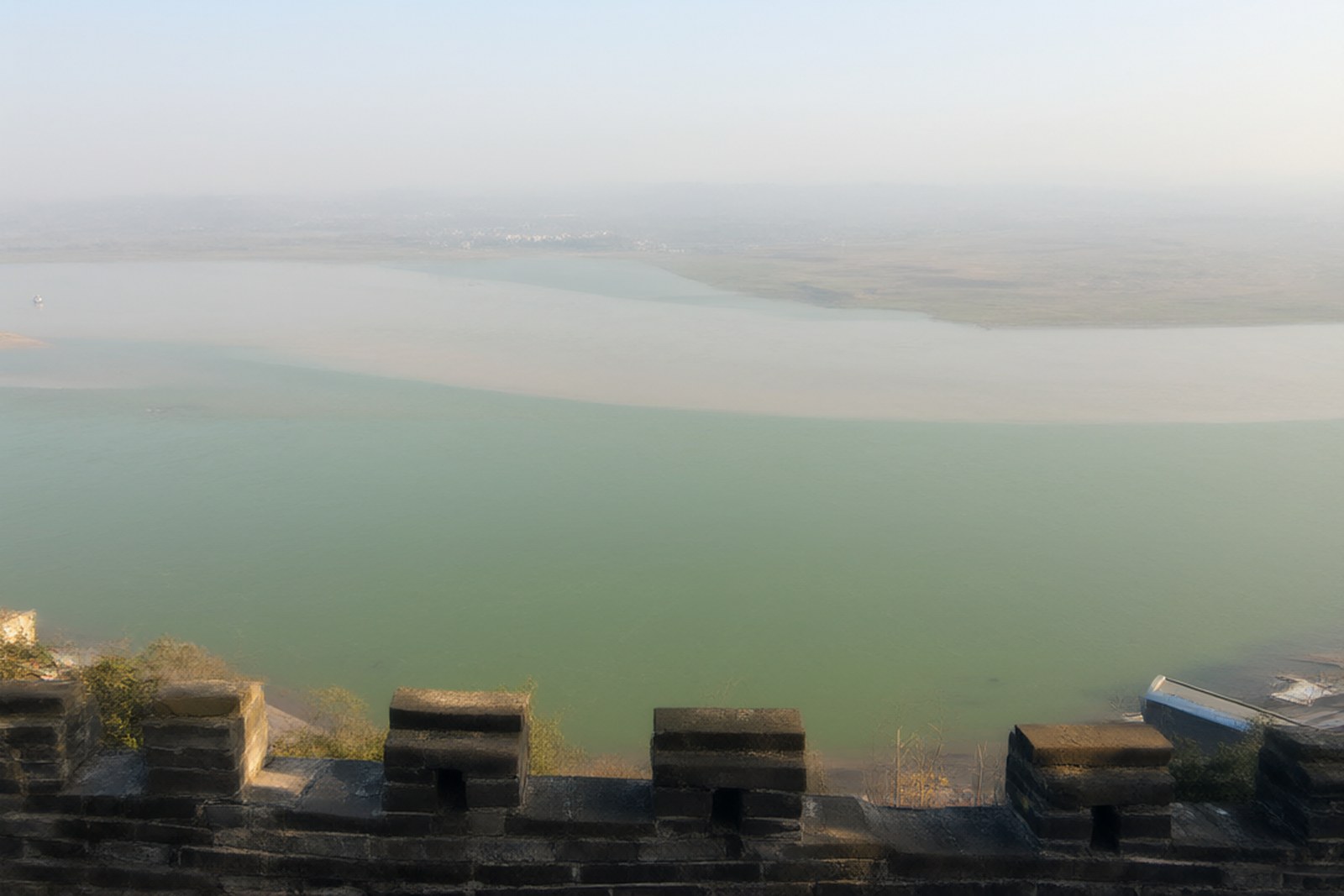
flowcloud would say that Diaoyu Fortress is the sight that justifies every guidebook’s word ‘fortress’ – Song walls that held the Mongol armies thirty-six years on a cliff above the 嘉陵江 Jialing, the ridge where the Great Khan Mönge died in 1259 and the campaign that reached the Danube was called home – and that the correct visit is the half day walked early or late, because the wall walk belongs to the cool hours and the three-river rampart belongs to the light at either end of the day. All checked October 2026.