
Dinghu Mountain
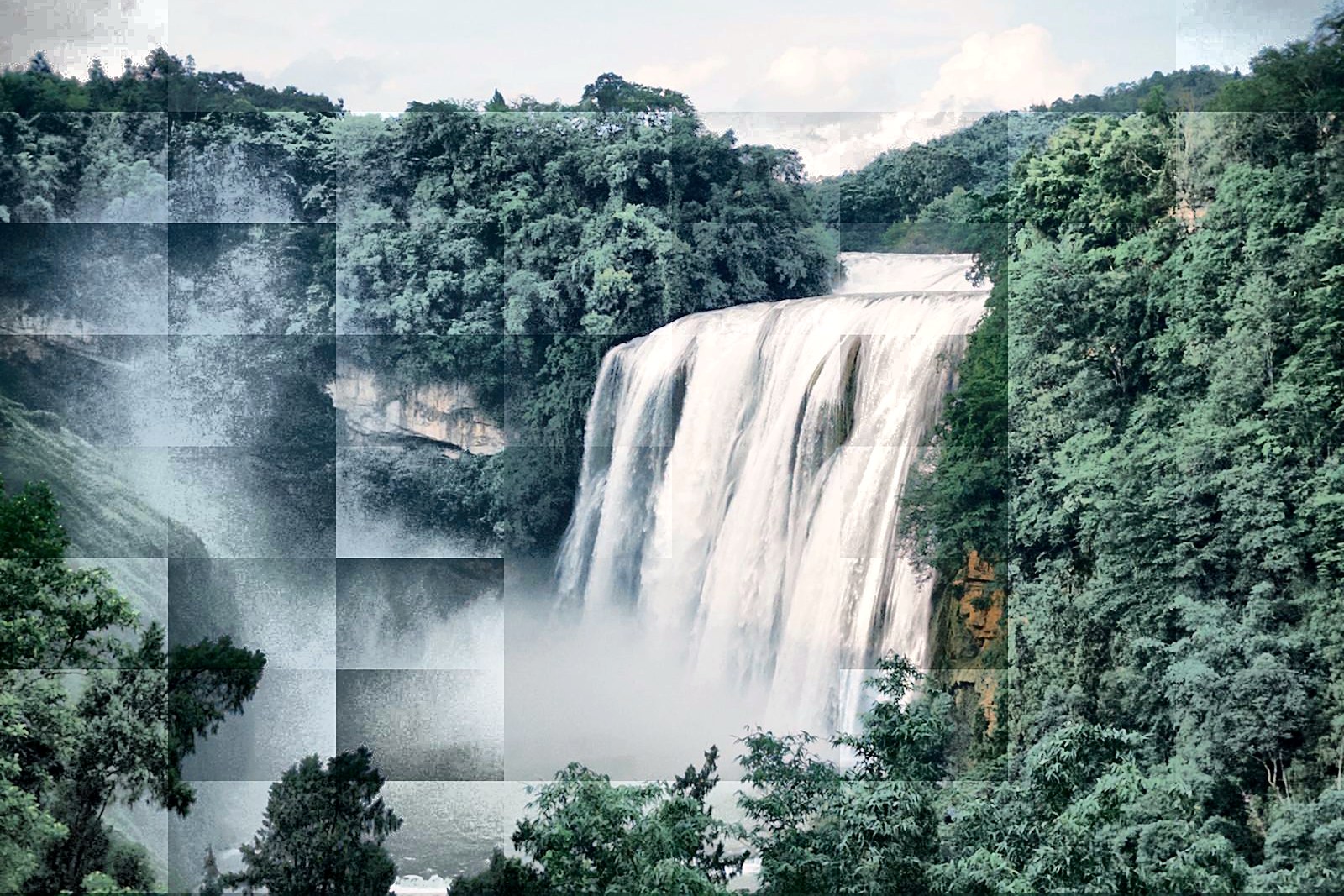
The path up follows a stream the whole way, and the sound of that water — falling over boulders, dropping into pools, never out of earshot — is what you remember afterwards, more than any view. The air is so wet and green it feels heavier than the air you came from, and every few hundred metres someone stops, closes their eyes, and just breathes.
鼎湖山 (Dǐnghú Shān) in 肇庆 (Zhàoqìng), Guangdong, is one of the 岭南四大名山 — the four famous mountains of the south, alongside 罗浮山, 西樵山 and 丹霞山 — and it has been protected, in one form or another, for a very long time. It is a UNESCO Biosphere Reserve, its forest is one of the oldest protected woodlands in China, and its negative-ion (负氧离子) count is among the highest measured anywhere, which is why it has become a byword for clean air in the Pearl River Delta.
The Mountain
Dinghu is a mountain of water and temple and forest rather than a summit to conquer. It rises to about 1,000 metres at its highest, but the parts people visit lie in the green valleys below, connected by stone paths and streams.
Three things anchor a visit. 飞水潭 (Fēishuǐ Tán) is the waterfall, a clear curtain of water dropping into a pool you can stand beside; 孙中山 (Sun Yat-sen) once swam here, and there is a marker to prove it. 庆云寺 (Qìngyún Sì), the Qingyun Temple, is one of the four great temples of Lingnan, founded in the Ming dynasty, a working monastery terraced up the hillside with incense and vegetarian food. And 宝鼎园 (Bǎodǐng Yuán), the Tripod Garden, holds the enormous 九龙宝鼎 (Jiǔlóng Bǎodǐng), a bronze vessel weighing many tonnes, kept as a kind of modern monument to the ancient 鼎 (dǐng), the ritual cauldron that gives the mountain its name.
What You Actually Do
Take the shuttle bus to the top of the developed area, then walk down through the temple and the waterfall on the stone paths — downhill, alongside the stream, which is by far the best approach. Stop at 飞水潭, sit by the water, look at nothing for a while. Have a vegetarian lunch at 庆云寺. Then the 宝鼎园 and the walk out.
It is a gentle mountain. Families, elderly walkers and small children all do it comfortably, and the pleasure is the atmosphere rather than the achievement.
Practicalities
Tickets. Entry is around ¥60 for 鼎湖山 on its own. The 星湖 (Xīnghú) combined ticket, which pairs 鼎湖山 with 七星岩 (Qīxīngyán) in Zhaoqing city, is around ¥140 and is the better deal if you are staying a night. Shuttle buses within the site cost a small extra. Discounts for children, students and seniors with ID.
Do you need to book? No, not for ordinary visits — buy at the gate. Book ahead only for big holiday weekends, when Zhaoqing fills with Guangzhou day-trippers.
Opening hours. Roughly 08:00–18:00 for the scenic area, with the shuttle running within those hours; 庆云寺 keeps slightly different hours and is busiest at festival times. Allow half a day to a full day — it is a place to walk slowly.
Getting there. Zhaoqing is close to Guangzhou, which makes Dinghu a very easy escape.
- By high-speed rail: Guangzhou to 肇庆东站 (Zhaoqing East), about 40 to 60 minutes, then a bus or taxi for roughly 40 minutes to the 鼎湖山 gate.
- By car: about 1.5 hours from Guangzhou via the 广佛肇 expressway.
- Local: public buses run between Zhaoqing city, 七星岩 and 鼎湖山, so you can base yourself in town and do both.
One warning. This is a damp subtropical forest — slippery stone, mosquitoes, and sudden rain even on a forecast-clear day. Wear shoes with grip, carry a light rain layer and repellent, and do not swim in the pools below the waterfall; they look calm and are not. The forest is protected, so take nothing out and leave nothing behind.
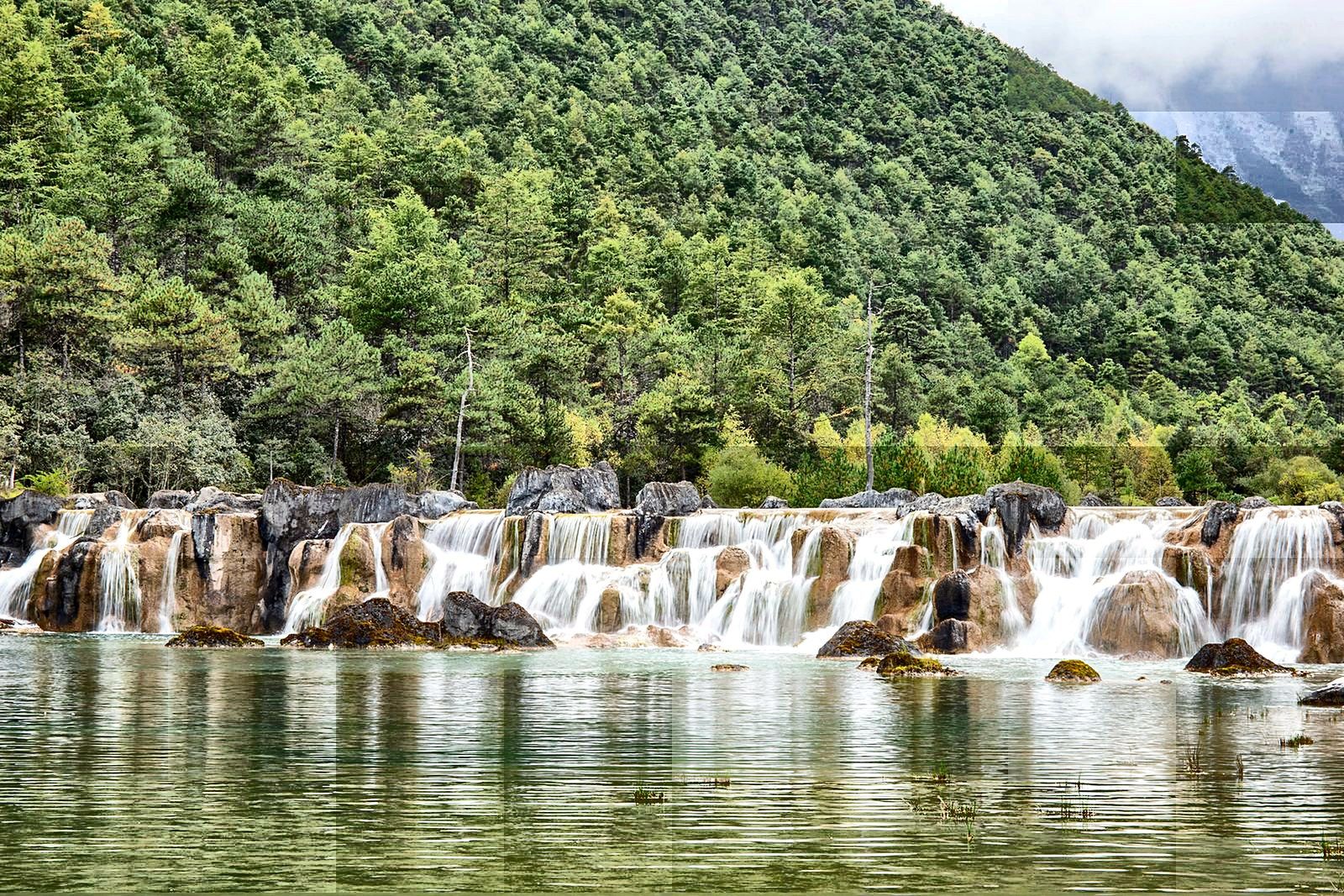
flowcloud would say that a place which has been left alone for a thousand years and simply kept breathing is doing the most important work of all, and you can feel it in your chest before you understand it.
Getting there: 鼎湖山 (Dinghu Mountain), 肇庆 (Zhaoqing), Guangdong — one of the 岭南四大名山 and a UNESCO Biosphere Reserve. Guangzhou to 肇庆东站 about 40–60 minutes by high-speed rail, then about 40 minutes by bus or taxi; or about 1.5 hours by car. Ticket about ¥60, or about ¥140 for the 星湖 pass covering 鼎湖山 and 七星岩. Open roughly 08:00–18:00. Walk down from the top via 庆云寺 and 飞水潭; allow half a day.