
There is a stretch of the north-east coast of 海南 Hǎinán where the coconut palms are not decoration but the entire landscape. In 文昌 Wénchāng, the island’s coconut heartland, the village of 东郊 Dōngjiāo sits among groves that run for kilometres behind the beach — a green sea of fronds that the islanders call simply 椰林 yēlín — and walking into it feels like stepping out of the tropics of a brochure and into somebody’s working farmland.
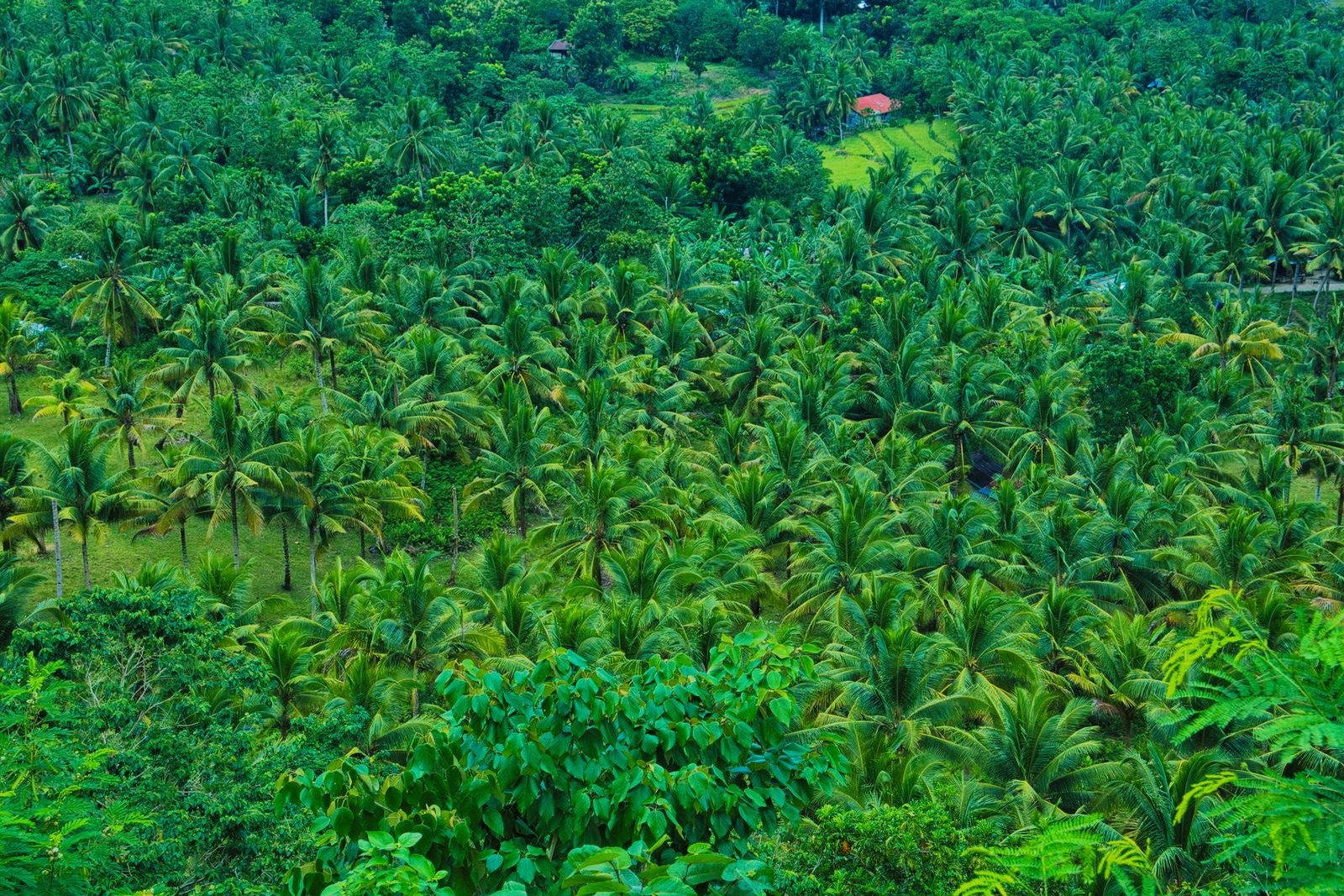
东郊椰林 Dōngjiāo yēlín — the Dongjiao Coconut Grove — is the classic image of Wenchang, and Wenchang is the classic image of Hainan as it was before the resorts. This is 椰乡 yēxiāng, “coconut country”, where the palm is the crop, the shade, the roof and the drink, and where a good many of the coconuts eaten across China are grown.
The Grove
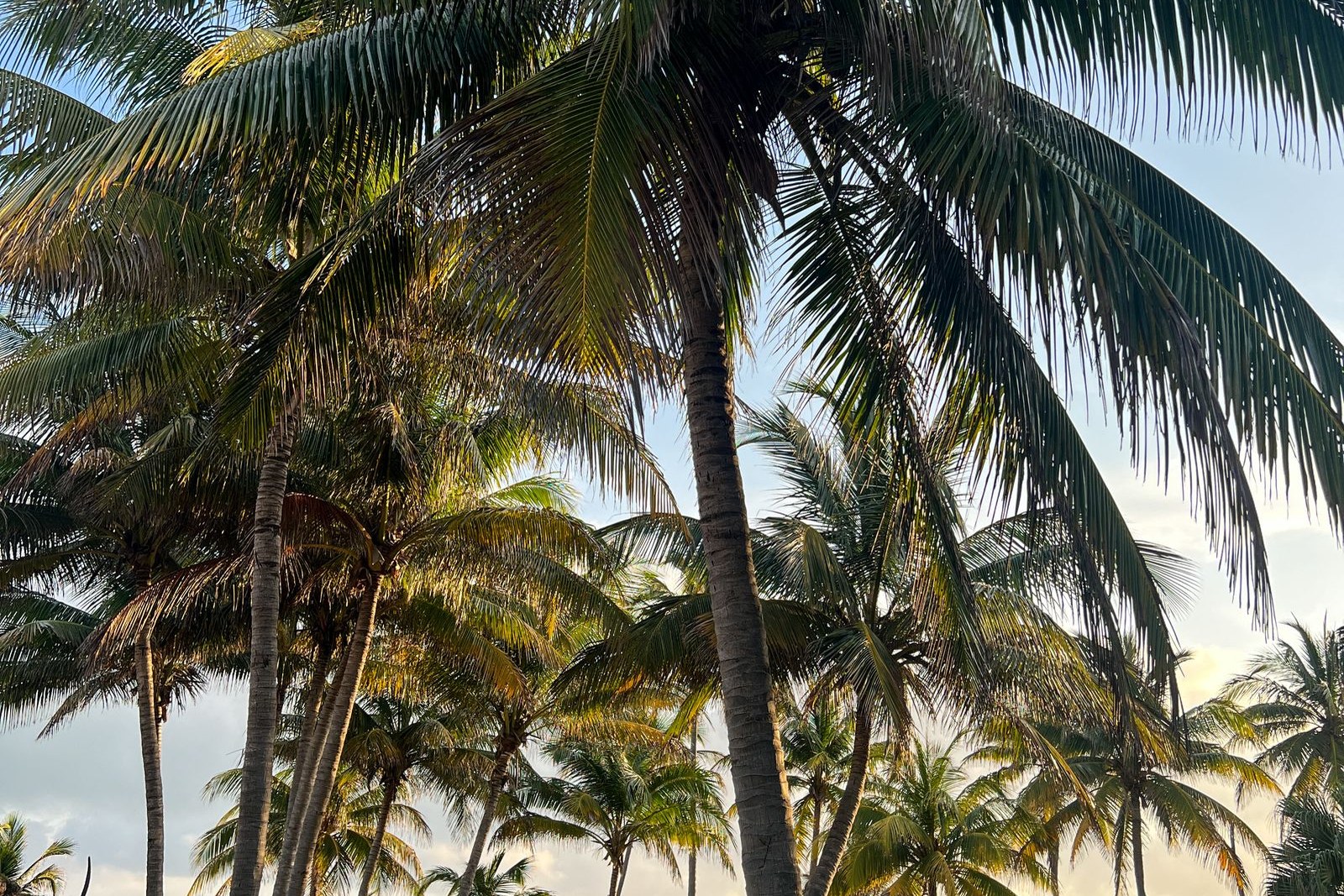
The palms here are tall and close-set, planted in rows and generations, and the light comes down through them in long vertical shafts. The ground between the trunks is sandy and shaded, and the groves run right up to the shore, so that you can walk from deep shade onto open beach in a couple of minutes.
It is a working landscape, not a park: you will pass small farmsteads, tied-up goats, drying coconut shells, and people up ladders cutting down bunches of fruit with a hooked pole. The local coconut is 文昌椰子 Wénchāng yēzi, prized for its water, and if you are offered a fresh one it will be opened in front of you with a few strokes of a cleaver.
Along the Coast
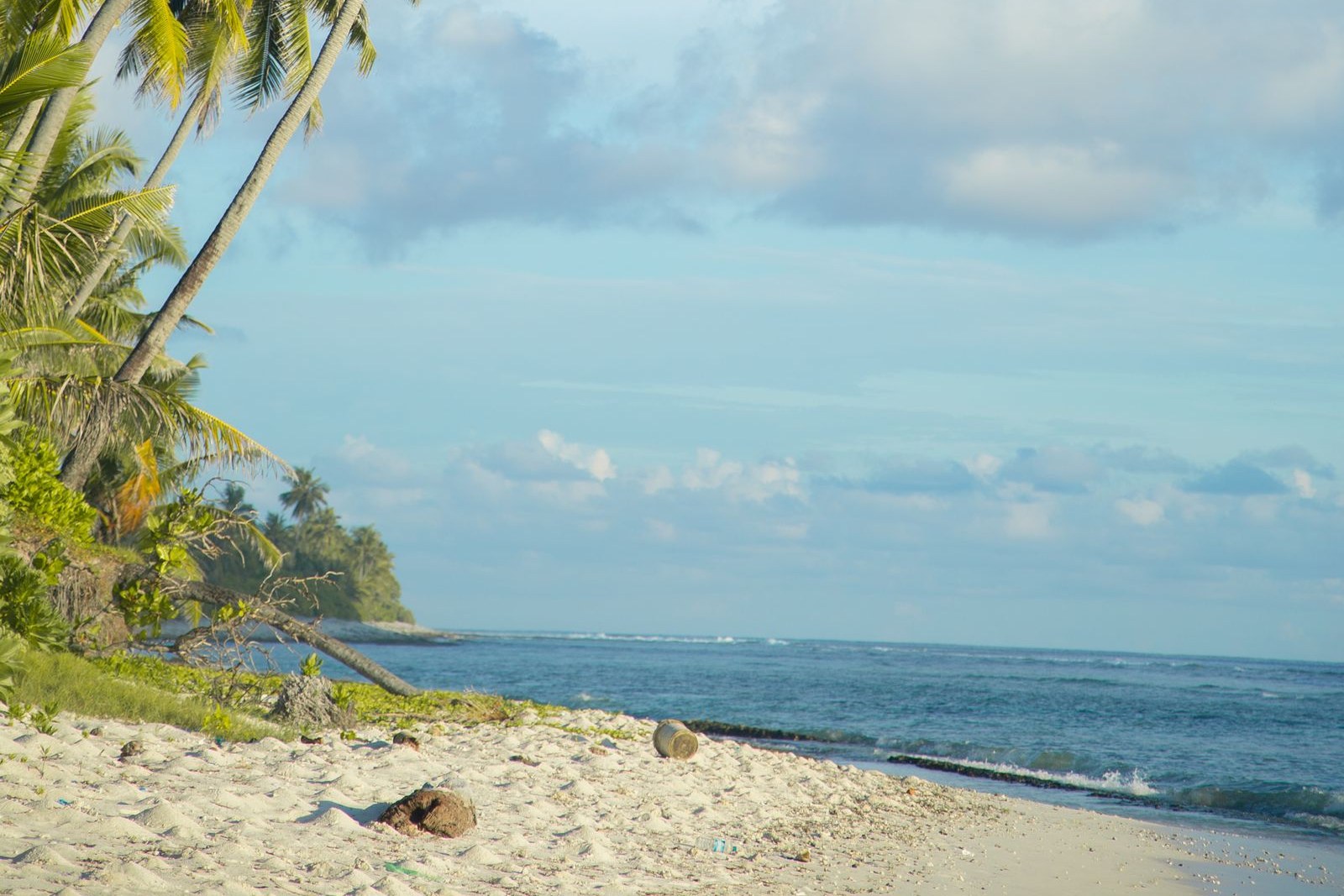
The beach at Dongjiao is long, gently curving and generally quiet, with the water of the 清澜 Qīnglán area to the west and open sea to the east. It is not a resort beach — there are no rows of loungers — and swimming is pleasant rather than dramatic, with the usual caution around currents.
Nearby, the headland at 铜鼓岭 Tónggǔlǐng looks back down over the whole grove and out to sea, and the old town of 文昌 Wénchāng and the 清澜 Qīnglán port area are a short drive away. Most visitors come for a slow day: a walk in the shade, a coconut, a plate of the region’s famous chicken, and the sunset over the water.
Practicalities
Tickets: There is no ticket for the grove or the beach themselves; they are working land and public shore. Some nearby viewpoints and small attractions charge a modest entry, and parking may have a small fee. Opening hours: Effectively open all day, every day, since this is a village and a grove rather than a gated site. The light is best in the early morning and the last hour before sunset. Closing day: None.
Getting there: 东郊椰林 Dōngjiāo yēlín is in 文昌 Wénchāng on the north-east coast of 海南 Hǎinán, on the eastern side of the 清澜 Qīnglán inlet. 文昌 Wénchāng has its own high-speed rail station on the island’s loop line — about an hour from 海口 Hǎikǒu and an hour and a half from 三亚 Sānyà — and from there it is a short taxi or bus ride to the grove; by car, take the coastal road out of 文城 Wénchéng toward 东郊 Dōngjiāo. Come in the cooler months from late autumn to spring, bring mosquito repellent, and treat the grove as farmland rather than a park. Flowcloud would say that Hainan’s most beautiful place is not a beach club but a grove of palms that has been feeding people for centuries, and that the sound of the wind in a coconut palm is the island’s real anthem. Walk in under the palms, drink a coconut at the source, and stay for the light.