
Dongtan Migratory Bird Reserve: The Tidal Mudflats of the Yangtze Mouth, the Reed-Marsh Wings of the Flyway and the Observation Towers at the Edge of the East China Sea in Chongming District, Shanghai
万里羽书栖苇荡,一滩潮印记春秋。Wàn lǐ yǔshū qī wěidàng, yī tān cháoyìn jì chūnqiū – Ten thousand miles of feathered letters lodge in the reed marsh; one mudflat’s tide prints record the turning seasons.
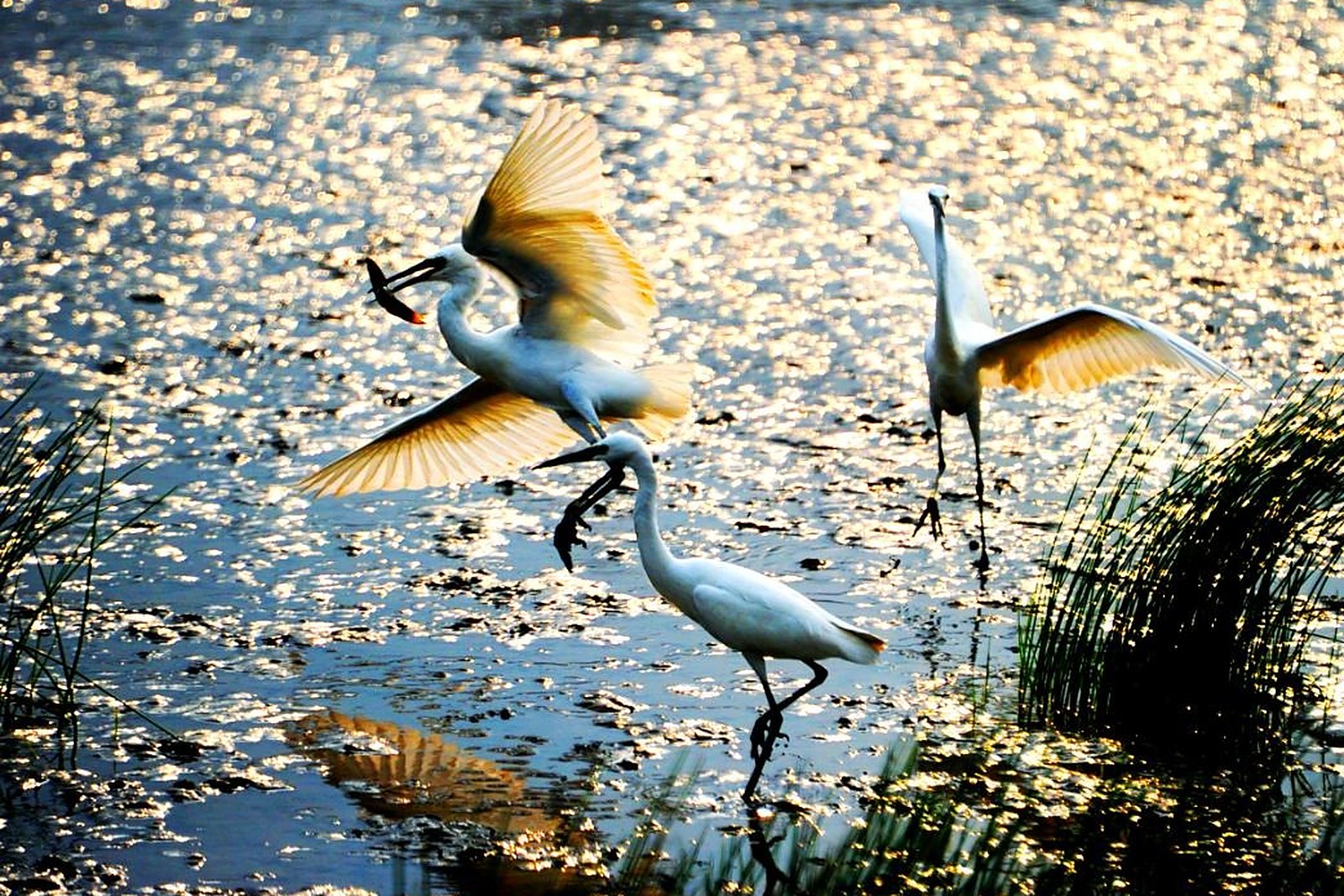
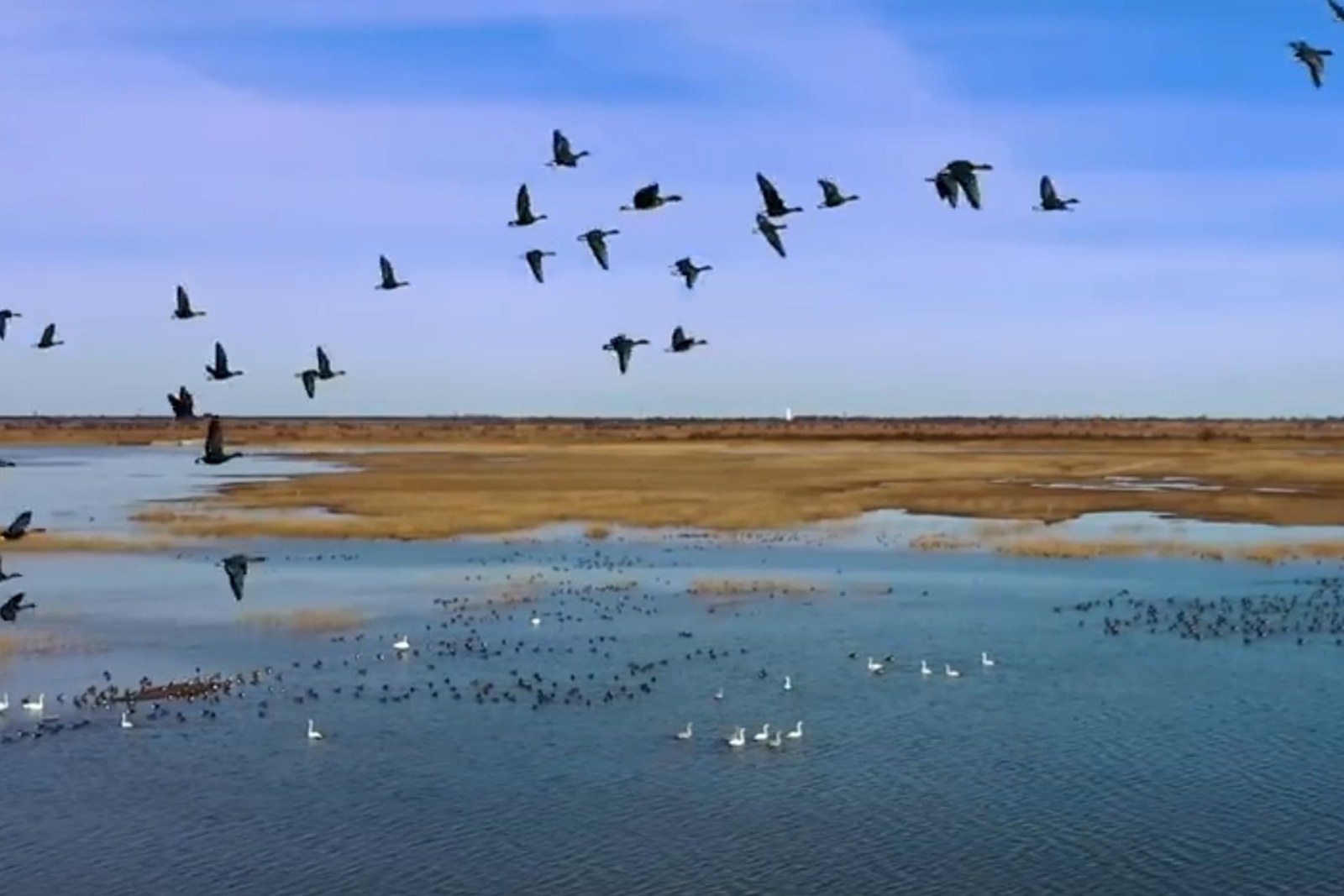
东滩候鸟保护区 Dōngtān Hòuniǎo Bǎohùqū the Dongtan Migratory Bird Reserve occupies the easternmost cape of 崇明区 Chóngmíng Qū Chongming District, Shanghai – the muddy point where the Yangtze finishes its three-thousand-mile run and lays down fresh land with every tide it carries to the sea. The reserve is not a park in any garden sense: it is a working wilderness of tidal flats, salt-marsh creeks and vast 苇荡 wěidàng reed beds, and it serves the great East Asian-Australasian flyway as the last full-service staging post before the open coast (worth confirming the details for the visitor arrangements, which are kept deliberately tight to protect the roosting grounds). In migration seasons the flats read like an airport departure board written in wings – shorebirds by the ten thousand probing the silt, ducks and geese rafting in the shallows through the winter months, and the cranes and swans that give the reserve its reputation stalking the shallows with unhurried dignity. Wooden boardwalks carry visitors out over the marsh, and the 观鸟塔 guānniǎo tǎ observation towers lift you above the reed line for the full sweep of water, sky and feather. The flats themselves keep growing – silt carried downriver from half of China settles at the cape, the marsh crawls seaward year by year, and the reserve’s maps have been redrawn more than once simply to follow the new land – while inland the village lanes sleep under the same wide sky. The register is dawn, binoculars and hush – the wildest hour inside Shanghai’s administration.
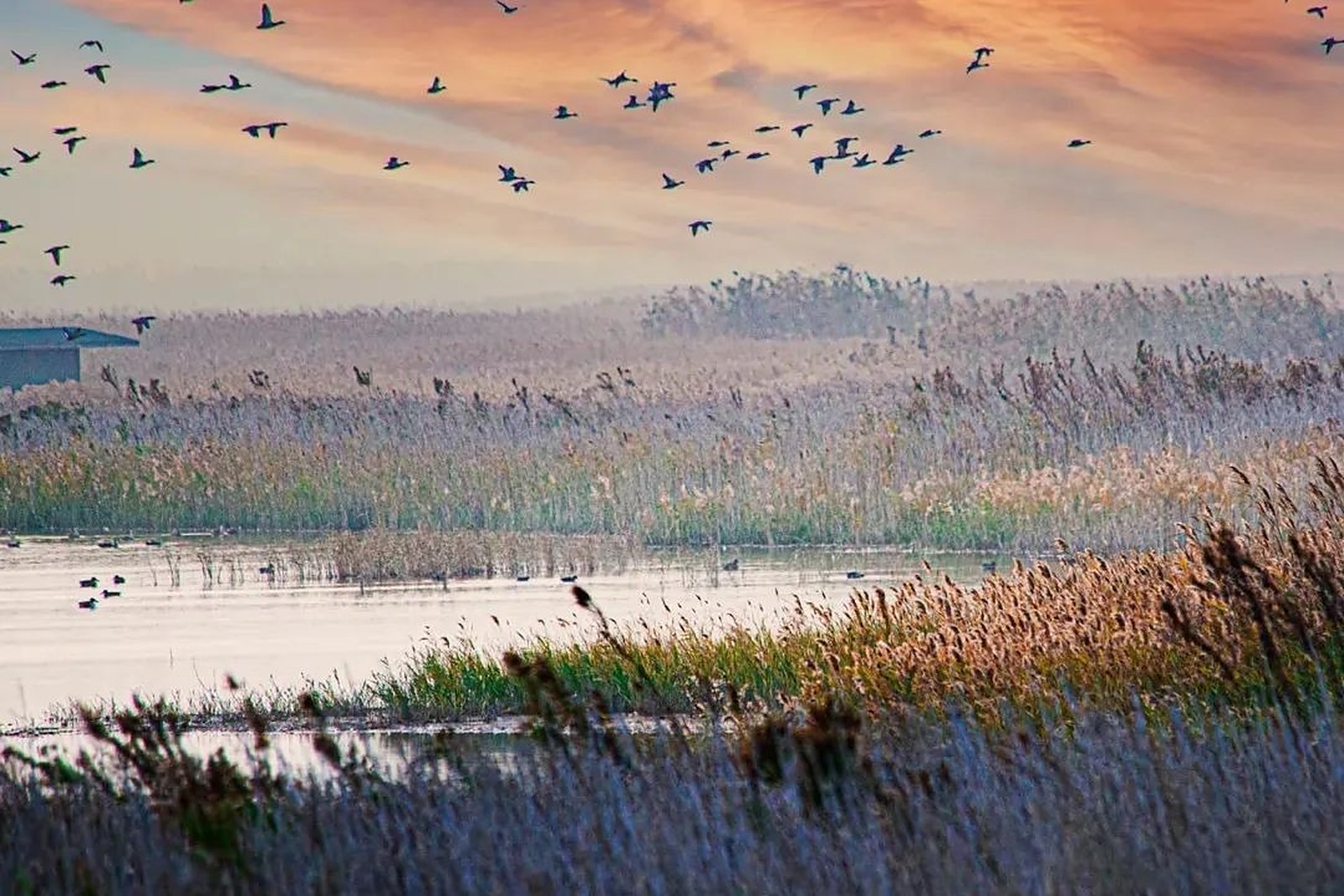
Two crowds keep the boardwalk worn: serious birders with telescopes and checklists who arrive before sunrise in peak season and log species the city dweller has never heard of, and weekend nature families from the island’s towns who come for the simpler spectacle – a sky full of moving birds is a thing a child does not forget (worth confirming the details for the reserve’s guided sessions and seasonal openings, which shift with the migration calendar). The stock answer in kind: a shelter that works, marsh air that rinses the city off, and the rare thrill of watching wild geese land by the hundred in a metropolis’s backwater. Between the two stands the small education centre by the gates, where migration maps make the scale of the flyway legible to anyone who stops for ten minutes.
Call it honestly: Dongtan is not a venue – no rides, no restaurants with views, no souvenir arcade – and travellers expecting an attraction in the amusement sense will meet a wind-blown marsh and wonder where the rest is (worth confirming your season before you commit the journey, because a summer noon delivers heat, midges and very few birds, while the winter arrival of geese and cranes is the whole show). What the map repays is patience and tide tables: an hour in a hide as the light comes up over the flats, the reed beds combing the wind into long silver seams, a skein of swans crossing the tower view – this is spectacle on nature’s timetable, not the city’s. Against that: the flats are genuinely alive in a way no urban wetland can fake, the walkways put you close without disturbing the roosts, and the eastern horizon – river to the left, sea to the right, nothing solid until Japan – is the emptiest view Shanghai owns. Come in migration season, come at dawn, and let the birds do the performing. Bring layers against the eastern wind, carry the tide table with the timetable, and treat the drive out as part of the experience – the island’s last kilometres to the cape run between fields and windbreaks with the reeds already visible at the road’s end.
Practicalities
Nearly everything else on this Chongming list trades a different mood on the same island: choose 西沙明珠湖 Xīshā Míngzhū Hú Xisha Mingzhu Lake for the western wetland and lake, 东平国家森林公园 Dōngpíng Guójiā Sēnlín Gōngyuán Dongping National Forest Park for the island’s green heart, 堡镇渔港老街 Bǎozhèn Yúgǎng Lǎojiē Baozhen Fishing Port and Old Street for the salt-air market town and 长兴岛郊野公园 Chángxīng Dǎo Jiāoyě Gōngyuán Changxing Island Country Park for the orchard shore – four more doors into the same 崇明区 Chóngmíng Qū Chongming District. Once the day is planned, our Chongming food map fills the eating hours.
Practicalities
Words and Names
flowcloud would say that a Dongtan day is bought for the tide and the wings – dawn boardwalk to reed-dusk in the October 2026 snapshot, all worth confirming the details – and that the honest move is to follow the migration calendar rather than the clock, because the flats give exactly what the season is selling, keep the observation-tower morning and the hide hour as the plan, and let the east wind carry the flyway’s news inland. All checked October 2026.
Getting there: Buses from 崇明 Chóngmíng Chenjiazhen town centre reach the 东滩 Dōngtān east-beach reserve road (worth confirming the details for the reserve’s visitor arrangements, which protect the roosting grounds); the wetland boardwalks open at dawn hours. All checked October 2026.