
东温泉 Dōngquánwēn, Dongwenquan, is 40 kilometres from the main city and covers 31.47 square kilometres on the 五布河 Wǔbù Hé, the Wubu River, and inside it there is a karst solution cave that holds 43 degrees through every month of the year. Before anything else, the most-confused fact about this place, because getting it wrong will cost you either a walk or a ticket: the entrance gate of the 东温泉风景区 scenic area is free, and the paid facility inside it is a separate sub-scenic area, 威特卡丝东温泉, Weitekasi Dong Hot Spring, at 69.90 yuan for an adult and 39.90 yuan for a child. Those are two levels of the same place rather than two versions of one price, and the sub-area even carries a different address in a differently named town, which is the first clue that they are administered apart.
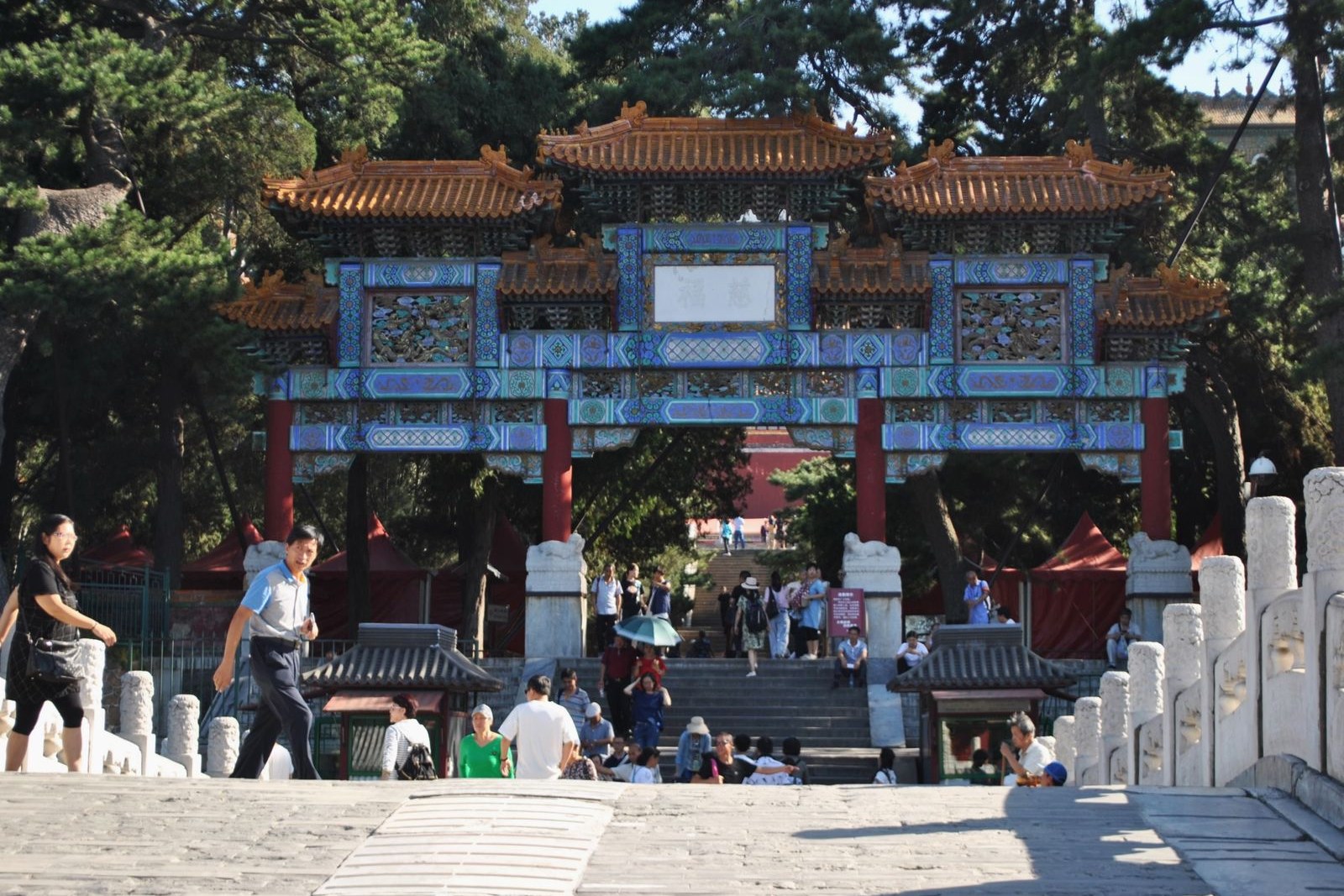
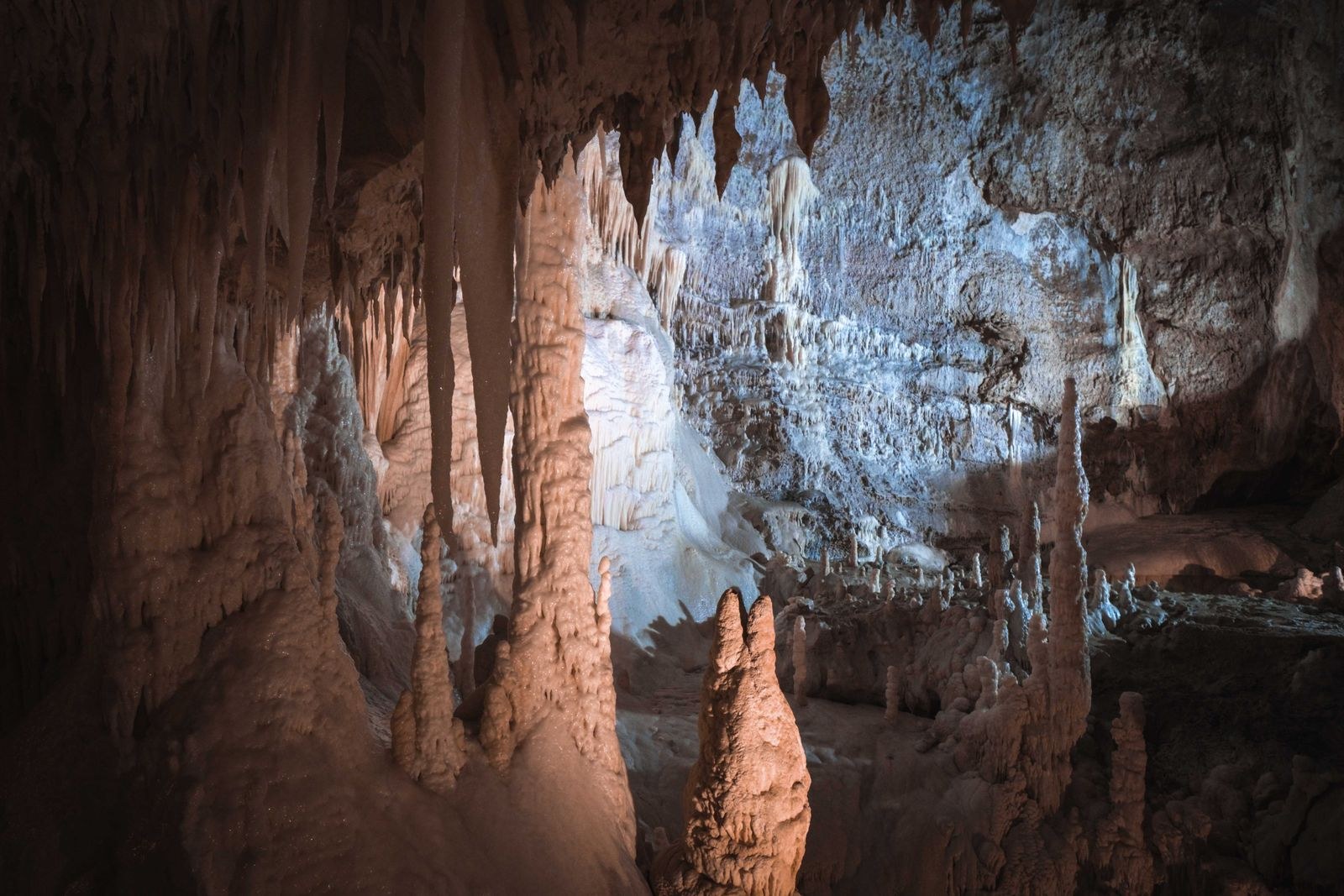
The scenic area was rated AAAA in 2015, and the district’s A-grade table records it at 20 Zhengjie, Dongwenquan Town, under the management of the Chongqing Bazhou Big Health Industry Development Group, telephone 023-62297051, free of charge, open on a phone-reservation basis from 09:00 to 18:00, and open-air in character. It divides into five parts whose names translate as the headwaters of the Wubu, the heart of the hot cave, the Baisha Zen temple, a three-peak vista, and a mushroom-cloud sky. The geology is the reason for the visit, and the reason for the visit is one hole in the ground: 1.5 metres high at the mouth, 2.7 metres across, shaped like an inverted gourd, at a constant 43 degrees. The claim made for that hole is worth repeating exactly as it is stated, because everything else rests on it – this is described as the only karst solution cave in the world carrying both cave therapy and hot-spring therapy as a double value, which is why the Chinese sources call it 亚洲一绝, an Asian unique.
The water itself runs between 38 and 53 degrees, and the daily extractable volume is given as 50,000 cubic metres. Banan holds close to half of the city’s hot spring resource, and this is where that statistic becomes physical rather than administrative: a limestone trough on a river forty kilometres out, with the temperature sitting in it all year and no need for a season to explain it. A second set of figures comes from one hotel in the town, which publishes a daily thermal flow of more than 2,000 tonnes at 52.5 degrees or above, and a mineral content of more than forty elements including radon, fluorine, strontium, zinc and lithium. Around it the district is startlingly mountainous for a municipality of this size, its lowest recorded point 154 metres in a village of Maliuzui Town and its highest 1,132.6 metres on Fangdou Mountain in Shitan Town.
The practical shape of a day is simple once the two levels are separated. The gate is free and open in the district’s sense, so you can walk in, follow the river, and stand at the mouth of the cave without buying anything. The paid sub-area is a separate ticket for the facilities it contains, and its details are worth noting precisely: 3 Foling Street, in Dongquan Town rather than Dongwenquan Town, with a day session running 09:00 to 22:30. That later close is a bathing-and-evening schedule rather than a visiting one, and the different town name in the address is the clearest sign that the sub-area is run separately from the scenic area around it. Write both addresses into your notes before you set out, because a driver given only one of them will take you to the wrong place, and the walk between the two is not the short one.
Practicalities
Tickets. Two prices, for two different things, and the honest way to present them is as a level rather than a range. The 东温泉风景区 scenic area gate is free, with telephone reservation, per Banan’s own A-grade table. Inside it, the 威特卡丝东温泉 sub-scenic area charges 69.90 yuan for an adult and 39.90 yuan for a child. Write the first as free and the second as a facility inside it, and never as one merged admission, because that single sentence is the whole difference between a free walk past the cave mouth and a paid entry. Nothing else on the site is separately priced in any source. The scenic area’s number is 023-62297051 if you want the two confirmed on the day.
Opening hours. The scenic area is given as 09:00 to 18:00, open-air, with telephone reservation. The sub-scenic area runs a day session from 09:00 to 22:30 at 3 Foling Street, more than four hours longer than the gate’s window, which tells you the difference between a sightseeing area and a bathing one. Plan the cave for the daylight hours and the paid facilities for the evening if you are staying on the mountain, and note that the two sets of hours are published by different sources for different objects rather than by one authority for the site.
Closing day. No weekly closing day is published for the scenic area; the district describes it as open-air with telephone reservation and gives no rest day, and this page will not invent one. The part that does keep a weekly rhythm is the museum trade in this district rather than the mountain, which is the general Banan pattern – free walk-in streets and viewpoints without a rest day, paid attractions and municipal museums with Monday as the closed one. The one fixed time on a day here is the sub-area’s 22:30 close; the one fixed number is the scenic area’s 18:00.
Getting there. Dongwenquan is 40 kilometres from the main city, on the Wubu River, with the scenic area addressed at 20 Zhengjie in Dongwenquan Town and the paid sub-area at 3 Foling Street in Dongquan Town – two names for neighbouring places. The sources give addresses and telephone numbers rather than a rail station, which makes this a road journey out of the city, and the mountain guesthouse villages above the town are the reason many visitors continue upwards rather than back. Distances rather than routes are what the sources publish (checked October 2026, subject to change).
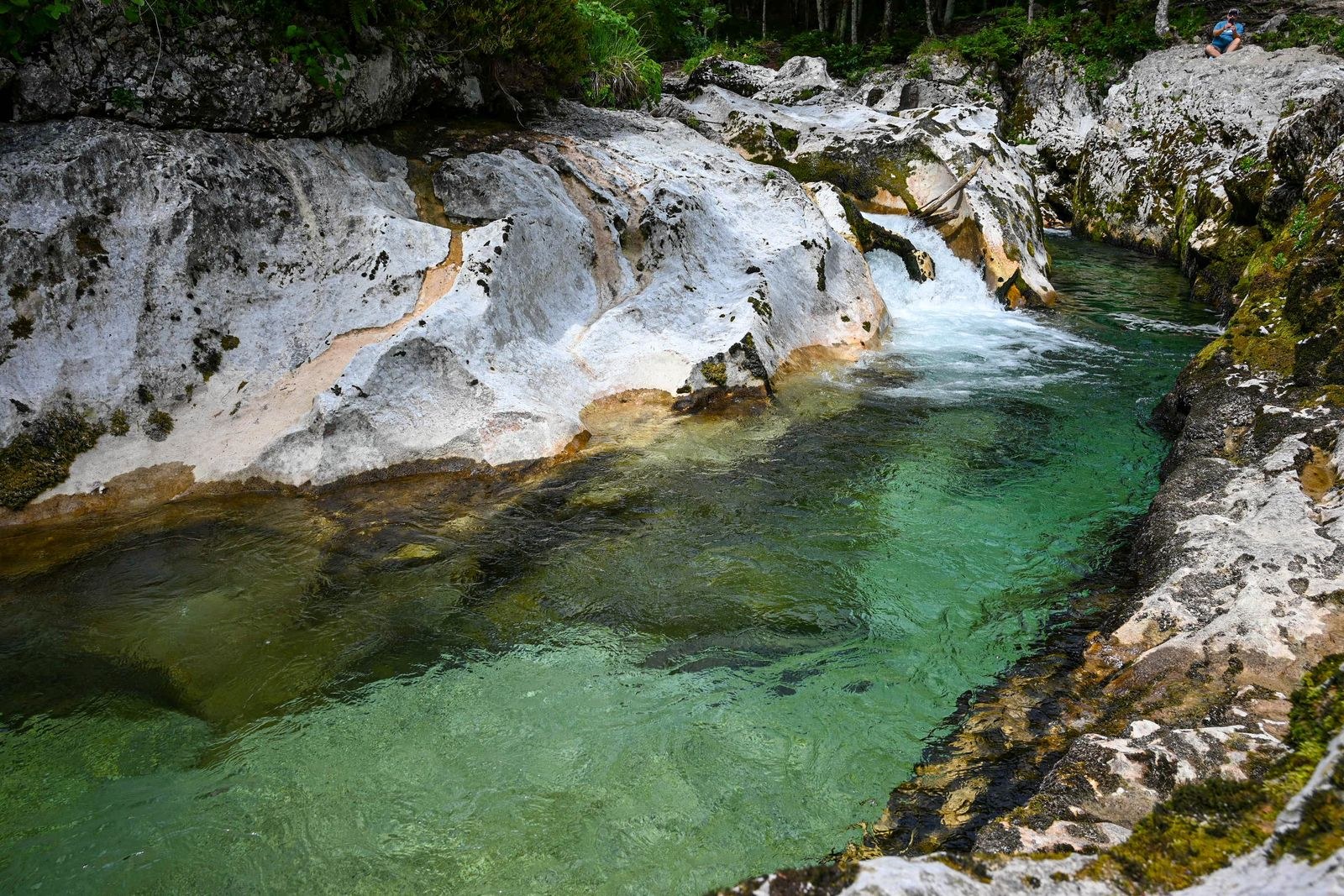
flowcloud would say that Dongwenquan’s reputation rests on one hole in a limestone floor that never changes temperature, and that the single most useful fact about the place is administrative: the gate is free, the facility inside it is 69.90 yuan, and any sentence that merges those two numbers is a sentence written by someone who has not been.
Getting there: 东温泉风景区, the Dongwenquan Hot Spring scenic area, lies at 东温泉镇正街 20 号, 20 Zhengjie, Dongwenquan Town, on the 五布河 Wǔbù Hé, the Wubu River, 40 kilometres from the main city, in 巴南区 Bā’nán Qū, Banan District, Chongqing, a municipality of southwest China – rated AAAA in 2015, 31.47 square kilometres, free of charge with telephone reservation and open-air hours of 09:00 to 18:00, telephone 023-62297051, divided into five parts, and containing a karst solution cave 1.5 metres high and 2.7 across, inverted-gourd shaped, at a constant 43 degrees, with water running at 38 to 53 degrees and a daily extractable volume of 50,000 cubic metres. Inside the free gate, the sub-scenic area 威特卡丝东温泉, Weitekasi Dong Hot Spring, at 3 Foling Street in Dongquan Town charges 69.90 yuan for an adult and 39.90 yuan for a child, day session 09:00 to 22:30; the gate is free and the sub-area is paid, two levels rather than two versions of one price (checked October 2026, subject to change).