
高黎锁深谷,纹面隐人间。Gāolí suǒ shēngǔ, wénmiàn yǐn rénjiān – Gaoligong locks a deep valley; the tattooed faces hide among men.
独龙江 Dúlóng Jiāng the Dulong River valley is the secret half of 怒江 Nùjiāng Nujiang — a blind valley west of the 高黎贡山 Gāolígòng Shān Gaoligong Mountains, cut off from the main Nu corridor by that entire wet, fern-heavy range and reachable only by boring through it. It is home to the 独龙族 Dúlóngzú Drung (Dulong) people, one of the smallest of China’s recognised ethnic groups, a few thousand strong, who speak their own Tibeto-Burman tongue and weave the 独龙毯 Dúlóng Tǎn Dulong blanket — a bold diagonal-striped 披毯 pītǎn shawl that every visitor photographs. The valley’s signature human sight is the 纹面女 wénmiàn nǚ face-tattooed women: elderly Drung grandmothers whose cheeks and foreheads carry the 纹面 wénmiàn facial tattoo, a rite that marked girls at coming-of-age and that died out in the 1960s, so the bearers are now a dwindling handful in their seventies and eighties. To meet one is genuinely to meet a closing chapter of southwestern frontier history, and the village lanes of 孔当 Kǒngdāng Kongdang (the valley’s small seat) and the upper hamlets are where the few remaining 纹面女 wénmiàn nǚ still receive visitors.
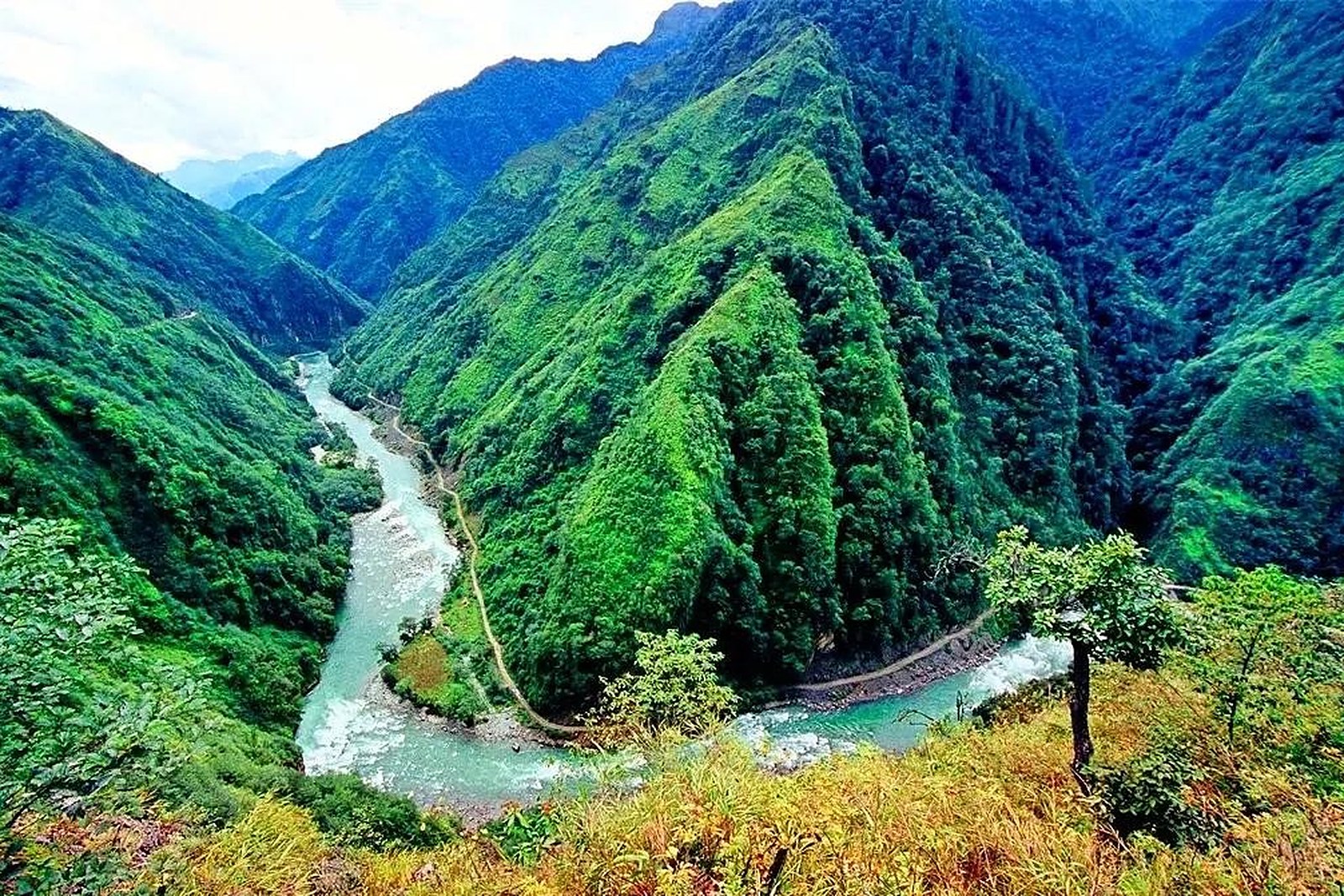
The honest grade is “a remote, free-to-enter valley with one hard gate: the road,” and that road is the story. The 独龙江公路 Dúlóng Jiāng Gōnglù Dulong Highway punches through the 高黎贡山隧道 Gāolígòng Shān Suìdào Gaoligong tunnel — a project that finally gave the valley year-round road access when the tunnel opened in the mid-2010s (worth confirming the exact opening year, because the old pass road and the new tunnel are often conflated in write-ups). Before the tunnel, the sole route over the 雪线 xuěxiàn snow line was closed for months every winter by snow, and the 独龙江 Dúlóng Jiāng was famously one of the last places in China cut off from the road network for half the year. Even now, the tunnel keeps it open, but the drive is long, slow and weather-sensitive from 贡山 Gòngshān Gongshan, and there is no rail and no airport to speak of. There is no ticket at the valley mouth; the costs are the drive, a basic 客栈 kèzhàn guesthouse and the quiet, unofficial hospitality of the villages.
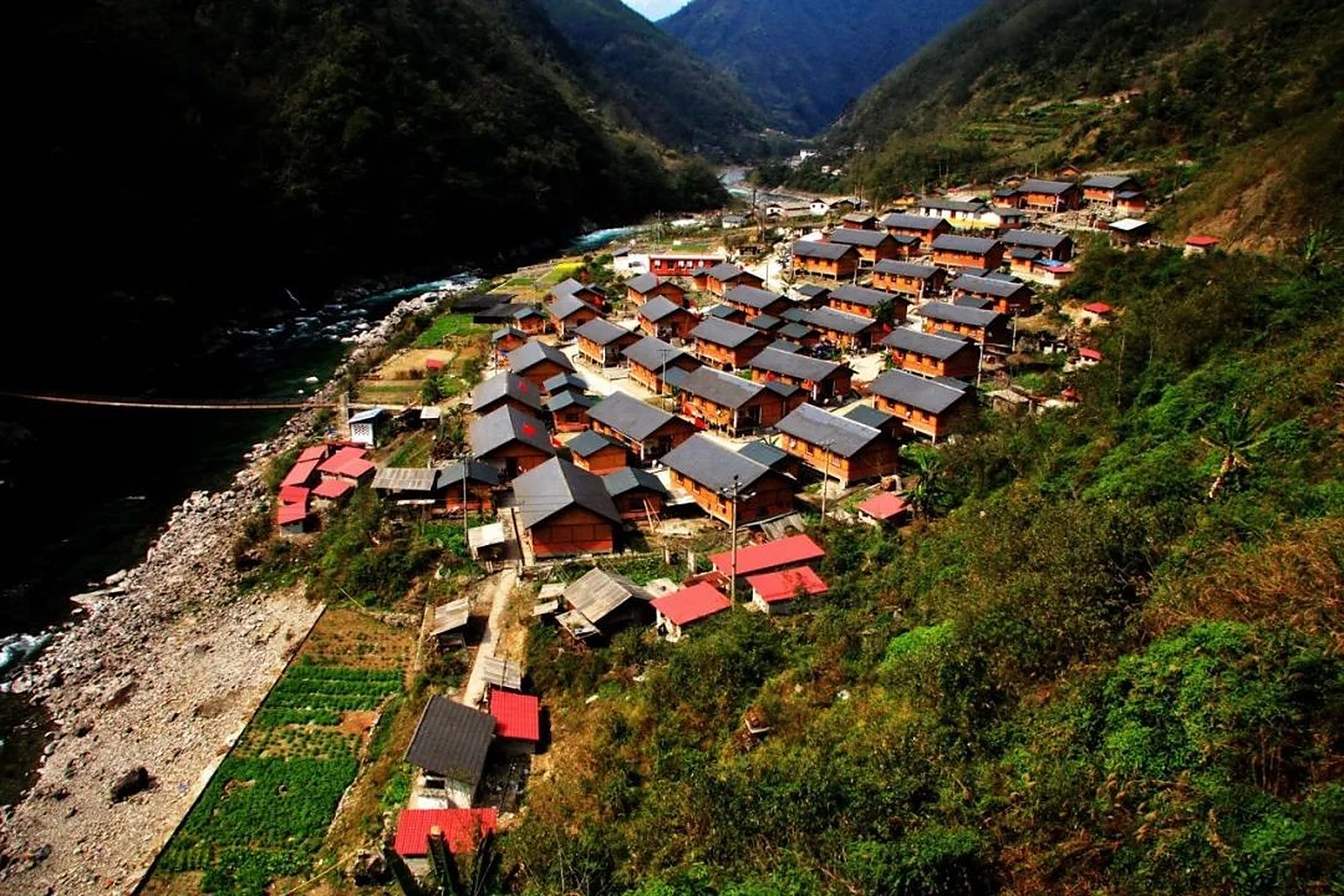
The wry take is that the Dulong valley is the prefecture’s deepest “last frontier” cliché, and it earns the cliché more than most. What is overrated is any expectation of comfort or a curated sight — this is a working river valley of 木楞房 mùléng fáng timber houses, maize terraces and a single sealed road, not a heritage park, and the 纹面女 wénmiàn nǚ are people, not exhibits, so ask before you point a lens and offer the small gift or fee the families appreciate (worth confirming what, if anything, a family asks — do not assume a price). Best season is the dry October-to-April window, when the tunnel road is reliable; the rainy summer brings 塌方 tāfāng and the old cut-off feeling returns. Time your visit near the 卡雀哇节 Kǎquèwā Jié Kǎquèwā Festival — the Drung new year, around December to January by the lunar count (worth confirming the date, which shifts) — if you want the 独龙毯 Dúlóng Tǎn dances and the communal 剽牛 piāoniú ox ceremony rather than a quiet lane. Carry your ID, carry cash (the valley ATM situation is thin worth confirming), and go knowing the tunnel is a modern miracle that the winter closure used to make absolute.
Practicalities
- Rating: The far-west valley of Gongshan County behind the Gaoligong crest, homeland of the Drung people; a remote, free-to-enter landscape, not a graded ticketed scenic area.
- Tickets: No gate fee at the valley; costs are the long drive from 贡山 Gòngshān, basic guesthouses and village hospitality. The 高黎贡山隧道 Gāolígòng Shān Suìdào access road is the real barrier, not a turnstile (worth confirming no new valley-entry fee since the tunnel opened).
- Address: 独龙江乡 Dúlóng Jiāng Xiāng, Gongshan County, Nujiang — through the Gaoligong tunnel west of 贡山 Gòngshān; no rail, reached only by the Dulong Highway.
- Time needed: A full day of driving in from Gongshan plus at least one overnight; two nights lets the slow valley pace actually arrive.
Words and Names
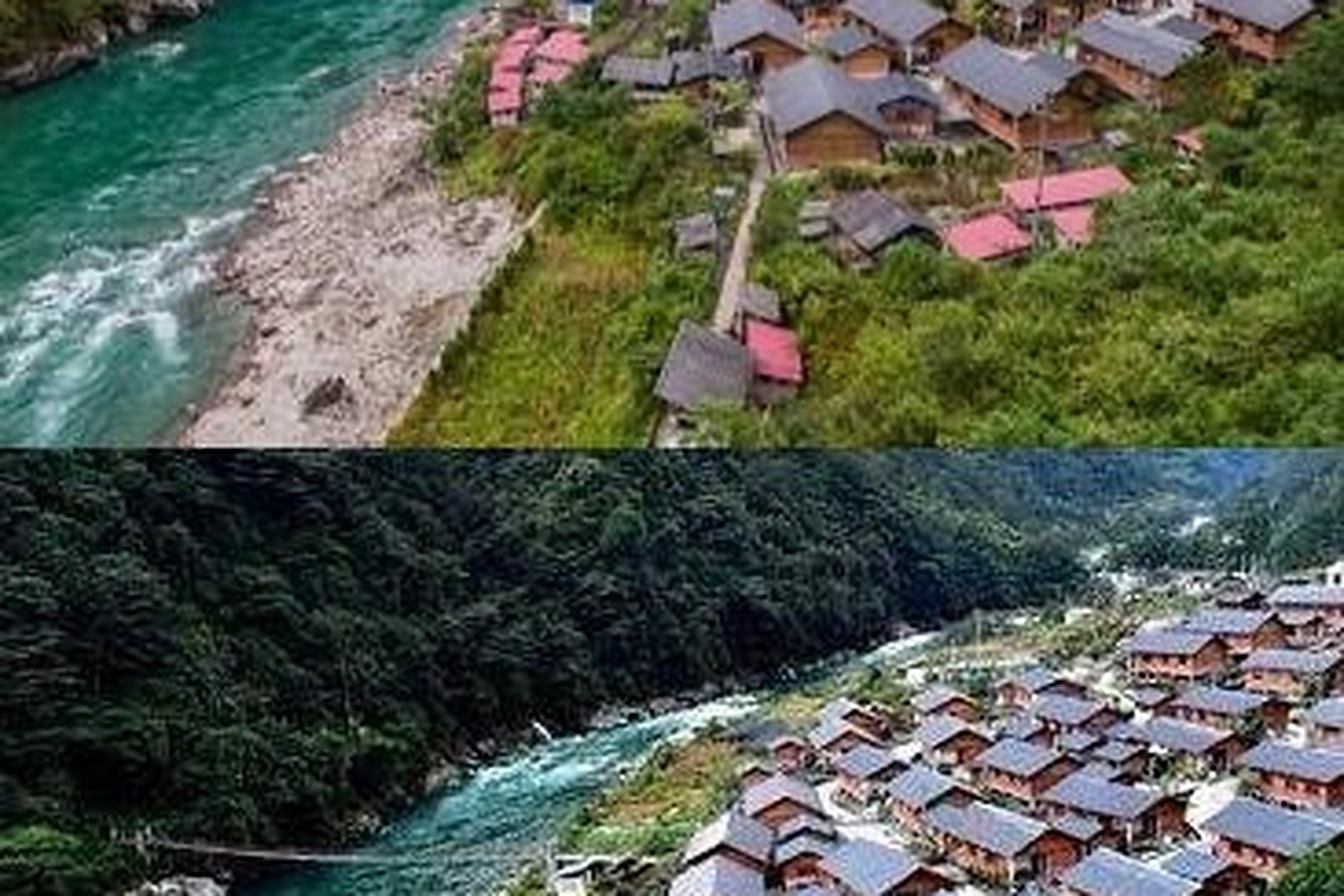
独龙江 Dúlóng Jiāng Dulong River · the blind valley west of Gaoligong, homeland of the Drung people 独龙族 Dúlóngzú Drung people · one of China’s smallest ethnic groups, a few thousand strong 纹面女 wénmiàn nǚ face-tattooed women · the elderly Drung grandmothers carrying the dying facial-tattoo rite 高黎贡山 Gāolígòng Shān Gaoligong Mountains · the wet range that walls the valley off from the Nu corridor 高黎贡山隧道 Gāolígòng Shān Suìdào Gaoligong Tunnel · the road tunnel that gave the valley year-round access 独龙毯 Dúlóng Tǎn Dulong blanket · the bold diagonal-striped shawl the people are known for 卡雀哇节 Kǎquèwā Jié Kǎquèwā Festival · the Drung new year, with blanket dances and an ox rite 孔当 Kǒngdāng Kongdang · the small seat of the Dulong valley 木楞房 mùléng fáng timber house · the log dwellings of the valley hamlets 塌方 tāfāng landslide · the rainy-season hazard that still slows the tunnel road
flowcloud would say that 独龙江 Dúlóng Jiāng is Nujiang’s locked-away half — west of 高黎贡山 Gāolígòng Shān, homeland of the 独龙族 Dúlóngzú Drung and the last 纹面女 wénmiàn nǚ face-tattooed grandmothers — and that the honest move is the tunnel road in the dry season with cash and ID, because the 高黎贡山隧道 Gāolígòng Shān Suìdào ended the old winter cut-off but the valley is still a working timber-house river, not a heritage park, and the tattooed elders are people, not exhibits. All checked October 2026.
Getting there: 贡山 Gòngshān county seat, over the 高黎贡山独龙江公路隧道 Gāolígòng Shān Dúlóngjiāng tunnel (public reports put the opening in 2014, worth confirming the year) – about two hours by the valley shuttle to 孔当 Kǒngdāng (worth confirming the details); heavy winter snow can close the tunnel mouth and the honest window is May to October; expect a border check and thin ATMs. All checked October 2026.