
Ask a Chongqing native about 歌乐山 Gēlè Shān, Gele Mountain, and the answer is as likely to be a date as a view: the wartime years when offices and schools crowded its slopes, the memorial ground at its foot, the thousand-year town below the ridge. Chongqing is a municipality of southwest China, and 沙坪坝区 Shāpíngbà Qū, Shapingba District, is the district west of the Jialing River, with the green wall of Gele Mountain standing at its back. The characters of the name read as song and joy, and the forest park that covers the ridge – the Gele Mountain National Forest Park, the 重庆歌乐山森林公园 of the government listing – is a free, open city mountain carrying a heavier layer of history than any hillside park in the region: this is the page where the district’s history mountain is read, with the pines and the lookouts as the setting rather than the story.
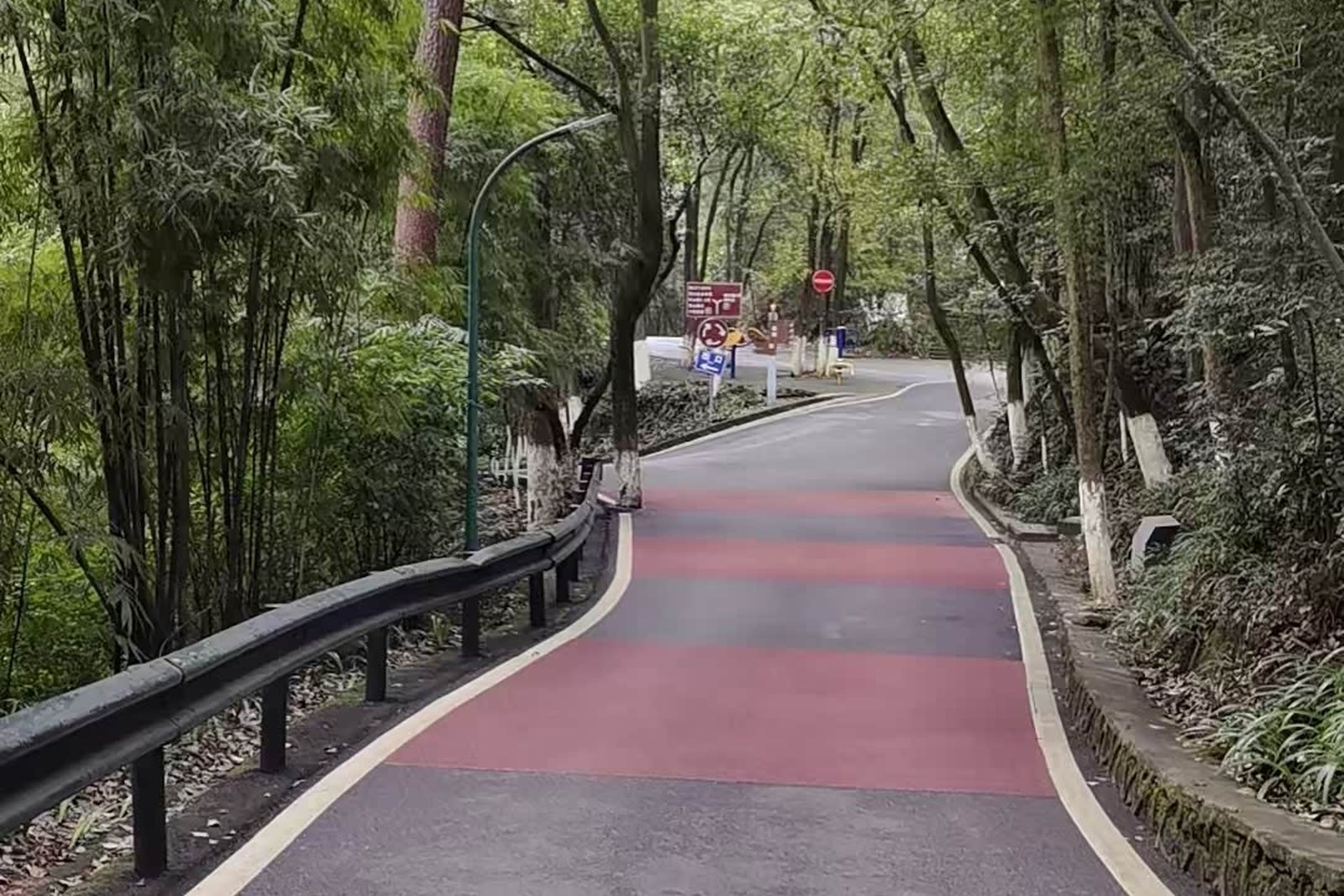
The mountain is the district’s green curtain, rising straight from the city’s western edge, and its story runs deeper than its trees. During the war years, when the national government made Chongqing its seat of resistance, government offices, schools, research bodies and hospitals moved inland in numbers and clustered on Gele Mountain and the Shapingba lowlands below; the writer Bing Xin, in her remembered essay on Shapingba, kept the years she lived on this mountain looking toward the Jialing, and the essay is still the window locals borrow when they talk about the slope’s wartime quiet. The forest park itself is a younger institution on that old ground: the district government’s scenic-area listing records its national 4A rating from November 2002, and the same table notes the essentials that still hold – the park is open and free, gates at 8 am, closing at 5 pm.
That wartime layer is the reason the hill reads differently from the city’s other green escapes, and it is still visible in the geography: the martyrs’ cemetery and the Hongyan memorial sites hold the mountain’s lower slopes, near Lieshimu on metro line 1 – their story keeps its own page – and the old porcelain town of Ciqikou sits at the mountain’s foot by the river, backed against the ridge exactly as the gazetteer describes it. The park’s own register adds the habits of a working scenic area: reservation through its official WeChat account, 重庆歌乐山森林公园, is the entry channel the district government lists, and a treetop adventure course operates inside the park for an extra charge, by the travel platforms’ listing. What the park does not sell is spectacle – no ticket gate, no paid viewpoint – and the honest plan is the simple one: walk the shaded roads, take the lookouts when the haze lifts, and let the history sit quietly in the background the way the mountain itself does.
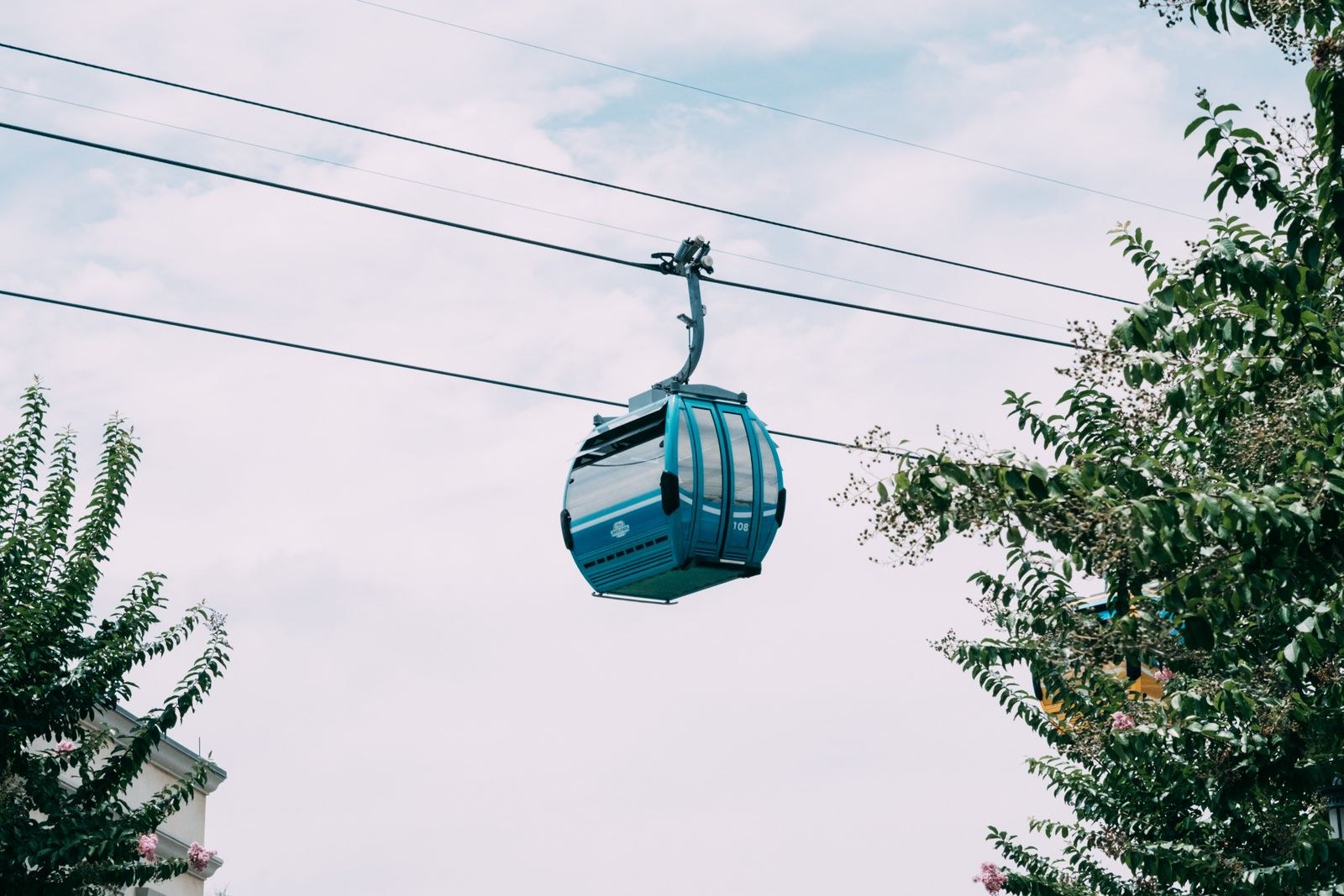
The mountain cableway is the ride worth knowing about: an aerial lift that climbs from the city side through the canopy, running again as of 2025 – the district’s culture-and-tourism office confirmed its operations in an official reply that September, closed-cabin cars and all – with fares taken at the counter rather than printed in advance, a detail too mobile for print. From the upper stations and the ridge lookouts the city spreads out eastward: the campus plain of Shapingba, the line of the Jialing, and on clearer days the towers of the far bank, all of it framed through a screen of pines that no tower deck can offer. Ride up and walk down, or do both by foot – the park’s roads and galleries are free – and keep an eye on the clock, because the gates shut at five and the mountain deserves the earlier part of the day.
Practicalities
Tickets. There is no entry ticket: the Gele Mountain National Forest Park is a free, open scenic area in the district government’s listing, with no paid viewpoint and no ticket gate; the extras inside it, such as the treetop adventure course, charge separately on their own terms. As of October 2026, subject to change – check before you go.
Opening hours. The park keeps 8:00 to 17:00, the hours the district government’s scenic-area table records, so the gates shut at five and the mountain wants the earlier part of the day; the WeChat account listed below carries any extension or fog notice.
Closing day. There is no closing day: the listing records the park open daily, and reservation is made through the official WeChat account 重庆歌乐山森林公园, which is also where closure notices appear.
Getting there. From central Shapingba a taxi or local bus reaches the park gate on 森林路 Sēnlín Lù Senlin Road in roughly twenty to thirty minutes, and the park’s WeChat account carries current transit tips; the martyrs’ memorial quarter at the mountain’s foot sits on metro Line 1 at 烈士墓 Lièshìmù Lieshimu Station, and the old porcelain town below the ridge is a separate short ride.
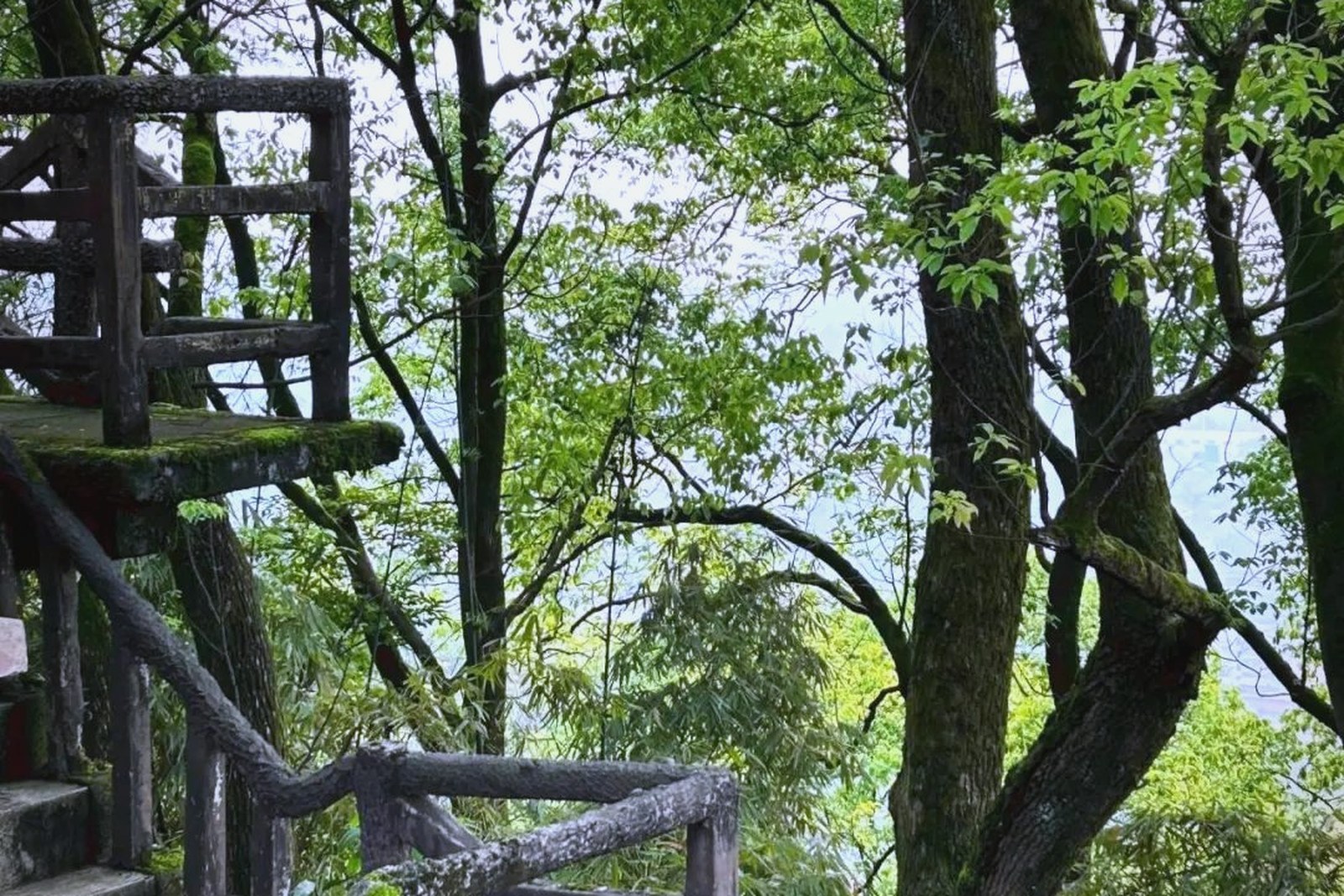
flowcloud would say that Gele Mountain is the history hill wearing a forest – free at the gate, song in its name, wartime memory on its slopes, a cableway through the pines and a thousand-year town at its foot – and that the park’s best exhibit is the way Chongqing’s past and its weekends share the same ridge without stepping on each other.
Getting there: the Gele Mountain National Forest Park on 森林路 Sēnlín Lù Senlin Road on the Gele Mountain ridge, Shapingba District, Chongqing, a municipality of southwest China, rated a national 4A scenic area in November 2002. Entry is free and the park keeps 8 am to 5 pm daily with no closing day, the district government listing the official WeChat account 重庆歌乐山森林公园 as the reservation channel, where closure or fog notices are posted. From central Shapingba a taxi or local bus reaches the park gate on Senlin Road in roughly twenty to thirty minutes, and the park’s WeChat account carries current transit tips; the martyrs’ memorial quarter at the mountain’s foot sits on metro Line 1, and the porcelain town below the ridge is a separate short ride. The cableway runs as of 2025, with fares taken at the counter (checked October 2026, subject to change).