
Baozhen Fishing Port and Old Street: The Century Harbour Town on the Yangtze Shore, the Ferry Landings and the Salt-Air Smoke of Chongming’s Working Old Street in Chongming District, Shanghai
百年渔火归晚港,一条老街晒咸风。Bǎi nián yúhuǒ guī wǎn gǎng, yī tiáo lǎojiē shài xián fēng – A hundred years of fishing fires return to the evening port; one old street dries in the salt wind.
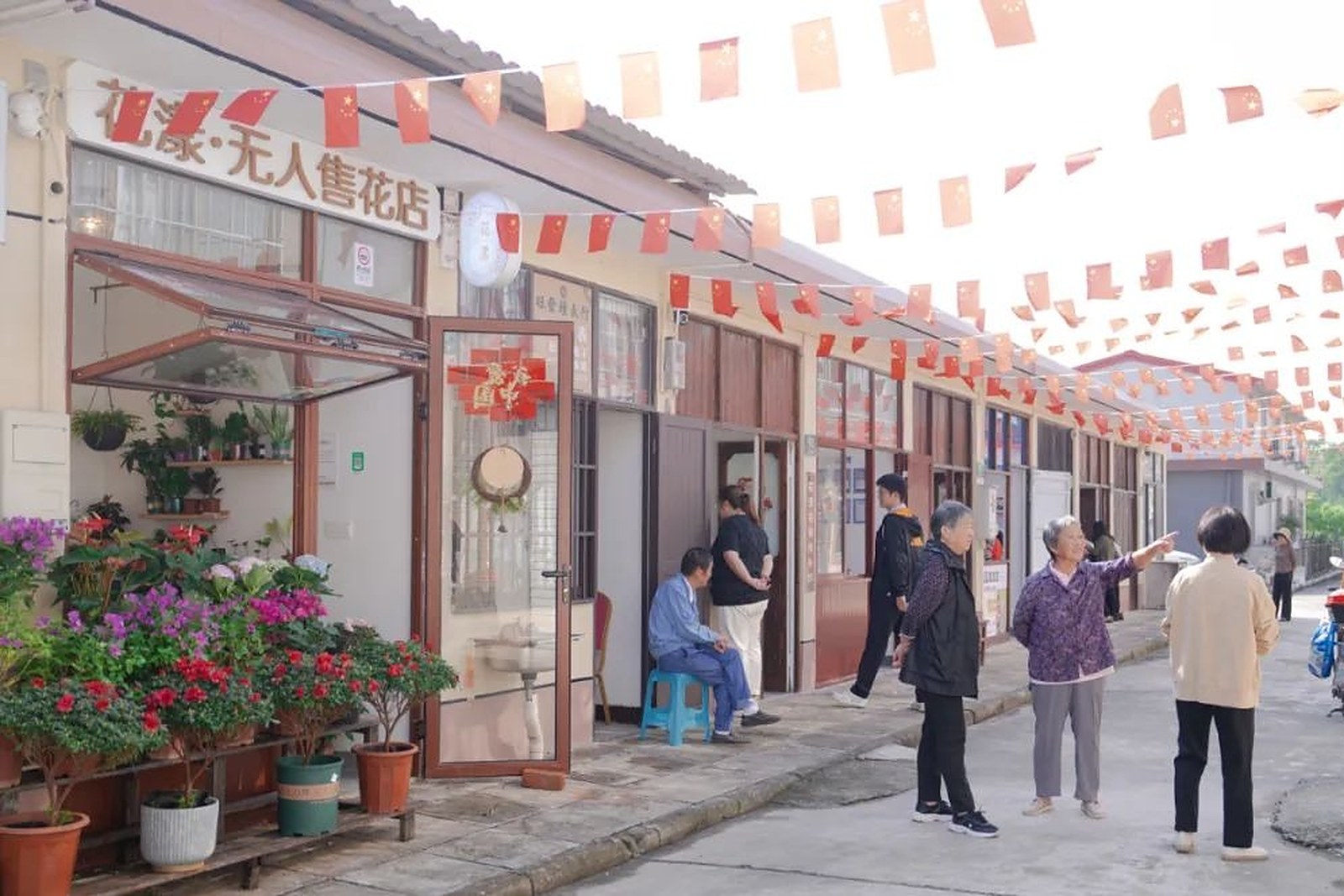
堡镇渔港老街 Bǎozhèn Yúgǎng Lǎojiē Baozhen Fishing Port and Old Street is the old harbour town on Chongming’s southern shore, where the island fronts the Yangtze’s main channel and the ferries from the Shanghai side once made 堡镇 Bǎozhèn Baozhen the island’s eastern gateway (worth confirming the details for the current ferry schedules, which the townsfolk still watch the way city people watch train apps). The town grew rich and busy on the river: a working 轮渡码头 lúndù mǎtou ferry landing, boatyards and net racks, and a port market that set the rhythm of the whole east end of the island. The 老街 lǎojiē old street runs up from the landing – low shopfronts, narrow lanes, the fishmongers and dried-seafood stalls and morning noodle shops of a town that still feeds itself off the water, all of it carried on a base note of salt and diesel that no heritage makeover has seen fit to scrub. The town’s other trade is the river itself: the channel views from the levee are wide and working, tugs and barges filing past the moored boats, and on clear afternoons the far bank reads as a thin grey pencil line. The register is a working town at ease: fewer visitors than stools, more locals than cameras, the 咸腥烟火 xiánxīng yānhuǒ – salty, fishy smoke and fire – of everyday commerce by the tide.
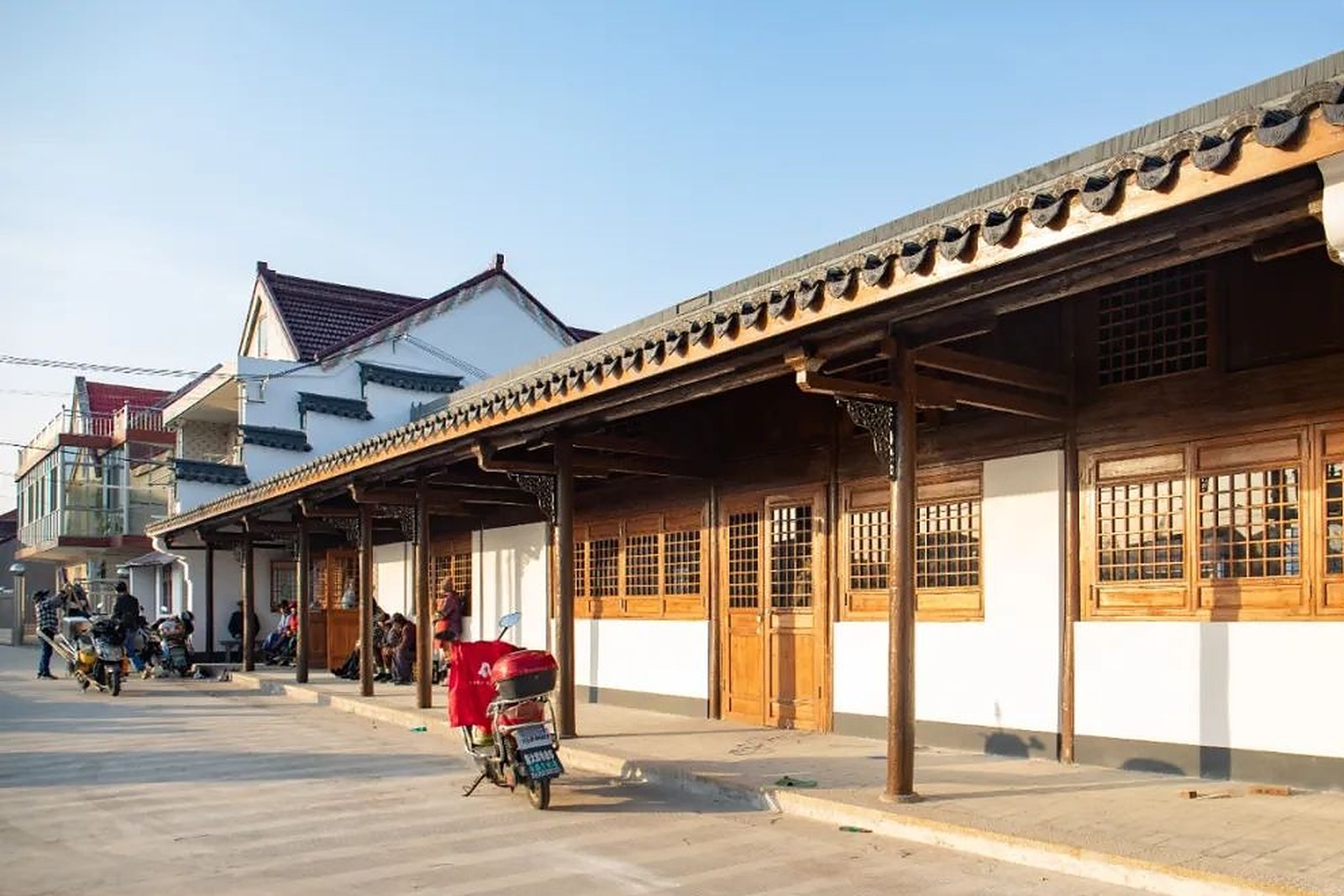
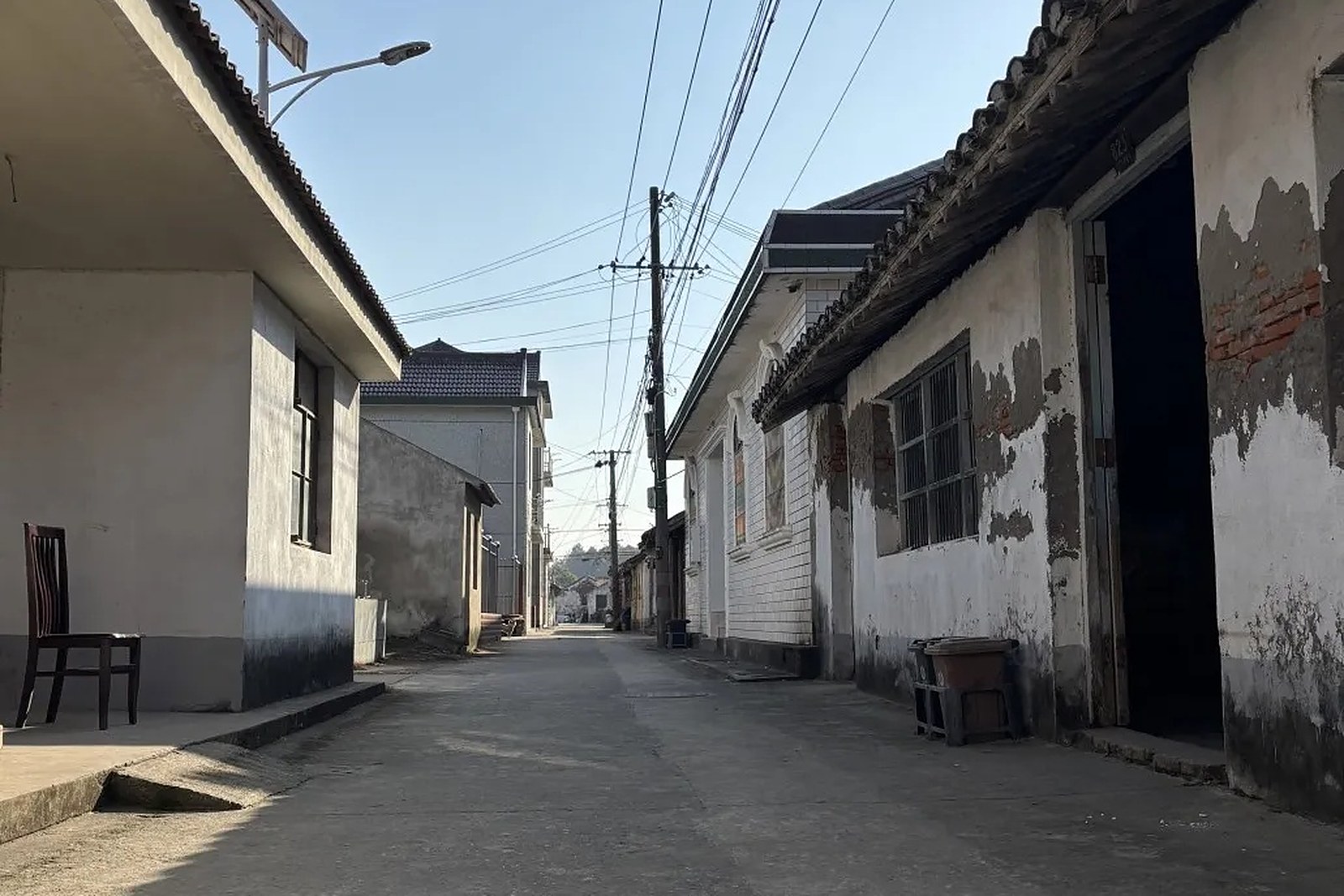
Two crowds keep the port streets alive: cyclists and ferry day-trippers running the island’s south coast road who stop for a harbour lunch and watch the boats work the channel, and slow-travel photographers and heritage walkers who rank Baozhen among the last genuinely unrenovated port streets in the Shanghai region (worth confirming the details for the morning market hours, which follow the fishing fleet rather than any tourist timetable). The stock answer in kind: river fish and harbour noodles at prices the city has forgotten, the ferry crossing itself as a cheap river cruise, and an old street where the laundry overhead belongs to residents rather than a scenery committee. Come at breakfast if you can: the port’s first hours, market trolleys and steam over the noodle pots, are the old street at its most itself.
Call it honestly: Baozhen offers almost nothing in the checklist sense – no ticketed sights, no boutique arcades, no plaque-dotted heritage trail – and travellers arriving expecting a polished water town will circle the lanes in half an hour and wonder what they came for (worth confirming your appetite before you come, because the port’s real business is eating and the kitchens keep market hours). What the map repays is exactly that lack of performance: nets actually mended on the quay, an evening ferry sliding in with the town’s shopping aboard, the old street’s timbers silvered by a century of river wind. Against that: everything here is free to look at, the seafood is as direct from the deck as you will find inside the municipality, and the town slots neatly into a cycling day along the south shore – port breakfast, island ride, harbour supper. Pair the port with the island’s south-shore ride or an onward bus east, because Baozhen rewards being passed through slowly more than it rewards being arrived at with ceremony. The honest verdict: Baozhen is for the traveller who wants the island as it lives, and for everyone else it is a good bowl of noodles by a working river.
Practicalities
Nearly everything else on this Chongming list trades a different mood on the same island: choose 东滩候鸟保护区 Dōngtān Hòuniǎo Bǎohùqū Dongtan Migratory Bird Reserve for the east-beach flyway spectacle, 西沙明珠湖 Xīshā Míngzhū Hú Xisha Mingzhu Lake for the western wetland and lake, 东平国家森林公园 Dōngpíng Guójiā Sēnlín Gōngyuán Dongping National Forest Park for the green heart and 长兴岛郊野公园 Chángxīng Dǎo Jiāoyě Gōngyuán Changxing Island Country Park for the orchard shore – four more doors into the same 崇明区 Chóngmíng Qū Chongming District. Once the day is planned, our Chongming food map fills the eating hours.
Practicalities
Words and Names
flowcloud would say that a Baozhen day is bought for the harbour and the table – ferry landing to noodle-shop evening in the October 2026 snapshot, all worth confirming the details – and that the honest move is to come hungry and unpolished, because the port’s whole gift is the working town as it is, keep the morning-market breakfast and the old-street stroll as the plan, and let the coast-road bus carry you on with the salt still in the air. All checked October 2026.
Getting there: Buses along the island’s east coast road reach 堡镇 Bǎozhèn Baozhen’s port streets (worth confirming the details for the cross-island bus times, which stretch at midday); the 老街 lǎojiē old street runs up from the ferry landing. All checked October 2026.