
The House That Opened the Desert: The Gobi Mother Residence on the 126th Regiment
地窝子灯火,照见戈壁春 Dìwōzi dēnghuǒ, zhàojiàn gēbì chūn – The dugout’s lamplight lights a spring on the Gobi
正文:戈壁母亲旧居 Gēbì Mǔqīn Jiùjū the Gobi Mother former residence stands on the 126th Regiment farm north of 胡杨河市 Húyáng hé Shì Huyanghe City – the homestead of the real settlers behind the novel-and-drama matriarch whose story carried the Corps’ landfall into a nation’s memory. The house itself is the exhibit’s first document: a half-sunken dugout and mud-brick rooms of the 1950s pattern, roofed with brush and earth, the sort of dwelling the first servicewomen raised in a winter with their own hands. Around it the farm lanes still run to the fields the founding generation broke, and the residence keeps its yard, its well frame and its few veteran poplars as witnesses.
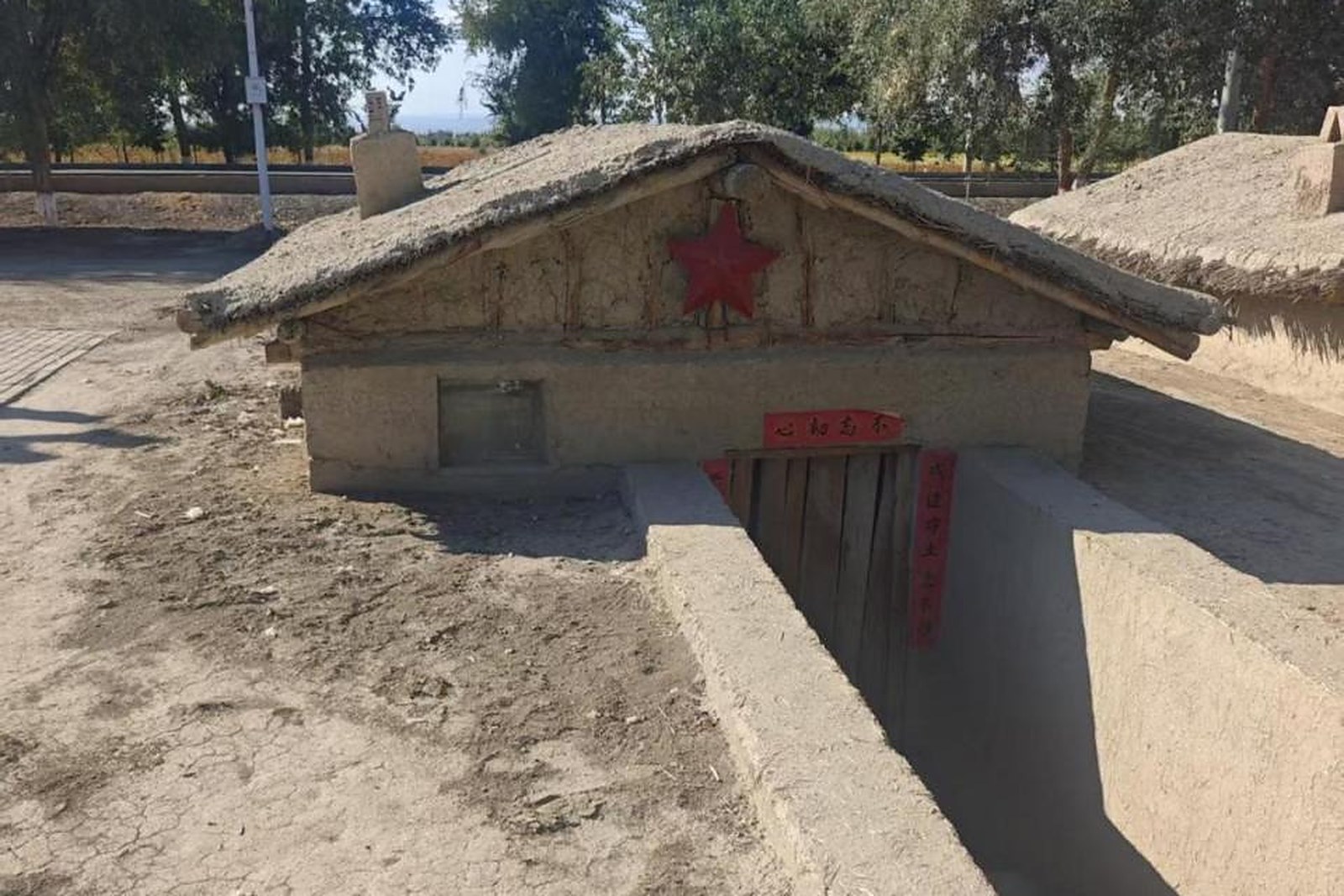
Inside, the rooms are kept to the era rather than to nostalgia. A kang platform, a mirrored dressing table, enamel basins and a hurricane lantern – the kit of a household built from nothing – sit arranged as if the day’s chores had just stepped out. Wall boards carry the photographs: young women in army greatcoats at land-survey work, a dormitory half under the earth, wedding portraits taken against a wall of mud brick. The narrative is domestic on purpose – the Corps’ epic told not through artillery but through a kitchen, a quilt, and a lamp trimmed each evening.
The setting does the rest. The 126th Regiment’s fields still wheel around the homestead in the big geometric squares the landfall drew, shelter belts of poplar marking every margin, and the drive north from the city crosses exactly the scrub-to-farmland transition the exhibits describe. Guides – often daughters of the settler families – read the rooms aloud: which bed held which sisterhood, which winter the roof leaked, which harvest paid for the first brick house on the same footprint.
Practicalities first. The residence sits deep in regiment farmland, a long drive from the city’s civic quarter, and public transport does not serve the lanes – hire a car or join a farm tour, and pair the visit with a courtyard lunch on the farm strips nearby. Opening hours follow the site staff, so call ahead in the off-season; the rooms are small and close, best visited in the cooler hours, and the yard paths are packed earth that holds boot prints beautifully after rain.
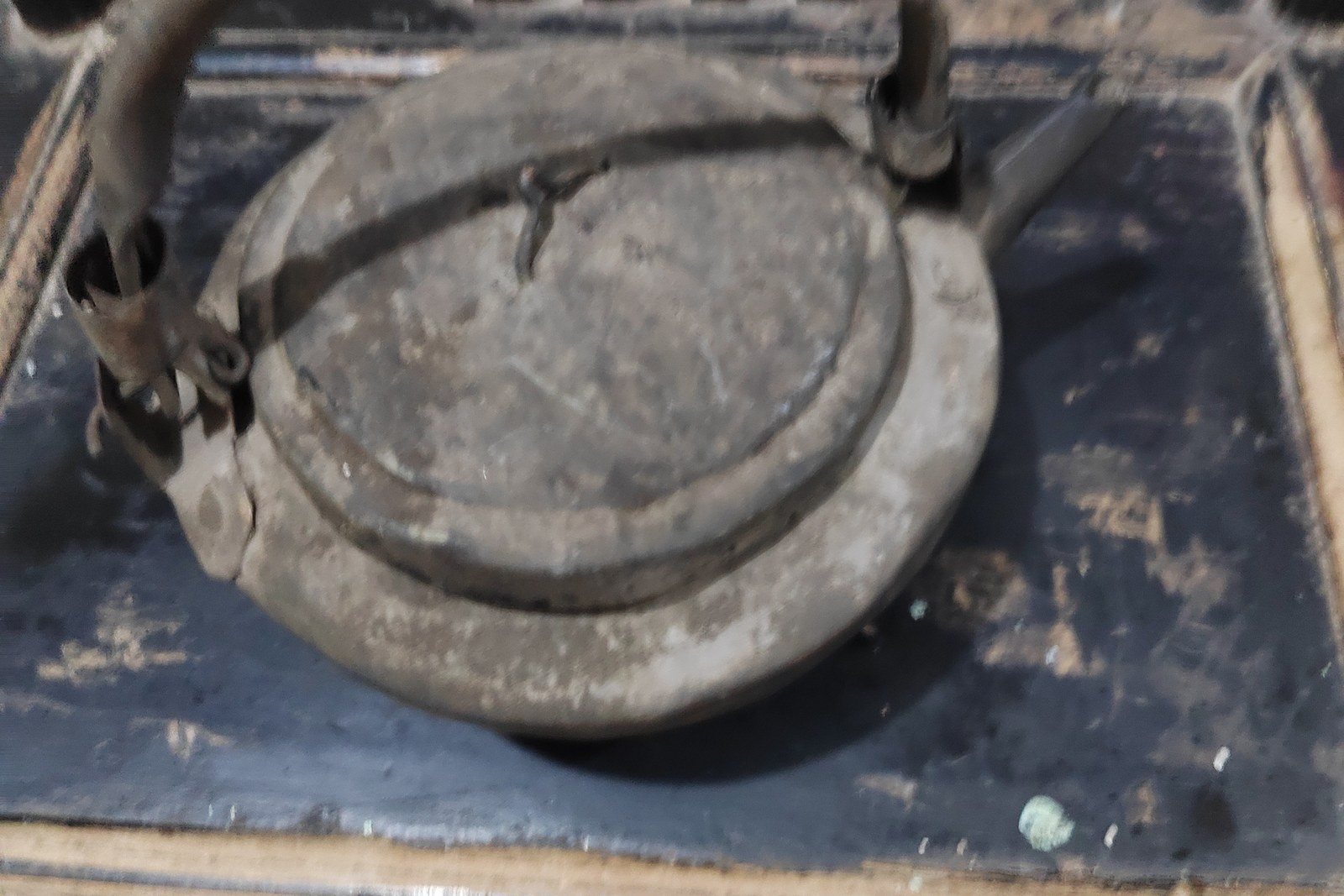
The residence rewards the visitor who reads objects. The lantern is not decorative – it is the light by which literacy classes ran after fieldwork; the mirrored table speaks to a generation that carried vanity and comradeship in the same small case. Stand in the yard at dusk and the frame composes itself: earth house, poplar line, irrigation ditch, darkening field – the whole founding argument of the Corps in one viewfinder.
Practicalities
Beyond the homestead, the same 胡杨河市 Húyáng hé Shì Huyanghe City keeps more places worth the detour: 胡杨河湿地公园 Húyáng hé Shīdì Gōngyuán the wetland park for the reed bays, 军垦历史陈列馆 Jūnkěn Lìshǐ Chénlièguǎn the history hall for the Seventh Division’s landfall, 胡杨林景区 Húyáng Lín Jǐngqū the poplar stands for the October gold, or 城市公园 Chéngshì Gōngyuán the central park for the evening square – four more doors into the same 胡杨河市 Húyáng hé Shì Huyanghe City. Once the residence is walked, our Huyanghe food map fills the day.
Practicalities
Words and Names
flowcloud would say the Gobi Mother residence is the desert’s own hearth-story: a dugout that grew into a city, a lamp that outshone the darkness it was trimmed against – history you can sit down in, on a chair the founding generation made from a packing crate. All checked November 2026.
Getting there: The residence stands on the 126th Regiment farm, a long drive north from Huyanghe’s civic center; hire a car or join a farm tour, and confirm opening hours ahead since the courtyard keeps working-museum times. All checked November 2026.