
The West’s First National Urban Wetland
观音塘湿地公园 Guānyīntáng Shīdì Gōngyuán, Guanyintang National Wetland Park, holds western China’s first: the first urban wetland in the region graded national under the city-wetland programme, and the standard-setter since – six hundred and seventy-seven recorded plant species, rare and foreign specimens among them, planted out as an open-air plant museum inside the built-up town of 璧山区 Bìshān Qū, Bishan District. The grounds are free, the habitat runs from deep reed beds to formal garden terraces, and the district’s old scenic canon – the eight views, the 茅莱仙境 Maolai fairyland among them – is carved on tablets along the water with story boards a phone can read. This page is written on the grading and the planting, because the planting is the sight.
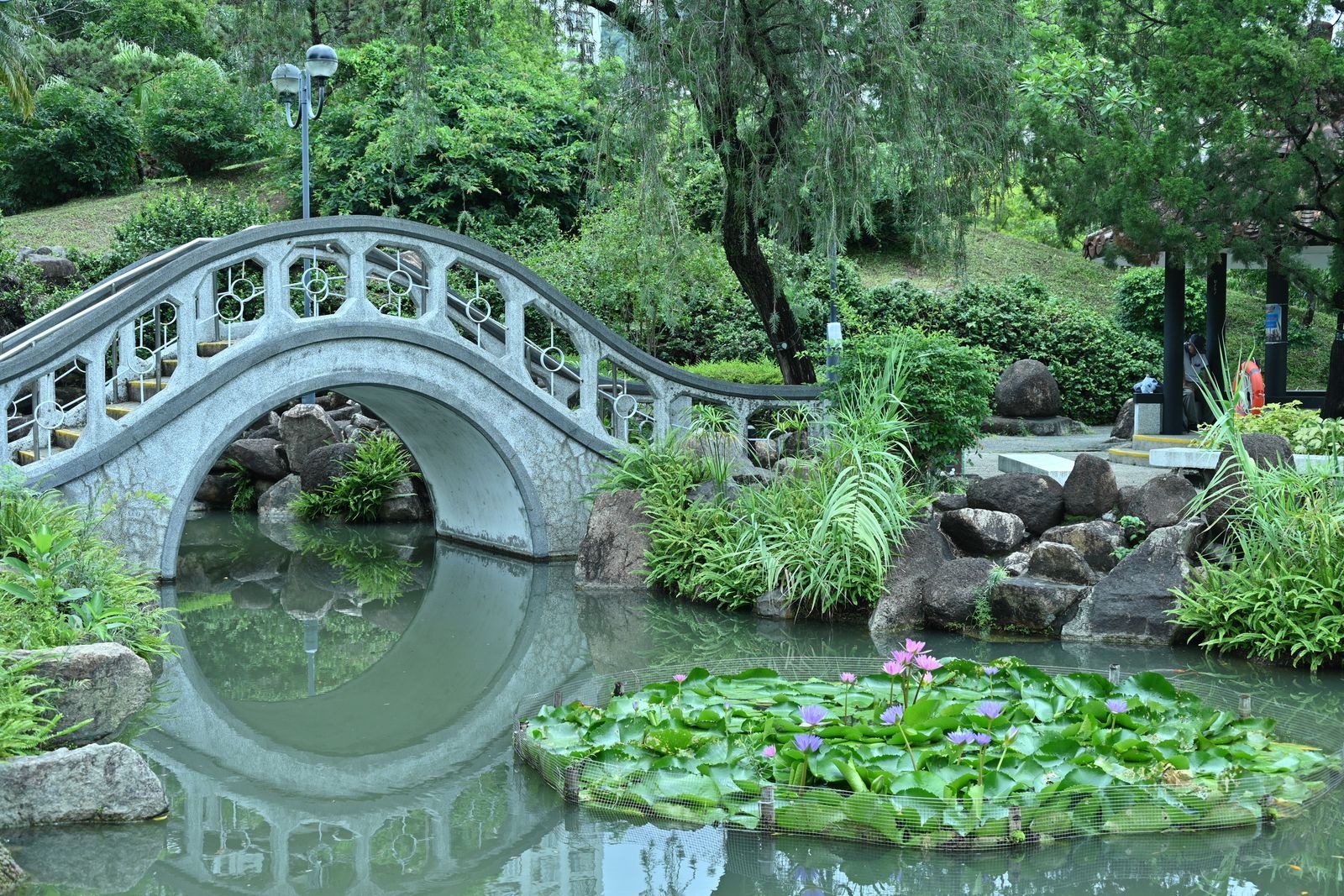
The grading is the headline and the planting is the reason behind it. A city wetland graded national is judged on what survives and what is curated, and Guanyintang’s answer was to become a botanic garden wearing a wetland: the district counts six hundred and seventy-seven species in the grounds, a collection that runs from the regional natives through the rare and the foreign – the “eight countries” of specimen trees the district’s literature enjoys naming – each planted where a walking visitor reads the label without detouring. The design intent is legible on the ground: this is habitat engineering done as civic ornament, reed beds and open water for the birds, terraced gardens for the plant collection, and the whole wrapped inside the town so the metro weekend can walk in without a car. The national first was the certificate; the collection is the asset that keeps the certificate meaningful.
The old canon is the park’s second layer. Bishan’s eight classical views – the scenery the county’s poets painted when the county was a post-road town – survive here as carved tablets along the water, the 茅莱仙境 fairyland view among them, and the park tells the tablets with scannable story boards that give a walker the county’s self-image in the order the walk passes them. The combination is the district’s civic argument in one site: the wetland is the modern national asset, the tablets are the twelve-century county, and the tea stalls that work the water edge in the warm months are the vernacular that serves both. The 古道湾 park, the antiqued post-road park on the district’s west side with its terraced flower fields, is the thematic neighbour a visitor pairs the afternoon with, and the page names it once here rather than pretending the record on it is deeper than directory depth.
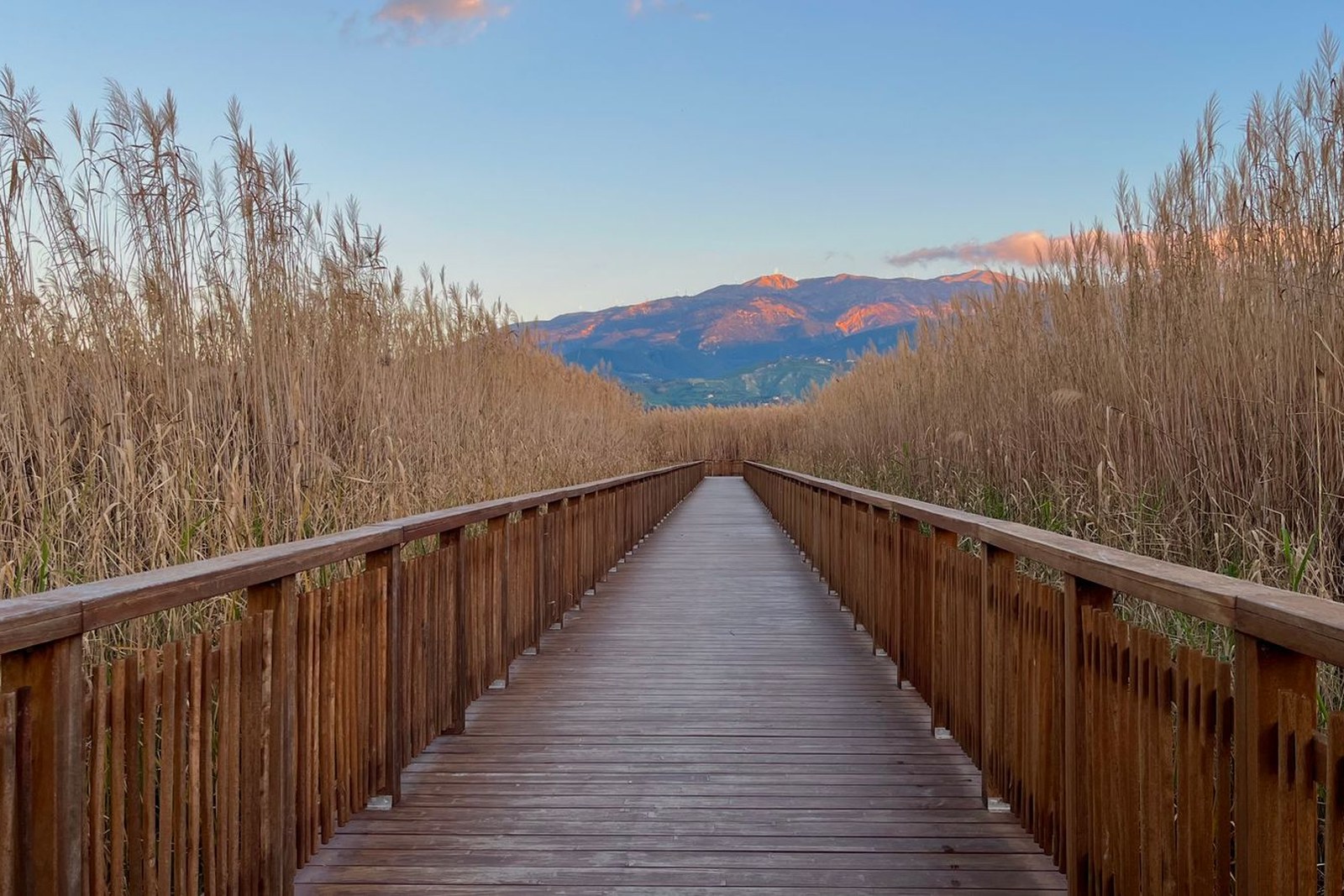
What the record supports is the park, the national-first grading, the species count, the eight-view tablets with the Maolai name, and the free entry; what it does not support is any ticket figure (it is free and the page says so), any bird-species count, or any ranking against the region’s larger wetlands, and none is invented here. The honest comparison is not size – Guanyintang is not the biggest wetland park in the southwest – but the format: a national wetland that behaves like a botanic garden, inside the town, free, with the county’s own poetic canon carved along the water. That format is what the grading recognised, and it is what a Chongqing weekend actually visits.
The wetland also pairs with the batch’s other civic water. Xiuhu is the district’s front-room lake with its fountain; Guanyintang is the same civic idea in its scientific register – collection, labelling, habitat – and the two parks together are the district’s green argument, a decade of planting that turned a county town’s edges into the region’s certified wetland. A visitor runs both in a weekend and eats the fish in between; the district planned it that way. All checked October 2026.
Words and Names
观音塘湿地公园 Guānyīntáng Shīdì Gōngyuán, Guanyintang National Wetland Park, in the built-up town of 璧山区 Bìshān Qū, Bishan District: western China’s first national urban wetland under the city-wetland programme, carrying six hundred and seventy-seven recorded plant species – regional natives with rare and foreign specimen trees among them – arranged as an open-air plant museum with readable labels. The grounds are free and run from reed-bed habitat to formal terraces, with the county’s eight classical views – the 茅莱仙境 Máolái xiānjìng Maolai fairyland view among them – carved on story-tablet stones along the water, and tea stalls at the water edge in the warm months. The antiqued 古道湾公园 Gǔdàowān Gōngyuán post-road park with its terraced flower fields is the west-side neighbour. No ticket figure, bird count or size ranking is on the record consulted, and none is invented here.
What the Locals Know
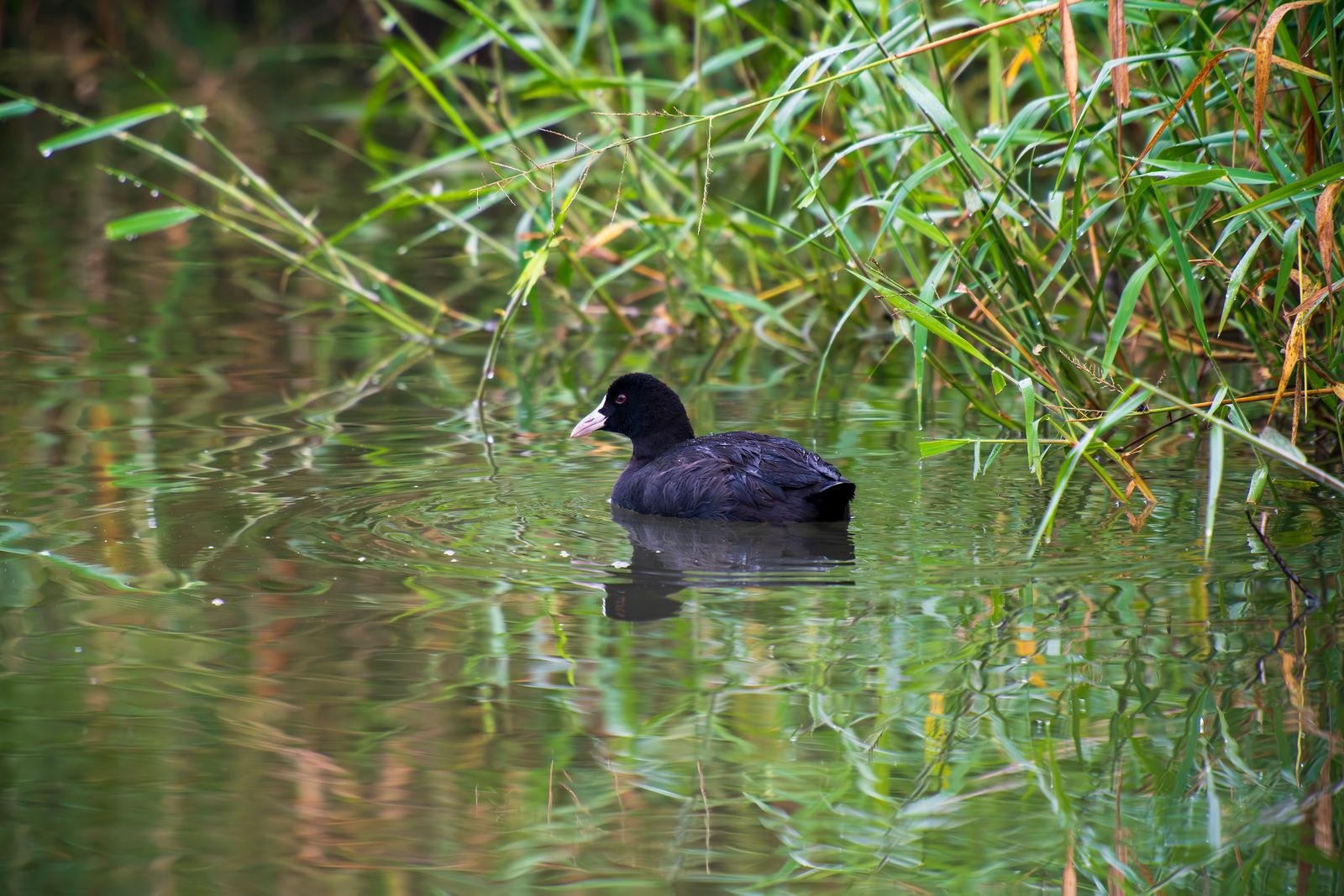
The local knowledge is about which hour and which gate. The park opens its best light early – mist on the reed beds, the herons working the shallows before the strollers arrive – and the locals walk it at dawn the way other towns walk a riverside; the botanical half of the park, the specimen trees and the labels, is an afternoon activity because the labels want reading. The tablet walk is the visitor’s trick: the eight views read in walk order tell the county’s old scenery better than any museum room, and the story boards do the translation. Warm months put the tea stalls on the water edge and the park becomes a half-day sit; winter thins the crowds and shows the habitat structure bare. What the record does not carry is any bird census or seasonal event calendar, and the page declines both – the species count and the grading are the facts, and the walk is the rest.
Practicalities
Tickets: None – the grounds are free to enter, and the species labels, the eight-view tablets and the scannable story boards are part of the free walk; no charge or timed ticket is on the record consulted, so none is invented. The tea stalls at the water edge in the warm months are the only thing a visitor pays for, and they are the park’s own vernacular rather than a gate.
Opening hours: All day as a working town wetland, with the best light in the ledger’s own order – mist on the reed beds at dawn, the specimen trees and their labels in the afternoon, the tablet walk whenever the light is flat enough to read the carving. There is no posted hours table beyond the daylight norm, and the honest page keeps to that shape rather than inventing a gate clock.
Closing day: None posted – the park sits inside the built-up town and behaves like the civic ground it is, open through the week with no published rest day on the record consulted. Winter thins the crowds and shows the habitat structure bare; the warm months put the tea stalls on the water edge and make the park a half-day sit, which is the seasonal difference that matters here.
Getting there: The park sits inside the built-up town of 璧山区 Bìshān Qū, Bishan District, a short ride from the Metro Line 1 station, with the 古道湾公园 Gǔdàowān Gōngyuán antiqued post-road park and its terraced flower fields as the west-side afternoon pair. The metro weekend walks in without a car, which is the design intent the grading recognised – habitat engineering as civic ornament, at the town’s own doorstep.
flowcloud would say that 观音塘湿地公园 Guanyintang is western China’s first national urban wetland – six hundred and seventy-seven plant species planted as a readable open-air museum inside the town of 璧山区 Bishan District, the county’s eight classical views carved on story tablets along the water, free at the gate – and that the correct visit is the dawn walk for the habitat and the afternoon loop for the labels, because the planting is the sight and the grading is its certificate. All checked October 2026.