
海南黄花梨 Hǎinán huánghuālí, Hainan huanghuali, is the yellow rosewood that Chinese furniture collectors rank above almost every other timber, and the saying that runs through the trade is that the world’s rosewood looks to China, China’s to Hainan, and Hainan’s to 东方 Dōngfāng, Dongfang. The city carries the nickname the rosewood country, and its 海南花梨谷文化旅游区, Hainan Huali Valley, is the most concentrated expression of it: a themed park built less around scenery than around a single tree species, in 板桥镇 Bǎnqiáo Zhèn, Banqiao town, on the seaward side of the city. The G98 ring road feeds a landscaped approach avenue straight to the gate, and 金月湾站 Jīnyuè Wān Zhàn, Jinyuewan Railway Station, one of the city’s only two passenger rail stops, is about ten kilometres away.
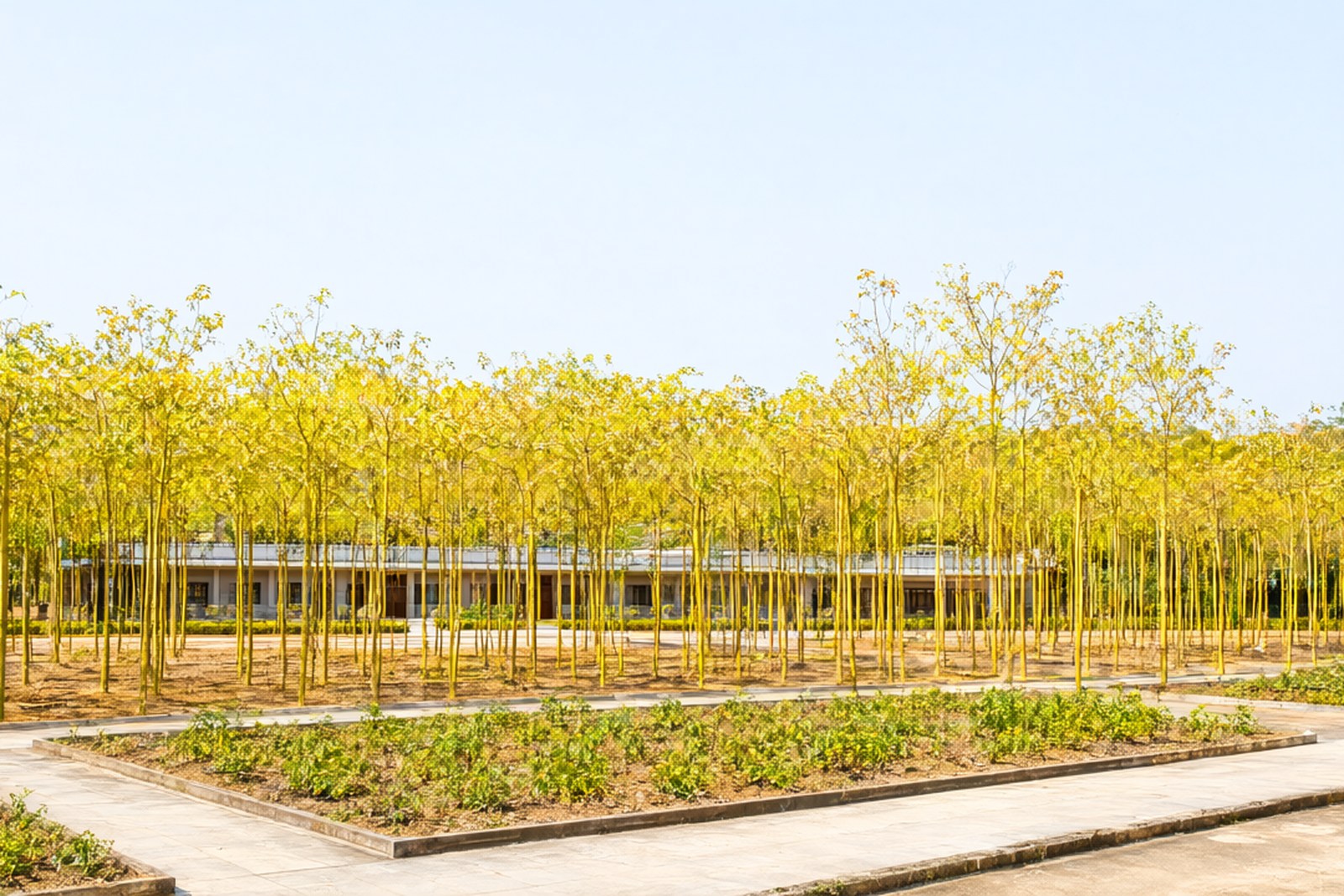
The paperwork makes the valley’s position clear. On 21 November 2022, Hainan Huali Valley held the unveiling ceremony for its national 4A rating: it became Dongfang’s first A-grade attraction of any kind, the city’s breakthrough from zero, and the provincial department of tourism and culture’s list dated 7 September 2026 confirms it as 4A, awarded in 2022. The scale is the argument. The site covers some fifteen thousand mu, roughly a thousand hectares, and the park’s own figure for the plantings is more than 1.2 million Hainan huanghuali trees, said in 2022 to be about seventeen years old with heartwood fifteen to twenty-one centimetres across – a 2022 measurement that grows every year and should be read as a snapshot.
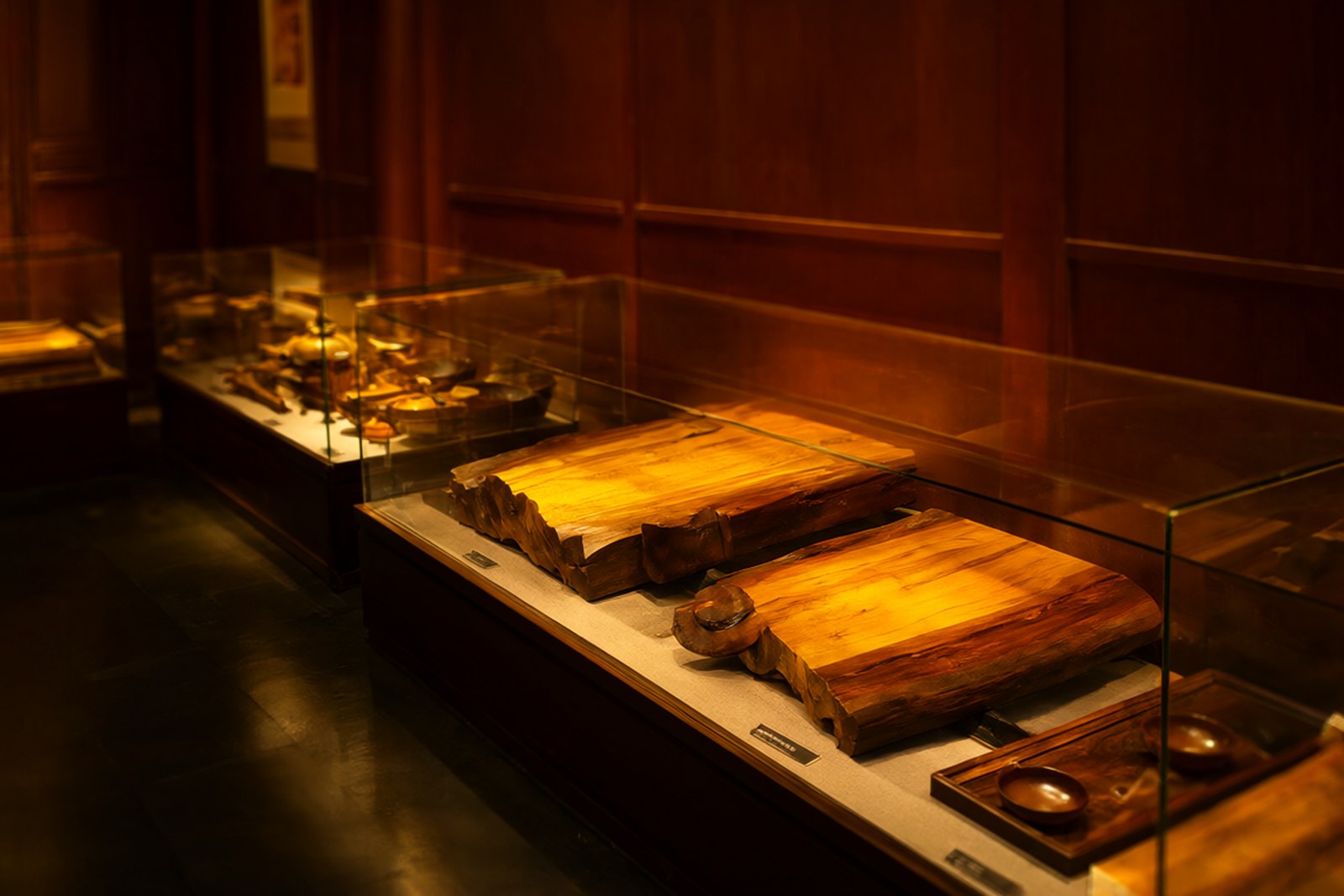
State media have described the plantation as the largest and most concentrated stand of Hainan huanghuali in the world, a characterisation carried by the wire services rather than by the park’s own board. On the strength of that, the site was approved in July 2020 as one of Hainan’s first national forest health-care bases, and since 2015 it has been designated a teaching and practice base by Fujian Agriculture and Forestry University, Heilongjiang University and Hainan University, among others. Its rosewood museum is described by the city government as the largest of its kind in the province.
One address correction belongs here, because at least one booking site gets it wrong in a way that matters. Huali Valley is in Banqiao town, and that is the municipal fact carried by the government and by the national media alike. A major Chinese OTA files it under 尖峰镇 Jiānfēng Zhèn, Jianfeng town, which is in 乐东黎族自治县 Lèdōng Lízú Zìzhìxiàn, Ledong Li Autonomous County, and cannot be right; a second listing moves it to Datian town instead. Use Banqiao. The distinction that follows is just as important for the visitor: this is a cultivated park and a health-care resort, not an old-growth rainforest. It sits close to the Ledong ridge at 尖峰岭 Jiānfēnglǐng, Jianfengling, but the two are different things – one is a working plantation and resort, the other a protected mountain forest – and they should not be folded into one trip by accident. The same care applies to the comparisons further afield: this is nothing like the general tropical botany of the 儋州 Dānzhōu, Danzhou, gardens, because here a single species is the whole subject.
What the visitor walks through reflects that industry-plus-tourism model the city describes. Around the rosewood stands the park has laid out a flower sea and a seven-colour flower meadow, a pick-your-own orchard, an RV camp, the so-called star rooms and dome cabins, a bridleway and stables, and the rosewood museum, with a visitor centre knitting them together. The plan is a half-day: start at the visitor centre, take the shuttle to the museum for the story of the timber, then walk the rosewood groves and the flower beds, and finish at the hot-spring end of the site if a soak appeals. The animal-farm and hot-spring combinations are sold as add-ons, and the rooms and cabins on site book through the accommodation trade rather than here, which is a matter for the stay column. Because so much of the interest is botanical and slow, the dry, bright months from November into April are the pleasant ones, when the light is clean and the paths are firm.
Practicalities
Tickets. From about 90 yuan in 2026 platform snapshots, with a parent-and-child ticket plus shuttle around 120 yuan, an adult ticket with shuttle and hot springs around 158 yuan, and a stand-alone shuttle ticket about 28 yuan. The official A-grade list does not print a price. As of October 2026, subject to change.
Opening hours. 08:30 to 18:00, as carried on the provincial A-grade attractions list; the site’s enquiry line is 0898-85726160.
Closing day. No published closing day, and the official entry notes that the day’s trading is subject to the park’s own conditions. The best window is the dry season from November into April.
Getting there. Self-drive is best: the G98 ring road links directly to the park’s landscaped approach avenue, which is how the city describes the access. By rail, Jinyuewan Railway Station at Banqiao town is about ten kilometres from the gate – that is the station to use, not Dongfang Railway Station back in Basuo, which serves the city centre instead. Both Haikou and Sanya sides reach the park without difficulty, and the station opened to passengers in September 2016.
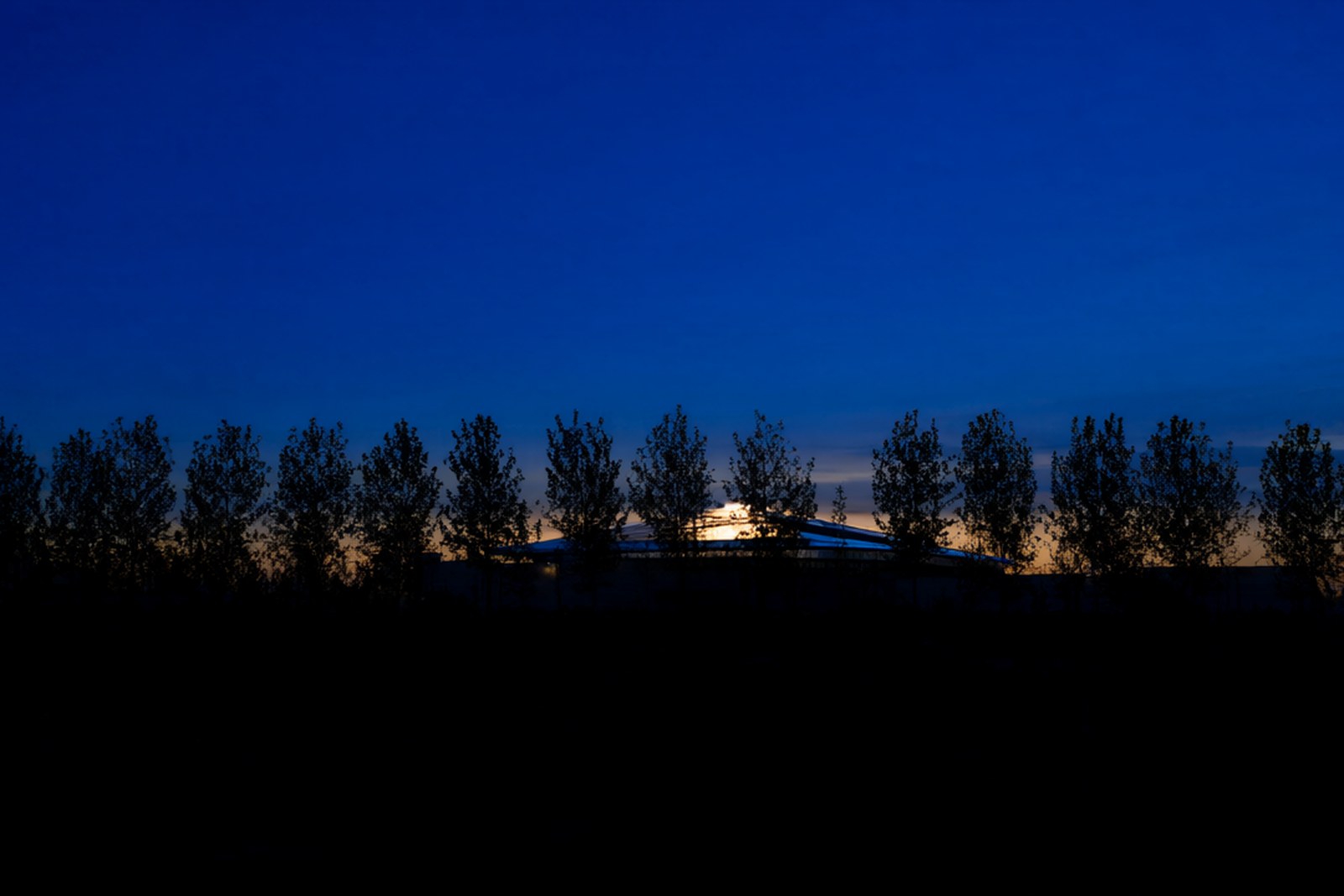
flowcloud would say that Huali Valley is what happens when a tree farm decides to become a place – a million rosewood trunks, a museum of the timber, a hot spring at the far end and a shuttle to carry you between them – and that few parks are as honest about the fact that their beauty is also their harvest.
Getting there: Hainan Huali Valley stands at Banqiao town, Dongfang, Hainan, reached directly from the G98 ring road along the park’s own approach avenue or by Jinyuewan Railway Station about ten kilometres away (opened to passengers in September 2016); it is rated 4A, awarded 2022 as Dongfang’s first A-grade attraction, tickets start at about 90 yuan in 2026 snapshots, hours are 08:30-18:00 with no published closing day (confirm on 0898-85726160), and self-drive is the practical access (checked October 2026, subject to change).