
Hami Royal Mansion: The Rebuilt Court of the Hui Kings, the Fusion Walls of Four Styles and the Gateway Palace of the Gansu Corridor in Hami, Xinjiang
一府合璧四家样,九世王爷镇东门。Yī fǔ hébì sì jiā yàng, jiǔ shì wángyé zhèn dōngmén – One mansion fuses the styles of four houses; nine generations of princes held the eastern gate.
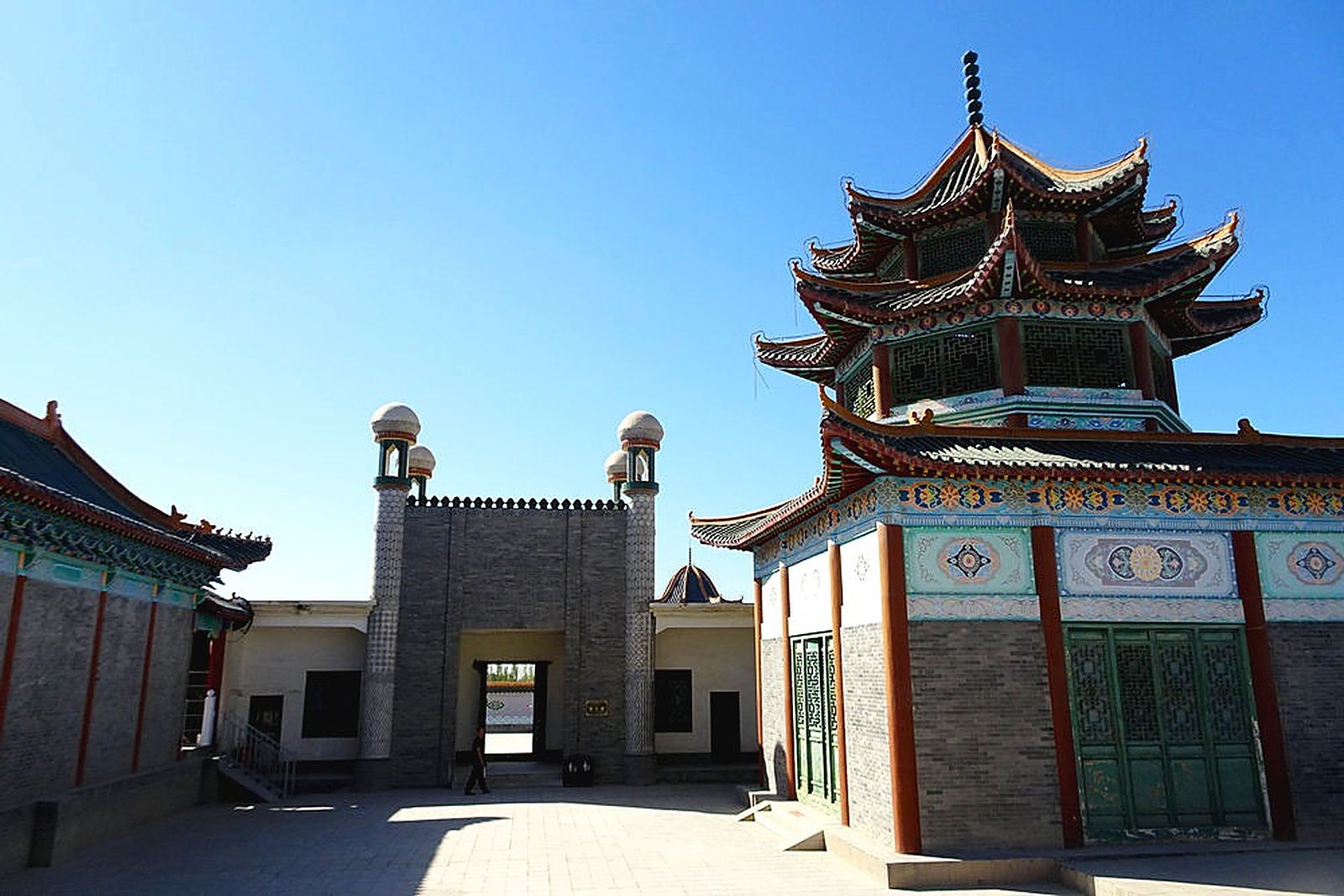
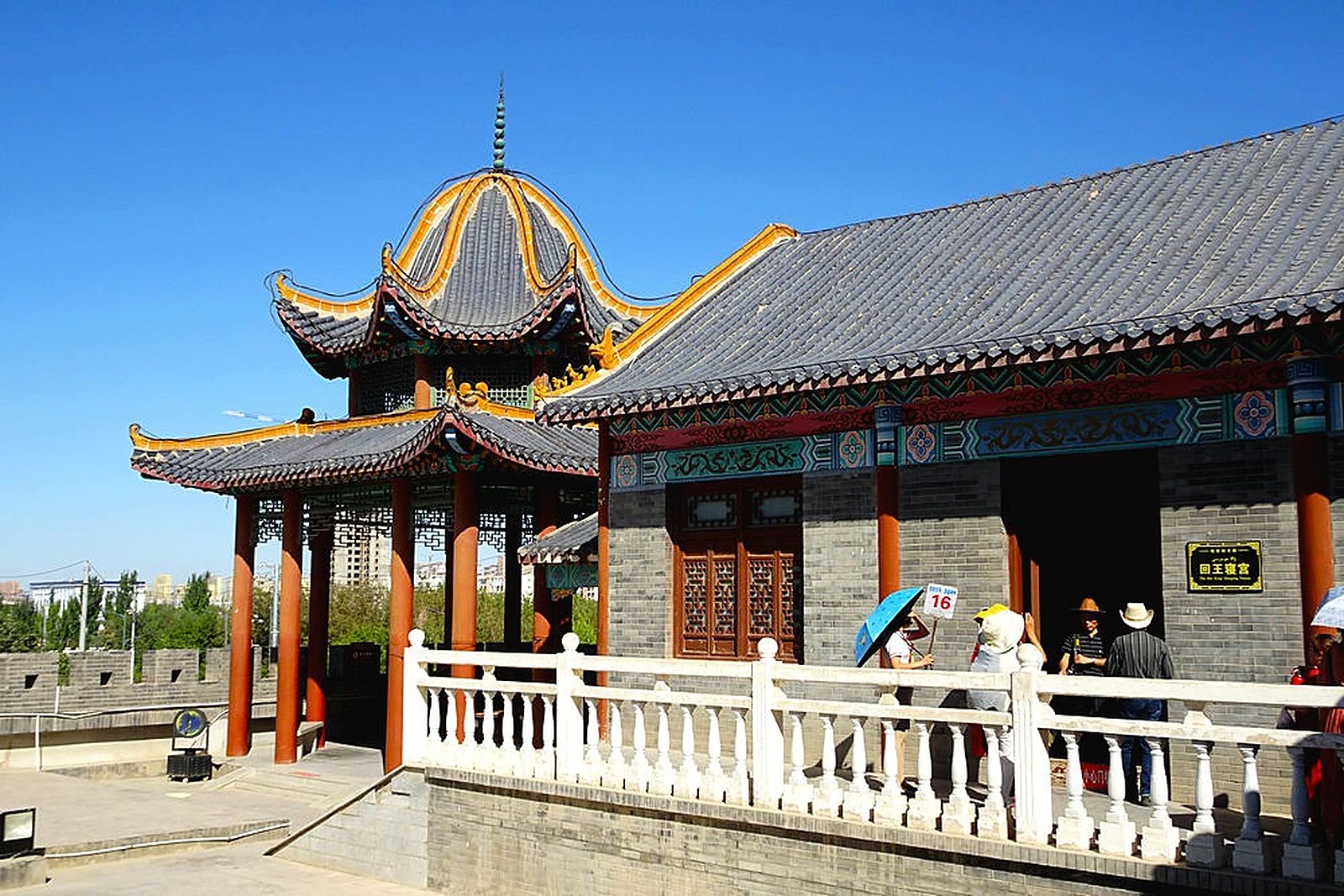
哈密回王府 Hāmì Huíwángfǔ the Hami Royal Mansion stands in the old city core of 哈密市 Hāmì Shì Hami City, a rebuilt princely court that recalls the family the Qing court installed in 1697 – the 哈密回王 Hāmì Huíwáng Hui kings, who ruled the oasis for nine generations and kept the eastern gate of the Gansu corridor loyal for over two centuries (worth confirming the details for the reconstruction phases, since the original palace burned in 1931 and the present walls date from the modern rebuilding). The architecture is the mansion’s argument: Chinese courtyards, Mongol yurt halls, Manchu terrace work and Islamic domes and arches share one walled compound, because the family answered to Beijing, married across the steppe and prayed in the oasis all at once. Inside, the display halls walk through the dynasty’s records, the mosque court keeps its quiet, and the gate towers give the best view over the old city blocks. The register is frontier statecraft: a royal house built exactly where empires, deserts and caravan roads met.
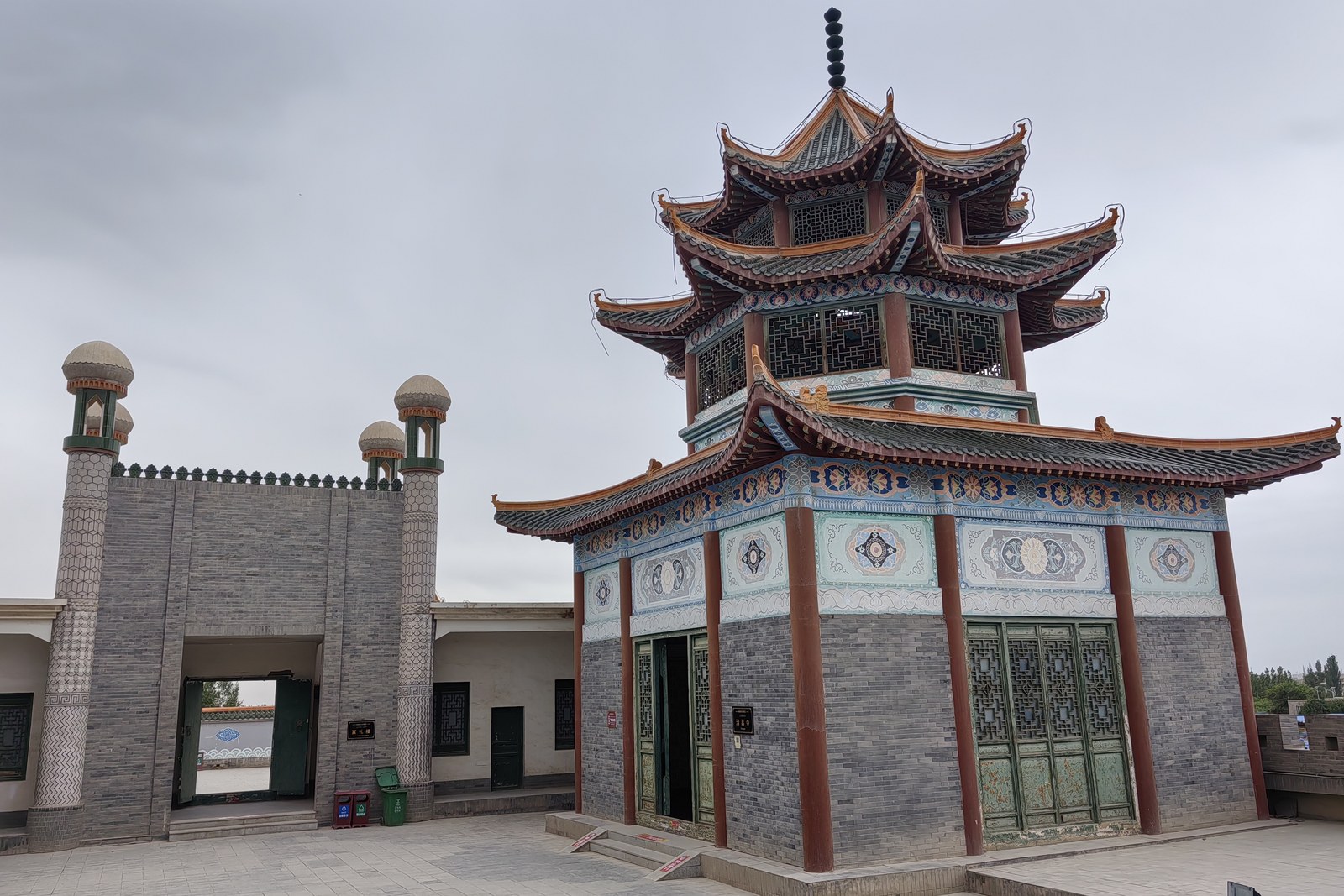
Two crowds tour the walls: Silk Road history travellers who read the dynasty rooms closely, and evening visitors who time the gate-tower lighting when the floodlit walls carry the old city skyline (worth confirming the details for the evening lighting sessions, which the scenic area runs in the tourist season). The stock answer in kind: the most storied building in Hami, a compact lesson in how the frontier was actually governed, and a gate tower worth climbing twice.
Call it honestly: the mansion is a reconstruction – travellers expecting patina of centuries will meet fresh paint and modern masonry, and the museum rooms carry the history while the buildings themselves carry the silhouette (worth confirming the details for which halls hold exhibits and which are furnished sets, since the split shifts room by room). What the map repays is the fusion in the details: a corridor where a Chinese bracket set meets an Islamic arch, a throne hall under a dome, gate crenellations that read Mongol on one flank and Chinese on the other. Against that: the compound is small enough to tour without fatigue, the setting in the living old city beats any isolated site, and the lighting hours are genuinely pretty. Come for the history lesson, stay for the sunset walls, and let the four styles argue their case quietly.
Practicalities
Nearly everything else on this Hami list trades a different mood on the same oasis: choose 巴里坤草原 Bālǐkūn Cǎoyuán the Barkol Grassland for the horse country north of the mountains, 庙尔沟 Miào’ěrgōu Miaoergou for the temple valley at the range’s foot, 伊吾胡杨林 Yīwú Húyánglín the Yiwu Populus Euphratica Forest for the ten-thousand-year trees and 东天山 Dōngtiānshān the East Tianshan for the snow-meadow pass – four more doors into the same 哈密市 Hāmì Shì Hami City. Once the day is planned, our Hami food map fills the eating hours.
Practicalities
Words and Names
flowcloud would say that a Royal Mansion hour is bought for the four styles and the frontier story – gate-tower dusk to lit battlements in the November 2026 snapshot, all worth confirming the details – and that the honest move is to read the rooms before admiring the walls, because the rebuilt compound sells the silhouette but the family sells the story, keep the dynasty halls and the evening lighting as the plan, and let the old city murmur beyond the gate. All checked November 2026.
Getting there: The mansion stands in the old city core of 哈密市 Hāmì Shì Hami City – buses and taxis from anywhere in the centre arrive within minutes (worth confirming the details for the evening lighting sessions, which the scenic area runs in the tourist season); the rebuilt walls and gate towers anchor the block. All checked November 2026.