
Hanshiqiao Wetland: The Last Great Reed Marsh of the Eastern Beijing Plain, the “Little Baiyangdian” and the Bird Boardwalks in Shunyi District, Beijing
芦花似雪连天白,鹭影如诗掠水飞。Lúhuā sì xuě lián tiān bái, lùyǐng rú shī lüè shuǐ fēi – Reed flowers like snow whiten all the way to the sky; the shadows of egrets fly like verses skimming the water.
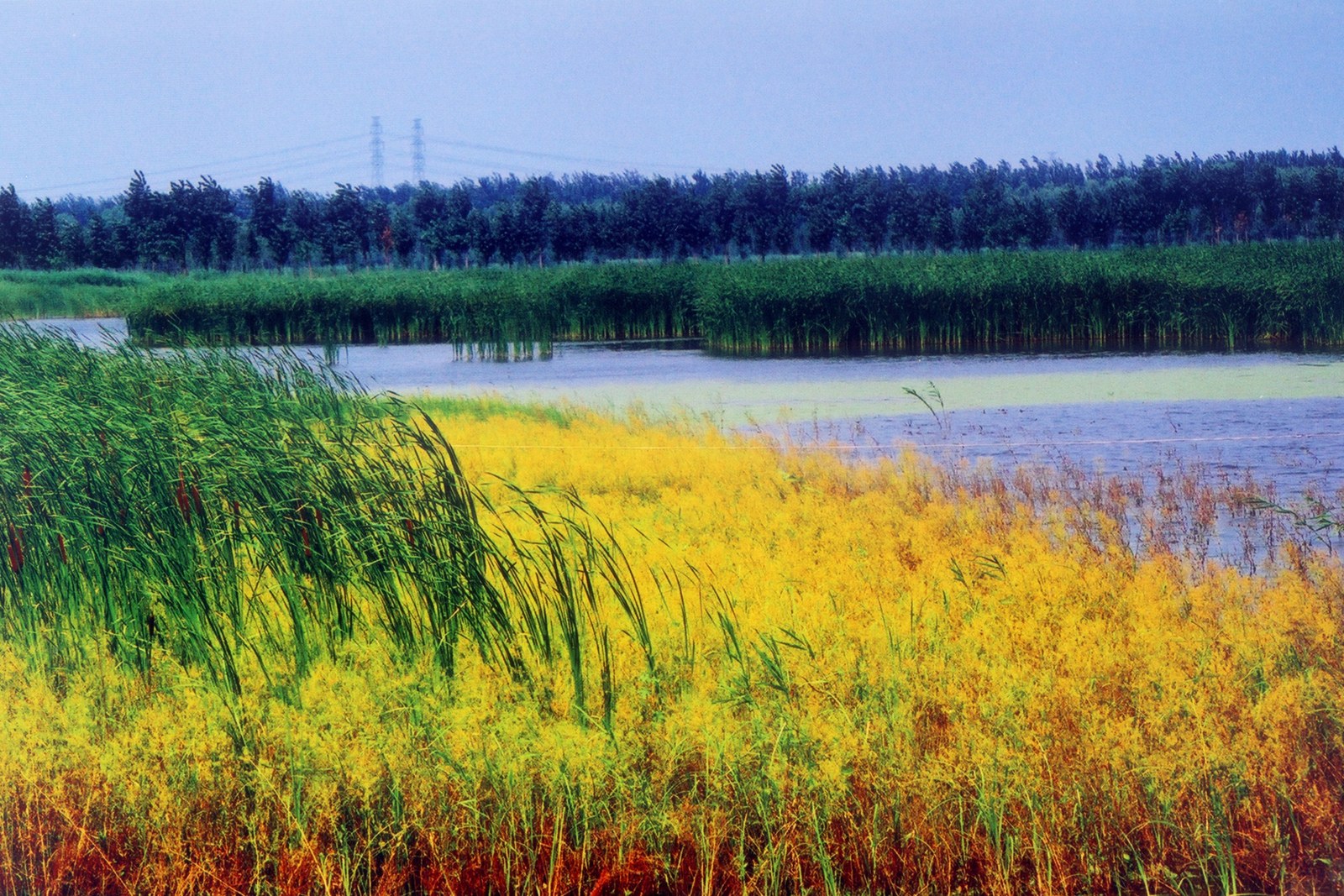
汉石桥湿地 Hànshíqiáo Shīdì the Hanshiqiao Wetland is not a city lake with a reed fringe — it is, plainly put, the biggest reed marsh left on Beijing’s eastern plain: a shallow wetland of open water, 芦苇 lúwěi reedbeds and willow holts at 杨镇 Yáng Zhèn Yangzhen in the south-east of 顺义区 Shùnyì Qū, protected since the mid-2000s as the 汉石桥湿地自然保护区 Hanshiqiao Wetland Nature Reserve and reckoned by local counts at around two thousand mu — on the order of a hundred and thirty hectares — which earned it the country nickname 小白洋淀 Xiǎo Báiyángdiàn “Little Baiyangdian”, borrowed from the great reed-and-lotus marsh of Hebei. Water pools here on the low plain’s clay, and the result is a genuine bird place: local checklists run to well over a hundred species, with herons, egrets, grebes and dabbling ducks nesting through summer, geese and ducks pausing on the spring and autumn passage, and swans reported on the winter water in hard years. Boardwalks and a scattering of hides put you into the reeds without wading, and flat-bottomed boats work the cut lanes in season, drifting to within a paddle’s length of a fishing 苍鹭 cānglù grey heron. What you actually visit is a working wetland that you tread or float through slowly — binoculars first, camera second, playlist not at all.
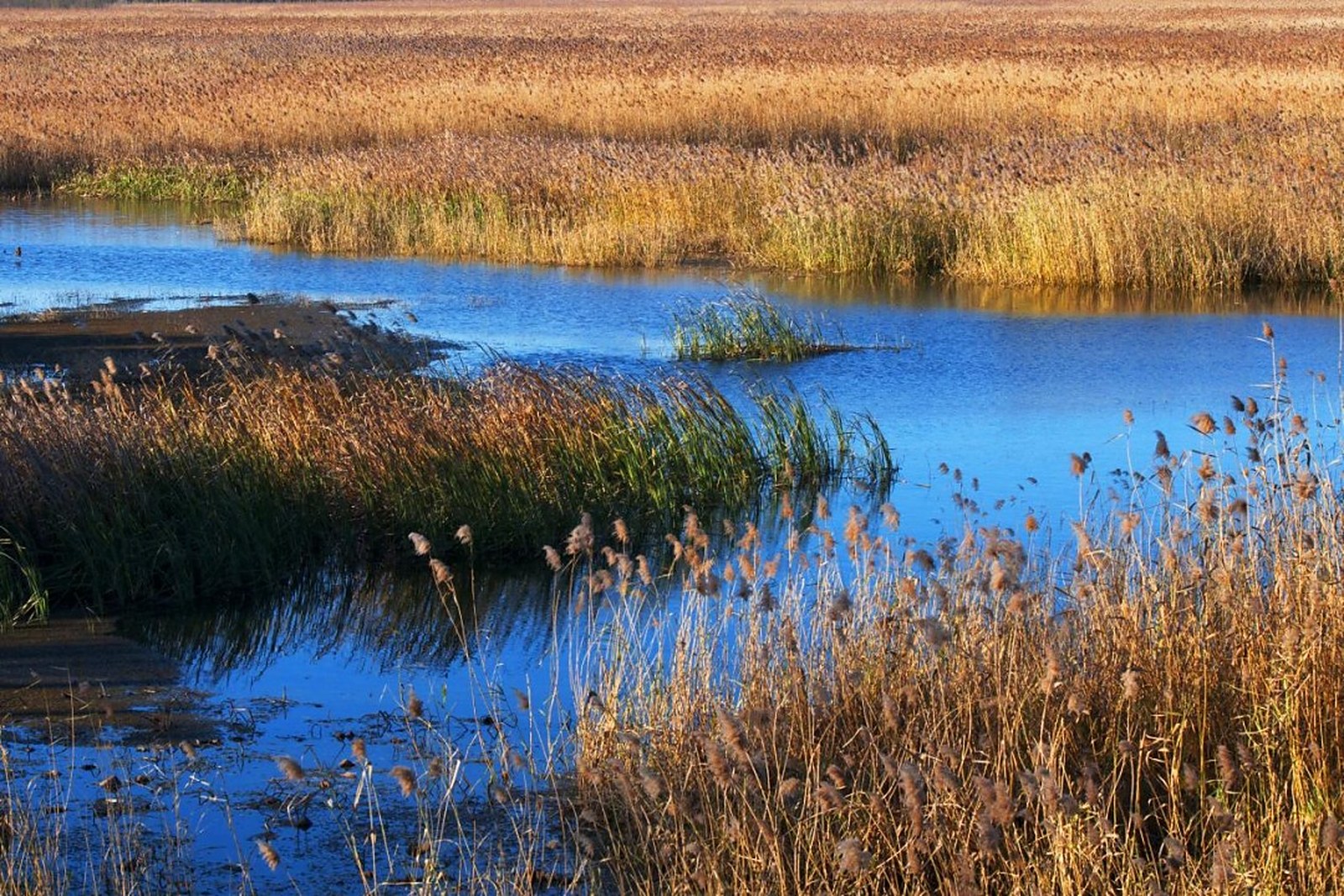
Call it honestly: this is modest-country birding, not a safari — entry has run at a modest ticket in recent years with boat rides extra, and the facilities are deliberately light (worth confirming the details for current tickets, boat seasons and any reservation rules). The honest risks are the small ones: summer mosquitoes are ferocious along the reed edges, the open boardwalks offer no shade at all, and the birds keep a wild bird’s distance, so binoculars or a long lens decide whether the visit sings. Go early — dawn and the first two hours carry most of the activity — and choose a weekday, since the boardwalks are narrow and the quiet is the point. Late April and May bring the spring passage and fresh green reeds, September and October the russet 芦花 lúhuā plumes at their photogenic best, and deep winter a spare, frozen hush with few visitors and fewer comforts. Two unhurried hours cover the boardwalks; add a boat lane and it is half a day.
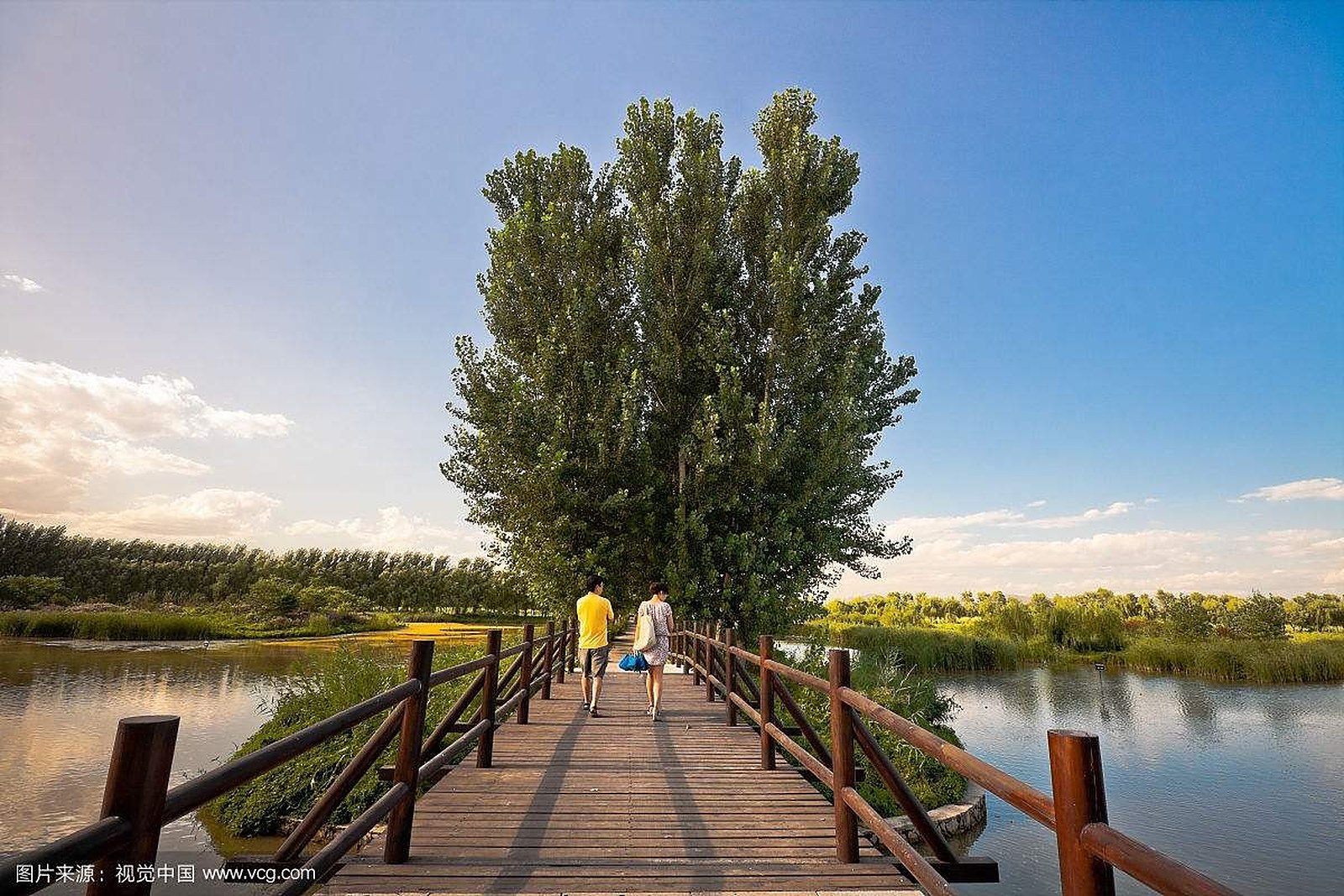
The honest star is the reed horizon itself — kilometre-deep plumes leaning in the wind, a heron standing its one-legged vigil, the boardwalk’s timber creaking somewhere out of sight — not the glass cases of the small exhibition hall. What gets oversold is the “bird paradise” slogan read as a guarantee of close-ups: the wetland’s residents are wild and the management keeps the core deliberately undisturbed, so the honest reward is patience repaid with a scope view, not a handshake (worth confirming the details for which boardwalks, hides and boat lanes are open in your season). What repays the effort is the slow education of the place — learning a little grebe’s dive from a coot’s, hearing a reed warbler you will never properly see, watching the swallows work the water surface at dusk — and the special hush of the boat lane once the motor cuts and you drift. Come for the layering of the place: boardwalk, then boat, then the reed line going gold at dusk.
The self-aware postscript: I shared a hide with a retired teacher who logs her sightings in a fat notebook, and when a bittern flashed across the channel and vanished she wrote a single line, closed the book and said, “one good look a year is what a wetland pays — you learn to bank it”. That is the visit in miniature. 汉石桥湿地 Hànshíqiáo Shīdì suits whoever treats it as a slow watch first and a stroll second — boardwalk, binoculars, boat, notebook — and exhausts anyone expecting a manicured garden with flowerbeds, snack stalls and a fountain. Everything else on this Shunyi list lies within a district drive: the Olympic straight of 奥林匹克水上公园 Àolínpǐkè Shuǐshàng Gōngyuán to the north-west, the underground village of 焦庄户地道战遗址 Jiāozhuānghù Dìdàozhàn Yízhǐ to the north-east, the butterflies of 七彩蝶园 Qīcǎi Diéyuán to the west, and the flower calendar of 北京国际鲜花港 Běijīng Guójì Xiānhuāgǎng just up the road — all in the same 顺义区 Shùnyì Qū where the plain remembers being a marsh.
Practicalities
- Rating: ★★★★☆ — the eastern plain’s last great reed marsh and honest birding inside Beijing’s boundaries; the dawn boardwalk and the autumn plumes outrank the visitor amenities; bring optics, water and repellant, and go early.
- Tickets: Entry has run at a modest ticket in recent years with boat rides priced separately in season, and reservation rules have applied at busy periods (worth confirming the details for current tickets, boats and booking).
- Address: 汉石桥湿地 Hànshíqiáo Shīdì, at 杨镇 Yáng Zhèn, south-eastern 顺义区 Shùnyì Qū, Beijing — a short drive from 北京国际鲜花港 Běijīng Guójì Xiānhuāgǎng.
- Time needed: Two unhurried hours for the boardwalks; half a day adding a boat lane and the hides at migration season, best from late April to October.
Words and Names
汉石桥湿地 Hànshíqiáo Shīdì Hanshiqiao Wetland · the reed-marsh nature reserve of south-eastern Shunyi 芦苇 lúwěi reed · the marsh’s defining plant, cut each winter and reborn each spring 小白洋淀 Xiǎo Báiyángdiàn Little Baiyangdian · the local nickname borrowed from Hebei’s great marsh 自然保护区 zìrán bǎohùqū nature reserve · the protected status the wetland has held since the mid-2000s 杨镇 Yáng Zhèn Yangzhen · the eastern-Shunyi town that keeps the marsh and the flower port 观鸟 guānniǎo bird-watching · the whole reason the binoculars come along 苍鹭 cānglù grey heron · the patient giant of the channels 芦花 lúhuā reed-plume flowers · the russet season of September and October
flowcloud would say that 汉石桥湿地 Hànshíqiáo Shīdì is what the eastern plain looked like before the towns — around two thousand mu of 芦苇 lúwěi reedbeds at 杨镇 Yáng Zhèn, a municipal nature reserve since the mid-2000s, the 小白洋淀 Xiǎo Báiyángdiàn nickname, bird lists well past a hundred species and boat lanes cut straight through the plumes — and that the honest move is a dawn visit with binoculars and, in summer, serious mosquito defences, because tickets, boat seasons and hide openings all shift (worth confirming the details), the bird-paradise slogan is the poster half and one clean heron at first light is the real half, and the marsh repays whoever stands still longest while losing anyone expecting a flower garden with signage. All checked October 2026.
Getting there: Metro Line 15 to the 俸伯 Fèngbó terminus sets up the eastern run, with buses and taxis riding on toward 杨镇 Yángzhèn Yang town where the wetland gate sits beside the reed beds; self-drive follows the 顺平路 Shùnpíng Lù corridor out of the district or drops off the 京平高速 Jīngpíng gāosù expressway toward the 杨镇 Yángzhèn flats and parks at the visitor car park (worth confirming the details for current bus numbers, gate tickets and boat schedules). All checked October 2026.