
韩文公祠 Hán Wéngōng cí is the shrine the city of 潮州 Cháozhōu built to 韩愈 Hán Yù, and it is one of the most telling places in the city. 韩愈 is one of the great figures of the Tang dynasty – a poet, a prose master and a statesman – and in 819, for a piece of writing that displeased the emperor, he was exiled to the remote south, to be the governor of 潮州. At the time it was a damp, wild, backward place at the far edge of the empire. He was there for only a few months, yet the city never forgot him, and the shrine stands on 韩山 Hán shān, the hill across the river that bears his name, as a memorial to the exile who came and changed the place.
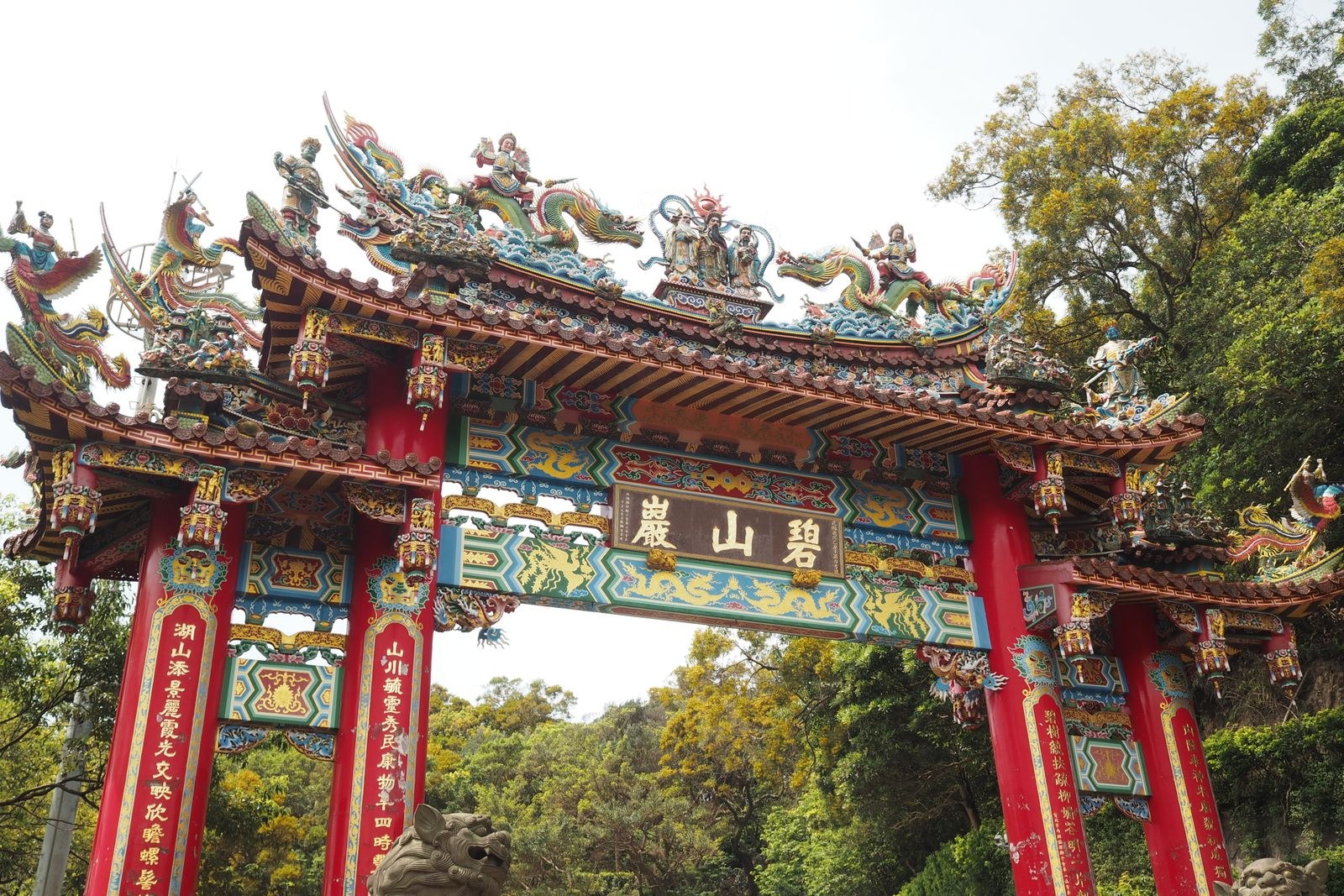
The story is the reason the shrine matters. 韩愈 arrived to find 潮州 a place the empire regarded as a punishment posting, and he set about the ordinary, stubborn work of improving it: he drove out the crocodiles that plagued the river (the legend says he wrote them a stern and learned warning and they left, which is the story the city tells), he encouraged education and learning, and he worked in the small window of time he had. He was in 潮州 for barely seven or eight months before he was recalled. Yet the people of 潮州 credit him with turning their city from a backwater into a place of learning, and they built the shrine to him on the hill that now bears his name, and the river by the city too.
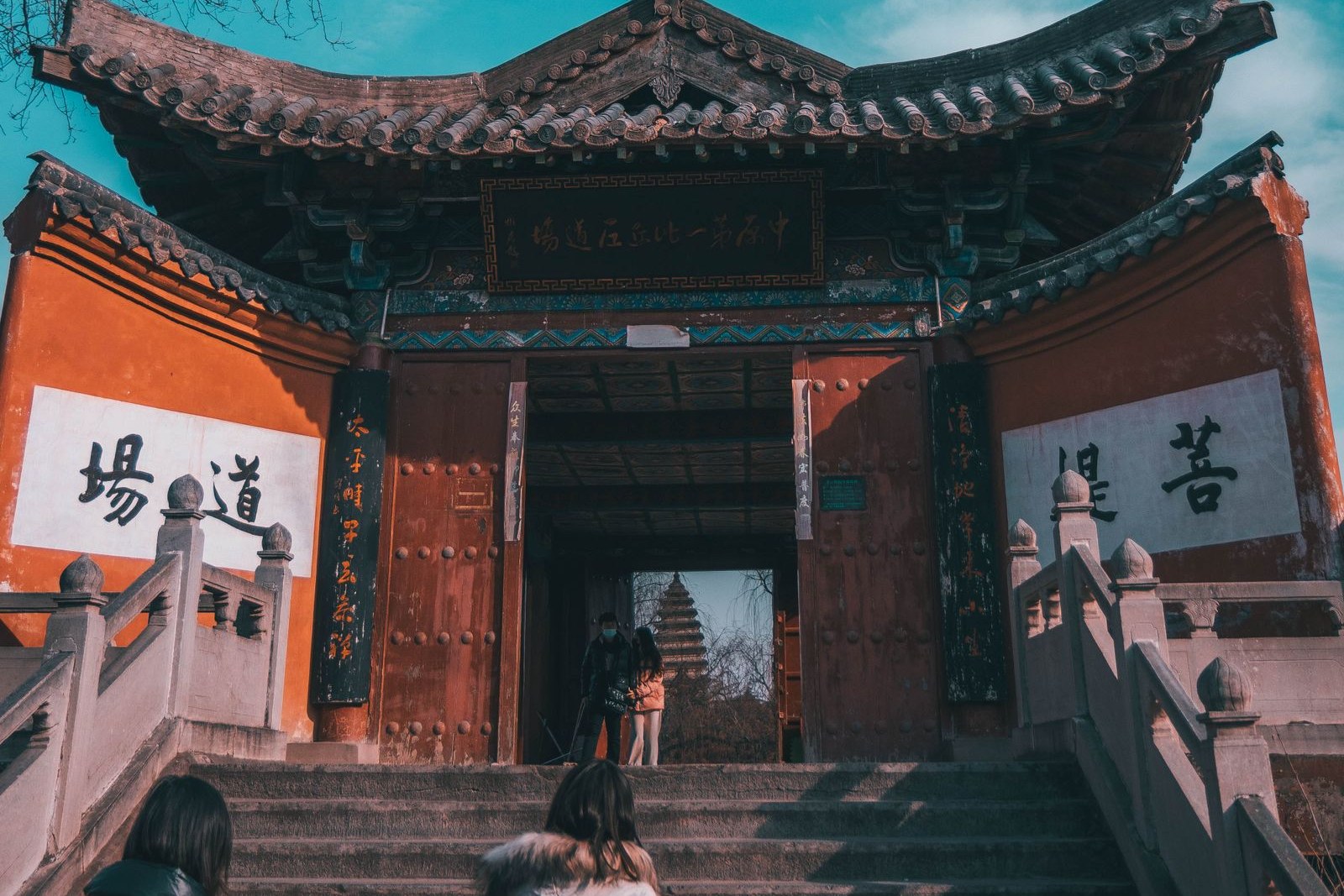
The shrine is a quiet, scholarly place. It is a temple set among trees on the hillside, reached by a flight of stone steps, with a hall holding a statue of 韩愈 and a collection of inscribed stone tablets, some of them generations old, carrying poems and tributes written to him by later scholars and officials who visited 潮州 and stood where you are standing. It looks across the 韩江 and the 广济桥 to the old town. The hill and the river and the bridge all carry his name – 韩山, 韩江, and the bridge once called 湘子桥 after the man the legend associates with him – and visiting the shrine is to walk through the way a city repays a debt.
Practicalities
Tickets. The shrine charges a modest entrance ticket, in the region of ¥20 to ¥40, which covers the hall, the tablets and the grounds. There may be a small extra for a guided explanation.
Opening hours. The shrine is open roughly 08:30 to 17:30, with the last entry in the mid-afternoon. The light is best in the morning and late afternoon, when the hill is cool and the view across the river is clear.
Getting there. The shrine is on 韩山, the hill on the east bank of the 韩江 in 潮州, opposite the old town. It is reached by taxi from 潮汕站 Cháoshàn zhàn, about thirty minutes, or across the bridge from the old town.
Closing day. The shrine is open every day of the year with no weekly closing day. The hall and the tablet collection follow the same daily hours, and the grounds may close a little earlier than the hall.
Getting there: the east bank of the 韩江 is the side to aim for, across the 广济桥 from the old town, and 潮汕站 Cháoshàn zhàn is the rail station; from there a thirty-minute taxi reaches the foot of the hill.
flowcloud would say that a city which turned a punishment posting into a place of learning, and then spent a thousand years building a shrine to the man who was there for a few months, is a city that knows how to be grateful to the right person, and that gratitude is a better monument than bronze.