
Hazireteg: Mongolian for 「Black Gate」, One Gorge Holding Birch Woods, Streams, and a Sea of Cloud
黑门幽谷桦林秋 Hēi mén yōugǔ huàlín qiū – A black gate of a gorge holds birch woods in autumn
Hazireteg Hārìtùrègé lies in the Alatau range north of Bole; in Mongolian the name means 「black gate」 – cliff walls rising sheer as gateposts, forest at the valley floor so dense it reads near-black, a name that could not fit better. This gorge is a national forest park, its stream a tributary of the Bortala River: snowmelt, cold and clear, the river stones worn perfectly round, and in summer the valley floor runs several degrees cooler than the city.
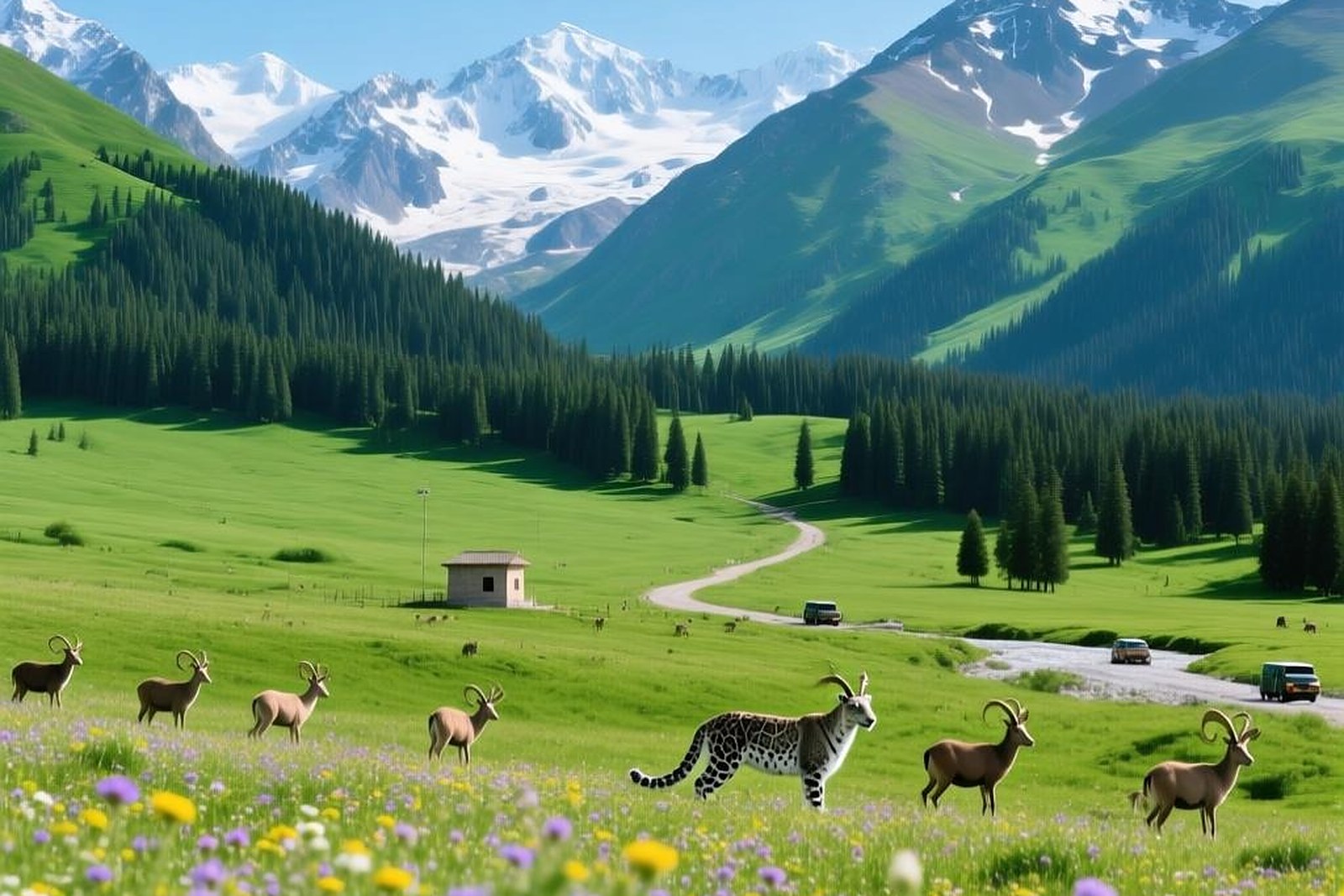
Each season sets its own stage: spring meltwater swells the creek into a small yellow river; midsummer turns the gorge into natural air-conditioning, Bole’s weekend refuge; from late September the birches go bright gold and fallen leaves pile centimeters deep on the boardwalk, crunching underfoot; winter freezes the gorge solid, icefalls hanging from the cliffs as the local ice-climbers’ training wall. Any month you enter, the valley supplies its own reason.
Birch is the protagonist: new green in spring, deep shade at midsummer – then in late September the leaves turn lamp-bright and the whole valley seems switched on. Boardwalks follow the stream with waterside platforms at intervals – children skip stones, adults gather autumn by hand. Deeper in, the walls narrow until only a slit of sky remains overhead: the tightest point of the 「gate」.
In the gorge’s depths stand winter shelters left by herders, horseshoes and old saddles nailed to the earthen walls, firewood stacked for the season. Herders say the oldest birches out-age their grandfathers. These traces make the gorge more than scenery – a living history of nomadism, generations watering horses, cutting wood, and wintering along the same stream.
The cliff walls expose clean geological bedding, the Alatau’s folds bared without embarrassment. In several deep pools the stream gathers an emerald tone; on the hottest days young waders kick through the shallows, chill running from sole to scalp. At the boardwalk’s end a waterfall viewing platform waits – in spring’s fullest melt, the water’s roar carries across a whole ridgeline.
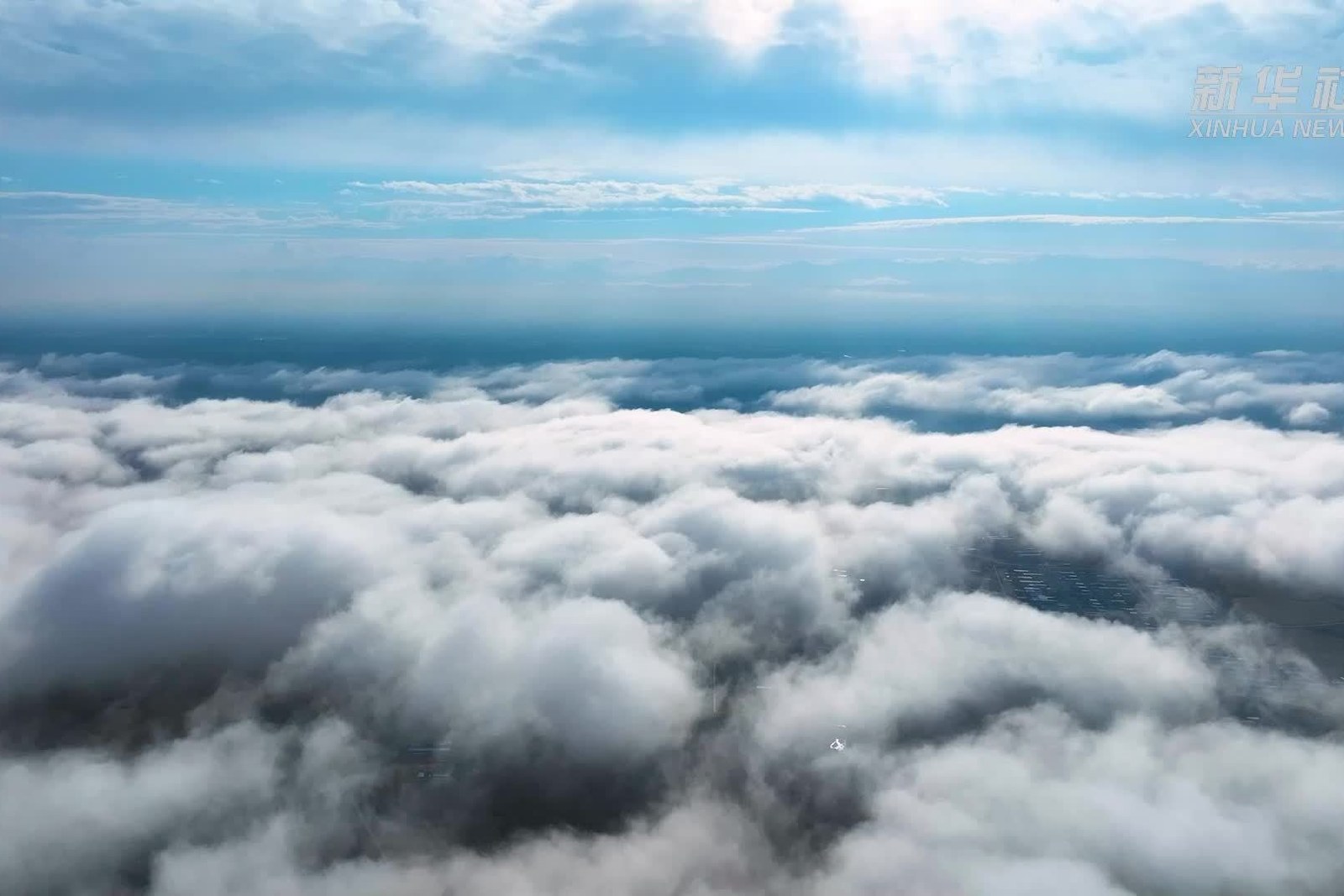
Early morning is the connoisseur’s entry: vapor climbs the gorge and banks into a stratus sea on the ridges, igniting gold-red at sunrise while the valley drifts in and out below the cloud. Photographers hold the platform before first light for exactly this. At the gorge mouth, herder yurts and snack stalls pour hot milk tea that erases the morning chill in one cup.
Wear grippy shoes for the gorge: beyond the boardwalks the paths run gravel and root, slick after rain. Phone signal flickers in and out – travel with company. Parking at the gate is cheap, and the warden will state the latest exit time: darkness falls two hours earlier than in the city, and walking out blind is not romantic.
The name hides a geography code: 「Hari」 is black, 「tureg」 is gate – the two black-grey crags at the entrance being the twin leaves of the door. Mongol herders have grazed the mouth for generations, and at migration time sheep flood the gorge in a river – a spectacle photographers stake out. The herder kitchens at the mouth serve fresh-boiled milk tea and yogurt.
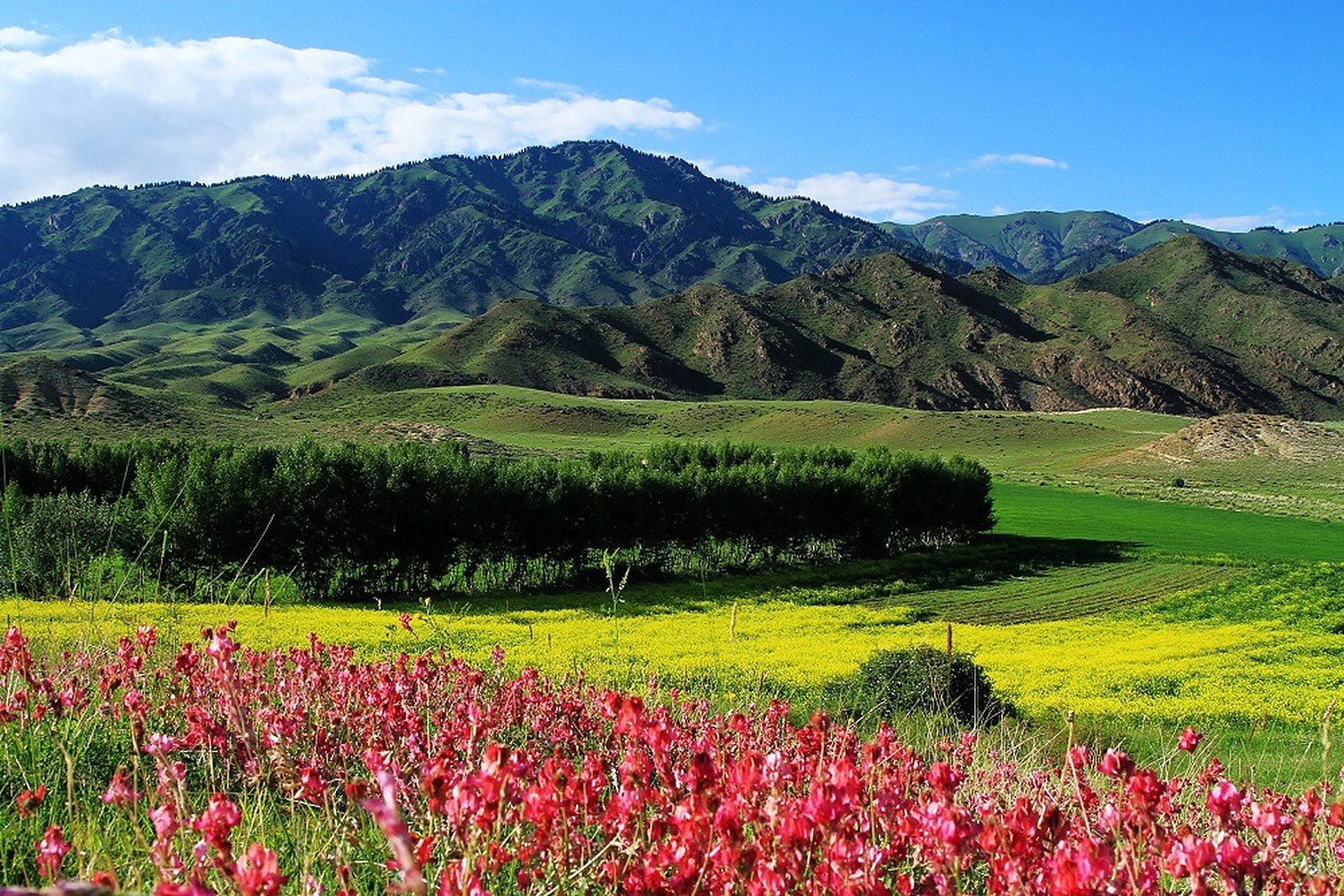
From Bole, pair Hazireteg with Guaishiyu in one day: the gorge’s shaded boardwalks in the morning, the stone sea at sunset in the afternoon – same direction, a few dozen kilometers of gobi highway between. This 「one gorge, one stone」 combo is Bole locals’ classic route for out-of-town friends: unhurried, inexpensive, and generous with good frames.
Administration falls under the national forest park system, and the ticket is among Bortala’s friendliest, with local-ID discounts. The service area rents horses – riding in is what old herders recommend most: hoofbeats across the stream shoals fit the valley’s original register better than any walking pace. The horse line reaches below the second waterfall, three hours round trip, the wrangler leading all the way and doubling as guide – botany to legend, nothing off the menu. Winter adds horse-sled rides, bells clanking through the snowy gorge, a rare cold-season experience in northern Xinjiang. In any season, keep spare camera batteries against your body – cold drains them at speed.
The gorge’s animal residents are livelier than expected: dawn boardwalks often cross paths with a family of Siberian ibex walking cliff faces like floors; woodpecker knocks carry from the birch depths, and squirrels escort walkers along the rail for long stretches. Rangers ask visitors not to feed wildlife – the animals keep their own foraging rhythm, and human kindness becomes a burden. Bins are few by design: the visitor center hands out free trash bags, and carrying out your own bag is the gorge’s unwritten rule.
Practicalities
Beyond the gorge, the same 博尔塔拉蒙古自治州 Bó’ěrtǎlā Měnggǔ Zìzhìzhōu Bortala Mongol Autonomous Prefecture holds other sights: 赛里木湖 Sàilǐmù Hú Sailimu Lake, 怪石峪 Guàishíyù Guaishiyu, 阿拉山口国门 Ālāshānkǒu guómén the Alashankou gate, and 圣泉景区 Shèngquán jǐngqū the Sacred Spring scenic area – four more doors into the same 博尔塔拉蒙古自治州 Bó’ěrtǎlā Měnggǔ Zìzhìzhōu Bortala Mongol Autonomous Prefecture. With gorge and stone strung together, our Bortala food map fills the eating hours.
Practicalities
Words and Names
flowcloud would say Hazireteg is Bole’s back garden: half an hour to the gorge mouth, a whole day of forest-clean air afterwards.All checked November 2026.
Getting there: The gorge mouth lies about twenty-odd kilometres north of Bole city, half an hour by car on paved mountain roads; seasonal line buses run from Bole’s bus station to the gate, and autumn is the best season – leave before dawn to catch the cloud sea and sunrise from the upper decks. All checked November 2026.