
On the wooded lower slopes of Gele Mountain the city keeps two small brick compounds it does not treat as attractions. 渣滓洞 Zhāzǐdòng Zhazidong and 白公馆 Báigōngguǎn Baigongguan were prisons where revolutionary martyrs were held in the war and civil-war years, and the ground around them – the Gele Mountain Martyrs’ Cemetery, Hongyan Soul Square, the Hongyan Soul Exhibition Hall – forms the memorial band of the Hongyan sites, after 红岩 Hóngyán Red Crag, the name the novel made famous. Chongqing is a municipality of southwest China, and 沙坪坝区 Shāpíngbà Qū, Shapingba District, is the district that holds this mountain shoulder, the sites on its slopes above Lieshimu Station. A visit here is the city’s own rite of remembrance – school groups in term time, delegations in November – and the register of the place is history education and honour, not sightseeing.
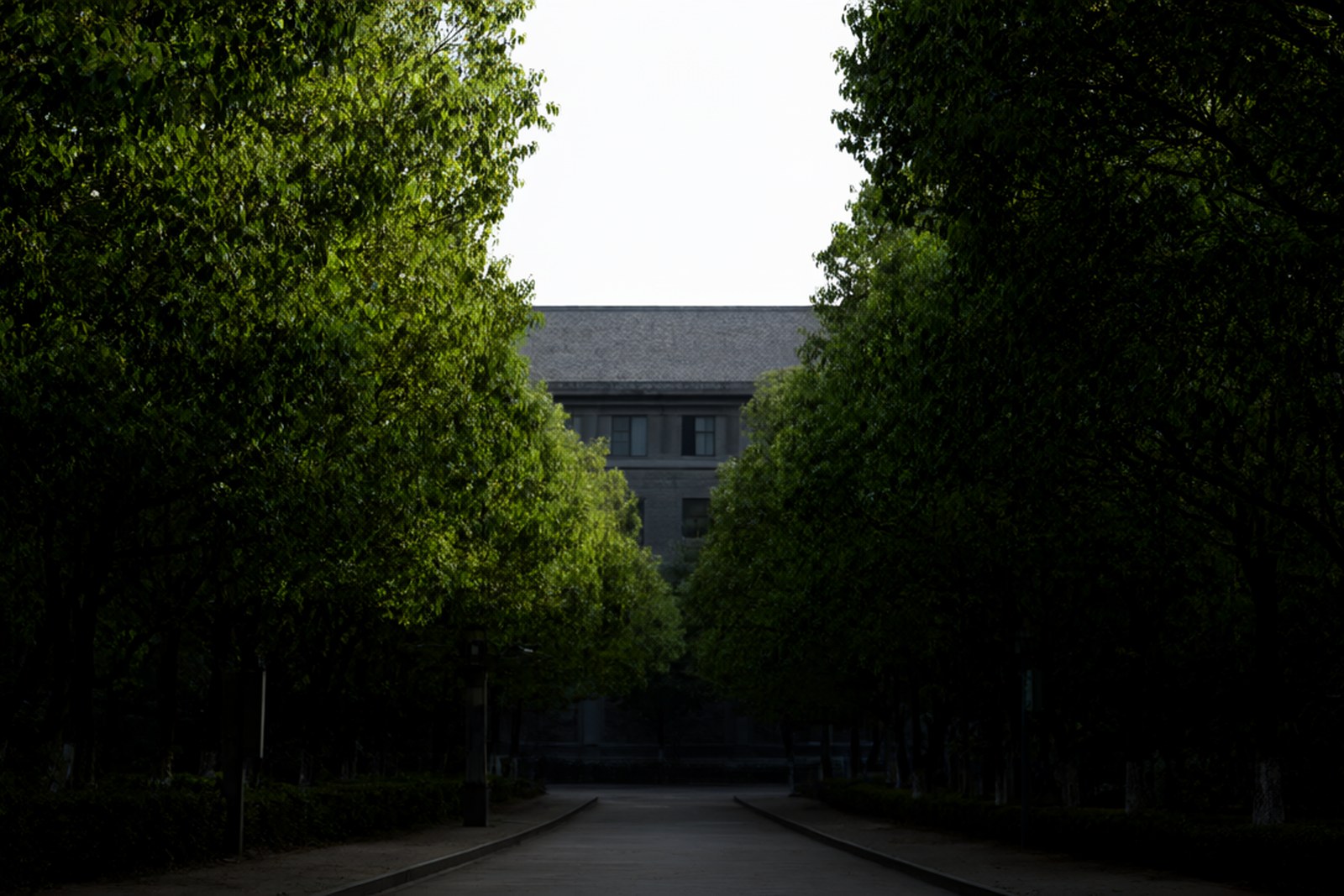
Zhazidong’s name comes from the ground itself: a small coal mine whose coal came out so mixed with waste – more slag than coal, in the saying – that the pit took the name the Slag Pit and was abandoned. In 1939, by the memorial’s records, the disused pit was converted into a prison, and in the years that followed it held revolutionary prisoners whose stories the city still teaches; the restored cell blocks, courtyards and exhibition rooms stand today as the official displays present them, sober and plain. Both sites entered the state’s Major Historical and Cultural Sites list in 1988, and the presentation follows the official historiography throughout: names, dates, rooms and documents, the record of the prison and of the people held here, in the memorial’s own words.
Baigongguan, the White Mansion, began grander: the 香山别墅 Xiāngshān Biéshù Fragrant Hill Villa, built as the country villa of the warlord Bai Ju and later converted to prison use like the Slag Pit below. The date the city carries from the site is 27 November 1949: in the days before Chongqing’s liberation, the retreating authorities killed many revolutionary martyrs in these two prisons – the day the official memorials mark each autumn. The novel 红岩 Hóngyán – published in English as Red Crag – took these slopes and this prison history as its prototype ground, and the Hongyan spirit that the city honours as part of its civic identity grows from the same soil. The exhibits keep to that register: documents, photographs, names read aloud each November, and a memorial ground below the slopes where the city mourns.
The memorial district around the two sites fills in the frame. The Gele Mountain Martyrs’ Cemetery, rated a national 4A scenic area in December 2003 in the district government’s listing, is managed by the Hongyan Lianxian, the Hongyan Culture Development Management Centre, and anchors the lower slope with Hongyan Soul Square on Tongjiaqiao Zhengjie and the Hongyan Soul Exhibition Hall, whose address stands on ground the record notes as a former parade ground of the Sino-American Cooperative Organisation, a site fact the hall carries without building on it. The recommended circuit runs Baigongguan, then Zhazidong, then the exhibition hall, two to three hours at a walking pace, with a shuttle linking the sites inside the scenic area. Hours are 9 am to 5 pm with last entry at 4:30, admission is free, and the dress-and-volume register is the respectful one: quiet voices, nothing climbed on, photographs taken with restraint.
Practicalities
Tickets. Admission is free: the district government’s listing records the Gele Mountain Martyrs’ Cemetery and its sites as not charging, and the travel platforms carry Zhazidong and Baigongguan as free to visit. Bring the ID card the visit is registered against. As of October 2026, subject to change – check before you go.
Opening hours. The sites keep 9:00 to 17:00 with last entry at 16:30, the hours the district government’s listing records for the cemetery district and the platforms repeat for the two prison sites.
Closing day. There is no fixed weekly closing day: both the government listing and the local visitor guides show the sites open daily, and any closure is announced through the official Hongyan WeChat account 红岩联线 rather than fixed to a weekday. Real-name reservation is the one point to settle before you travel – the government table lists advance booking for both groups and individual visitors while other guides say an ID is enough, so the current requirement is per the notices on the official Hongyan WeChat account.
Getting there. Metro Line 1 to 烈士墓 Lièshìmù Lieshimu Station is the district’s main rail node, with the sites on the wooded slopes above it, and a shuttle links Baigongguan and Zhazidong inside the scenic area.
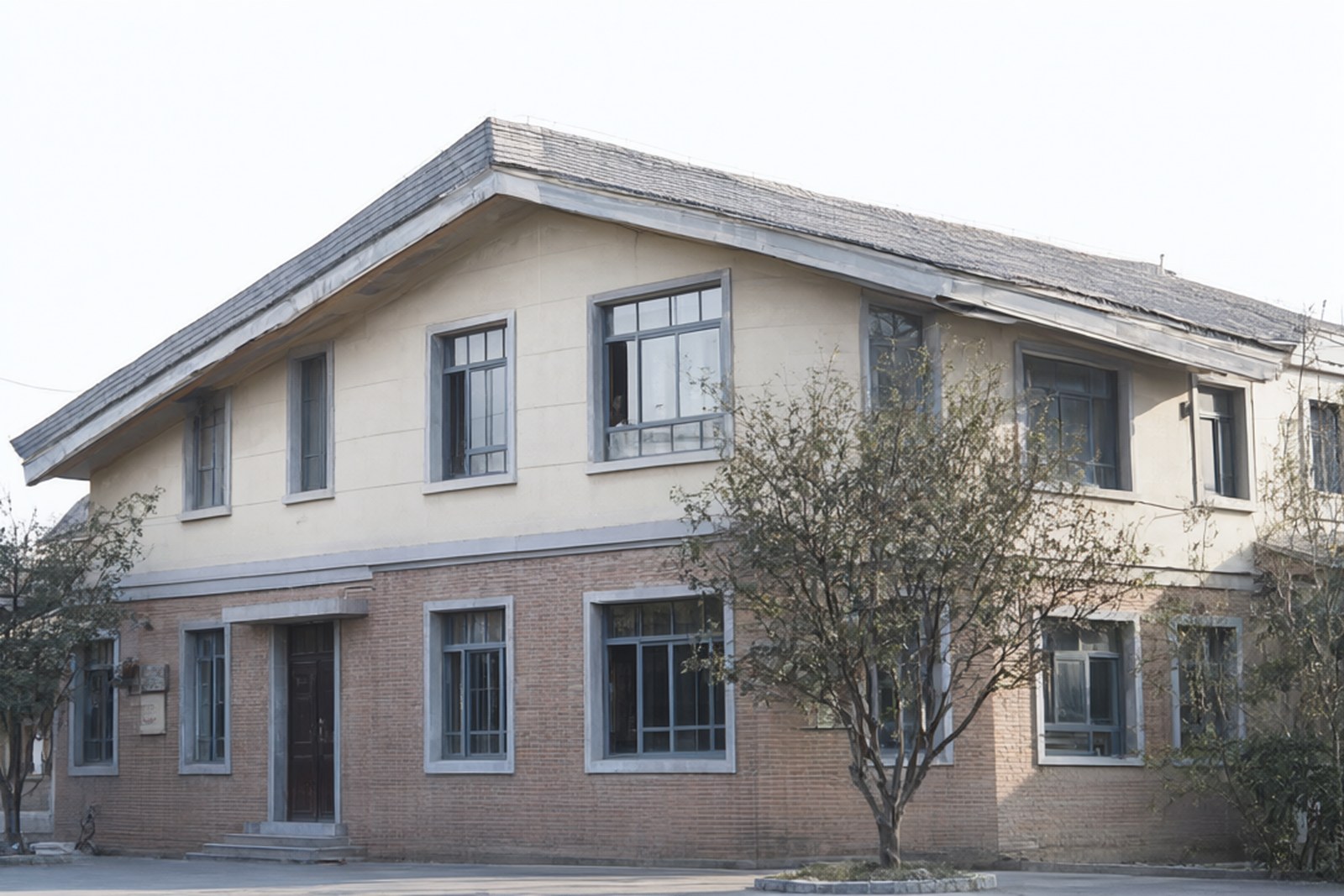
flowcloud would say that the Hongyan sites are the city’s quietest classroom – a slag-pit prison and a warlord’s villa kept as plain as they were, the martyrs’ names carried in documents and ceremonies rather than in spectacle – and that the red of Red Crag is the colour of the ground itself, remembered every November by the city the martyrs did not live to see liberated.
Getting there: the Hongyan sites on the lower slopes of Gele Mountain, Shapingba District, Chongqing, a municipality of southwest China: Baigongguan on 壮志路 Zhuàngzhì Lù Zhuangzhi Road, Zhazidong about a kilometre further up the mountain, and the Gele Mountain Martyrs’ Cemetery, Hongyan Soul Square and the Hongyan Soul Exhibition Hall at the mountain foot. Metro Line 1 to Lieshimu Station serves the district, and a shuttle links Baigongguan and Zhazidong inside the scenic area. Admission is free; the sites keep 9 am to 5 pm with last entry at 4:30 pm and no standing weekly closing day, with notices issued through the official Hongyan WeChat account 红岩联线, where the current real-name reservation requirement is also announced per current official notices – bring your ID either way (checked October 2026, subject to change).