
黄瓜山 Huángguā Shān, Huanggua Mountain – whose name literally means cucumber mountain, though it is in truth the district’s celebrated fruit mountain – is a hilly rural tourism zone in 永川区 Yǒngchuān Qū, Yongchuan District, planted with orchards of pear and peach trees and rows of grape vines, and transformed in recent years into one of the region’s favourite countryside escapes. Spring turns the slopes white and pink with pear blossom and draws photographers from across the province; autumn is the harvest, when visitors pick fruit straight from the trees at the participating farms. This page is the blossoms, the orchards and the slow country trails between them.
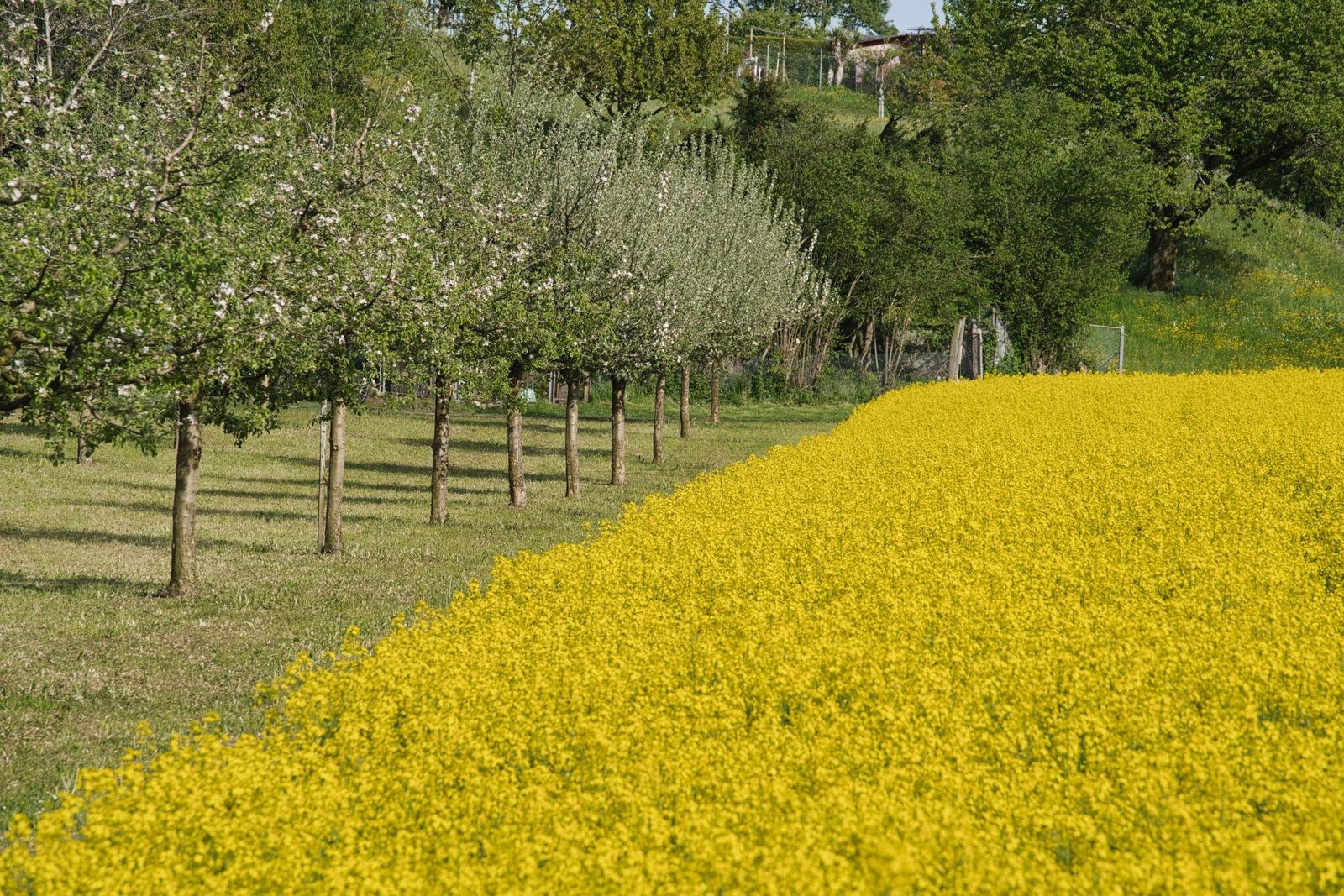
Huanggua Mountain is a working landscape first and a tourist one second, and the orchards are the reason both. The pear and peach trees are planted in long rows that follow the hill contours, the grape vines run in their tidy lines between them, and in spring the blossom covers the slopes in white and pink – a three-colour countryside that photographs from every ridge. The farms here are real farms that open their gates at blossom time and harvest time, and the visitor’s role is the old one: walk the rows, breathe the orchard air, and at harvest take the fruit from the branch rather than the shelf. The zone has grown its tourism gently, which is its gift – the cicadas and the orchard smell still outrank the signage.
The blossom season is the mountain’s headline and its crowd, and the harvest is its quieter reward. Spring brings the picnickers and the cameras to the white-and-pink slopes, and the roads fill on the weekends the blossom peaks; autumn sends the same visitors back with baskets, picking pears and grapes at the farms that invite it, and the fruit on the branch tastes of the hill it grew on. Between the seasons the zone stays open as countryside – the trails, the campsites and the farm-to-table tables are there year round. What the record supports is the orchard-and-vine planting, the spring blossom, the autumn picking, the cycling trails, the camping sites and the farm restaurants; what it does not support is any entry figure, any posted hours table or any merchant name, and none is invented here – the orchards and trails are mostly free country, and the page keeps it that way on paper too.
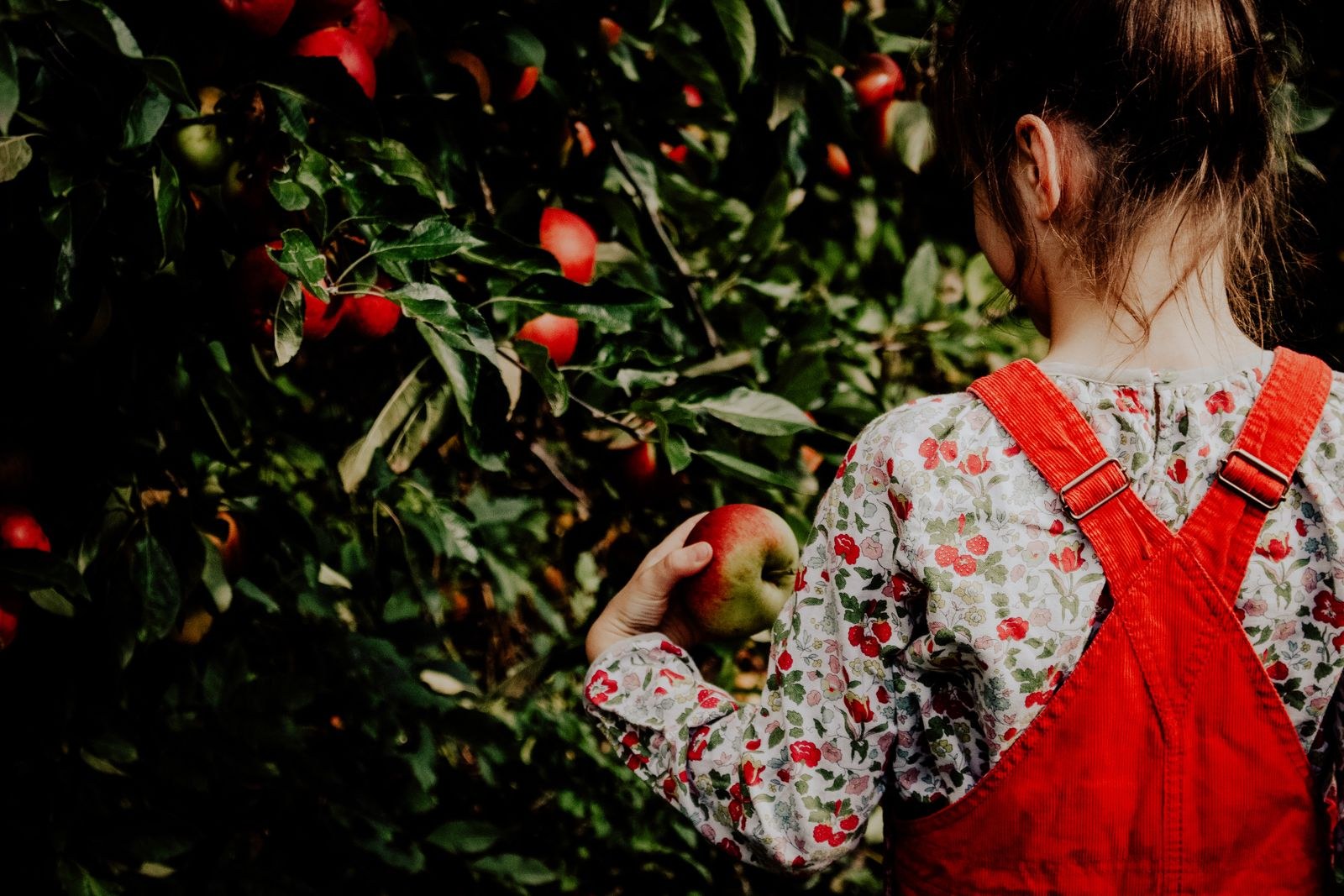
The orchards are the mountain’s living half, and picking is the activity that justifies the drive. At harvest the trees hang heavy and the farms lay out baskets, and the visitor becomes briefly a fruit farmer – reach, twist, drop, repeat – the kind of work that feels like play precisely because it is someone else’s. The grape vines offer the same pleasure later in the season, and the farm-to-table restaurants close the loop, cooking what the orchards and vegetable patches yielded that week into a meal the visitor helped the landscape produce. The mountain’s appeal is deliberately rustic: plastic chairs on a porch, a kettle boiling, the sound of cicadas through the afternoon, the reason the urban families keep coming back when the blossom and the harvest call them out of the city.
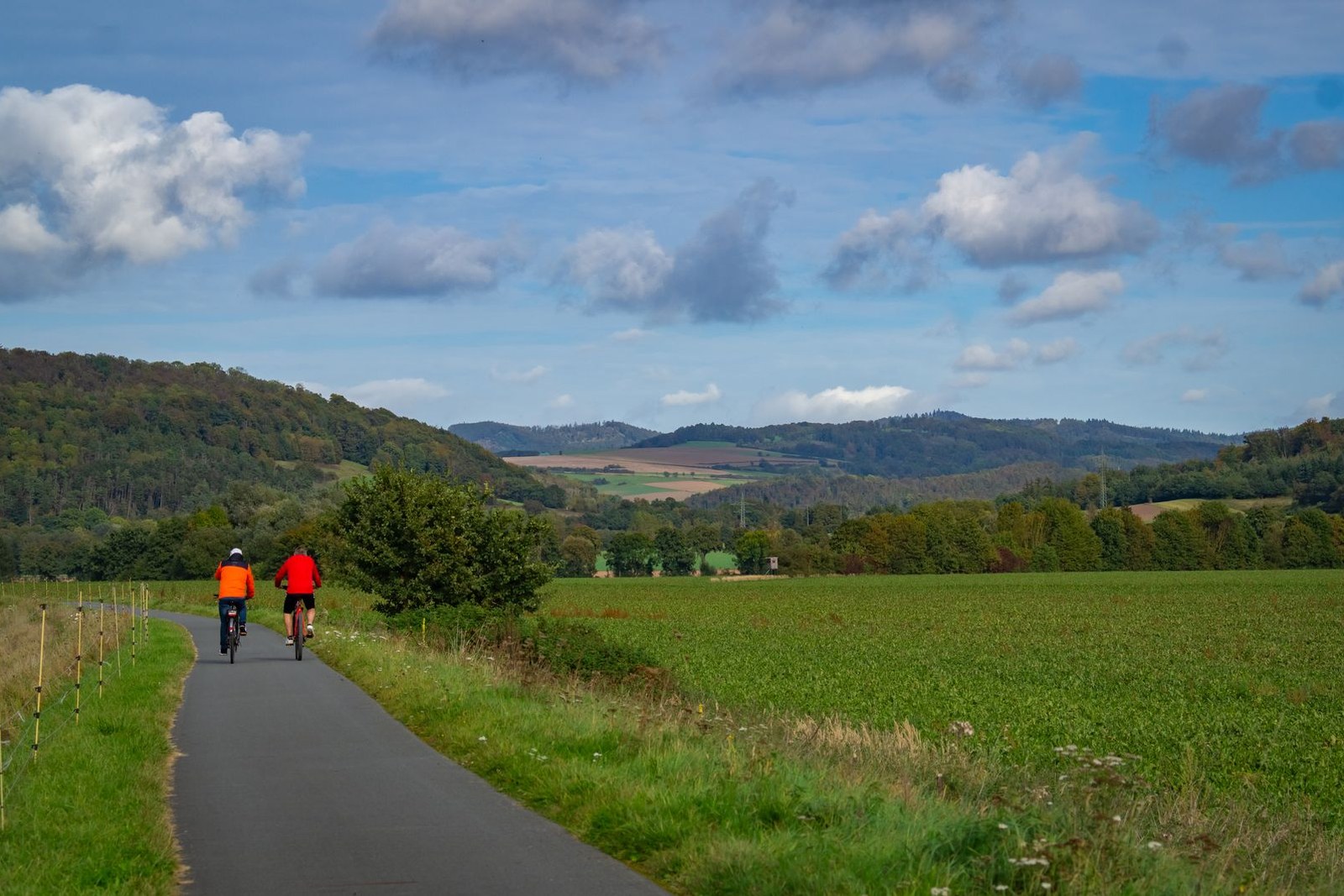
Give the mountain the half day or the full day the season asks for, because the rhythm is the point. The cycling trails run the countryside between the orchards, the campsites take the overnight visitor – none of it gated in the way a ticketed park is, and the honest statement is the qualitative one: free country trails and paid farm experiences where posted, with no figure worth quoting on the record consulted. The only schedule worth naming is the blossom and the harvest, and the page declines any timetable it does not have; the practical clock is the season’s, and the visit that suits the mountain is the unhurried one, blossom in spring or basket in autumn, with the country trail taken slowly either way.
Words and Names
黄瓜山 Huángguā Shān, Huanggua Mountain – the cucumber-named hill that is in fact the district’s fruit mountain – in 永川区 Yǒngchuān Qū, Yongchuan District: a hilly rural tourism zone planted with pear and peach orchards and grape vines, famous for its spring pear blossom that turns the slopes white and pink, its autumn fruit picking at the participating farms, its cycling trails, camping sites and farm-to-table restaurants. No entry figure, posted hours table or merchant name is on the record consulted, and none is invented here; the trails are free country.
What the Locals Know
The local knowledge is the season and the weekend. The blossom has its peak week and the harvest has its window, and the locals time the visit to the edges of both – the first blush of blossom before the cameras arrive, the late fruit after the weekend crowds thin – because the mountain in between the crowds is the mountain the farmers know. The campsites and the farm tables keep their own informal hours, the orchards post their own picking terms, and the page declines to quote any figure or schedule it does not have. The honest clock is the season’s, and the country trail taken at first light is the local’s whole advantage over the afternoon picnic crowd that arrives when the sun is high.
flowcloud would say that Huanggua Mountain is the district’s quiet countryside – the cucumber-named hill that is really a fruit mountain of pear and peach orchards and grape vines, white-and-pink with blossom in spring and heavy with picking in autumn, circled by cycling trails and farm-to-table tables – and that the correct visit is the unhurried one taken at the season’s edge, because the mountain between the blossom crowds is the mountain the farmers know. All checked October 2026.
Practicalities
Tickets: None for the countryside itself – the trails, the greenways and the blossom views are free country, and no entry figure is on the record consulted. The farms post their own picking and tasting terms where they invite it, and no figure for them survives in the record consulted; the page declines the number rather than inventing one. Opening hours: The mountain keeps no gates, so the trails and orchards are a daylight affair – blossom in spring and harvest in autumn are the seasons that set the rhythm. No posted hours table is on the record consulted; the honest clock is the season’s. Closing day: None – open countryside does not close, and no published rest day is on the record consulted. Rain is the only calendar the mountain keeps: a wet blossom week thins the cameras and a wet harvest sends the pickers indoors, both a rearranged visit rather than a lost one.
Getting there: the mountain lies in the rural countryside of 永川区 Yǒngchuān Qū, Yongchuan District, reached by road from the district seat with the orchards and trails signed from the main approaches; no entry figure, posted hours table or merchant name is on the record consulted, so none is invented here. Pair this page with the huaguashan-village-stays page in the stay column for the farm homestay overnight, and the lehe-ledu-park page for the district’s loud full-day.