
The Wartime Villas in Nanshan’s Pine Forest
A forest road climbs away from the city noise into the pines of the Nanshan ridge, and at the end of it lies a museum that does not behave like one: a scattering of 1930s and 1940s villas among mature trees, connected by footpaths, holding the command rooms of a world war. 重庆抗战遗址博物馆 Chóngqìng Kàngzhàn Yízhǐ Bówùguǎn – its English name runs to the Chongqing Historic Sites Museum of the War of Resistance against Japan – occupies the 黄山 Huángshān, Huangshan, estate on the ridge in 南岸区 Nán’àn Qū, Nan’an District, Chongqing being a municipality of southwest China. The name means Yellow Mountain but this is a hill in Chongqing’s Nanshan area, not the famous Yellow Mountain of Anhui; it takes its name from a merchant’s villa estate bought here in the 1910s, and in the war years the quiet hill became one of the most consequential addresses in China.
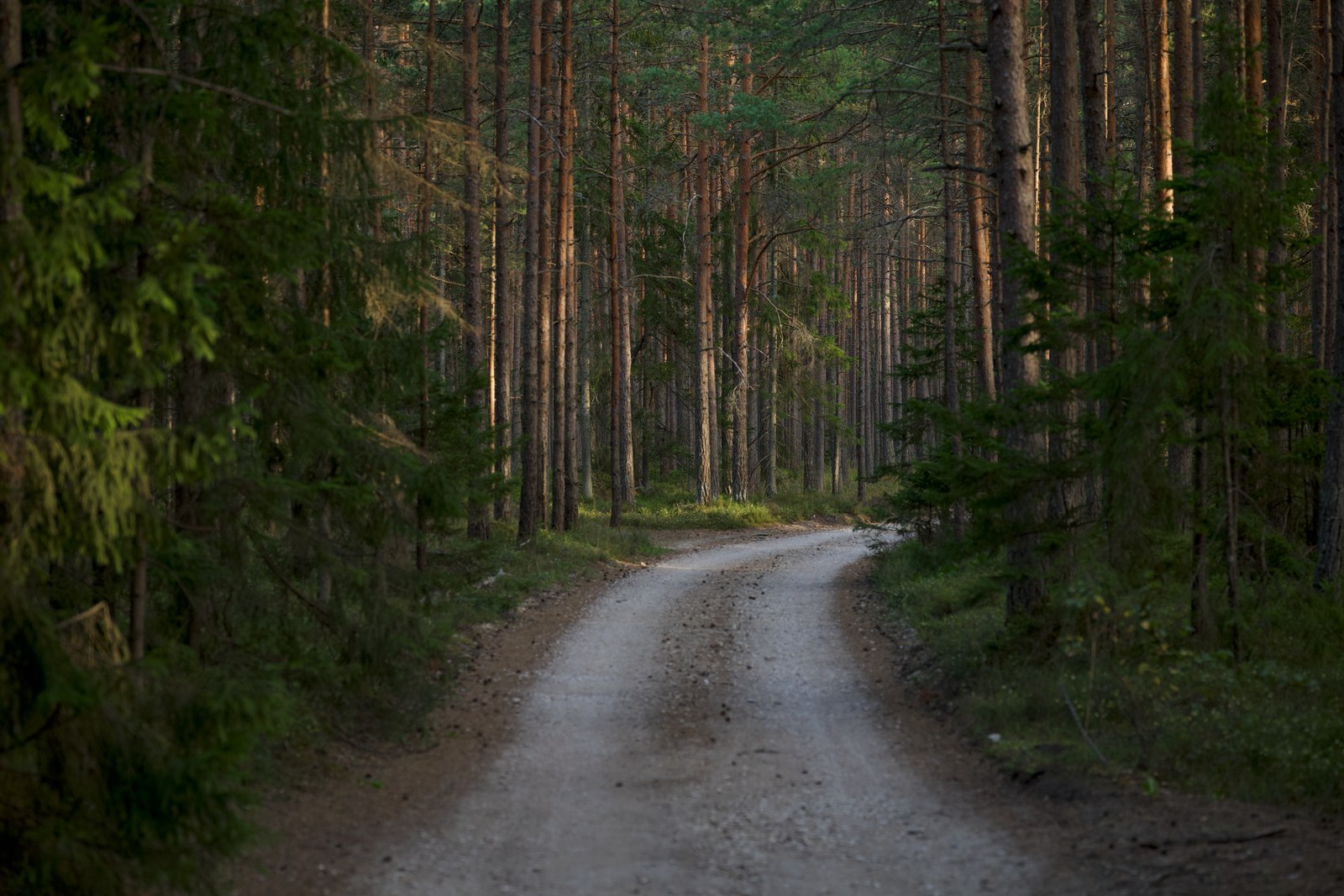
The history is the estate itself. In 1938, after the national government moved inland to Chongqing to carry on the War of Resistance, the Huangshan estate became the seat of China’s wartime military command, and the villas built for the purpose – and for the pre-war summers that preceded it – still stand across some 280 mu of wooded hillside, fifteen of them now listed as war-relic buildings. The circuit reads as a map of the wartime government in miniature: 云岫楼 Yúnxiù Lóu, Yunxiu Lou, the hilltop villa where the command meetings were held, its wartime meeting room and office restored on display; 松厅 Sōng Tīng, Song Hall, the residence of Song Meiling, Madame Chiang Kai-shek, under the pines; the thatched 草亭 Cǎotíng, Grass Pavilion, where General George C. Marshall stayed during his 1945 mediation mission; 莲青楼 Liánqīng Lóu, Lianqing Lou, which housed the American advisory group; and the Huangshan Primary School, the little schoolhouse that taught the war orphans of the capital’s official families. The people are presented as history presents them – names, dates, rooms and documents, without decoration in either direction – and the forest does the rest, keeping the compound cool, quiet and slightly hidden, exactly as it was meant to be.
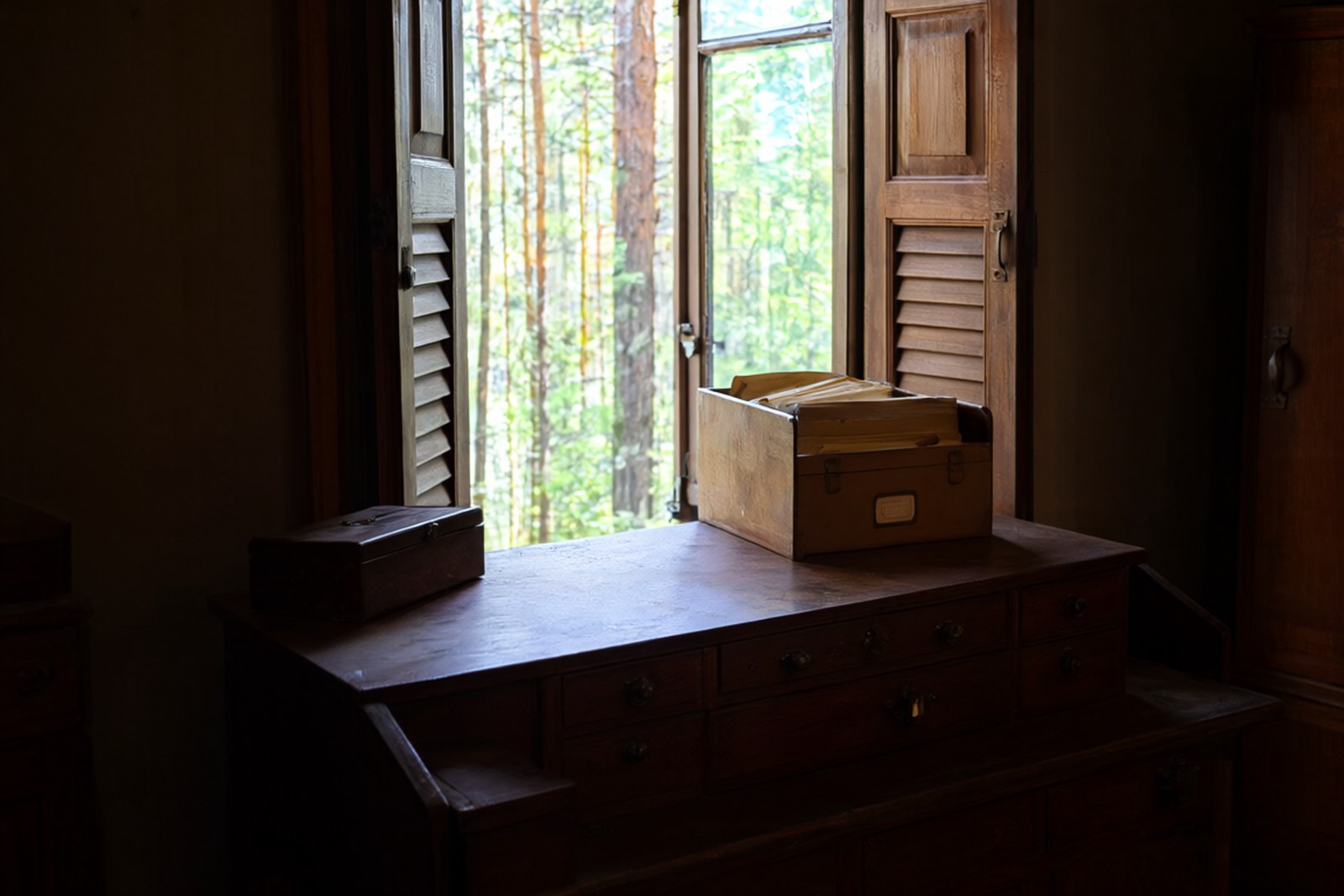
The museum era began formally on 19 October 2005, when the restored estate opened to the public as a museum district, and the institution has aged well: in August 2024 it was designated a national second-grade museum, the official recognition of a collection and a site that had already earned their keep. The visit works as a two-hour walking circuit, the buildings strung along shaded paths with the comprehensive exhibition hall anchoring the narrative at the entrance; documents, photographs and household objects from the wartime years fill the villas themselves, so the exhibits and the place that made them are the same thing – a directness no purpose-built museum can manufacture. Allow the full two hours rather than the express version, because the spacing of the buildings is part of the story: the command villa set apart on its knoll, the residences folded into the trees, the school on its own slope, the whole compound arranged for function and shade rather than ceremony.
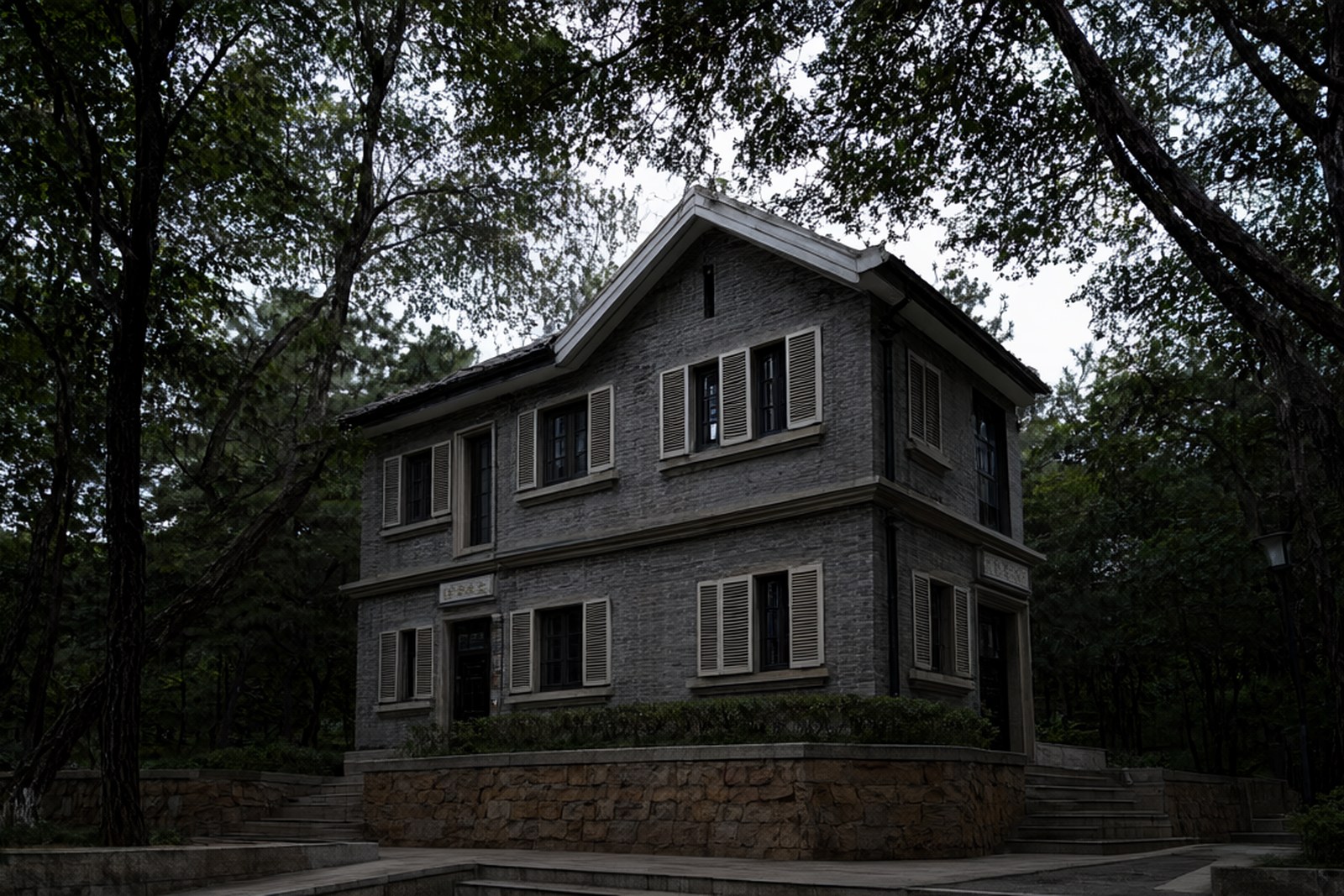
Practical notes are worth more than usual here, because the estate’s hours change with the seasons and its location rewards a little planning. Buy tickets at the gate or slightly cheaper online; take the morning slot in summer, when the pines are coolest and the school groups have not yet arrived; and wear real shoes, because the circuit is a hillside walk between buildings, not a corridor. The estate sits on the botanical-garden road on Nanshan, so a garden morning and a museum afternoon fold together naturally – the two entrances lie within a short drive on the same slope – but the museum deserves its own unhurried block of time, and the late-afternoon light through the pines is the bonus most visitors miss.
Practicalities
Tickets. Admission is 18 yuan for adults at the gate, a yuan or so less on the online platforms; generous concession tiers apply, with half price for many senior visitors and free entry for children and eligible groups under the current policy. As of October 2026, subject to change – check before you go.
Opening hours. Peak season, 5 March to 15 October: 9:00 to 18:00. Off season, 16 October to 4 March: 9:00 to 17:30. Ticket sales stop one hour before closing in both seasons.
Closing day. There is no fixed closing day: the estate opens daily year-round on the seasonal schedule, with occasional announced closures posted on its official WeChat account.
Getting there. Bus 384 runs from the 南坪 Nánpíng, Nanping, bus hub up the mountain to the 黄山 Huángshān, Huangshan, stop in roughly forty minutes, and the estate entrance is a walk of about 170 metres from the stop.
flowcloud would say that the Huangshan estate is the war kept at domestic scale – command decisions made under pine shade, a school for orphans down the slope, a thatched pavilion that once lodged a general – and that the quietest museum on the ridge is the one where the buildings themselves are the principal exhibits.
Getting there: The Chongqing Historic Sites Museum of the War of Resistance against Japan occupies the Huangshan estate, a 280-mu wooded hillside with fifteen listed war-relic buildings on the Nanshan ridge of Nan’an District, Chongqing, a municipality of southwest China – the hill named for a merchant’s villa estate of the 1910s and made the seat of China’s wartime military command in 1938; the circuit takes in Yunxiu Lou, Song Hall, the Grass Pavilion that lodged General George C. Marshall in 1945, Lianqing Lou and the Huangshan Primary School, presented as dates, rooms and documents; opened as a museum on 19 October 2005 and designated a national second-grade museum in August 2024, it charges 18 yuan at the gate with cheaper online tickets, keeps 9:00 to 18:00 in peak season and 9:00 to 17:30 in the off season with last tickets an hour before closing, opens daily with no fixed closing day, and is reached by bus 384 from the Nanping bus hub to the Huangshan stop (checked October 2026, subject to change).