
The Wall’s Last Tianjin Mile: Huangyaguan Pass
戍楼千堞盘崖上,一段边墙锁蓟门 Shù lóu qiān dié pán yá shàng, yī duàn biānqiáng suǒ Jì mén – A thousand battlements of watchtowers coil up the cliff; one stretch of border wall locks the Jizhou gate
黄崖关长城 Huángyáguān Chángchéng rides the ridgelines above Xiaying town at Tianjin’s northern tip in 天津市蓟州区 Tiānjīn Shì Jìzhōu Qū Jizhou District – the only stretch of the Great Wall inside the city’s borders, rebuilt in the Ming under Ji Jiguang and restored in the eighties into the most complete pass complex on the eastern wall. Amber cliffs give the pass its name: at dusk the whole valley face glows yellow.
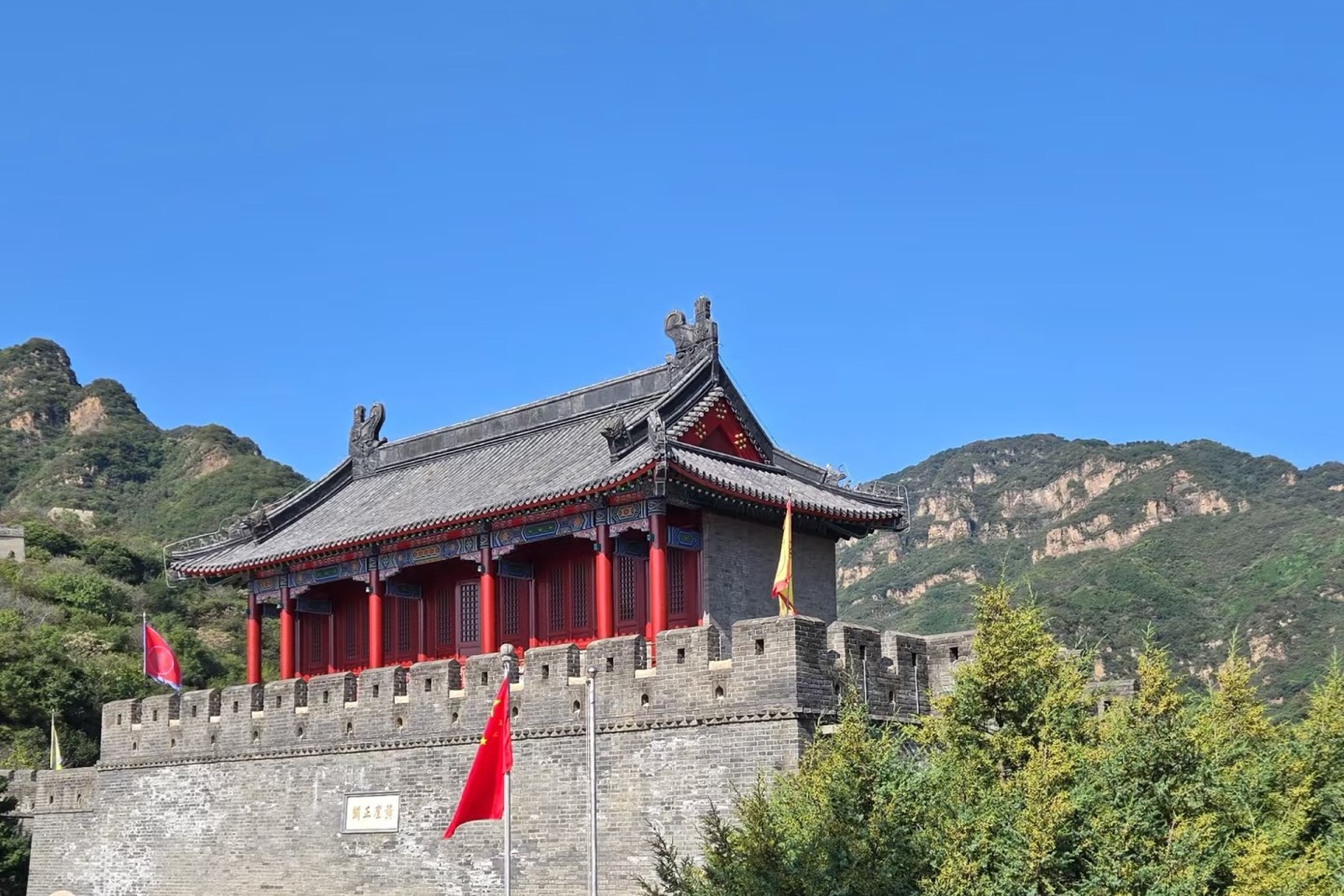
The pass itself is the curiosity. Below the wall runs the Eight Trigrams Fort, a maze city laid out on the bagua pattern so that intruders who breached the gate found streets folding back on themselves; today the same lanes hold the Great Wall museum and a stele forest of repaired tablets. The fort is the rare wall site you explore from inside, not along the top.
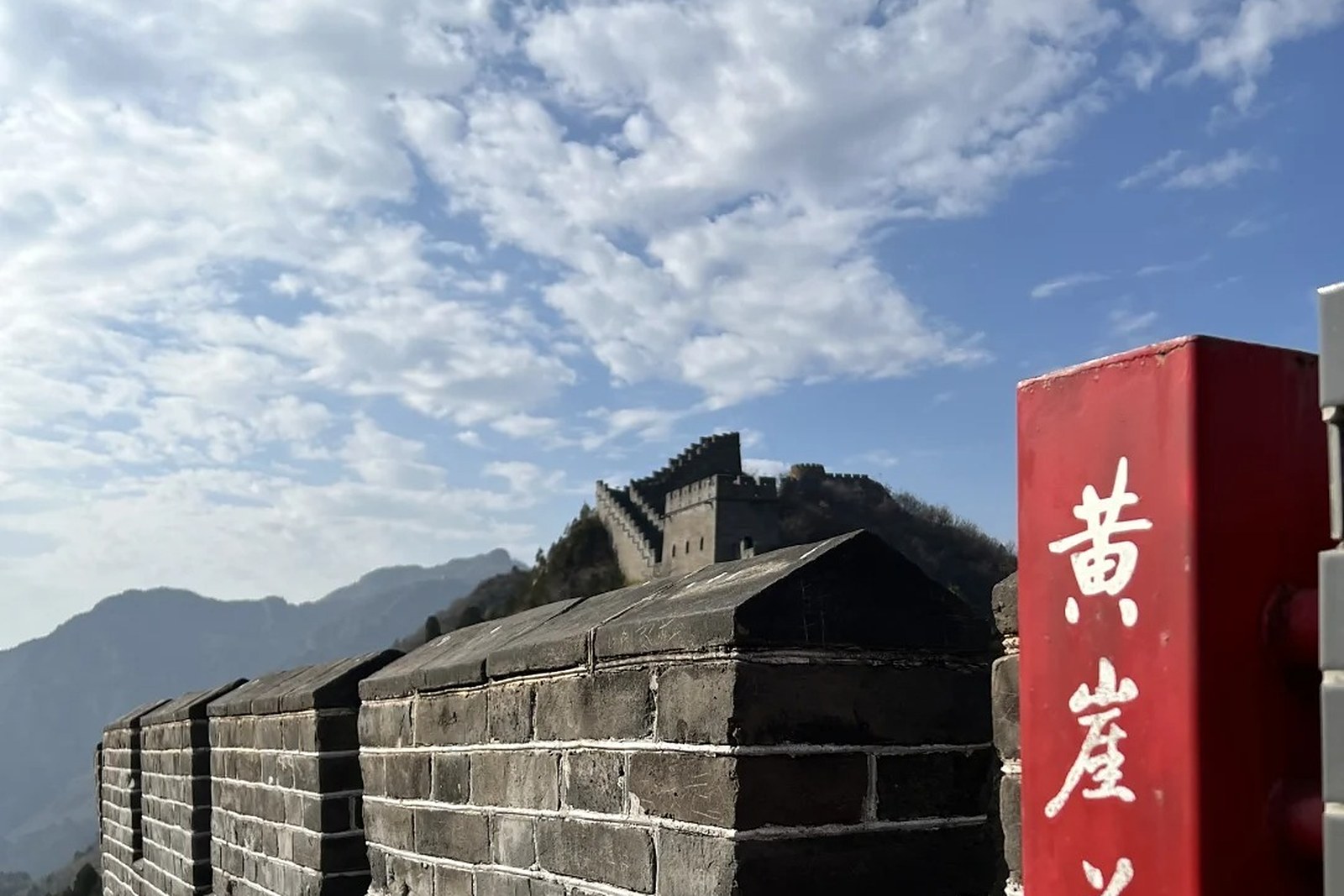
The wall climbs both ways from the pass – east to the cliff-hung watchtowers over the river gorge, west up the long stair to the high beacon. The masonry runs steep and unrestored-in-sections, which is the charm: you walk real Ming grades, between crenellations that frame the mountain line instead of a parade ground.
The widow’s tower stands apart, kept for the legend of twelve women who built it for husbands lost on the line, and the story is why the tower gets its own incense. Autumn paints the valley walnuts gold, winter leaves the towers frosted, and the wall’s silence after the day buses leave is the reason locals recommend a late afternoon start.
Practicalities
- The wall is steep either direction from the pass; the west climb is longer, the east punchier.
- The Eight Trigrams Fort lanes confuse by design – photograph the map at the gate first.
- The Wall museum and stele forest sit inside the fort and close by late afternoon.
- Autumn weekend traffic into Xiaying backs up; arrive before nine or after three.
Words and Names
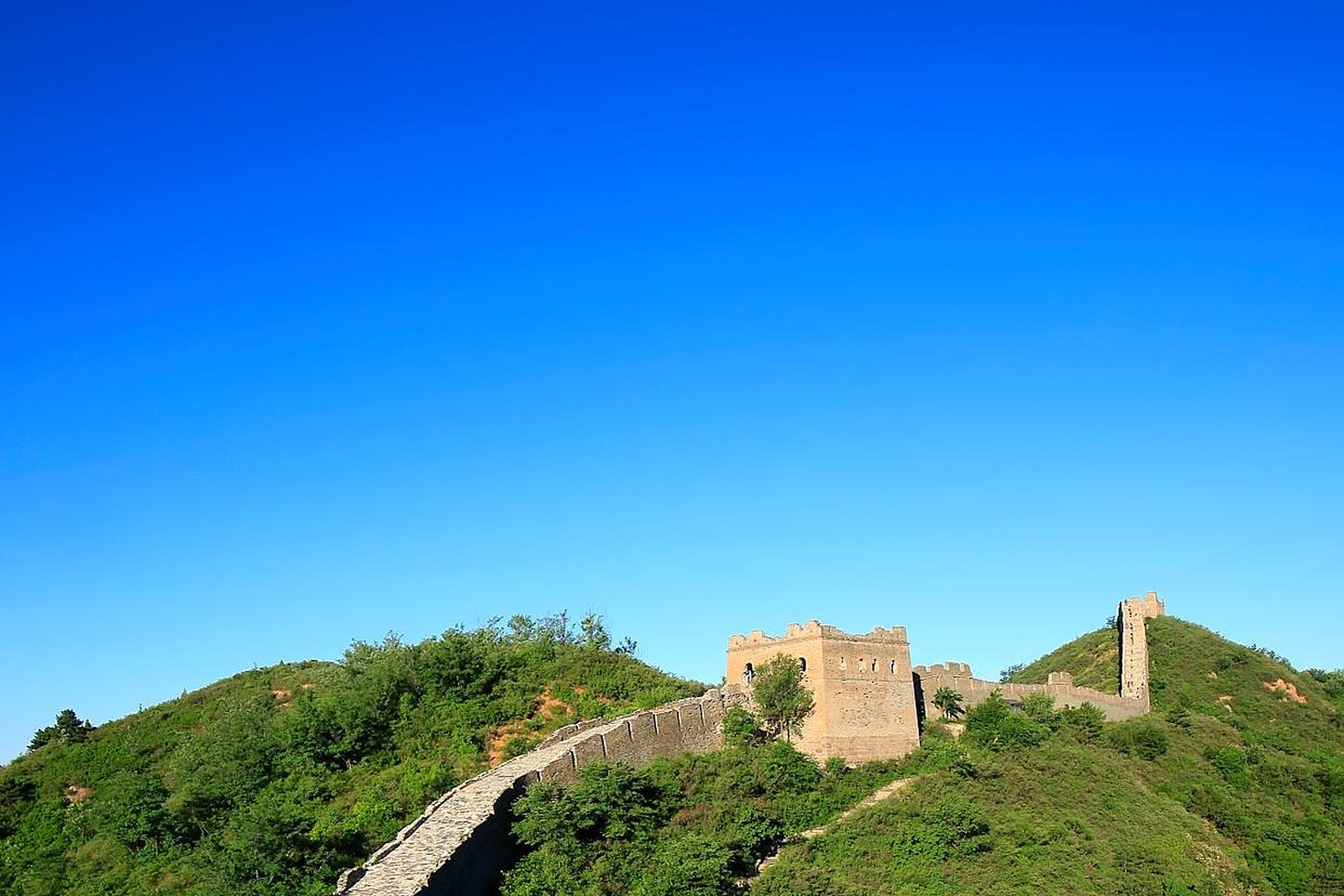
黄崖关 Huángyáguān the Yellow Cliff Pass; 八卦关城 bāguà guānchéng the Eight Trigrams fort city; 戚继光 Qī Jìguāng the Ming general who rebuilt this line; 烽火台 fēnghuǒtái the beacon tower; 垛口 duǒkǒu the crenellation gaps. Beyond the pass, the same 天津市蓟州区 Tiānjīn Shì Jìzhōu Qū Jizhou District keeps more places worth the detour: 盘山 Pán Shān the emperor-counted mountain, 独乐寺 Dúlè Sì the Liao-dynasty temple, 梨木台 Límùtái the quartz gorge, or 九山顶 Jiǔshāndǐng the city’s rooftop – four more doors into the same Jizhou District. Once the battlements are behind you, our Jizhou food map fills the table.
flowcloud would say Huangyaguan is the wall at working scale: a maze city, a real grade of Ming stair, and cliffs that do the naming in amber light. All checked November 2026.
Getting there: The pass sits upstream of Xiaying town – drive about forty-five minutes north from Jizhou’s seat on the G233 line, or catch the weekend valley tourist bus; gate lots sit below the fort, and the wall climbs both directions from the pass. All checked November 2026.