
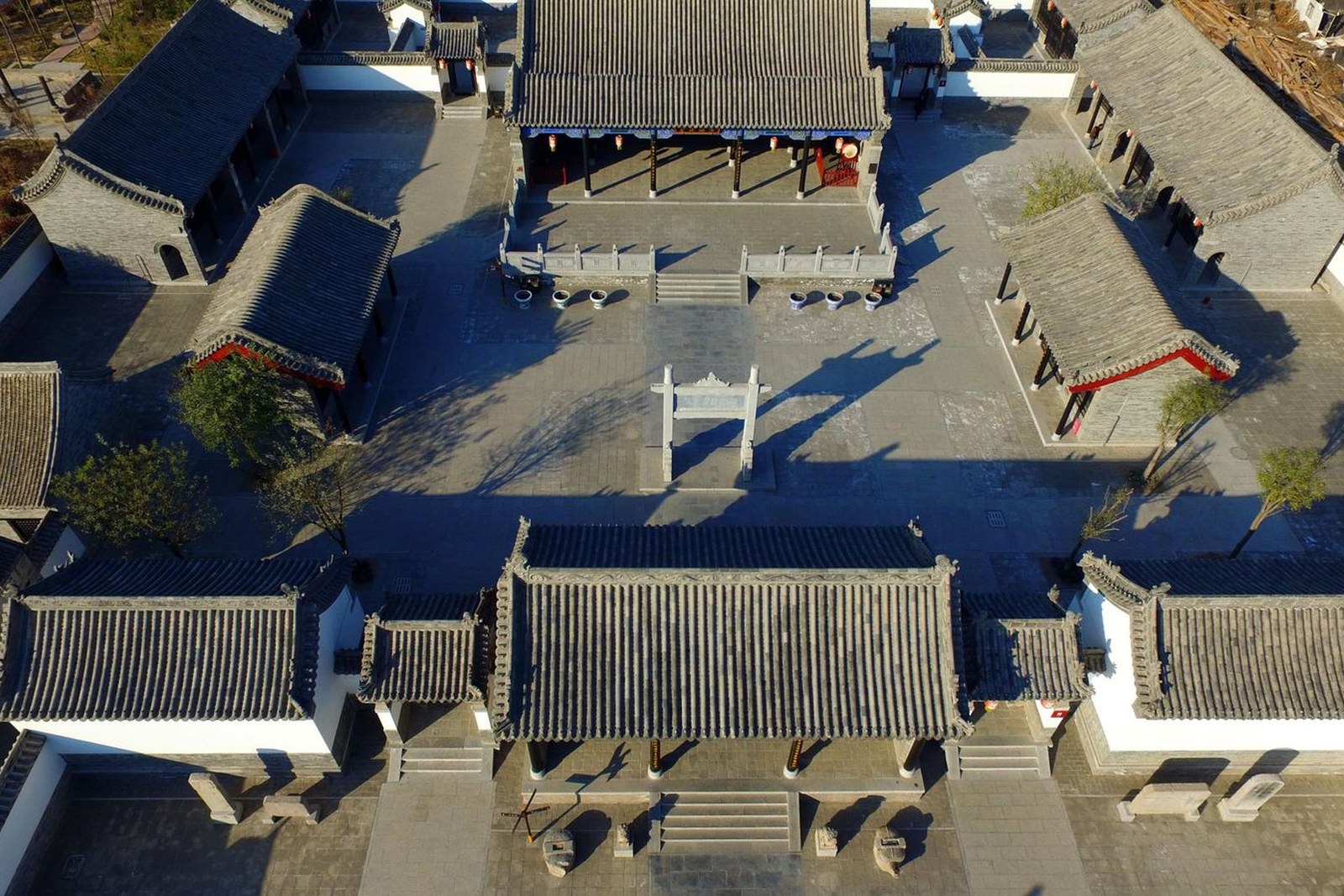
湖广会馆 Húguǎng Huìguǎn, the Huguang Guild Hall, stands at 1 芭蕉园 Bājiāoyuán, Bajiaoyuan, on 长滨路 Chángbīn Lù, Changbin Road, beside the old 东水门 Dōngshuǐmén, Dongshui Gate, on the Yangtze shore of 渝中区 Yúzhōng Qū, Yuzhong District. Chongqing is a municipality of southwest China, and Yuzhong is its central district on the peninsula where the Yangtze meets the Jialing River, and it was here, under the old eastern water gate, that the migrant boats came in. What they built here over generations is a walled complex of guild halls – 禹王宫 Yǔwáng Gōng, Yuwang Palace, 齐安公所 Qí’ān Gōngsuǒ, the Qi’an Guild House, and 广东公所 Guǎngdōng Gōngsuǒ, the Guangdong Guild House – the physical ledger of the wave Chinese history calls 湖广填四川, Huguang fills Sichuan.
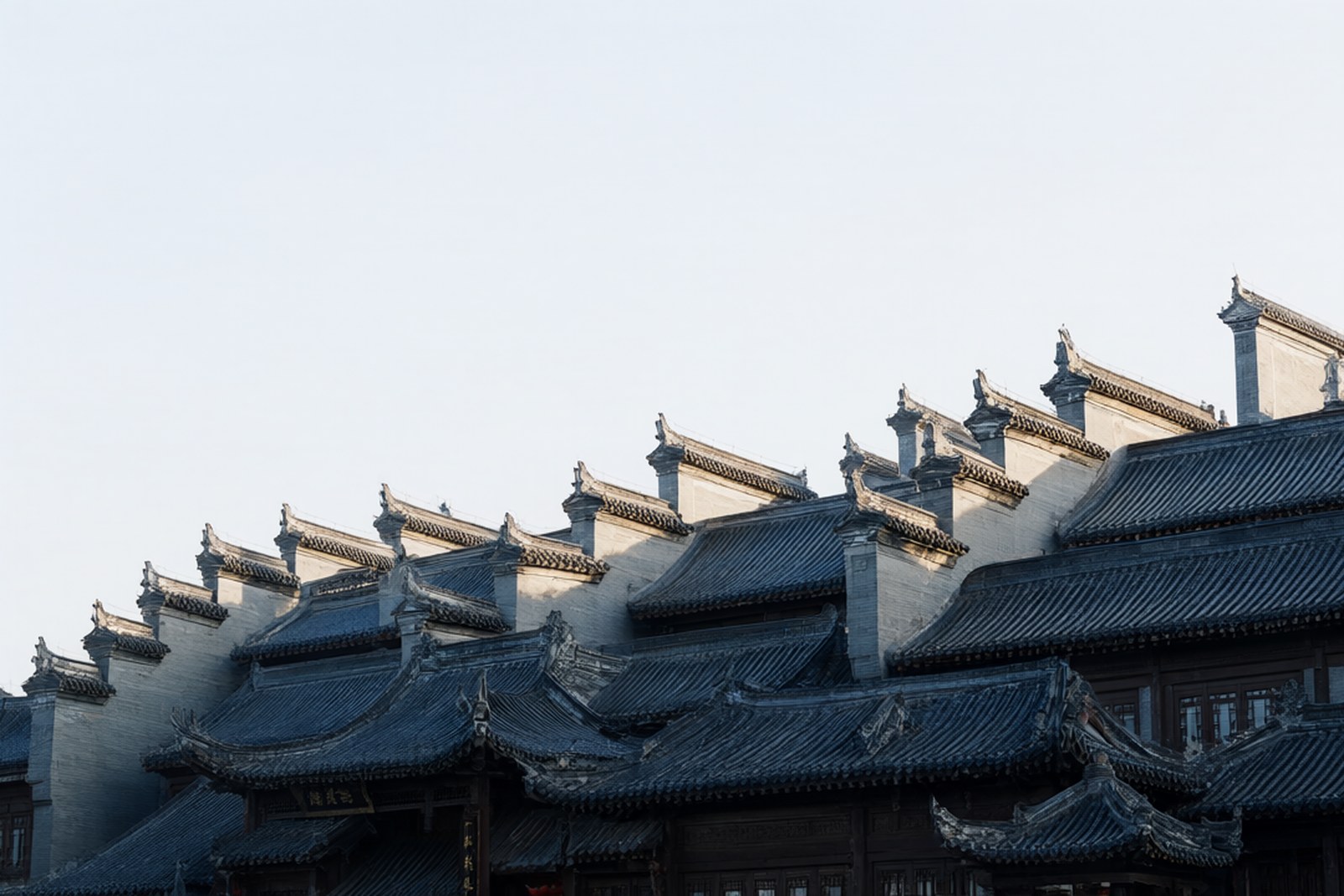
The migration story is the key to every hall. From the early Qing, settlers from Huguang – today’s Hunan and Hubei – and a dozen other regions moved into Sichuan, and Chongqing’s river-gate position made it a chief port of entry. The chronicles record the result in hard numbers: chillies, early-ripening rice and maize travelled in with the migrants, and the province’s farmland grew from some 120,000 mu in the Kangxi years to more than 12 million mu under the Yongzheng emperor. The guild halls were the migrants’ institutions – trading bodies, mutual-aid societies, temples and theatres at once. The 湖广填四川移民博物馆, the Migration Museum, opened here in 2005 across about 3,000 square metres and is described as the country’s first museum dedicated to a migration.
The compound’s own dates come in two official versions, and the honest text carries both. One account places the founding in the Kangxi era with the surviving buildings rebuilt in 1846; another, in the district government’s history pages, gives a first construction in 1759 with a major expansion in 1846 – early Qing either way. The site covers about 18,000 square metres, figures varying by scope, and the chronicles describe it as the largest surviving guild-hall complex in China, a claim quoted here with its source. Its status followed: a municipal listing in 1992, the sixth batch of national key protected sites on 25 May 2006 and a national 4A grade that November – 4A, not 5A. A 2003-2005 restoration reopened the halls, and old-manner repair continues.
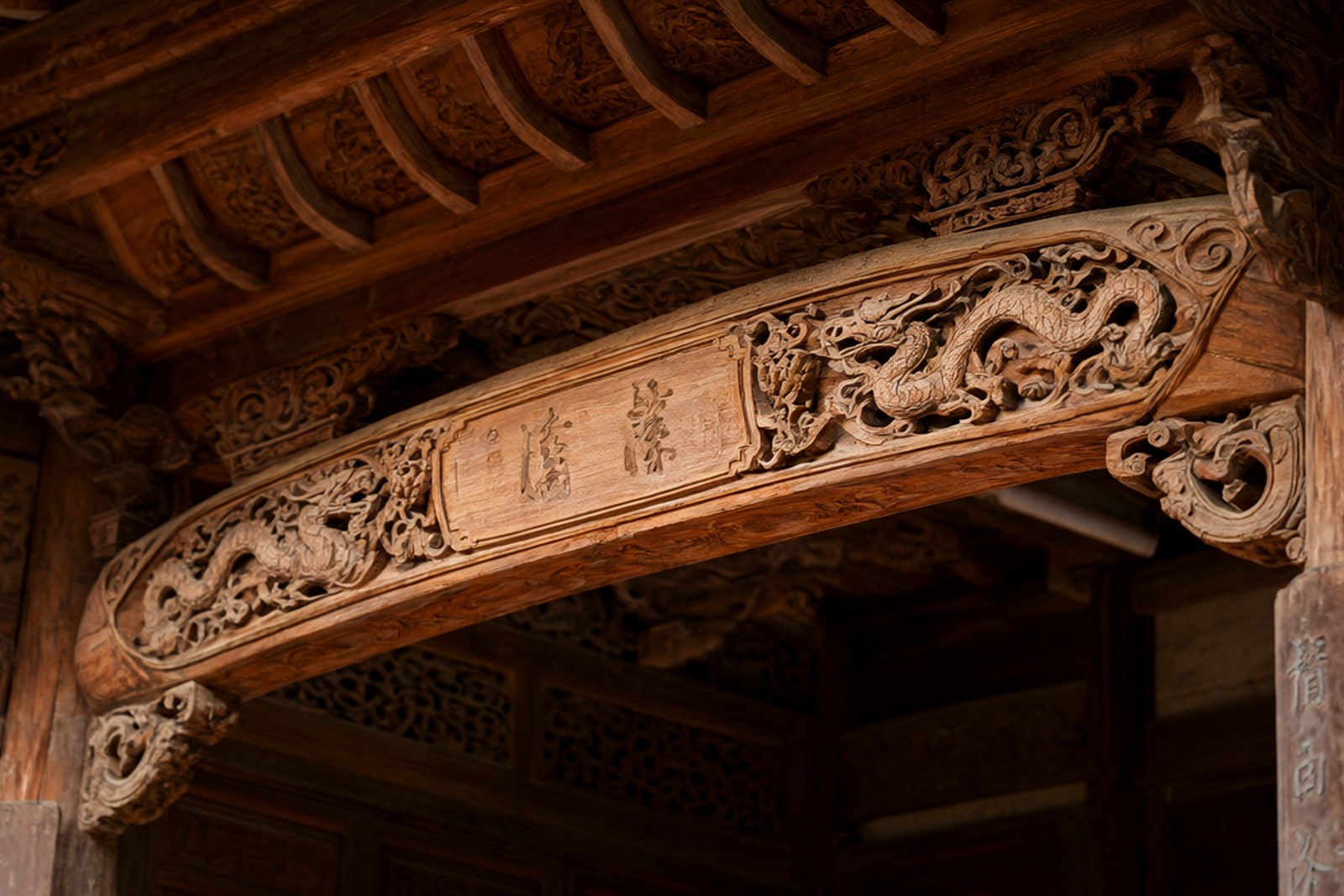
Each hall has one detail that carries it. Yuwang Palace, raised by the Hunan and Hubei settlers in honour of Yu the Great, tamer of floods, keeps the group’s tallest room, a main hall of 10.65 metres clear height. The Qi’an Guild House, built by settlers from Huangzhou prefecture in Hubei, begun in 1817 and rebuilt in 1889, keeps the best story: its gate stands on the side and angles east toward the ancestral home, and its stage carries two deep reliefs – Xunfeng Gate of the old walled city of Chongqing, and the apricot-blossom village scenery around Macheng in Hubei – holding home and destination in a single glance. The Guangdong Guild House, its surviving hall dated 1818, keeps the largest stage, under an octagonal caisson ceiling where a carved dragon holds a pearl that still turns.
A couple of hours covers the halls, the stages and the migration museum, plus, when the calendar is right, the living side of the place: the Yuwang temple fair at Spring Festival and the Qingming memorial rites continue today. Then walk the day line outward: the compound sits about a kilometre from the cableway’s north station with the monument at Jiefangbei just beyond, so shore, crossing and centre make one unhurried peninsula circuit. The compound’s argument is the one it opened with: the rivers made Chongqing, and the migrants who arrived by them made this.
Practicalities
Tickets. Admission is 32 yuan for adults as of the 2025-2026 schedule, with 16-yuan concessions for children and qualifying students and for visitors aged 60 to 64, and free entry from 65 upward. Combination tickets pairing entry with the Zui Bayu intangible-heritage stage show are quoted at roughly 88 to 118 yuan by platform snapshots, with show times varying by day. As of October 2026, subject to change.
Opening hours. The halls open at 09:00 and close at 18:00, with last admission at 17:00, so an afternoon visit should arrive before the cut-off. The courtyards photograph best in morning side light, when the fire-wall shadows are long.
Closing day. No regular closing day is posted – the official and platform pages treat the halls as open daily – but individual rooms can close for maintenance without notice, so check before you go if a particular stage or hall is the reason for the trip.
Getting there. Metro lines 1 or 6 to 小什字 Xiǎoshízì, Xiaoshizi, exit 8, then take the mall lift down to street level and walk about 150 metres along the 东水驿 Dōngshuǐyì old-street block to the gate. Buses 414, 440, the 480 section and sightseeing routes T001, T002 and T480 stop at the Huguang Guild Hall stop. On foot it is about a kilometre along the river to the cableway’s north station and on toward the monument.
flowcloud would say that Huguang Guild Hall is the ledger the migrants left when memory needed a building, and that a guild hall which angles its own gate toward a hometown four hundred kilometres away has said everything about longing a building can say.
Getting there: Huguang Guild Hall stands at 1 Bajiaoyuan on Changbin Road beside the old Dongshui Gate on the Yangtze shore of Yuzhong District, Chongqing, a municipality of southwest China; the walled complex of Yuwang Palace and the Qi’an and Guangdong guild houses – founded in the early Qing, expanded in 1759 and rebuilt in 1846, and described by the local chronicles as the largest surviving guild-hall complex in China – has been a national key protected site since 2006 and a national 4A scenic area since that November; it opens 09:00 to 18:00 with last admission at 17:00, charges 32 yuan with concessions and no posted regular closing day, and is reached by metro lines 1 or 6 to Xiaoshizi exit 8 and a 150-metre walk along the Dongshuiyi street block (checked October 2026, subject to change).