
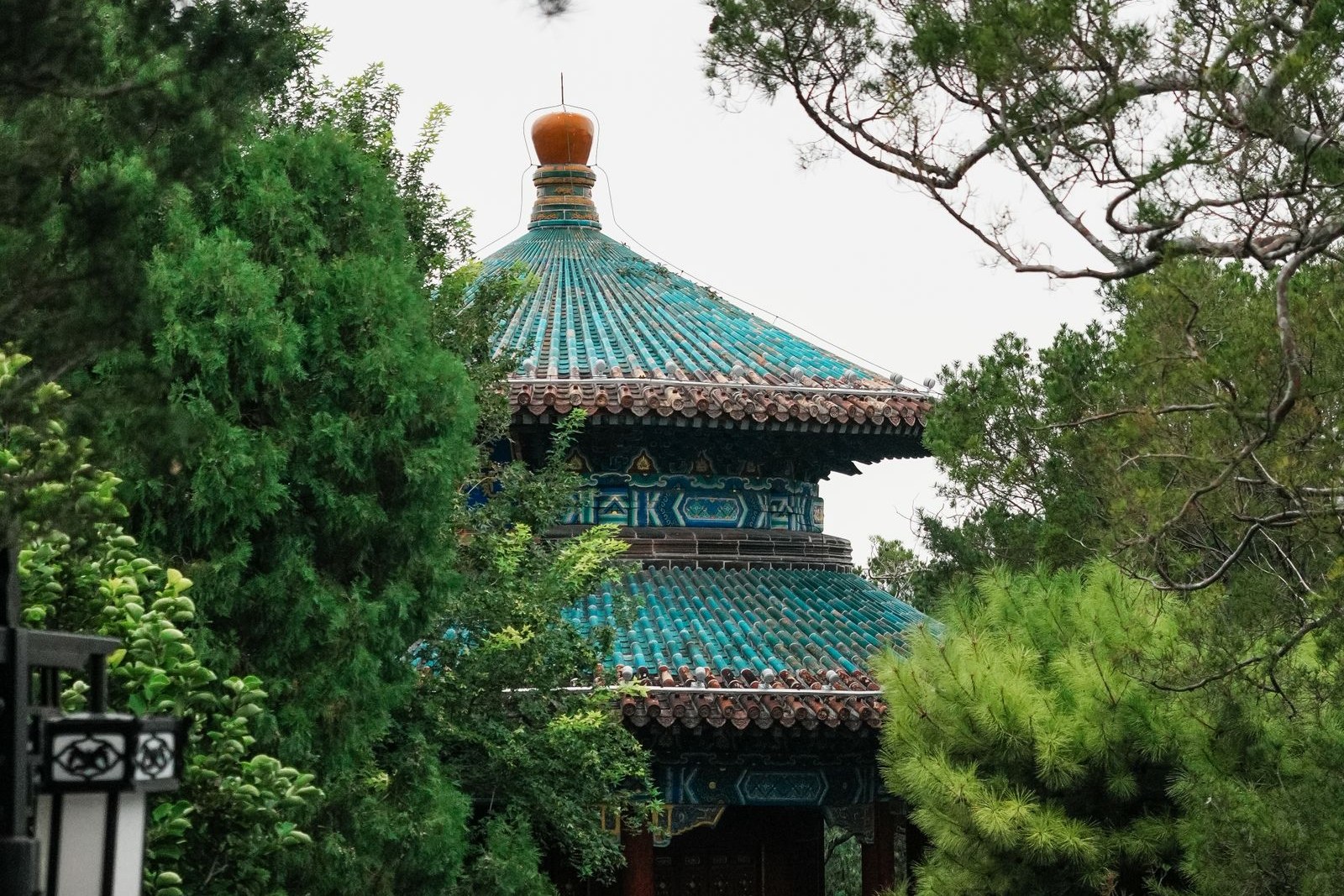
Ninety-six point eight metres above sea level is not a mountain, and 回雁峰 Huíyàn Fēng does not pretend to be. What it is, is the first of the seventy-two peaks of 南岳衡山 Nányuè Héng Shān — the southern sacred mountain — and it is first not by height but by position, standing at the northern end of the range as the mountain’s outermost foothill, right inside the city of 衡阳 Héngyáng. Locals walk up it before breakfast. There is a temple on the top with a history of around fifteen centuries, a four-storey pavilion with a good view of the whole city, a memorial to a philosopher born in the lanes at its foot, and no admission charge at all.
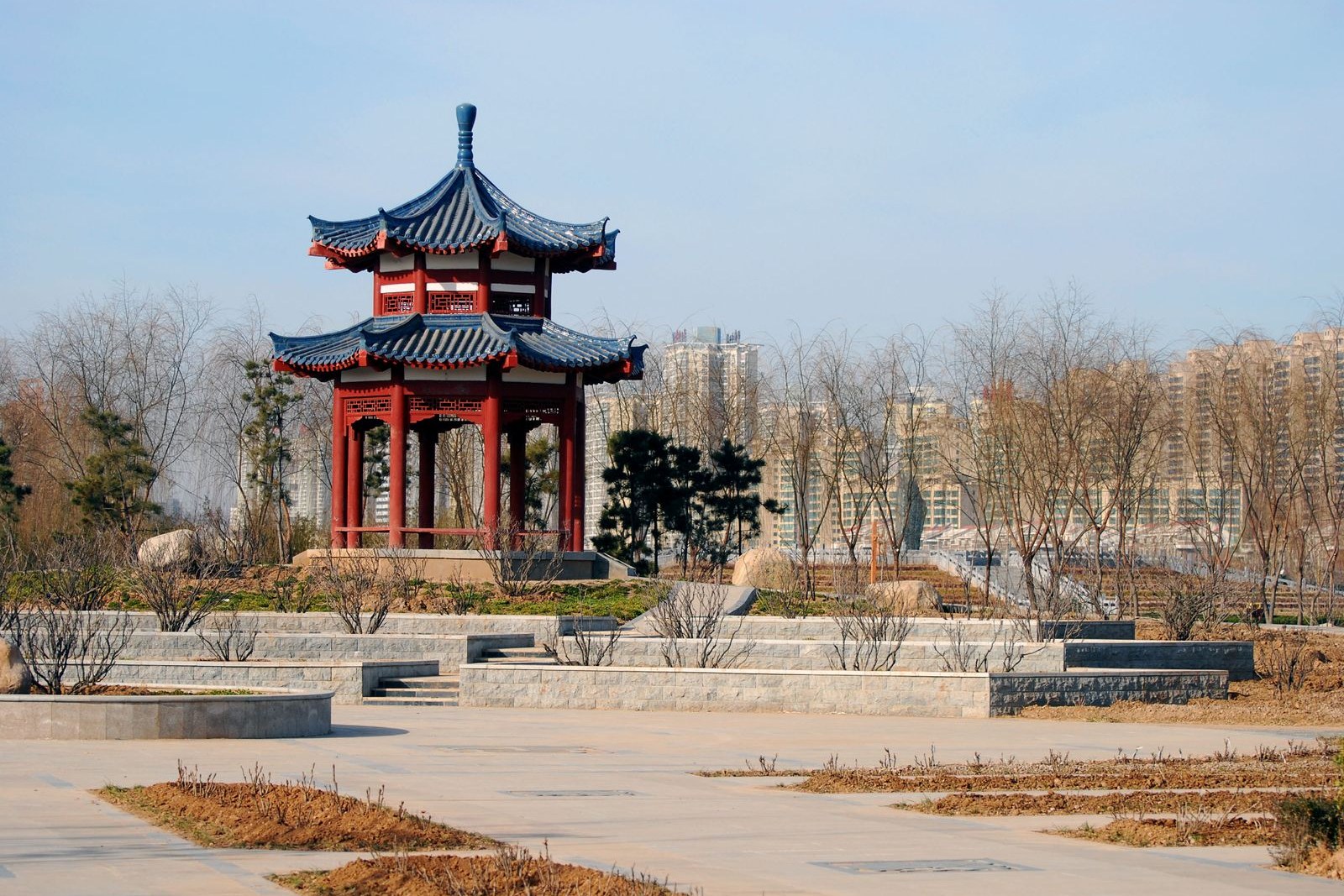
The name is the reason Hengyang is called 雁城 Yànchéng, the City of Wild Geese. The old account is that wild geese flying south for the winter stop here and go no further, turning back when the spring comes — 北雁南飞,至此歇翅停回 — and the other explanation is simpler: the hill’s shape looks like a goose with its neck out. Either way, the bird is everywhere in the city’s self-description, in the sculpture in the square at the north gate, in street names, on the crests of buildings. Two of the classic scenic titles belong to this spot as well: 平沙落雁 píngshā luòyàn, Geese Alighting on the Flat Sands, one of the eight views of the Xiao and Xiang rivers, and 雁峰烟雨 yànfēng yānyǔ, Mist and Rain at Yan Peak, first of the eight views of the old 衡州 Héngzhōu prefecture.
Practicalities
Tickets. The park is free and needs no booking; you simply walk in through the north gate. The only charge is voluntary and small: climbing 回雁阁 Huíyàn Gé, the pavilion at the top, costs around ¥10, and the temple’s incense is bought if you want to buy it rather than required. Parking beside the north gate costs about ¥2 an hour and fills up on holidays.
Opening hours. The park keeps long hours, roughly 07:00 to 19:00, and is at its best in the early morning, when the hill is full of people doing exercises, or in the hour before dusk. The pavilion may close earlier than the grounds. Allow an hour for the short loop and two if you intend to visit the temple and the memorial properly.
Closing day. There is no closing day. The park opens every day of the year, and, being a city park rather than a ticketed attraction, only severe weather closes it.
Getting there. 回雁峰 Huíyàn Fēng is in 雁峰区 Yànfēng Qū, in the middle of 衡阳市 Héngyáng Shì, at the junction of 蒸阳南路 Zhēngyáng Nán Lù and 雁城路 Yànchéng Lù; the north gate faces 大雁 Dàyàn square and the south gate is on 大庆路 Dàqìng Lù. It is a short taxi ride from the riverside hotels and easily reached by city bus from anywhere in the centre. It sits naturally with 石鼓书院 Shígǔ Shūyuàn and 东洲岛 Dōngzhōu Dǎo as a single day on foot, since all three are on or near the west bank within a couple of kilometres.
flowcloud would say that 回雁峰 is a hill that has been talked about far more impressively than it looks, and that this is exactly why it is worth an hour — a place can be famous for a position rather than a height.
Getting there: enter by the north gate, take the paved path up rather than the steps, and look for 雁峰寺 Yànfēng Sì at the summit, which is said to have stood here for more than fifteen hundred years and holds a 寿佛殿 Shòufó Diàn, a hall to the Buddha of Longevity — the link that lets the whole mountain call itself 寿岳 Shòuyuè, the mountain of long life. On the way down, take the south side to the birthplace memorial for 王船山 Wáng Chuánshān, the Ming-to-Qing philosopher 王夫之 Wáng Fūzhī, who was born at 王衙坪 Wángyá Píng immediately below the peak. Climb the pavilion for the view over the river and the city, and go early — it is a working park, not a monument, and the morning crowd is part of what it is.