
Where the Oasis Breathes: Reed Bays and Boardwalks of the Huyanghe Wetland Park
苇岸千秋水,新城一片闲 Wěi’àn qiānqiū shuǐ, xīnchéng yīpiàn xián – Reed banks hold the water of ages; the new city keeps its easy hours
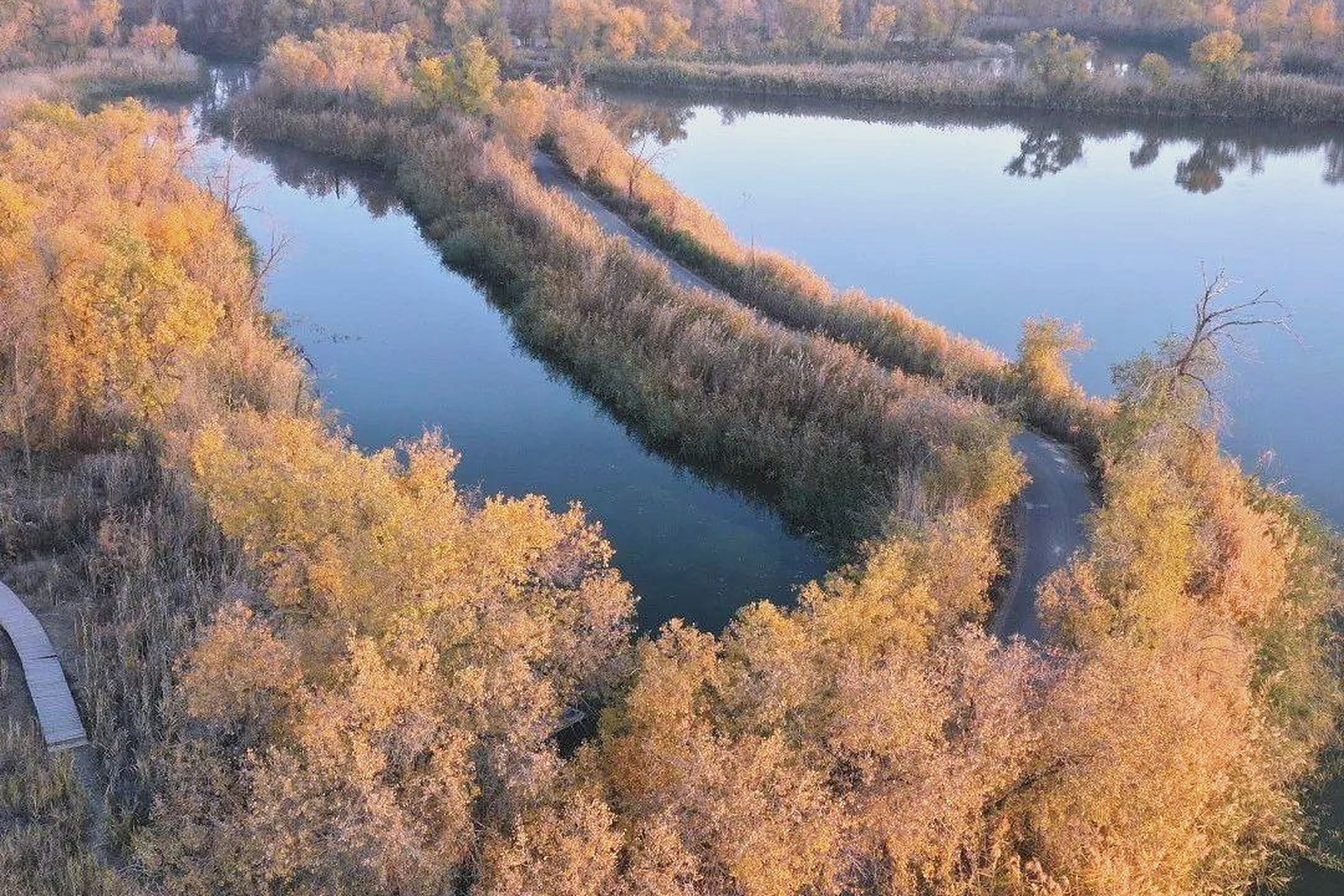
正文:胡杨河湿地公园 Húyáng hé Shīdì Gōngyuán the Huyanghe Wetland Park sits at the edge of 胡杨河市 Húyáng hé Shì Huyanghe City, where the irrigation tailwater of the young Corps city pools into reed bays, managed lagoons and boardwalk loops. The park is the oasis’s working lung: water that has crossed the cotton fields gathers here, clears itself through kilometres of reeds, and passes on to the lower farms – and the birds have claimed the circuit for their own. This is not wilderness scenery but a cultivated wetland in the bingtuan manner, diked, zoned and quietly maintained, which is exactly why the birding is so reliable.
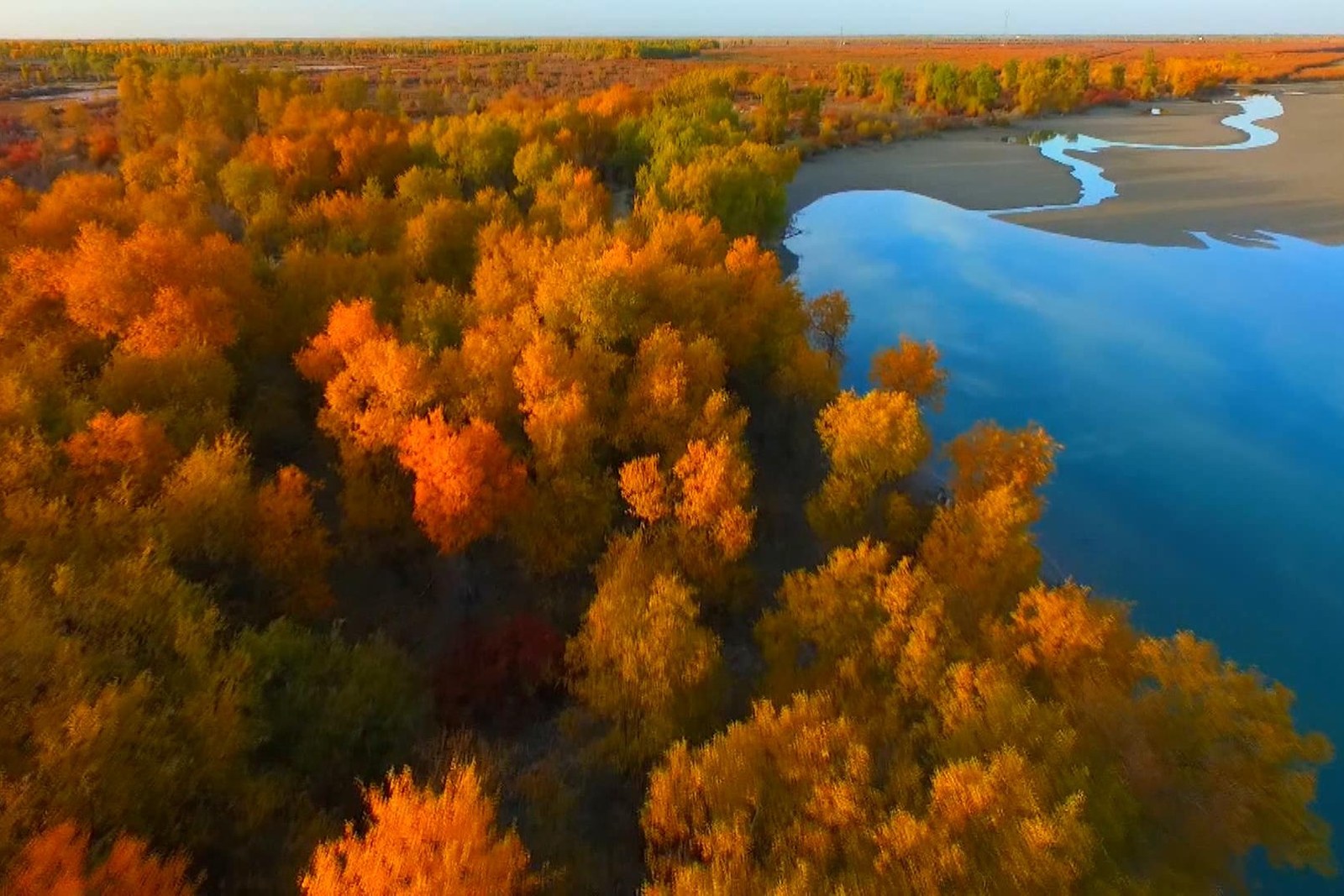
Walk the boardwalk loops and the wetland organizes itself into stages. The outer bays hold the big water – open lanes where coots and ducks raft and harriers quarter the fringes – while the inner reed beds hide the skulkers: bitterns that freeze among the stems, bearded reedlings working the seed heads, water Rails crying from invisible cuts. Boardwalk spurs push onto viewing mounds where the whole system reads at a glance: city skyline behind, poplar shelter belts to the sides, and the reed margin in front holding egrets at every step of the tide of seasons.
The seasons rearrange everything. Spring brings passage waders to the exposed margins and the first reed warblers singing; summer greens the beds into high walls where the broods hide; autumn stacks silver plumes on every head and pours the migrants through; winter half-freezes the lagoons and imports whooper swans to the open pools. Dawn is the professional hour in any season – mist on warm water, the first crossings of coots, the reeds lit sideways in gold – and the flat northern light flatters every lens brought against it.
Practicalities first. The park entrance sits minutes by taxi from the central avenues, and the loops are flat enough for any footwear, though the boardwalks multiply their charm in the early cold months when frost silvers the planks. There is little shade away from the entrance groves, so carry water in the warm season; the birds keep their distance, so bring binoculars rather than breadcrumbs. Feeding is discouraged and the reeds are working infrastructure – the distance that lets the birds keep working is also the distance that makes the photographs clean.
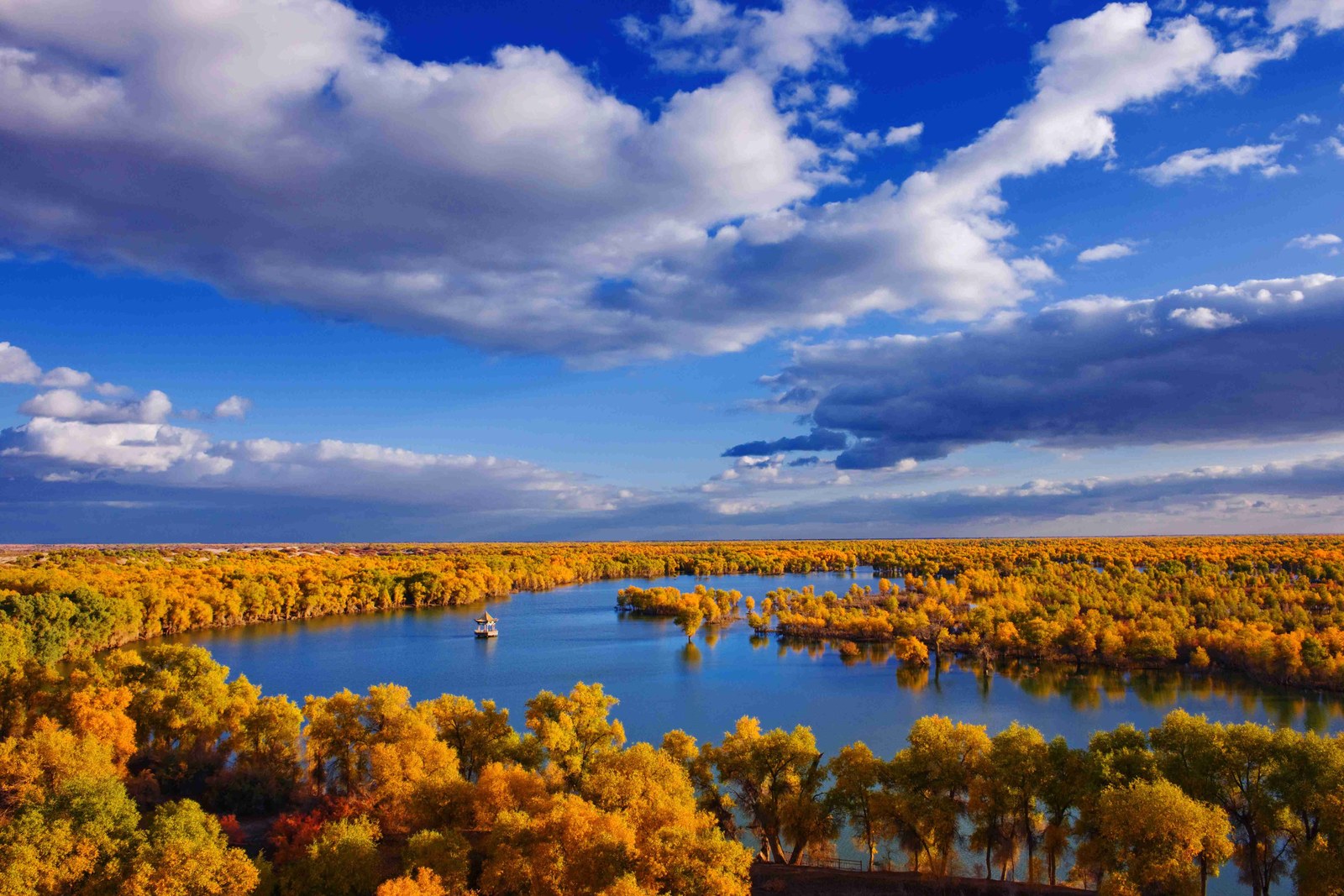
What stays with you is the Civics of it. A city barely old enough to vote has already grown its own wetland, staffed its own bird seasons, and taught its evening strollers to read a grebe from a coot. The reeds clean the water; the water feeds the birds; the birds school the city’s children. Few infrastructure parks anywhere make the loop this gracefully.
Practicalities
Beyond the reeds, the same 胡杨河市 Húyáng hé Shì Huyanghe City keeps more places worth the detour: 戈壁母亲旧居 Gēbì Mǔqīn Jiùjū the Gobi Mother former residence for the Corps’ founding story, 军垦历史陈列馆 Jūnkěn Lìshǐ Chénlièguǎn the reclamation history hall, 胡杨林景区 Húyáng Lín Jǐngqū the Huyang Forest scenic stands for October gold, or 城市公园 Chéngshì Gōngyuán the central city park for the evening fountains – four more doors into the same 胡杨河市 Húyáng hé Shì Huyanghe City. Once the wetland is walked, our Huyanghe food map fills the day.
Practicalities
Words and Names
flowcloud would say the wetland park is the oasis breathing out loud: irrigation water turning itself clean through kilometres of reeds while egrets audit the margins – a young city’s most mature idea, walked in an hour and remembered all season. All checked November 2026.
Getting there: The wetland park sits at the edge of the planned city, minutes by taxi from the central avenues; the boardwalk loops are flat and the bird blinds sit a short walk from the parking. Dawn is the birding hour. All checked November 2026.