
There is one honest way into 重庆江北国际机场 T3, and it is a boarding pass. No official source describes a public viewing route, an observation deck or a visitor ticket at Chongqing Jiangbei International Airport, and this page does not pretend otherwise: what can be verified is that the terminal’s post-security concourses are open to passengers, and that a few places inside them are worth the trip. So the question is not whether to visit but how to build a flight around a visit. The airport stands 21 kilometres north-east of the city centre in the former 渝北区 Yùběi Qū, Yubei, now the northern part of Liangjiang New Area, Chongqing, a municipality of southwest China, and it has run since 22 January 1990. Terminal 3 is the newest of its three halls.
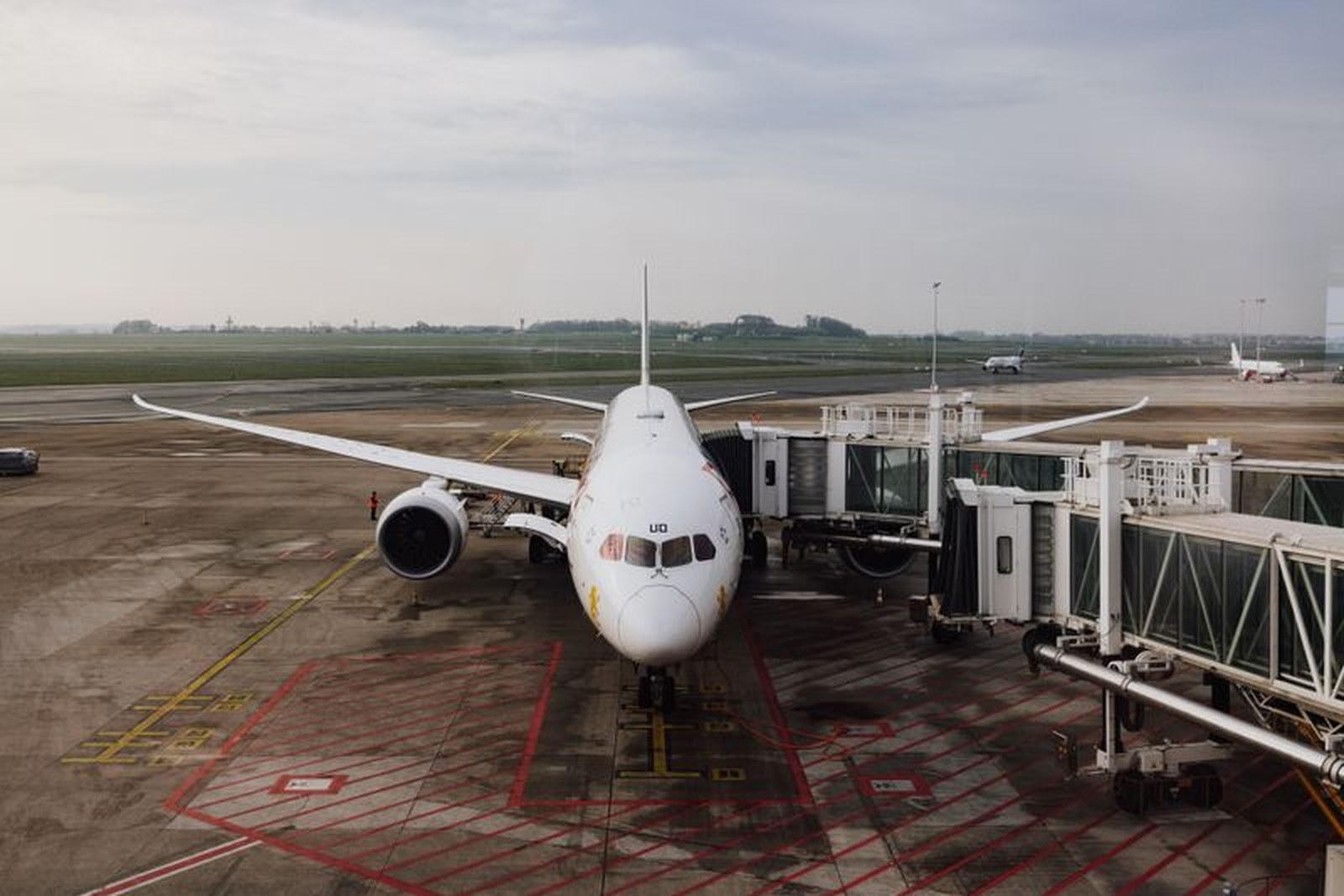
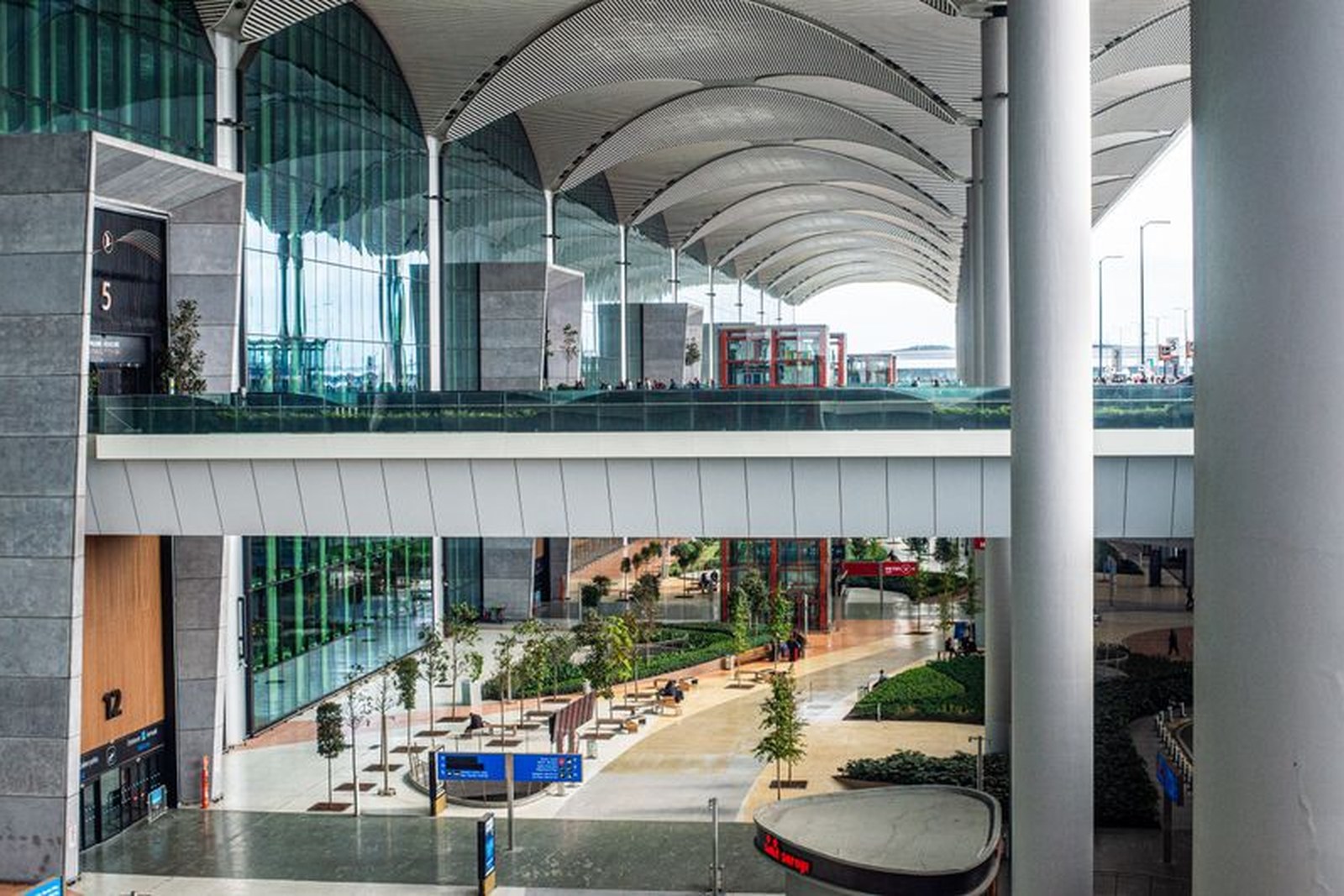
Terminal 3 is 537,000 square metres, a little over half of the 737,000 the airport’s three terminals share, and the plan is an H wrapped around a central hall with four piers lettered A, B, C and D. It stands 48 metres tall, 1,060 metres north to south by 750 east to west, and construction started in August 2012. It went into service at 06:00 on 29 August 2017, in the same six hours Terminal 1 closed; the municipal transport commission instead dates its formal entry into operation to August 2018, and both wordings are official. The skin is 150,000 square metres of curtain wall, of which about 75,000 is cable-supported and the largest such system in Asia, and inside it film-faced metal panels stand in for bamboo and timber.
Inside, past security, the third floor is where the reasons to fly early appear. Two installations are the ones people mention: a phoenix assembled from more than three thousand camellia blossoms, the city’s own flower, with turbine vanes set into its wings, and beside it a sculpture cut from the city’s yellow flame tree, while a cultural scroll more than fifty metres long runs along the level. At the far end of the J and M gate areas there is an outdoor platform looking out over the apron, which is the single reason anybody brings a long lens here. One caution about the map: visitor accounts attach these installations to the block usually labelled T3B, while the airport’s own descriptions do not, so treat the pier lettering as uncertain.
The traffic explains the room. In 2023 the airport handled 44.657 million passengers, sixth in the country, on a 4F field with three runways of 3,200, 3,600 and 3,800 metres, and in the 2017 ACI survey it was named the best airport in the Asia-Pacific tier of 25 to 40 million passengers. Getting in is simple: Line 10 runs straight to the T3 terminal station and to a separate T2 station that interchanges with Line 3, and a free shuttle runs between the two halls in about twenty minutes. A further hall, T3B, and a fourth runway began construction on 25 November 2020; their status is not settled in these sources, and nothing here claims either is open.
Practicalities
Tickets. There is no ticket to buy, and nothing to buy it with. No official source sets out a public viewing route, an observation deck or a visitor admission for the airport, so what follows is a list of costs you already knew you had: a flight, and time. Access is a passenger’s right of passage on a booked flight, which is why everything described here is airside photography, past security and inside the concourse. If you are not flying out of CKG, the honest answer is that you will not see this building.
Opening hours. There are no visiting hours, because there is no visitor gate. What sets the window is the flight schedule: the concourses open ahead of the day’s first departures and close after the last arrival, and the retail and food floors keep their own hours inside that span, all of them published by the airline and the airport rather than by this page. Check on the morning that your gate’s posting is right, since the J and M platforms sit at the far end of a pier and boarding closes well before departure.
Closing day. There is no weekly closing day, and saying so plainly is the point: this is an airport rather than a museum, and the airside ring runs every day of the week including public holidays. What closes on a schedule is the building, once the last flight has landed and the security lanes are stood down. The irregular closures are the ones to allow for, because a pier can be shut for maintenance and a renovation can put hoardings across a sightline.
Getting there. Line 10 runs directly to the T3 terminal station, which is the shortest possible approach, since you come up out of the ground under the building rather than to a kerbside. The separate T2 station interchanges with Line 3 if you want both halls, and the free shuttle between the two takes about twenty minutes. From the airport district the terminal is also reached by road along 双龙大道 Shuānglóng Dàdào, or on Line 10 from 渝北广场 Yúběi Guǎngchǎng and 鹿山 Lùshān. Check the operating status of both lines and of the shuttle on the day (checked October 2026, subject to change).
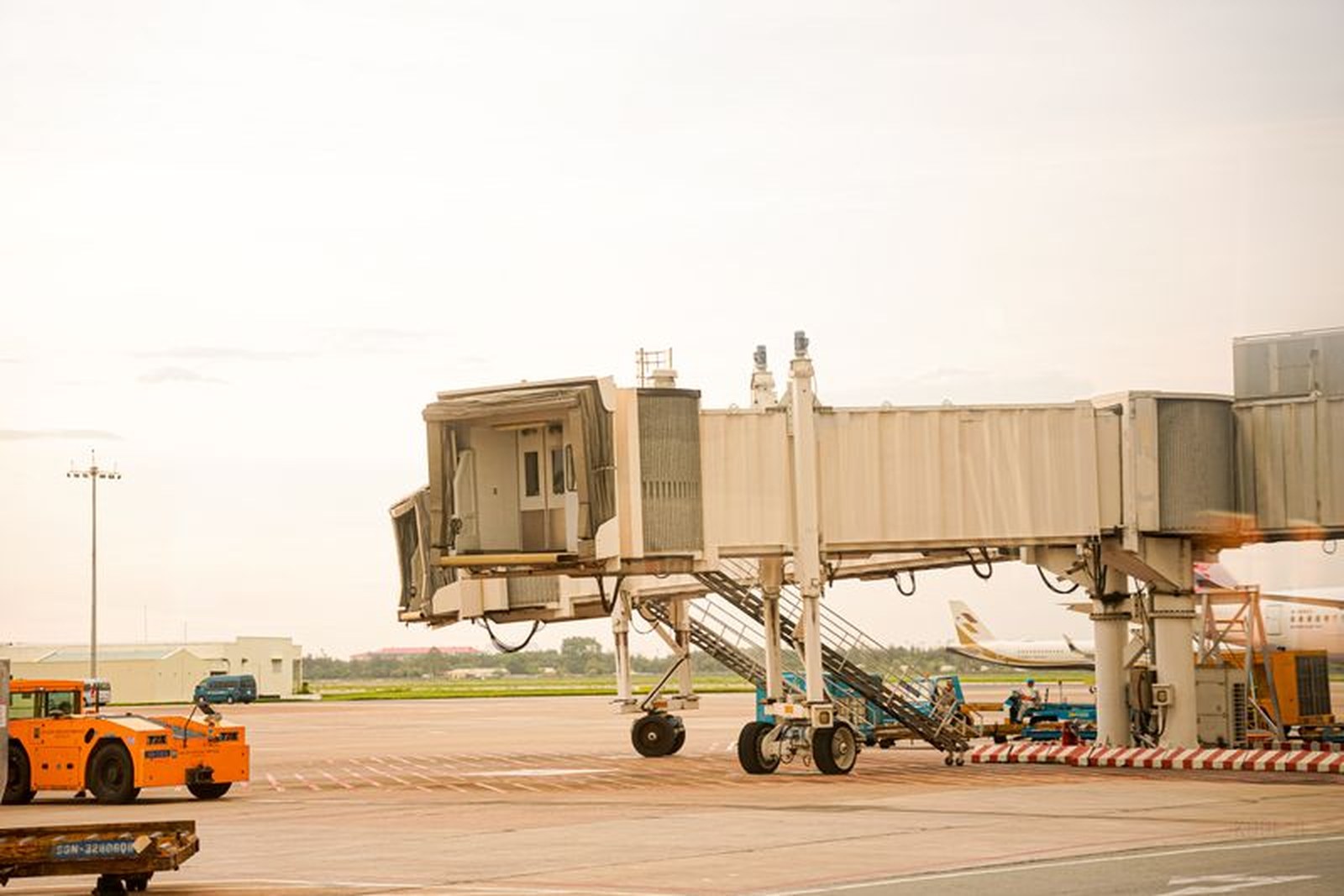
flowcloud would say that Terminal 3 is the rare piece of architecture in Chongqing whose best view requires a boarding pass rather than a ticket, and that the advice here is a timing problem rather than an entry problem: a long layover, the concourse walked end to end, and the far end of the J and M piers kept for last.
Getting there: the T3 concourse of 重庆江北国际机场 Chóngqìng Jiāngběi Gōnjīchǎng, Chongqing Jiangbei International Airport, stands 21 kilometres north-east of the city centre in Yubei, the former 渝北区 Yùběi Qū and now the northern part of Liangjiang New Area, Chongqing, a municipality of southwest China; the terminal went into service at 06:00 on 29 August 2017, the morning Terminal 1 closed, with the transport commission dating its formal entry into operation to August 2018. It is 537,000 square metres in an H around a central E hall with four piers, 48 metres tall, wrapped in 150,000 square metres of curtain wall of which about 75,000 is cable-supported, the largest such system in Asia, and the airport handled 44.657 million passengers in 2023, sixth in the country. There is no ticket, no viewing route and no visitor gate: everything here is airside and reached on a boarding pass. Line 10 runs to the T3 station directly (checked October 2026, subject to change).