
Jiaozhuanghu Tunnel Warfare Site: The Village That Fought from Underground, the “People’s First Fortress” and a National Key Heritage Site in Shunyi District, Beijing
地道蜿蜒连四野,灶底幽深藏乾坤。Dìdào wānyán lián sì yě, zào dǐ yōushēn cáng qiánkūn – The tunnels wind out to link the fields on every side; deep beneath the hearths a hidden world lies stored.
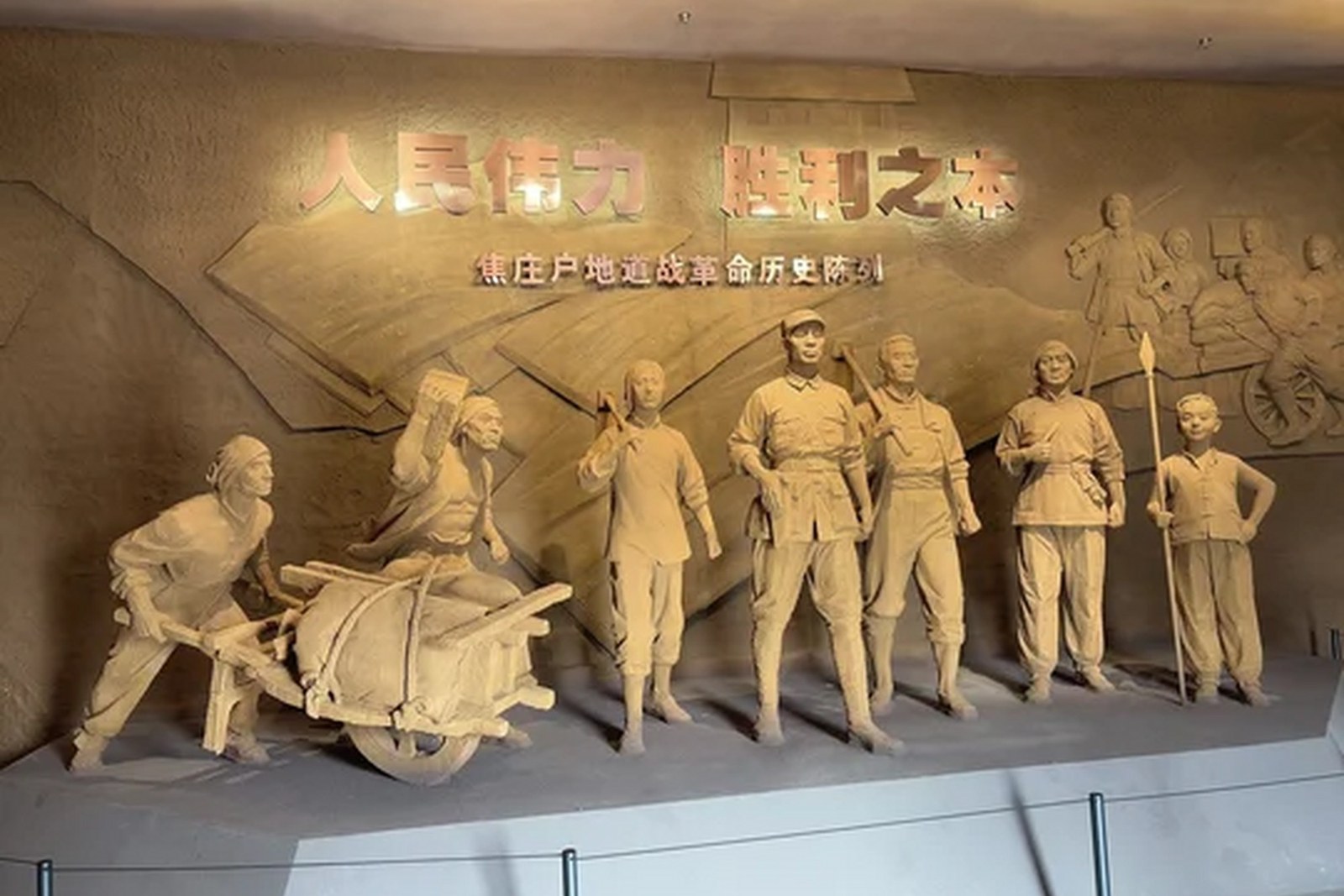
焦庄户地道战遗址 Jiāozhuānghù Dìdàozhàn Yízhǐ the Jiaozhuanghu Tunnel Warfare Site is not a war museum built after the fact — it is, plainly put, the weapon itself, left in the ground: a courtyard village at 龙湾屯镇 Lóngwāntún Zhèn Longwantun town in the wooded foothill country of north-eastern 顺义区 Shùnyì Qū, where during the 抗日战争 Kàngrì Zhànzhēng War of Resistance the villagers turned their homes into an underground defence, beginning with hiding pits in 1943 and deepening them into fighting tunnels — connected galleries fitted with 翻板 fānbǎn flip-trapdoors, 射击孔 shèjīkǒng shooting ports and lookout holes, and entrances disguised under 灶台 zàotái hearths, wells, troughs and water vats. By the war’s end the digging is reported at some twenty-three li — on the order of eleven kilometres — reaching out under the fields to neighbouring villages, and the village’s stubborn defence earned it the period honour of 人民第一堡垒 rénmín dì yī bǎolěi, “the people’s first fortress”. The site now stands on the national list of key protected cultural relics, and its memorial museum has told the story since the mid-1960s through photographs, weapons and a sand-table of the network. A restored stretch reported at several hundred metres is open to walk today — crouched, lamp-lit and cool — so what you actually visit is a plain farm village with a wartime nervous system still running under the floor.
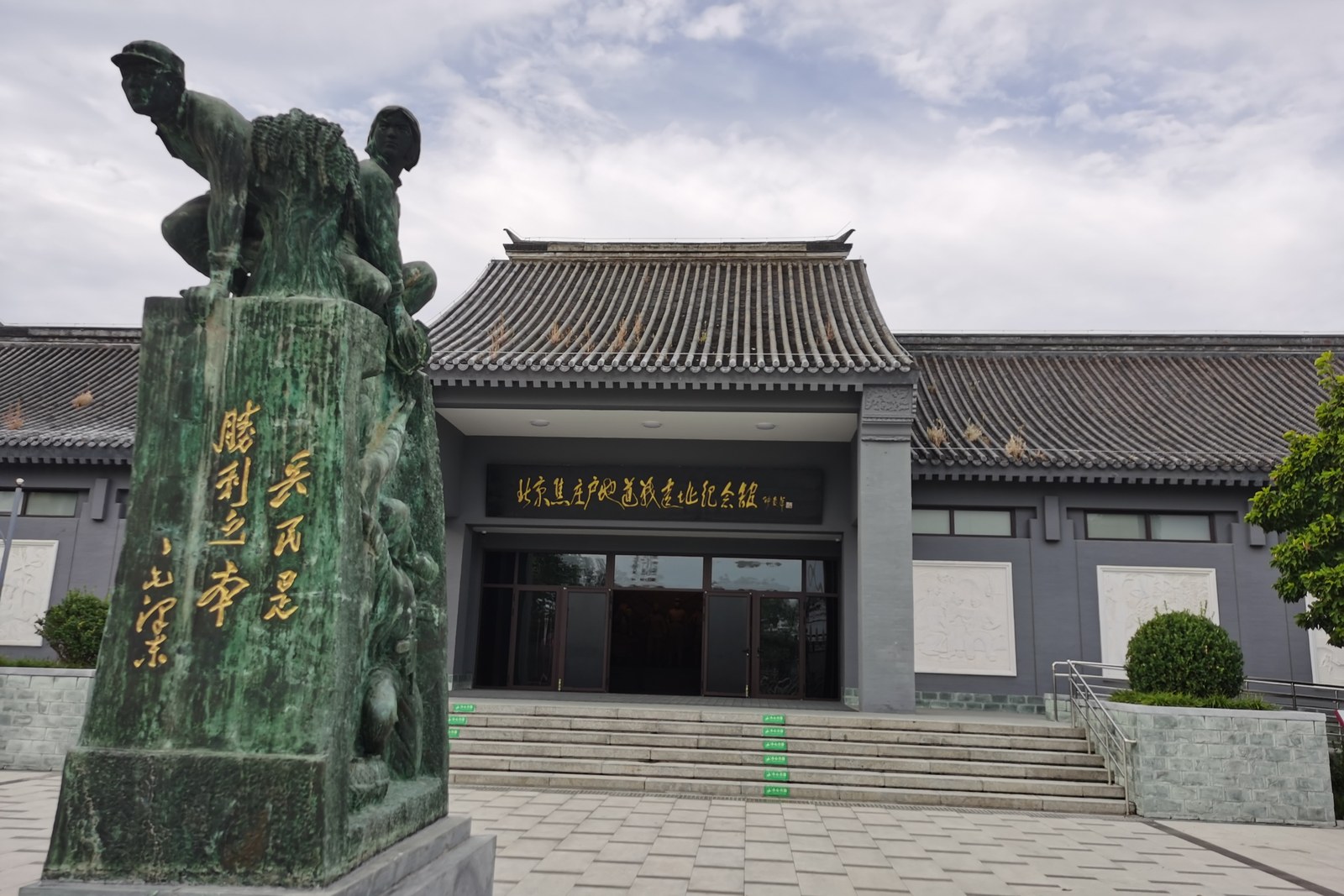
Call it honestly: this is an hour or two of sober looking, best folded into a foothills day. Admission has been free in recent years with reservation through official channels, and closing days follow the museum pattern (worth confirming the details for current booking rules, hours and guided-tunnel times). The tunnel walk is crouched, dim and occasionally tight: fine for most adults, wrong for bad knees, very small children and anyone claustrophobic, and chilly in winter. The above-ground exhibits are village-scale — photographs, weapons, the odd uniform — honest about a hard rural war rather than staged for spectacle. Pair the site with a slow drive along the nearby 舞彩浅山 Wǔcǎi Qiǎnshān foothill roads and a farmhouse lunch, and give the whole outing half a day.
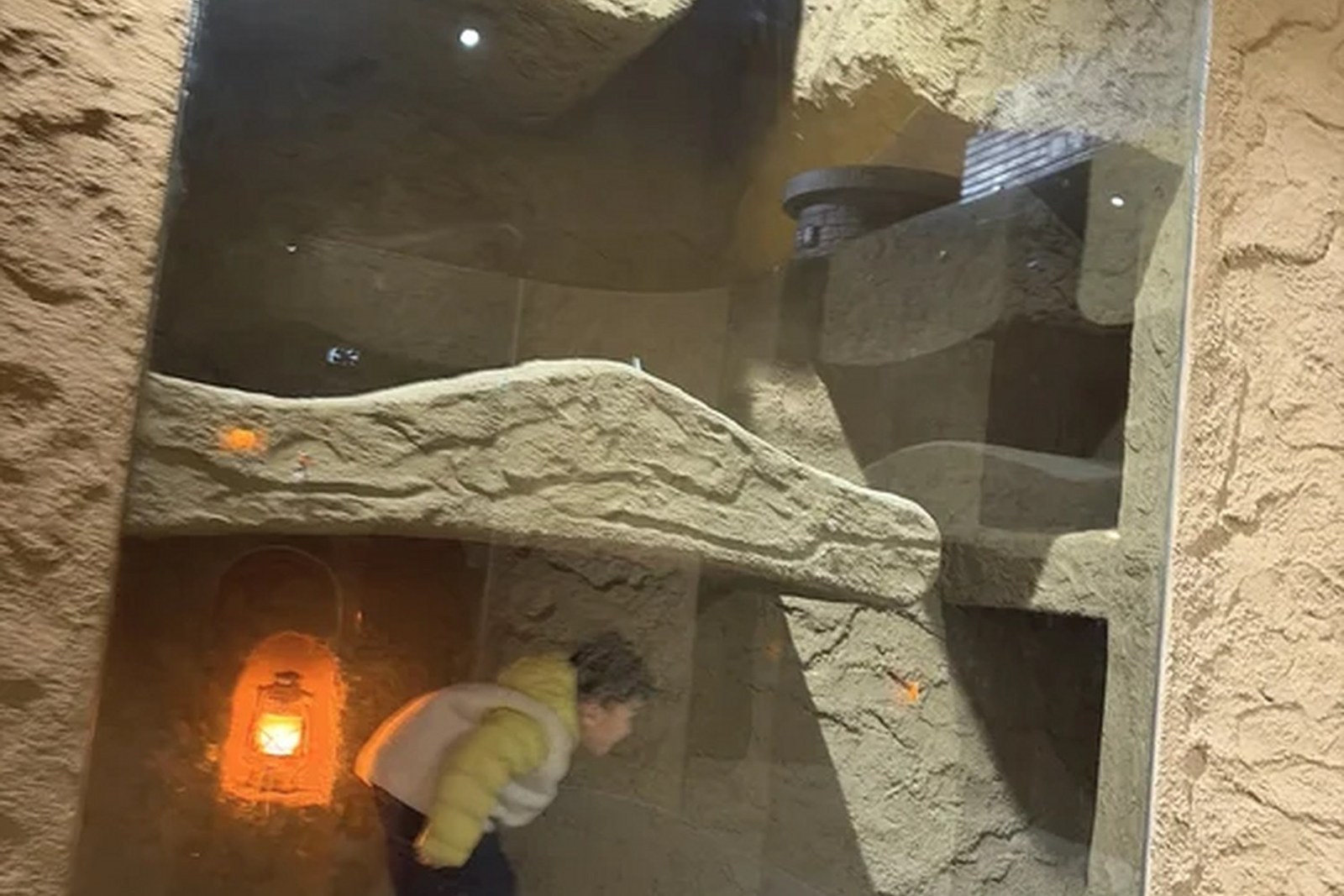
The honest star is the tunnel itself — the bend where a sleeping platform doubles as an ambush corner, the stove whose pot lifts on a hinge, the well-mouth that breathes cold air into the gallery — not the display boards. What gets oversold is the war-film glamour: this was hunger, fear and village improvisation against a brutal occupation, and the site’s very plainness is part of its honesty (worth confirming the details for which tunnel sections and halls are open on your day). What repays the effort is small and specific: the map showing how three villages joined hands underground, the clay worn smooth by generations of hands on the ladder rungs, the view from the village edge to the low wooded hills that gave the fighters cover. Come for the layering of the place: courtyard, then tunnel, then hills.
The self-aware postscript: I came up out of the tunnel exit blinking into the sunlight of a farmhouse yard where an old woman was stringing beans, and when I fumbled for words about her village she said, “we walk visitors through it so that nobody ever has to use it again — that is the whole memorial”. That is the visit in miniature. 焦庄户地道战遗址 Jiāozhuānghù Dìdàozhàn Yízhǐ suits whoever treats it as an hour of sober looking first and a foothills drive second — courtyard, tunnel, hill road, farm table — and exhausts anyone expecting a grand city museum with armies of exhibits. Everything else on this Shunyi list lies within an easy drive: the Olympic straight of 奥林匹克水上公园 Àolínpǐkè Shuǐshàng Gōngyuán to the south-west, the reed marsh of 汉石桥湿地 Hànshíqiáo Shīdì to the south, the butterflies of 七彩蝶园 Qīcǎi Diéyuán to the west, and the flower calendar of 北京国际鲜花港 Běijīng Guójì Xiānhuāgǎng to the south-east — all in the same 顺义区 Shùnyì Qū that keeps both a water stage and an underground one.
Practicalities
- Rating: ★★★★★ — a national key protected site and one of the capital’s most absorbing war memorials; the crouch-walk tunnel and the hearth-mouth entrances outrank the display cases; go on a weekday, book ahead, and take your time.
- Tickets: Admission has been free in recent years with reservation through official channels; closing days follow the museum calendar (worth confirming the details for current booking, hours and guided-tunnel times).
- Address: 焦庄户地道战遗址 Jiāozhuānghù Dìdàozhàn Yízhǐ, 焦庄户村 Jiāozhuānghù Cūn, 龙湾屯镇 Lóngwāntún Zhèn, north-eastern 顺义区 Shùnyì Qū, Beijing.
- Time needed: An hour or two for the museum and the tunnel walk; half a day adding the 舞彩浅山 Wǔcǎi Qiǎnshān foothill roads and a village lunch, with autumn the prettiest season.
Words and Names
焦庄户地道战遗址 Jiāozhuānghù Dìdàozhàn Yízhǐ Jiaozhuanghu Tunnel Warfare Site · the village-and-tunnel memorial of north-eastern Shunyi 地道 dìdào tunnel · the underground network itself, reported at twenty-three li by the war’s end 人民第一堡垒 rénmín dì yī bǎolěi the people’s first fortress · the honour the village earned in the resistance years 翻板 fānbǎn flip-trap · the trapdoor defence that could drop an intruder short 射击孔 shèjīkǒng shooting port · the wall-eyes that let defenders fire from cover 灶台 zàotái hearth · the village kitchen that doubled as a tunnel mouth 龙湾屯镇 Lóngwāntún Zhèn Longwantun town · the foothill township that keeps the site 舞彩浅山 Wǔcǎi Qiǎnshān the colourful foothills · the low wooded country now strung with driving and walking routes
flowcloud would say that 焦庄户地道战遗址 Jiāozhuānghù Dìdàozhàn Yízhǐ is a war memorial you walk through rather than look at — a village in 龙湾屯镇 Lóngwāntún Zhèn whose 1943 hiding pits grew into a reported twenty-three li of fighting tunnels reaching neighbouring villages, the 人民第一堡垒 rénmín dì yī bǎolěi honour, a national-listed site whose museum has kept the story since the mid-1960s, and a restored crouch-walk stretch of several hundred metres under the farmyards — and that the honest move is a weekday visit booked ahead, because reservation rules, closing days and open tunnel sections all rotate (worth confirming the details), the war-film glamour is the poster half and the cold clay under the hearth is the real half, and the village repays whoever bends low and reads slowly while losing anyone expecting fireworks. All checked October 2026.
Getting there: Suburban buses from 东直门 Dōngzhímén — reported services such as the 970 with a change onto a local Shunyi route like the 顺 25 Shùn 25 — run northeast toward 龙湾屯镇 Lóngwāntún Zhèn Longwantun town, roughly thirty kilometres out of the district seat; self-drive follows 京密路 Jīnmì Lù onto the northern country roads and parks at the memorial’s village lot (worth confirming the details for current bus numbers, transfers and site opening days). All checked October 2026.