
揭阳学宫 Jiē yáng xué gōng is the Confucian temple of 榕城区 Róng chéng qū in 揭阳市 Jiē yáng shì, and it is the largest, best equipped and best preserved group of its kind in 岭南 Lǐng nán – the phrase the provincial and municipal write-ups use, along with the honorific 粤东古建筑明珠 yuè dōng gǔ jiàn zhù míng zhū, the bright pearl of eastern Guangdong’s old architecture. It was founded in the tenth year of the 绍兴 Shào xīng reign of the Southern 宋 Sòng, which is 1140, and rebuilt on a large scale in the second year of the 光绪 Guāng xù reign of the Qing, which is 1876, so almost everything standing has been standing since the 1870s. The group occupies about 16,000 square metres and is made up of twenty-one separate structures on a raised platform, laid out in what the architectural description calls 三路五进 sān lù wǔ jìn – three routes and five successive courtyards – with the whole composition symmetrical left and right, red walls and yellow tile, and the upturned corner eaves of the southern Chinese hall.
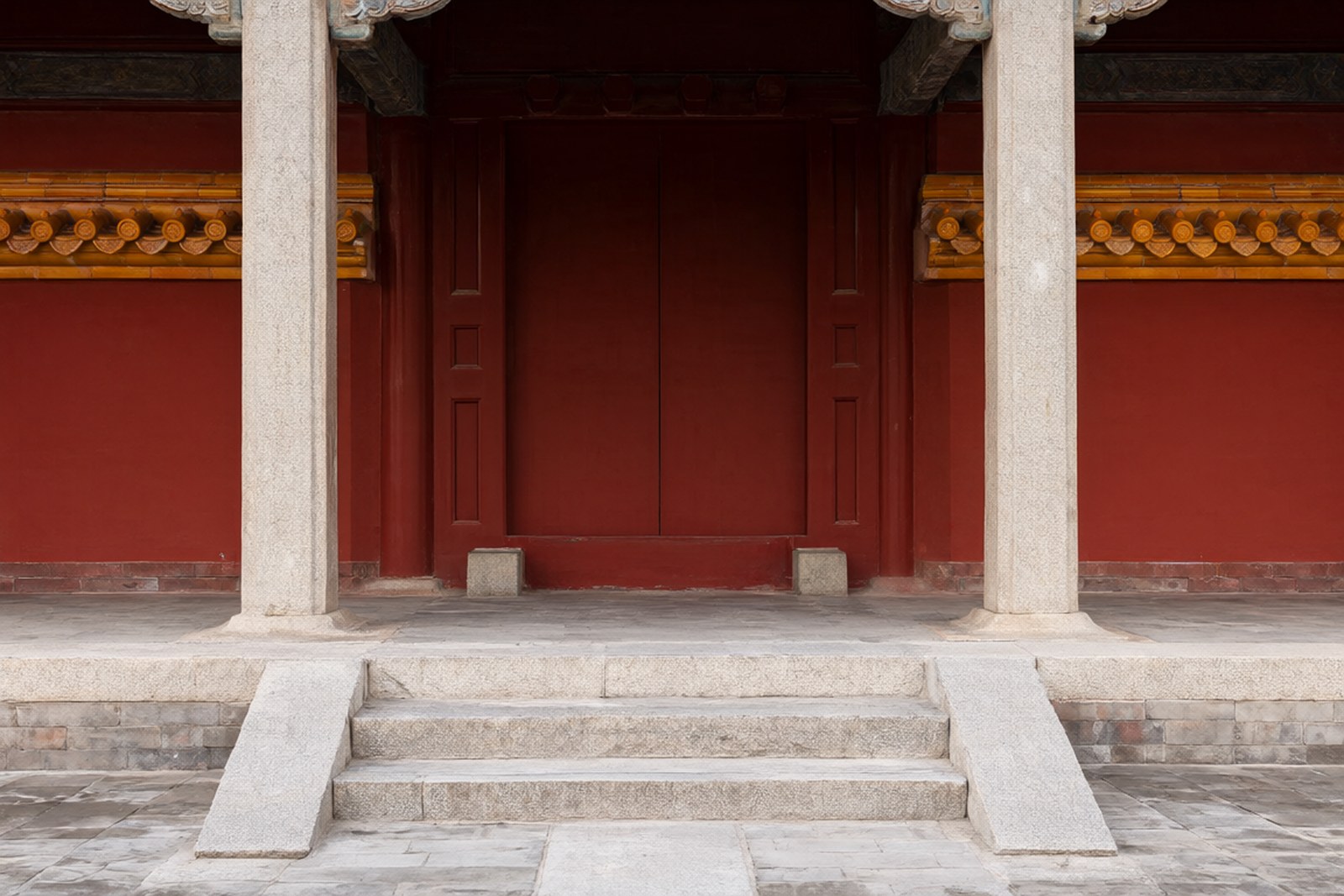
The buildings run in a line and each of them is dated. The 照壁 zhào bì, the screen wall that closes the axis at the front, went up in the fourteenth year of 嘉靖 Jiā jìng, 1535. The 棂星门 líng xīng mén, the star gate through which the spirit of Confucius is said to pass, and the 泮池 pàn chí, the half-moon pool that a scholar’s establishment was expected to have opposite its gate, are both from the fifth year of 正统 Zhèng tǒng, 1440, and the 泮桥 crosses the pool between them. Behind the 大成门 dà chéng mén the courtyard opens out with the 东庑 dōng wǔ and 西庑 xī wǔ, the eastern and western side galleries, and then the 大成殿 dà chéng diàn, the hall of great achievement, with the 崇圣祠 chóng shèng cí behind it. The hall carries the boards granted by emperors over the centuries – 万世师表 wàn shì shī biǎo, model teacher for ten thousand generations; 生民未有 shēng mín wèi yǒu, since the birth of the people there has been none like him; 圣集大成 shèng jí dà chéng, the sage in whom all attainments meet; and 与天地共参 yǔ tiān dì gòng cān, a participant with heaven and earth. The main statue is Confucius; 复圣颜子 Yán zǐ and 宗圣曾子 Zēng zǐ stand to his left, 述圣子思子 Zǐ sī zǐ and 亚圣孟子 Mèng zǐ to his right, and twelve figures of the earlier sages line the front of the hall on both sides.
The ornament is where the building stops being a plan and becomes a 潮州 Cháo zhōu object. Along the ridges there are 嵌瓷 qiàn cí, the mosaic of broken and cut porcelain fitted together into figures of birds, flowers and opera scenes, which survives sun and salt air better than paint and which is the reason the roofline reads as a picture and not as a line. Between the beams and columns there is 潮州木雕 Cháo zhōu mù diāo, Chaozhou wood carving, cut through the panel rather than laid on it, so the light comes through the openwork and the subject – a pavilion, a leaping fish, a branch – is legible from the courtyard. The 揭阳 poet 东篱香 Dōng lí xiāng wrote a lyric to the tune 江城子 jiāng chéng zǐ about the place, and one line of it has stayed attached to the temple: 海滨邹鲁称名邦 hǎi bīn zōu lǔ chēng míng bāng – a famous district by the sea that people call the Zou and Lu of the coast, after the home states of Mencius and Confucius. That is the claim the building is making, and it was making it in 1140 in a town on the far southern edge of the empire.
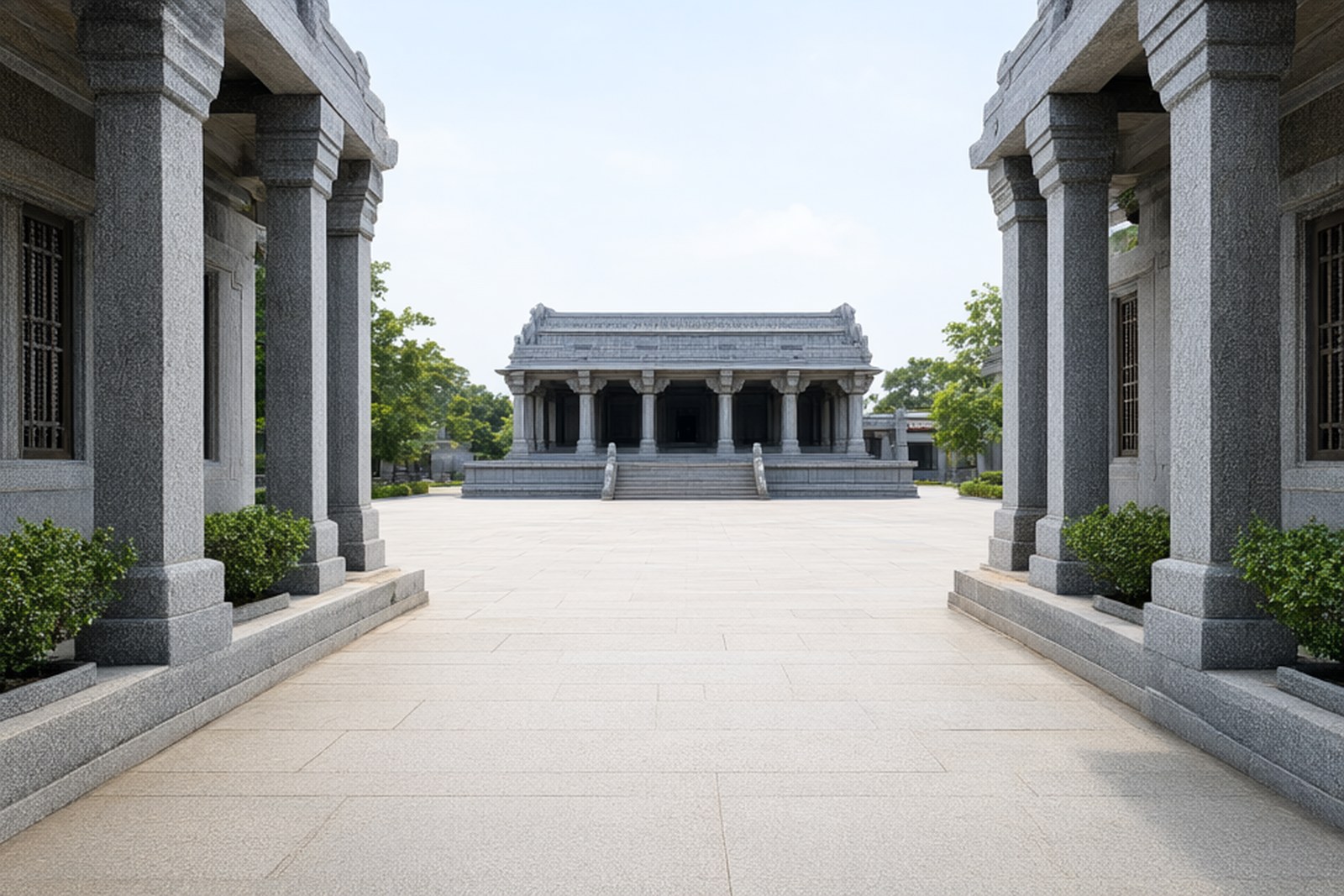
The 学宫 is a national key cultural relic, but the thing that pulls people through the gate is not its Confucian furniture – it is a period of three years in the 1920s, and the exhibition inside the back hall is built around it. 周恩来 Zhōu Ēn lái came here three times. The first was in March 1925, during the first eastern expedition, when he met 江明衿 Jiāng Míng jīn and other student and public representatives in the temple and told them to build up the party and the youth league, to work especially among workers and peasants, and to bring their more developed members into the 国民党 Guó mín dǎng in order to widen the base of the revolution. The second was in November 1925, in the second eastern expedition, when he was director of the general political department of the expeditionary army: he entered 揭阳 on 3 November at the head of the first division and stayed in the 崇圣祠, the hall of the revered sages, and that same evening met the representatives of the workers, peasants, merchants and students in the nearby 商民协会楼 shāng mín xié huì lóu and spoke to a crowd in the square in front of it on the purpose of the national revolution and the meaning of the Three Principles. That month the first party branch of 揭阳县 Jiē yáng xiàn was established in the 大成殿, and he chaired a political department meeting in the same temple that passed two resolutions, one on political work in places the army passed through and one on setting up a field hospital. The third was in September 1927, when the 南昌 Nán chāng uprising troops came into 揭阳 and the headquarters staff, Zhou with 贺龙 Hè Lóng and 叶挺 Yè Tǐng, moved into the 崇圣祠; under his guidance the first local red government, the 揭阳县工农革命委员会 jiē yáng xiàn gōng nóng gé mìng wěi yuán huì, was founded in the 大成殿. The listing history is unusually specific and worth knowing, because it explains what the site calls itself. On 20 March 1957 the Guangdong provincial people’s committee made it one of the first batch of provincial protected units; in 1978 it was re-approved and given the name 周恩来同志革命活动旧址 Zhōu Ēn lái tóng zhì gé mìng huó dòng jiù zhǐ, the former site of Comrade Zhou Enlai’s revolutionary activities, which makes it the only key cultural relic in the province named that way; and on 5 March 2013 the State Council listed it as a 全国重点文物保护单位 quán guó zhòng diǎn wén wù bǎo hù dān wèi, a national key cultural relic. It is also in the province’s first batch of patriotic education bases and of defence education bases. The 崇圣祠 has been turned into the 周恩来同志革命活动展览馆, the exhibition hall, with a statue of him inside, and in front of the hall the ground still holds a crater left by Japanese aircraft bombing the town – kept, deliberately, as part of the exhibit rather than filled in.
Practicalities
Tickets. Free. The temple is a public cultural institution with no admission charge and no booking system that anybody enforces, which makes it the cheapest good hour in the prefecture and one of the reasons it fills up on Sunday mornings with families and school groups.
Opening hours. Generally 09:00 to 17:00, closed Mondays, which is the standard week for a Chinese museum and the hour to check before setting out, because it is occasionally shut for maintenance or for a reception and there is no branch office to telephone.
Getting there. The temple is in 榕城区 Róng chéng qū, the old town of 揭阳市, on 韩祠路 hán cí lù, and it is a walk from 进贤门 jìn xiān mén on the edge of the shopping district; the 城隍庙 chéng huáng miào, the 双峰寺 shuāng fēng sì, the arcades of 中山路 zhōng shān lù and the 学宫 all sit within the same few blocks of old streets, so the sensible way to do this is on foot in a morning rather than by car between them.
Closing day. This is the one attraction in the prefecture with a weekly closing day: Monday, when the halls and the exhibition are shut. Public holidays run to the ordinary Chinese museum rule, which is that a holiday falling on a Monday usually opens the site instead of closing it, and the courtyard in front is open ground in any case, so an arrival on the wrong day is a walk round the outside rather than nothing at all.
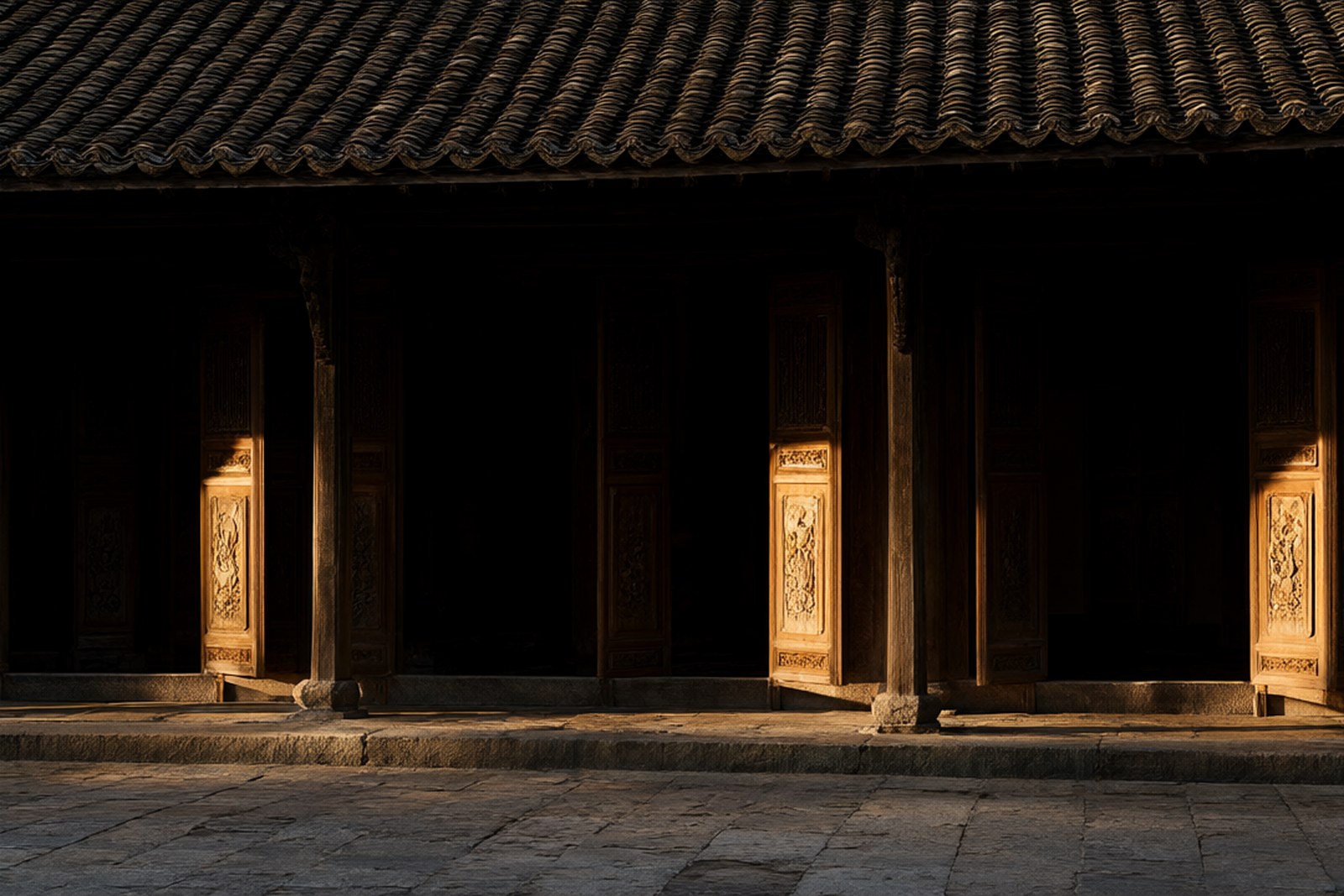
flowcloud would say that a temple built by a county in 1140 to announce to the far south that it knew what a scholar was, and then used in 1925 and 1927 as an office by people who intended to abolish the world it belonged to, is a building that has already been asked every interesting question and is still standing to be asked more.
Getting there: 揭阳学宫 is on 韩祠路 hán cí lù in 榕城区, the old town of 揭阳市, a few minutes on foot from 进贤门 jìn xiān mén and the shopping district, in the same block of old streets as the 城隍庙 and the 双峰寺; 揭阳站 and the 厦深 Xià shēn high-speed stations are south-east of the centre and 揭阳潮汕国际机场 Jiē yáng cháo shàn guó jì jī chǎng is about forty minutes out at 登岗镇, and from any of them the last leg is a taxi into the old town, since the streets here are too narrow and too one-way to be worth driving into.