
金刀峡 Jīndāoxiá, Jindaoxia, is a karst gorge, and the district describes it in four words – 峡险 xiáxiǎn, the pass is dangerous, 山雄 shānxióng, the mountain is grand, 水秀 shuǐxiù, the water is beautiful, 瀑多 pùduō, there are many falls, 潭碧 tánbì, the pools are green – with one platform calling it a training ground for outdoor people and another scoring it 4.5. The scenic area is at No. 1 Xiaotang Village, in 金刀峡镇 Jīndāoxiá Zhèn, Jindaoxia Town, in 重庆市北碚区 Běibèi Qū, Beibei District, Chongqing, a municipality of southwest China. The standard line walks about five kilometres and passes, in order, 千步云梯 Qiānbù Yúntī, a thousand-step cloud stair, 惊魂台 Jīnghún Tái, a fright platform, 藏刀洞 Cángdāo Dòng, a knife-hiding cave, 狮头峡 Shītóu Xiá, Lion Head Gorge, 悬天飞瀑 Xuántiān Fēipù, a hanging waterfall, and 一线天 Yīxiàntiān, One-Line Sky, a slot of daylight between two walls. In winter there is a six-kilometre light walk from the south gate to the north gate. A cable car and canyon boating are sold as add-ons rather than included, and the entrance is open 08:30 to 16:00.
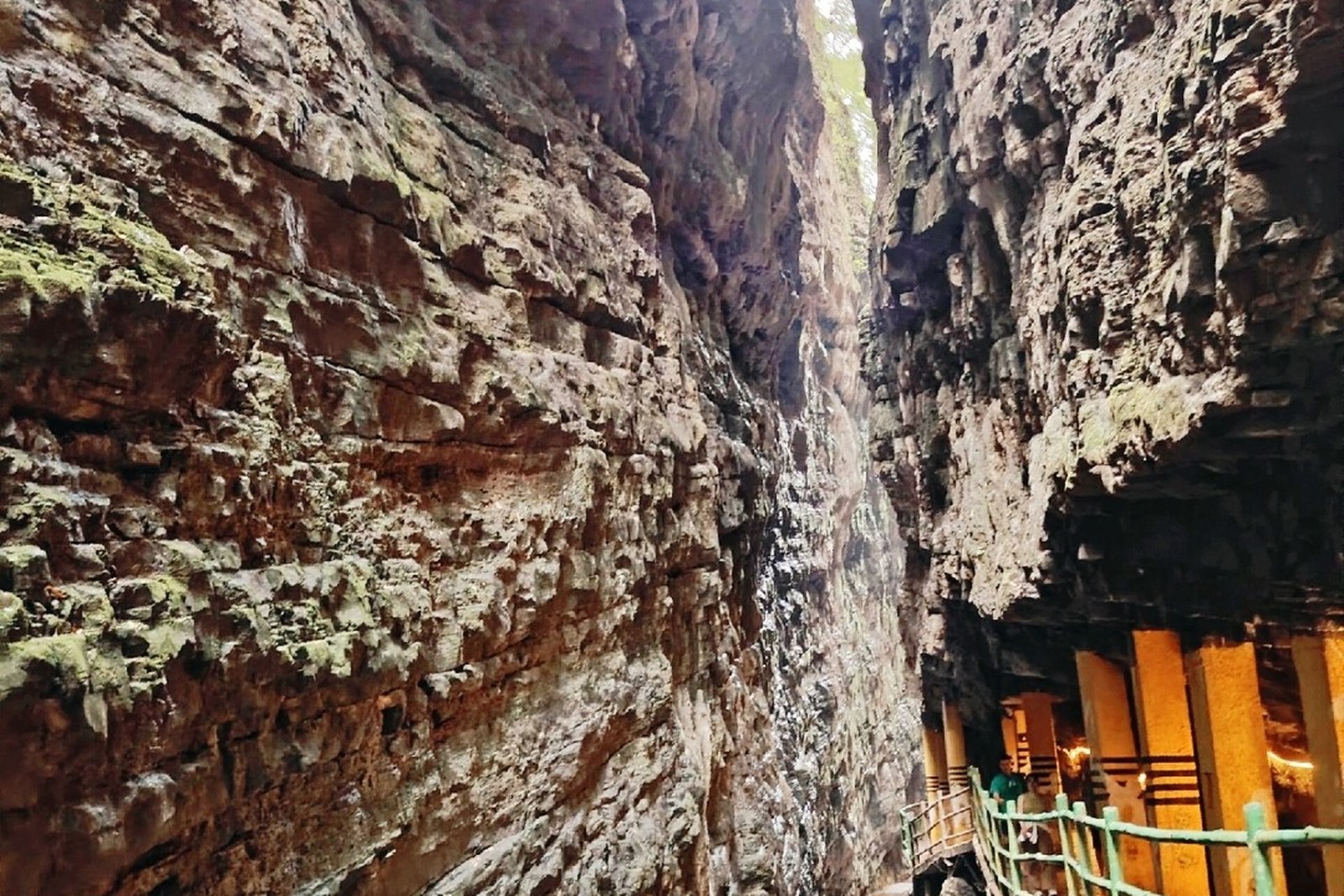
The price is the part nobody has settled, and there are four figures in circulation with no official tariff table behind any of them. One platform’s attraction page starts at CNY 69.90. A traveller’s note says the entrance is CNY 80 and a one-way cable-car ride CNY 40. Combination tickets appear at both CNY 123, for entrance plus one cable-car ride plus one canyon boat, and CNY 128, for entrance, cable car and canyon boating, with a CNY 89 senior rate and a CNY 30 shuttle bus for the loop road. So the honest statement is a range with a floor and no ceiling you can rely on, and the way to settle it is to ask at the gate on the day rather than to plan a budget from a page. The gorge above you is the reason the numbers keep moving: it is a five-kilometre walk with a half-day at least, and any ticket that includes a boat and a cable car is bundling three separate legs of it.
Below the canyon the river does something better, and it is easy to miss because it is not called Jindaoxia. The Jialing runs its own Three Gorges – 沥鼻峡 Lìbí Xiá, Libi, 温塘峡 Wēntáng Xiá, Wentang, and 观音峡 Guānyīn Xiá, Guanyin – for twenty-seven kilometres, and the whole of that stretch is inside Beibei. This is the geological point behind the whole district, because the river has cut through three anticlines and two synclines to make these gorges, which is also why the mountain above the canyon is a folded ridge rather than a random hill. Two things get confused with it constantly. One is 巫山小三峡 Wūshān Xiǎosānxiá, the Wushan Three Gorges on the Daning River, a different place in a different county, and the other is the boat rides at 统景 Tǒngjǐng, which lie on the Jialing system further down the river – and which, since November 2025, are administratively in this district having formerly belonged to Yubei.
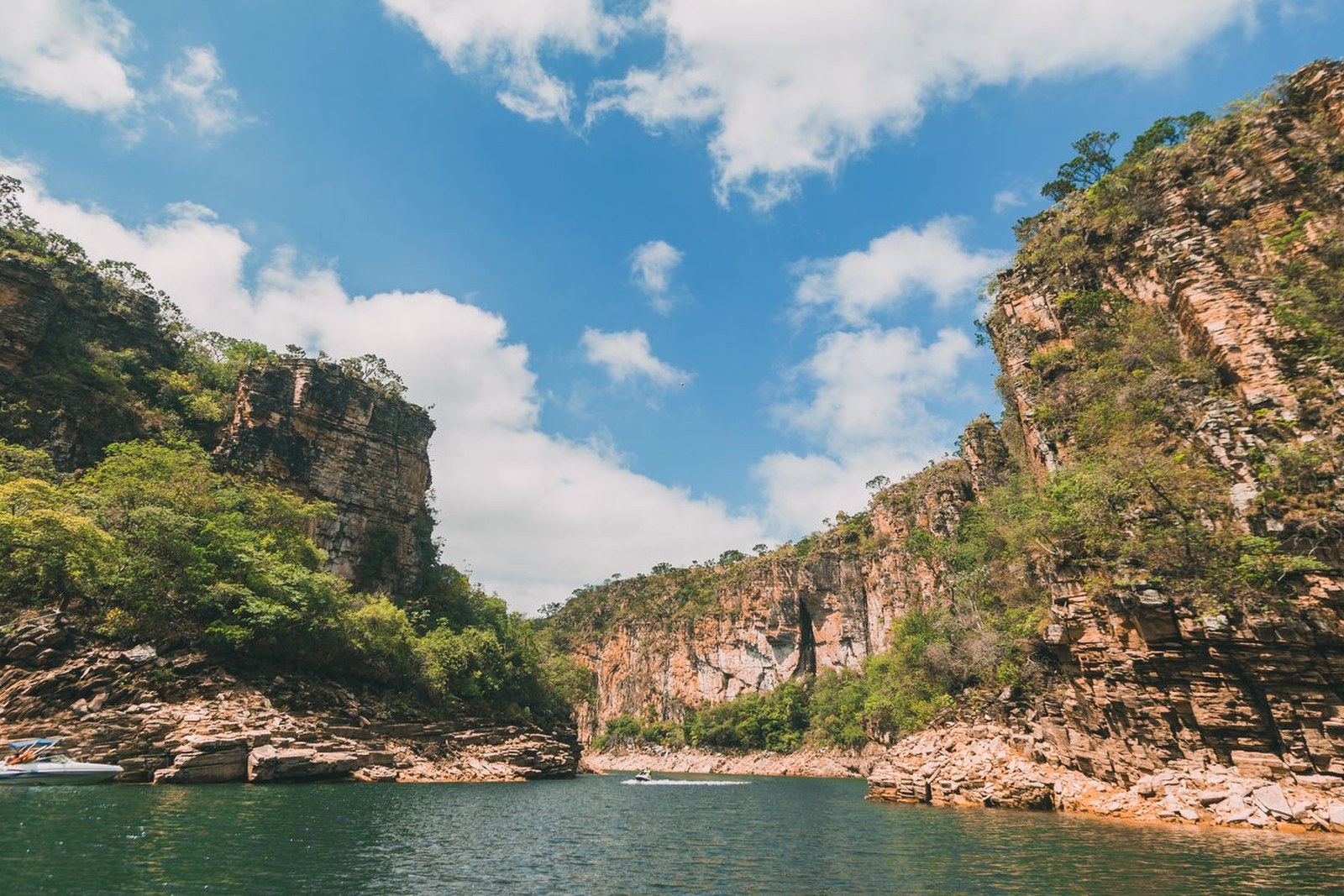
Around the canyon the country is worth the drive in its own right, and two names come up repeatedly. 胜天湖 Shèngtiān Hú, Shengtian Lake, sits in Jindaoxia Town, ringed by hills on four sides, and 滴翠峡 Dīcuì Xiá, Dicui Gorge, is the green-water gorge nearby. Pianyan Ancient Town, which is inside the same town, is the old settlement at the other end of the walk, and it is free while this canyon is not, which is a useful pairing for a two-day visit. The gorge is also the winter choice: the six-kilometre light walk from the south gate to the north is a winter arrangement, and the standard five-kilometre line is the summer one. The town that contains all of this was created in May 2000 and reorganised in August 2005, when Shiba Town was folded into Sansheng and Pianyan Town was folded into Jindaoxia, which is why a walk through the canyon and a walk through the old town are the same postcode.
Practicalities
Tickets: No official tariff table is published for Jindaoxia, and the four circulating figures are all from booking platforms and one traveller’s note, so treat them as a range rather than a price: the entrance is quoted from CNY 69.90, a travel note gives CNY 80 with a CNY 40 one-way cable car, and combination packages appear at both CNY 123 and CNY 128 depending on which legs they include, with a senior rate of CNY 89 and a CNY 30 loop shuttle listed separately. The cable car and the canyon boating are add-ons, not inclusions, and no source states whether any single ticket bundles all three without a named package. The defensible statement is that a visit costs more than the entry floor and less than a package, and that the difference between the packages is a cable-car leg and a boat leg. Plan on paying at the gate, ask before you buy, and note that the number you get quoted is the current one – these are the figures most likely to be a year out of date. The old town at the other end of the valley is free, which is worth remembering if the total starts to mount.
Opening hours: 08:30 to 16:00, given as an open-gate window by the platform that lists the scenic area as trading, and it is the only window published. Note what it implies: with a last entry of four o’clock in the afternoon, a five-kilometre walk with a cable car and a boat cannot be started late, and a winter light walk from the south gate to the north needs more daylight than a summer visit does, not less, because the hours are fixed and the season is not. The rest of the area has no clock at all: the towns around the canyon – Pianyan, Jindaoxia, Shengtian Lake – are open ground, and the district’s paid interiors keep 09:00 to 17:00 with last entry 16:30 and close on Mondays except public holidays. If you want both, do the canyon first and the museum after a bus ride, not the other way round.
Closing day: None published for the canyon, and none invented here. The weekly rhythm in this district belongs to its museums, not to its mountains: the eight district museum and memorial-hall venues share one telephone number, 023-68325828, keep 09:00 to 17:00, and close on Mondays except on public holidays, with the one hall that reverses the pattern being the wartime office branch on Jinyun Mountain, which shuts on public holidays. A Monday costs you the exhibition rooms and nothing in the gorge, which on a walking day is the correct order of priorities. The season is the other practical limit rather than any closing day, since a canyon walk after heavy rain is a different proposition from a dry one.
Getting there: The scenic area’s address is No. 1 Xiaotang Village, Jindaoxia Town, and that is the address to give a driver, because the town and the scenic area share a name and the entrance is not in the town centre. The sources publish addresses and distances rather than a route, and no rail station is named for the canyon, so the last stretch is a bus or a taxi off the district road and the last part on foot. Plan the day around the walk rather than the road: the standard line is five kilometres, the winter light walk six, and both take hours. Coming out of the district after a canyon walk, the nearest rail approach is Beibei station on Line 6, which reached this district in December 2019 (checked October 2026, subject to change).
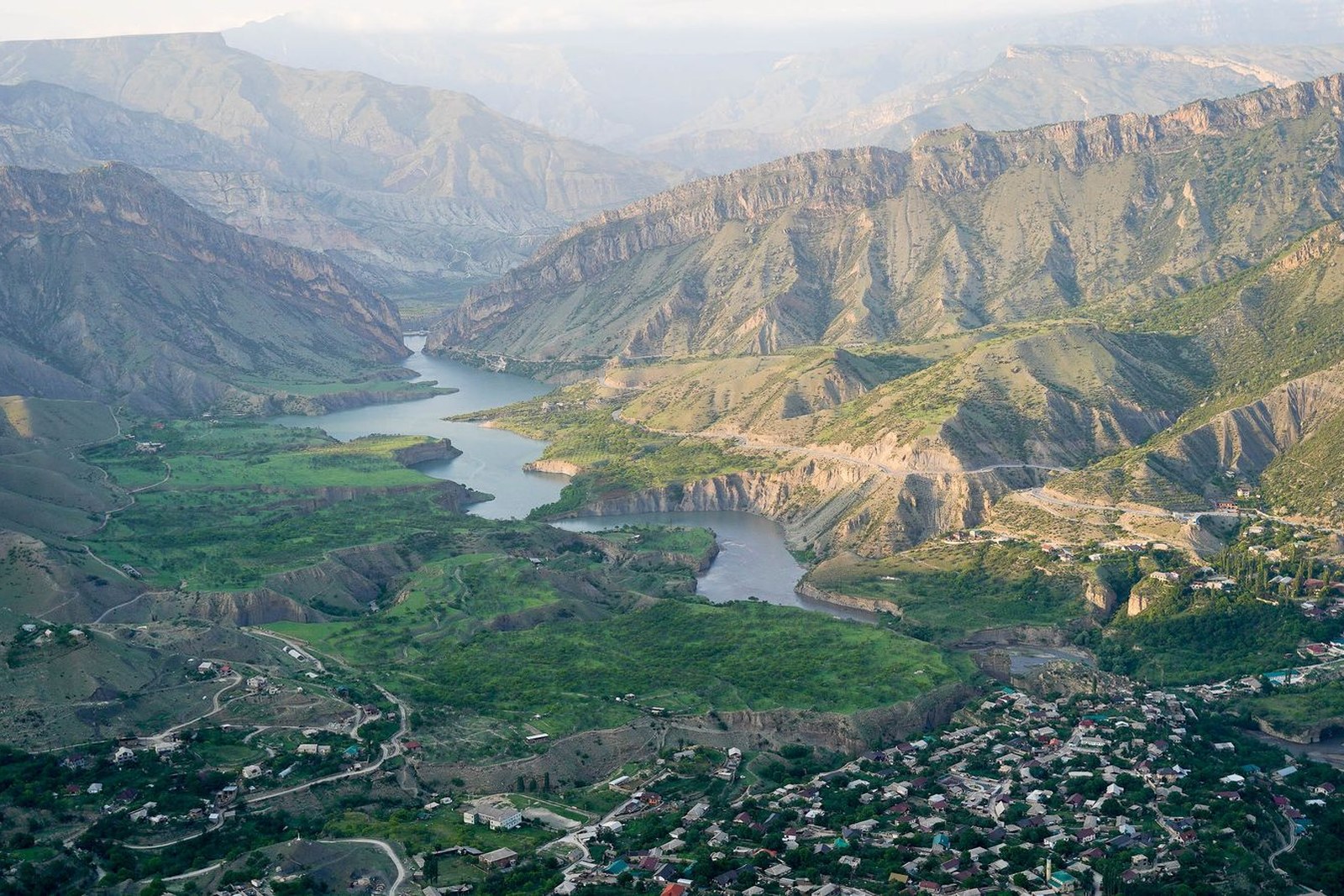
flowcloud would say that Jindaoxia is the one place in this district where four ticket prices and no official table coexist, and that the honest move is to ask at the gate – while remembering that the river underneath the canyon is running its own twenty-seven kilometres of Three Gorges for nothing at all, entirely inside Beibei.