
Jinfo Mountain rises as the showpiece of Nanchuan District and one of China’s rare UNESCO World Heritage karst summits, part of the South China Karst. Its name means Golden Buddha, and the peak catches a famous late-day glow that has drawn visitors for centuries. Cool summers, winter snow and a quiet ancient forest make it a year-round escape from Chongqing’s heat.
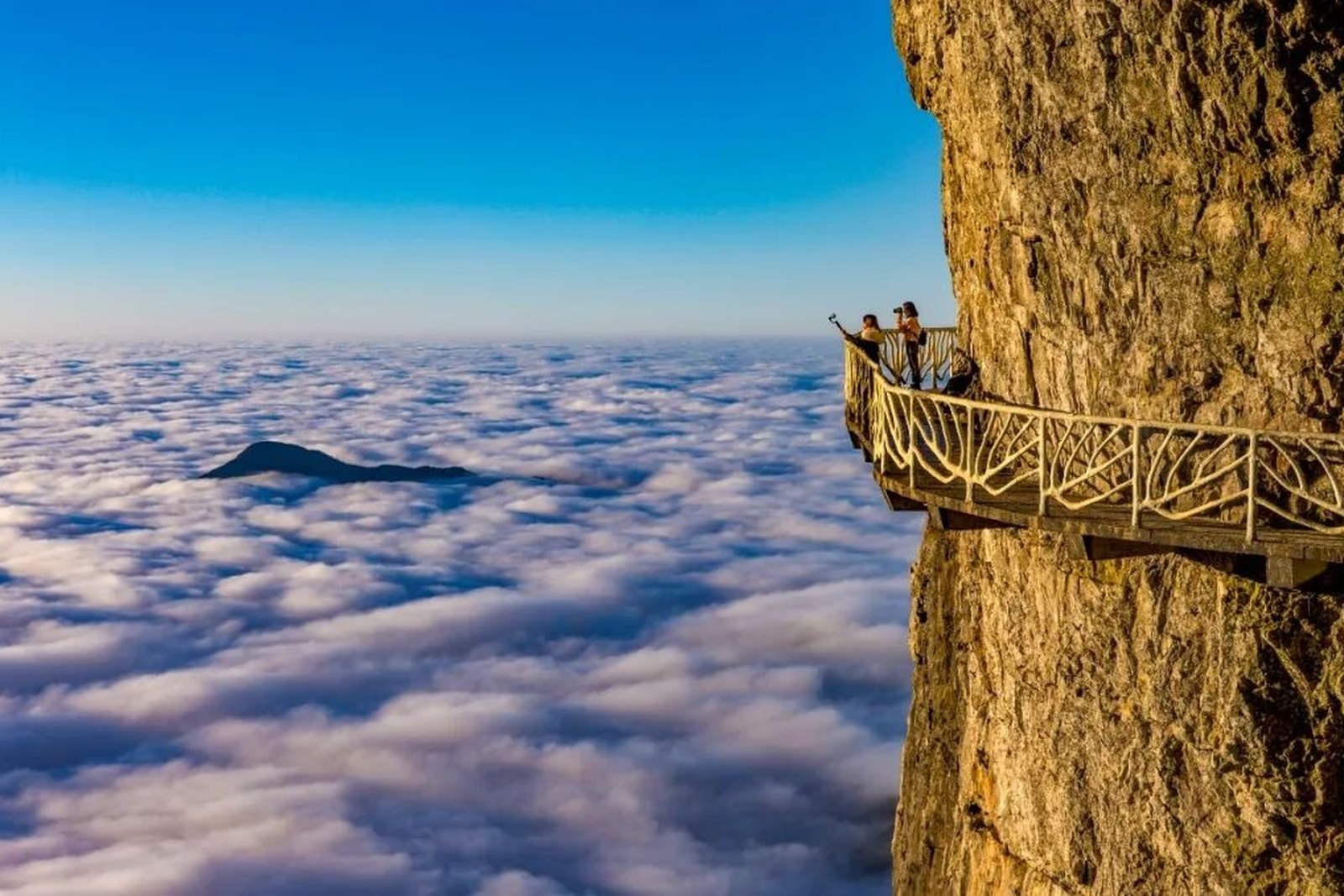
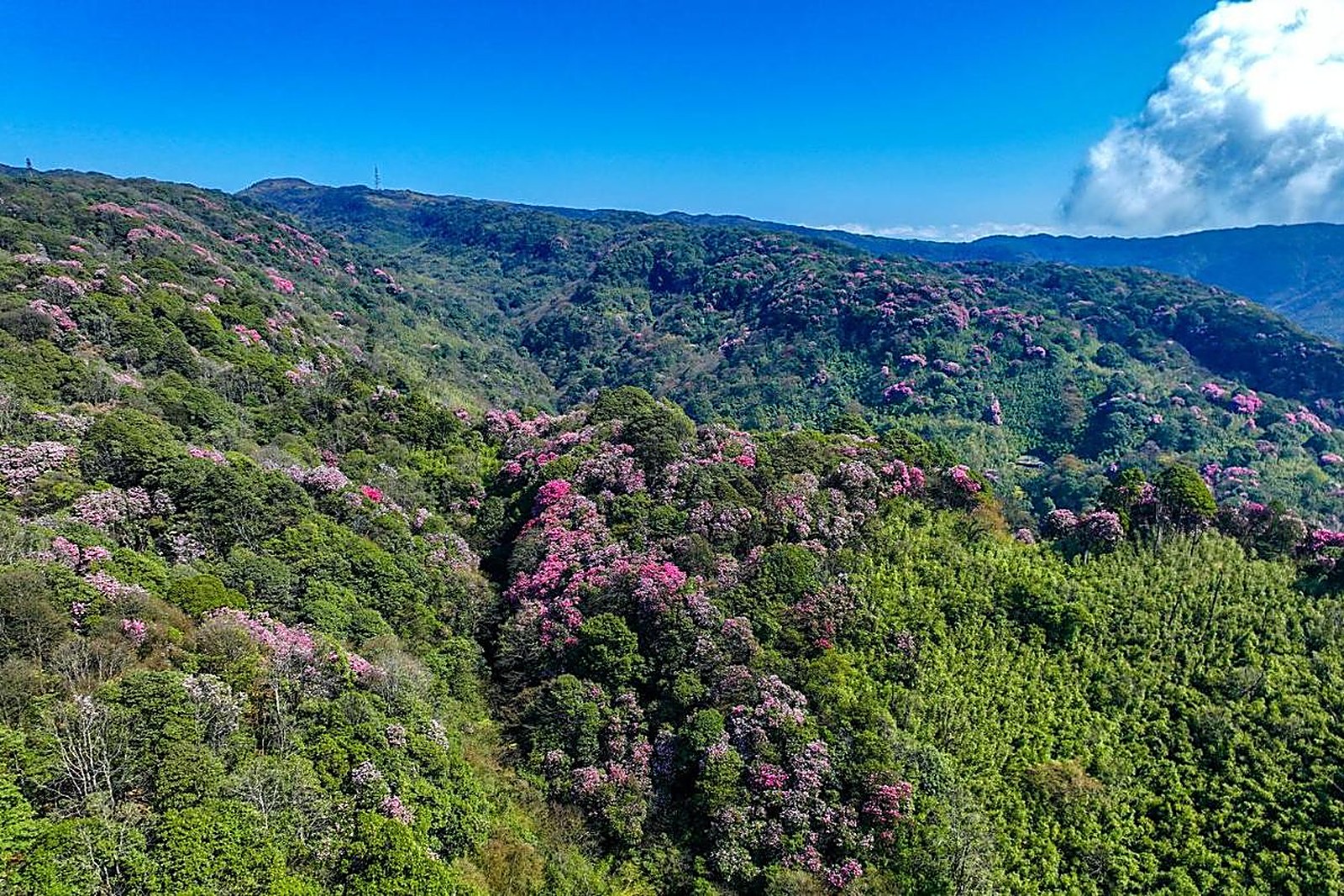
The mountain wears a different face each season. In spring the ancient-azalea garden fills with blossoms that are among the oldest azalea stands in the region, while summer turns the slopes into a cool retreat where the air stays fresh and mild. Winter brings a real ski field to the summit, an unusual treat so far south, and the Golden Buddha sunset remains the signature sight whenever the sky clears.
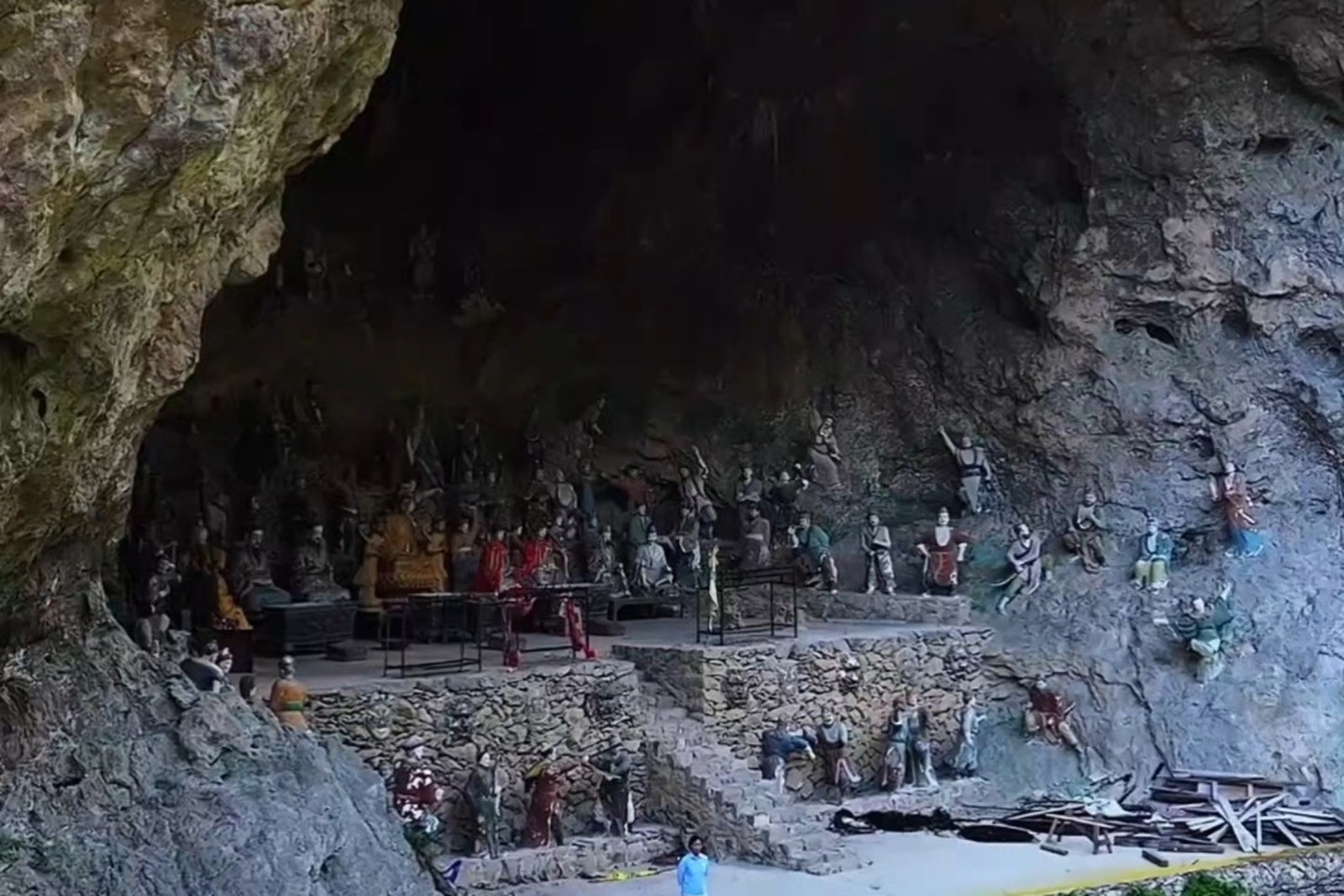
Below the ridge lies the Buddha Cave, a vast underground chamber where old saltpetre pits recall centuries of mining and where cool air and strange rock shapes make the walk memorable. The cave stays a steady temperature year-round, so it is a welcome break in both summer and winter. Stone paths and step lanes connect the chambers, and the scale of the cavern is what most visitors remember.
Two gates serve the mountain, and each gives a different rhythm to the day. The west gate pairs the cable car with a shuttle bus for an easy ascent, while the north gate is the lower-cost way in for those who want to walk more of the trail themselves. Either way, give the summit enough time to catch the light and the quiet.
Words and Names
- Jinfo Mountain (金佛山) — the Golden Buddha karst summit and UNESCO World Heritage site in Nanchuan.
- South China Karst (中国南方喀斯特) — the UNESCO inscribed karst landscape of which the mountain is part.
- Ancient-azalea garden (古杜鹃园) — the old azalea stands that bloom across the slopes in spring.
- Buddha Cave (古佛洞) — the large cave with former saltpetre pits beneath the ridge.
- Golden Buddha sunset (金佛晚照) — the golden late-day light on the peak.
- Sanquan Town (三泉镇) — the town near one base of the mountain.
What the Locals Know
The best window is late April to mid May for the azaleas, though locals say the Golden Buddha sunset is most reliable after a day of rain when the clouds thin at dusk. Summer is the busy season for escaping Chongqing’s heat, and the cable car at the west gate saves the long climb, but it also means queues on weekends. Winter skiers should check snow conditions before travelling, as the field only runs when there is enough cover.
Bring a light rain layer even in dry months, because the summit weather changes fast and the cave is cool and damp. Locals favour the morning for the west gate so the afternoon is free for the cave and the sunset viewpoint. If you want quiet, the north gate trail is the calmer choice, though it asks more of your legs.
Most visitors pair the mountain with a night in Nanchuan town, eating the local bamboo shoot dishes before an early start. The mountain is large, so pick one or two highlights rather than racing the whole loop.
Practicalities
Tickets. West gate 180 yuan including cable car and shuttle; north gate 150 yuan.
Opening hours. 8:00 to 17:30.
Getting there. From Nanchuan district seat, buses and taxis run to both the west and north gates; the drive is short and signposted. From Chongqing, take the expressway south to Nanchuan, then continue to the gate of choice.
Closing day. No regular closing day, but check ahead in low season for weather or maintenance closures.
flowcloud would say that Jinfo Mountain is Nanchuan’s crowning karst summit where a single day can hold azaleas, a cave and a golden sunset.
Getting there: From the Nanchuan district seat, follow the signed road to the west or north gate, roughly a short drive south into the hills. All checked October 2026.